 Fang Wang
Two days in Shanghai might seem short, but with a smart plan, you can soak in the city's essence—from colonial history to futuristic skylines. I've walked these streets countless times, and this itinerary is built on personal missteps and discoveries. Let's jump right in.
Quick Navigation
Day 1: Dive into Shanghai's History and Bustle
Start early to beat the crowds. I learned this the hard way after getting stuck in tourist swarms. Day 1 focuses on the iconic eastern side of the Huangpu River.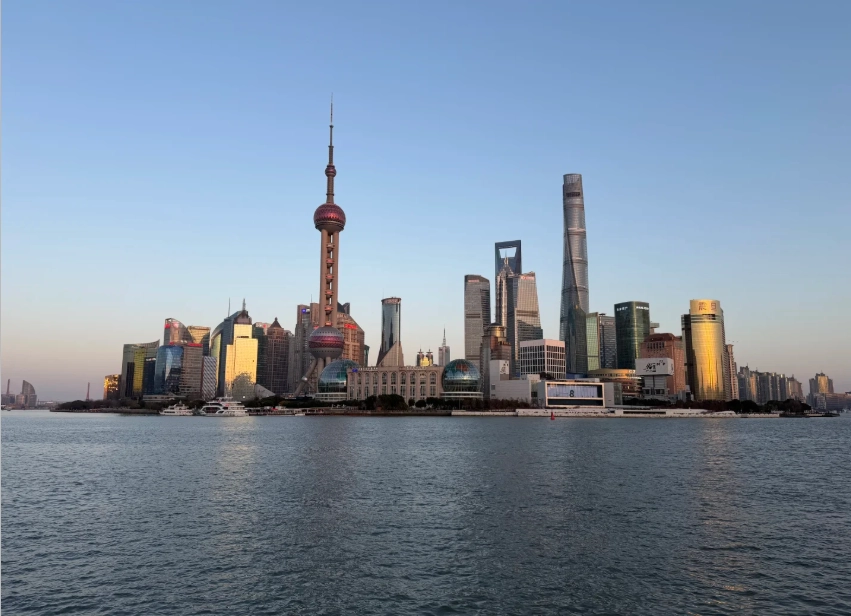
Start at The Bund: Shanghai's Iconic Waterfront
The Bund is free to visit, open 24/7, and located at Zhongshan East 1st Road, Huangpu District. Take Metro Line 2 or 10 to East Nanjing Road Station, then walk 10 minutes south. Most guides tell you to go at night for lights, but I prefer sunrise. At 6 AM, you'll have the promenade almost to yourself, with soft light reflecting off the colonial buildings. The view across the river to Pudong is stunning. Skip the pricey Huangpu River cruises; instead, take the public ferry from Jinling Road Pier to Dongchang Road Pier for just 2 RMB. It's a local secret for a budget-friendly river crossing.
Stroll Down Nanjing Road: Retail Therapy
From The Bund, head west to Nanjing Road, a pedestrian shopping street. It's open all day, but shops typically operate from 10 AM to 10 PM. Address: Nanjing East Road, Huangpu. Don't bother with the big malls unless you're into luxury brands. Instead, peek into the side alleys for smaller stores selling traditional snacks. I once found a vendor selling scallion pancakes that were crispier than any I'd tasted. The street can feel overwhelming, so walk briskly through the main stretch and dive into the quieter sections near People's Square.
Explore Yu Garden and the Old City
Yu Garden, at 218 Anren Street, Huangpu, costs 40 RMB for entry. Hours: 8:30 AM to 5:30 PM. Take Metro Line 10 to Yuyuan Garden Station. The garden itself is a Ming Dynasty classic, but the surrounding bazaar is where things get interesting. Yes, it's touristy—souvenir shops abound—but the architecture is authentic. Go on a weekday afternoon to avoid the worst crowds. A tip: the zigzag bridge near the entrance is always packed; head deeper into the garden's inner sections for tranquility. I spent an hour just watching koi fish in the pond, a peaceful break.
Day 2: Embrace Modernity and Local Culture
Day 2 shifts to Pudong and artsy neighborhoods. Start by 9 AM to make the most of it.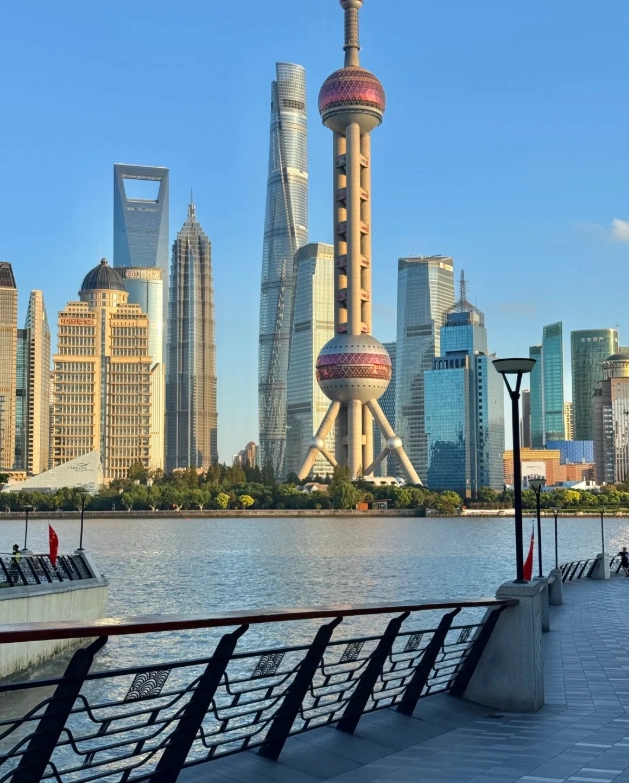
Ascend Shanghai Tower for Panoramic Views
Shanghai Tower, at 501 Yincheng Middle Road, Pudong, has an observation deck on the 118th floor. Ticket price: 180 RMB for adults. Hours: 8:30 AM to 10 PM. Take Metro Line 2 to Lujiazui Station. Many opt for the Shanghai World Financial Center, but I think the Tower's higher vantage point is worth the extra cost. Buy tickets online in advance to skip the queue; on-site lines can stretch for an hour. The elevator ride is a blur, and the view? You'll see the city sprawl like a map. On hazy days, visibility drops, so check the weather before going.
Get Lost in Tianzifang's Artistic Alleys
Tianzifang, at 210 Taikang Road, Huangpu, is a maze of shikumen houses turned into cafes and boutiques. Free to enter, shops open from 10 AM to 10 PM. Metro Line 9 to Dapuqiao Station. This place feels more genuine than the commercial Xintiandi. Wander without a map—I discovered a tiny gallery showcasing local artists that wasn't in any guidebook. The alleys are narrow, so it gets cramped after noon. Visit around 11 AM when shops just open, and you'll have space to browse. Some cafes overcharge, but look for spots with handwritten menus; they often serve better coffee.
Unwind in the French Concession
The French Concession spans areas like Xuhui and Huangpu. No specific address, but start from Fuxing Park. Free access, open 24/7. Metro Line 1 or 10 to South Shaanxi Road Station. This area is about ambiance. Tree-lined streets, colonial villas, and quiet cafes. I spent an afternoon here just people-watching. Don't rush; pick a café like Baker & Spice (378 Wukang Road) for a coffee break. Their avocado toast is decent, but the real draw is the setting. Some streets feel eerily quiet, a contrast to Shanghai's buzz. It's a spot where you can pretend you're in a different era.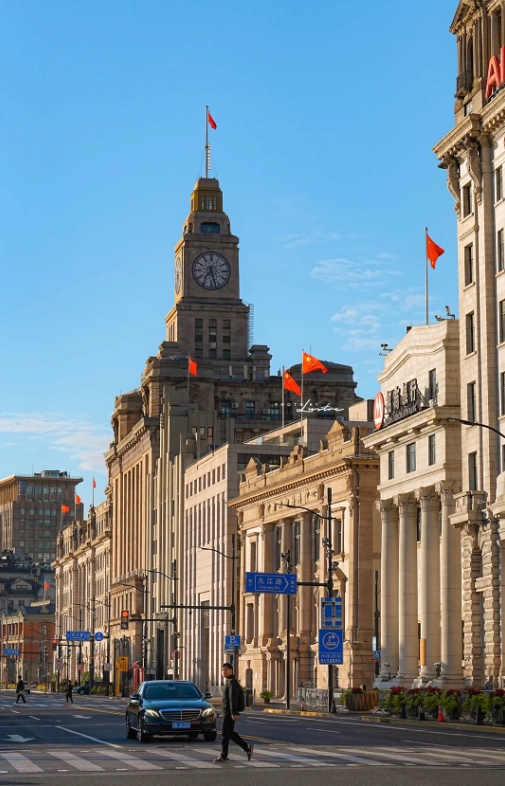
Navigating Shanghai: Transportation Tips
Shanghai's metro is efficient but can be confusing for first-timers. I relied on it for years. Buy a Shanghai Public Transportation Card at any metro station; load it with 50 RMB to start. It works on metros, buses, and even taxis. Single-trip tickets require you to buy for each ride, and the machines have long lines during peak hours. For short distances, consider Didi (China's Uber), but avoid rush hours like 5-7 PM when traffic snarls. Walking between close attractions like The Bund and Nanjing Road is faster than taking a taxi. The metro runs from about 5:30 AM to 11 PM, so plan accordingly if you're out late.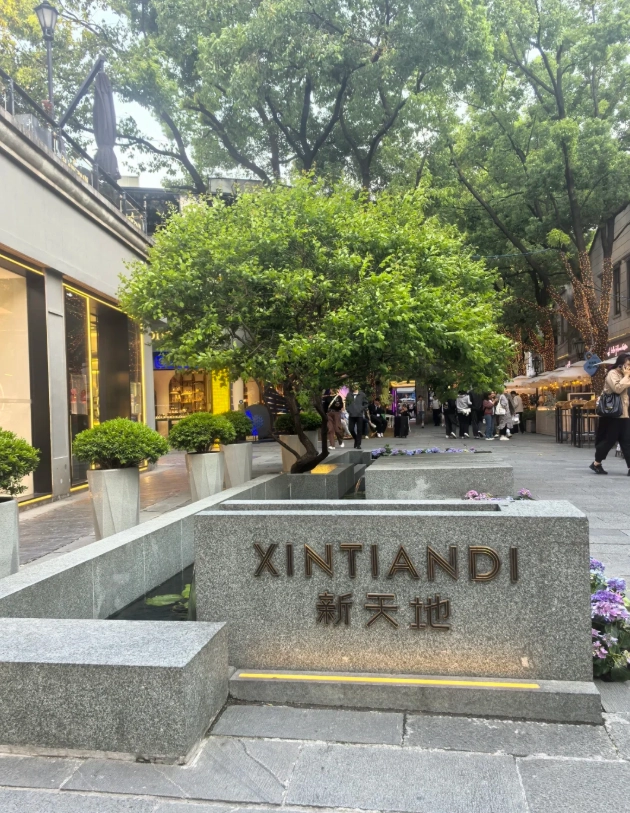
Foodie Stops: Where and What to Eat
Shanghai cuisine is about subtle flavors. Skip the hotel buffets and head to local joints. Here are my picks based on repeat visits.
Jia Jia Tang Bao: 90 Huanghe Road, Huangpu. Known for soup dumplings (xiao long bao). Price: around 30 RMB for a basket. Hours: 7 AM to 8 PM. Go early; they sell out by afternoon. The crab roe ones are rich, but the pork classic is my favorite. The place is no-frills—shared tables, cash only.
Yang's Fry Dumpling: Multiple locations, but the one at 97 Huanghe Road is reliable. Fried pork buns (sheng jian) cost about 10 RMB for four. Crispy bottom, juicy inside. It's a quick bite, perfect for a snack between sights.
Lost Heaven: 38 Gaoyou Road, Xuhui. For Yunnan cuisine, not strictly Shanghai, but the ambiance in the French Concession is worth it. Dishes like pineapple rice run 80-120 RMB. Hours: 11 AM to 11 PM. Reservations help on weekends.
Street food is everywhere. Try jianbing (savory crepes) from vendors near metro exits. I found one outside Dapuqiao Station that adds an extra egg for free if you smile.
Essential Tips for a Smooth 2-Day Visit
Pack comfortable shoes—you'll walk more than you think. Weather in Shanghai shifts; bring a light jacket even in summer for air-conditioned interiors. Cash is still useful for small vendors, though Alipay and WeChat Pay dominate. I made the mistake of not having enough cash at a temple once. For SIM cards, buy at the airport or use an eSIM if your phone supports it. Hotels in central areas like People's Square or Jing'an are convenient but pricey; consider Airbnb in the French Concession for a local feel. Book attractions online to avoid lines; sites like Ctrip offer discounts. Lastly, don't overplan. Leave gaps for spontaneity. I stumbled upon a street performance near Xintiandi that became a trip highlight.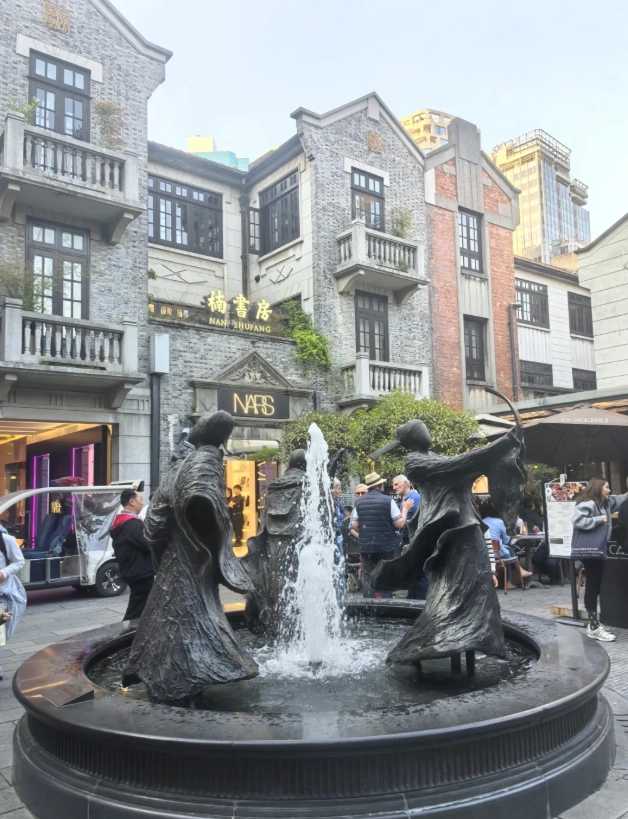
Your Shanghai Itinerary Questions Answered
This itinerary is built from personal walks and tastes. Shanghai changes fast, but these core experiences hold steady. Tweak it based on your interests—maybe swap a museum for a tea house. The city's charm lies in its layers, and even two days can peel back a few. Fact-checked with local visits and transport updates.





Great if you're into high-end eats, but I was hoping for more budget-friendly local food spots. The xiaolongbao place listed was amazing, but everything else was either overpriced or touristy. I ended up using the itinerary just as a skeleton and found better street food on my own. Still, it gave me a solid starting point, so 4 stars.
As someone traveling alone, this itinerary was a godsend. The author clearly understands solo pacing – they even suggest early morning visits to avoid crowds and times when single diners won't feel awkward. I particularly loved the tip about the little alley art walk near Jing'an Temple. Felt like my own secret Shanghai. Highly recommended for solo travelers!
Honestly, I was expecting more depth. Most of the 'must-see sights' here are the same ones you'll find in any free blog, and the local tips felt like generic advice. I followed the breakfast suggestion and ended up in a tourist trap. For a guide that claims to be local, it really missed the mark on hidden gems. Disappointing.
Good guide overall, but I found the pacing a bit ambitious for an average traveler. Day 1 was packed, and by 4pm my feet were killing me. Still, the recommendations were spot-on and the public transport tricks saved me a ton of time. If you're fit and fast, go for it – otherwise maybe drop one attraction. Solid 4 stars from me.
I stumbled upon this itinerary right before my trip and it was a lifesaver! The mix of classic sights like The Bund and Yu Garden with the local tips (especially that tiny noodle shop near the French Concession) made my two days feel so much richer. Everything was perfectly timed, and I even had room for a spontaneous night market visit. Absolutely worth bookmarking!