 Fang Wang
Shanghai hits you with a sensory overload the moment you step out. It's not just a city; it's a living exhibit of past and future colliding. After years of exploring its corners, I've realized most lists just scratch the surface. They send you to the same spots but miss the how and the why. This isn't another generic rundown. This is a practical, detail-packed guide from someone who's gotten lost in its alleyways, paid for overpriced tickets, and found the quiet moments in famously chaotic places. Let's cut to the chase and talk about the 10 places that truly define a Shanghai visit, with the nitty-gritty details you need to plan a perfect trip.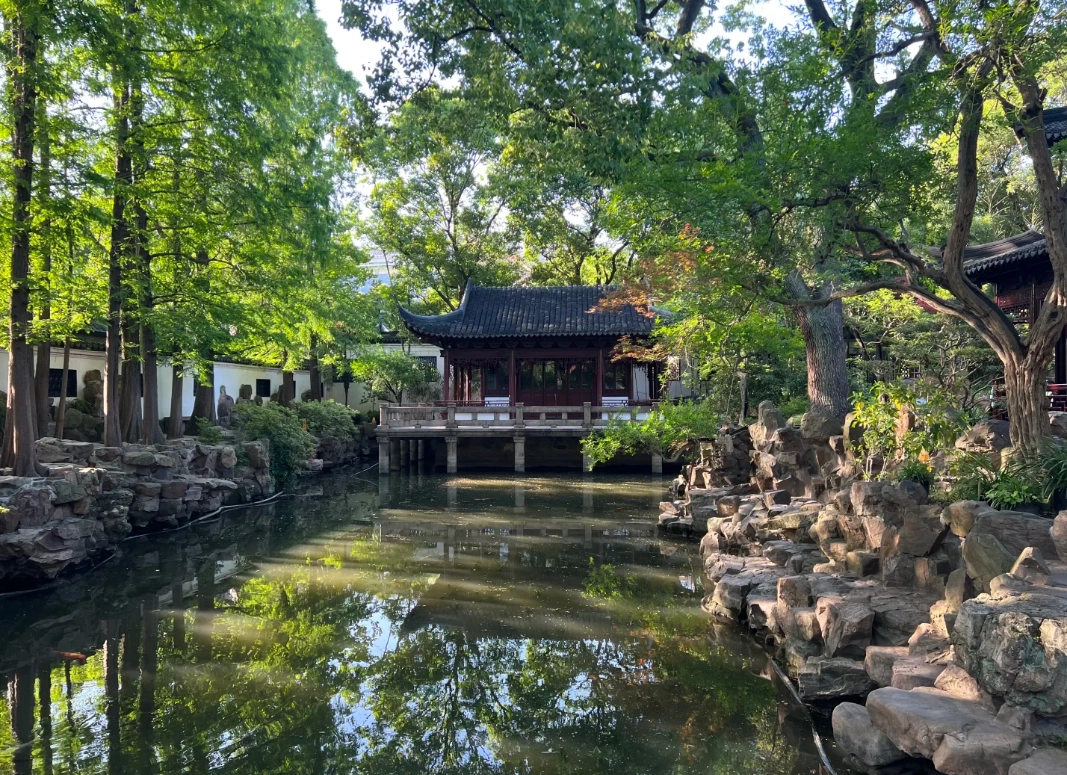
Your Shanghai Sightseeing Jump List
1 The Bund & Waitz Road
Everyone tells you to go to the Bund. Few tell you to walk down Waitz Road (Wukang Road) first. The Bund is the postcard view—those grand European buildings facing the futuristic Pudong skyline. It's breathtaking, especially at night when the towers light up. But coming here at noon with the crowds feels like a chore.
Here's my method. Start your afternoon in the former French Concession. Walk down Waitz Road. You'll see incredible Spanish, British, and Art Deco villas. Number 393 is a standout. It feels like old Shanghai, quiet and leafy. Then, take the metro to East Nanjing Road Station. Walk east to the Bund as the sun starts to set. That golden hour light on the colonial architecture is perfect. The crowd is thinner on the elevated walkway near the Waibaidu Bridge. That's the spot for your classic photo.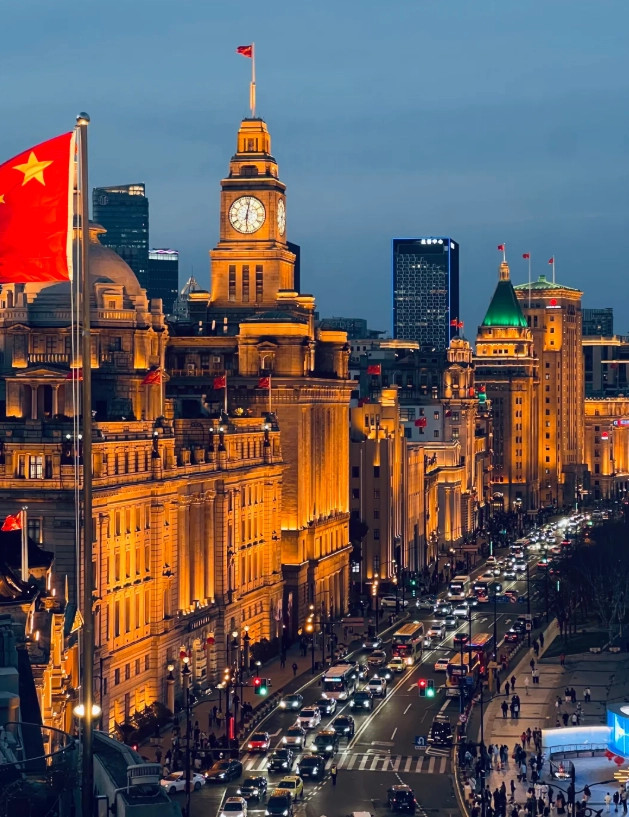
Plan Your Visit: The Bund
Address: Zhongshan East 1st Road, Huangpu District. The main stretch runs from Yan'an Road to the Waibaidu Bridge.
Best Time: Early morning (6-8 AM) for quiet, or evening (after 6 PM) for the light show. Avoid weekends if you dislike crowds.
Getting There: Metro Line 2 or 10 to East Nanjing Road Station (Exit 7), then a 10-minute walk east. For Waitz Road, use Metro Line 10 or 11 to Jiaotong University Station.
Cost: Free to walk along the waterfront. Some historic buildings like the Shanghai Bund History Museum (inside the former HSBC building) are free.
2 Yu Garden & The Old Bazaar
Yu Garden is a 16th-century classical Chinese garden, a peaceful maze of pavilions, ponds, and rockeries. It's beautiful. But the surrounding bazaar is where things get interesting—and overwhelming. Most visitors get funneled into the main souvenir shops selling identical trinkets.
My advice? Enter the garden early, right at opening. Enjoy the serenity. Afterward, instead of the main bazaar streets, duck into the side alleys. Look for the Mid-Lake Pavilion Teahouse in the center of the garden's pond. It's touristy, but having tea there feels timeless. For food, skip the obvious steamed bun places with long lines. The smaller stalls selling sweet fermented rice balls or crab shell cakes are often better. The bazaar's architecture, with its upturned eaves and crowded signage, is the real attraction. Just embrace the chaos.
Yu Garden Tickets & Logistics
Garden Entrance Fee: 40 CNY (Spring/Summer), 30 CNY (Autumn/Winter). The ticket booth is near the main entrance on Anren Street.
Opening Hours: 8:30 AM – 5:30 PM (last entry at 5:00 PM). It's closed on Mondays, except for national holidays.
Metro Access: Line 10 to Yuyuan Garden Station. Exit 1 puts you right at the bazaar's edge.
Time Needed: Allocate 2 hours for the garden and another 1-2 hours for wandering the bazaar.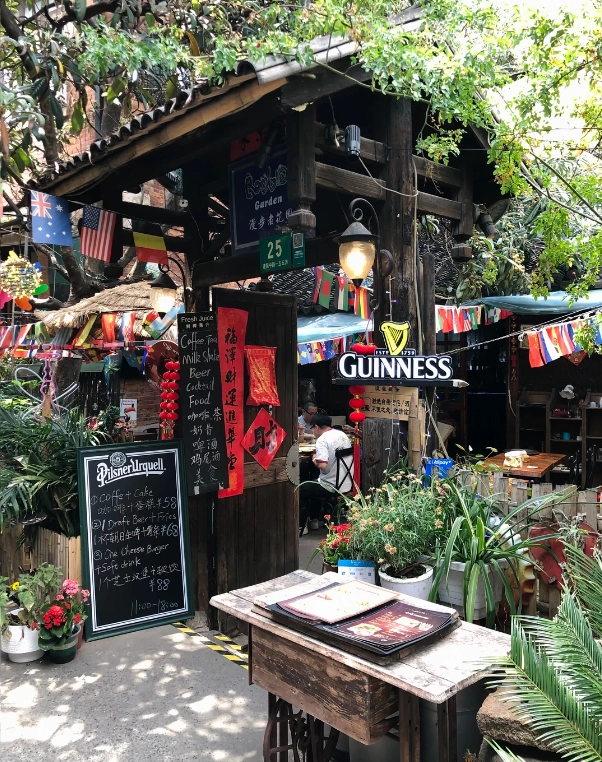
3 Shanghai Museum
This museum is a heavyweight. Its collection of ancient Chinese art—bronzes, ceramics, paintings, calligraphy—is world-class. The building itself, shaped like a ancient bronze cooking vessel, is a landmark. The common mistake is trying to see everything in one go. You can't. It's exhausting.
Pick two floors. I always recommend the Ancient Chinese Bronze Gallery (1st floor) and the Chinese Ceramics Gallery (3rd floor). The detail and history are staggering. The museum offers free audio guides, but you need to leave your passport as a deposit. The lines for security and bag check can be long, especially around 11 AM. Go right at 9 AM when it opens, head straight to your chosen floors, and you'll have a much better experience.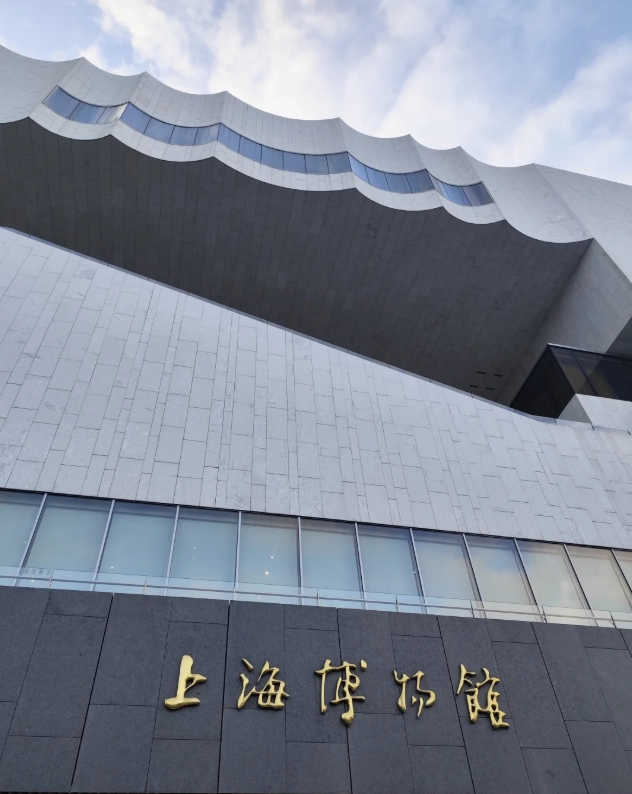
Pro Tip: The museum's rooftop garden is rarely mentioned. After your visit, take the elevator up. It offers a quiet, green respite with a unique view of People's Square. It's a little secret spot most visitors completely miss.
4 Oriental Pearl Tower
Yes, it's touristy. The lines can be brutal. But the view from the upper sphere at 351 meters is genuinely iconic. You see the Huangpu River snake through the city, the Bund looking tiny, and the urban sprawl fading into the horizon. The lower spheres have observation decks, a revolving restaurant, and the much-hyped glass-bottomed sightseeing corridor.
Is it worth it? For first-timers, yes, but be strategic. Buy your tickets online in advance to skip the longest ticket queue. Go on a weekday, and aim for a time slot just before sunset. You get daylight, twilight, and night views in one visit. The area around the tower, Lujiazui, is worth a stroll to feel the scale of Pudong's skyscrapers.
| Observation Deck | Height | Ticket Price (Approx.) | Main Feature |
|---|---|---|---|
| Upper Sphere (Space Module) | 351m | 220 CNY | Highest 360° view |
| Main Deck (Sightseeing Floor) | 263m | 160 CNY | Main observation level |
| Lower Sphere (City History Museum) | 90m | Included in combo tickets | Historical dioramas of old Shanghai |
| Glass Bottom Walkway | 259m | Part of Main Deck ticket | Transparent floor looking straight down |
5 Shanghai Disneyland Resort
This isn't just a copy of other Disney parks. Pirates of the Caribbean: Battle for the Sunken Treasure is arguably the best dark ride on the planet. TRON Lightcycle Power Run is a thrilling coaster unique to Shanghai. The park is huge, clean, and often less crowded than its counterparts, except during Chinese holidays.
The key is the Disney App. Download it before you go. Use it to buy tickets, see real-time wait times, and book free FastPasses (now called "Disney Premier Access" for a fee, but check for complimentary options). Head straight to TRON or the Soaring Over the Horizon ride at rope drop. Disneytown, the shopping and dining area outside the park gates, doesn't require a ticket and has some great food options.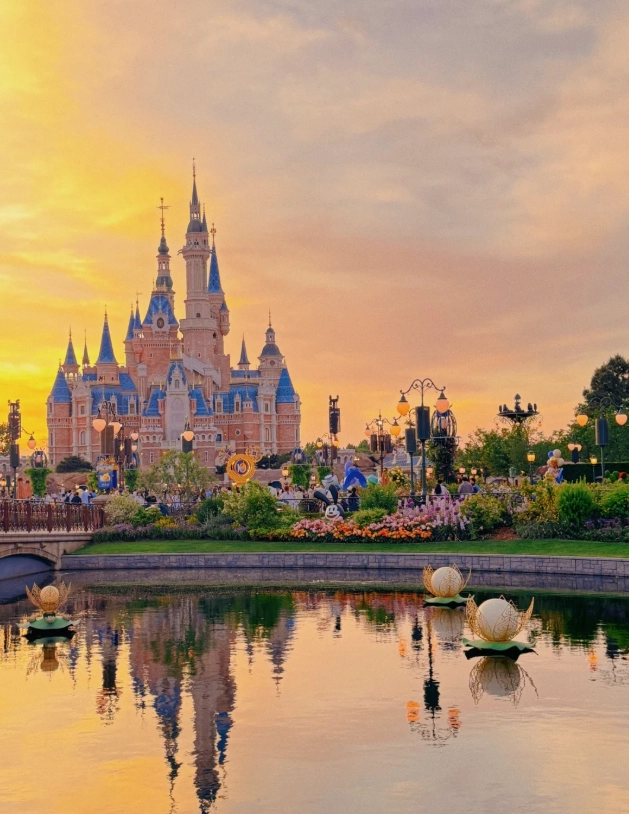
6 Tianzifang Art Zone
Tianzifang is a labyrinth of narrow alleyways formed from renovated shikumen (stone-gate) houses. It's often compared to Xintiandi, but it's completely different. Xintiandi is polished; Tianzifang is gritty, creative, and slightly chaotic. It's packed with tiny boutiques, craft shops, art studios, cafes, and bars.
Getting lost is the point. Enter from Taikang Road Lane 210. Wander without a map. You'll find a jeweler working in a closet-sized studio, a shop selling handmade leather goods, and rooftop cafes hidden up steep staircases. It gets packed on weekends. Go on a weekday afternoon. My favorite find was a tiny gallery on the second floor that sold prints from local art students—unique souvenirs you won't find anywhere else.
7 Xintiandi
Xintiandi is the upscale, renovated version of the shikumen style. It's a pedestrianized area of boutiques, restaurants, and cafes housed in beautifully restored stone buildings. It's expensive, yes. But it's also a masterclass in urban preservation. The Site of the First National Congress of the Communist Party of China is here, a stark contrast to the surrounding luxury.
Come here for a meal or a drink, not for budget shopping. The people-watching is excellent. It's a glimpse into Shanghai's modern, cosmopolitan side. At night, the area transforms, with lights illuminating the stone walls. It feels sophisticated in a way that Tianzifang does not.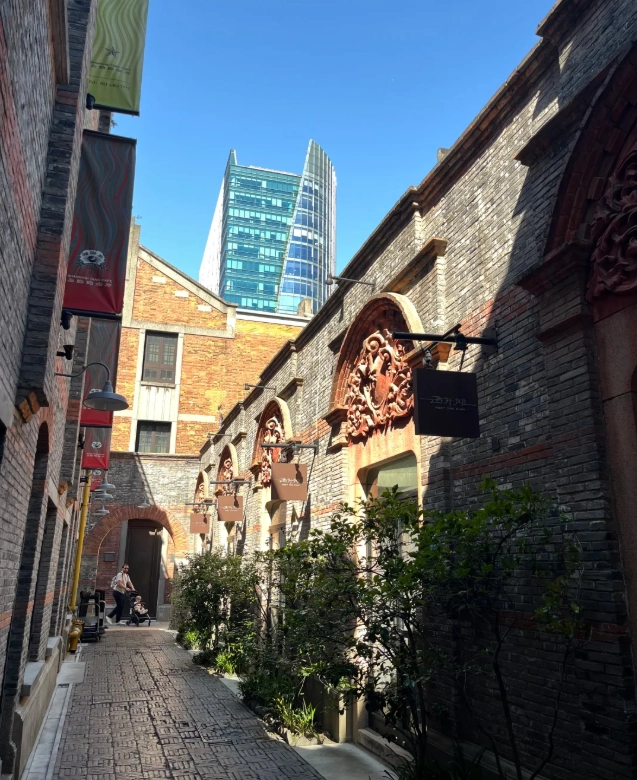
8 Zhujiajiao Water Town
Called "Shanghai's Venice," Zhujiajiao is an ancient water town about an hour from downtown. Canals, stone bridges, and old houses define it. The main street, North Street, is always crammed with tourists and vendors. To escape, pay the small fee to walk across the Fangsheng Bridge and explore the quieter eastern side. Or, take a boat ride. The gondola-style boats are operated by locals who punt you slowly through the canals—it's the best way to see the place.
It's a half-day trip. Go in the morning to beat the worst of the crowds. The Kezhi Garden at the end of North Street is a pleasant classical garden worth the extra ticket.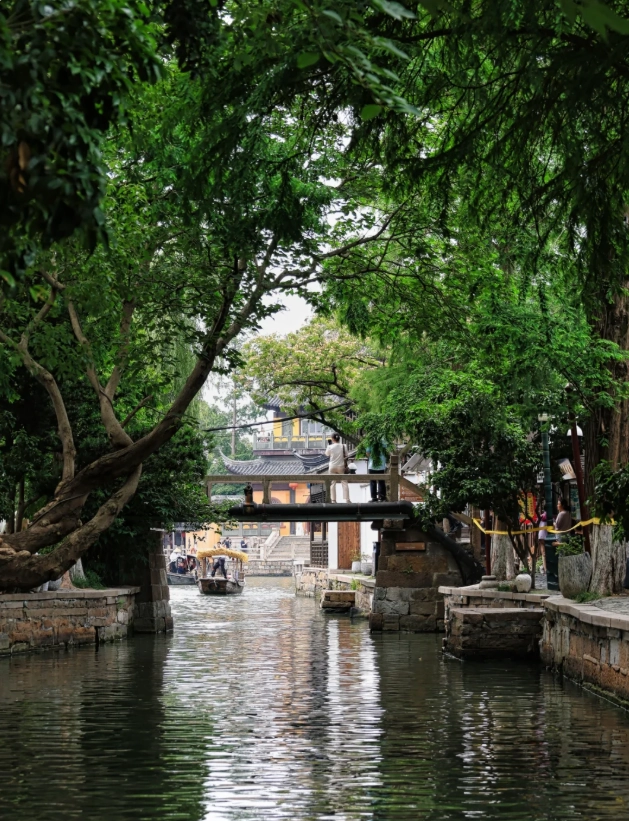
9 Shanghai Science & Technology Museum
Don't let the name fool you. This is one of the best interactive museums I've visited, perfect for families or the curious-minded. It's massive, with exhibits on robotics, space exploration, earth sciences, and human biology. The Animal World exhibit with its detailed dioramas and the World of Robots where robots solve Rubik's cubes and play chess are highlights.
It's located in Pudong, near the Century Park metro station. You need at least 3-4 hours here. Check the schedule for IMAX or planetarium shows when you arrive. It's incredibly popular with local school groups, so weekdays are still better than weekends.
10 Jing'an Temple
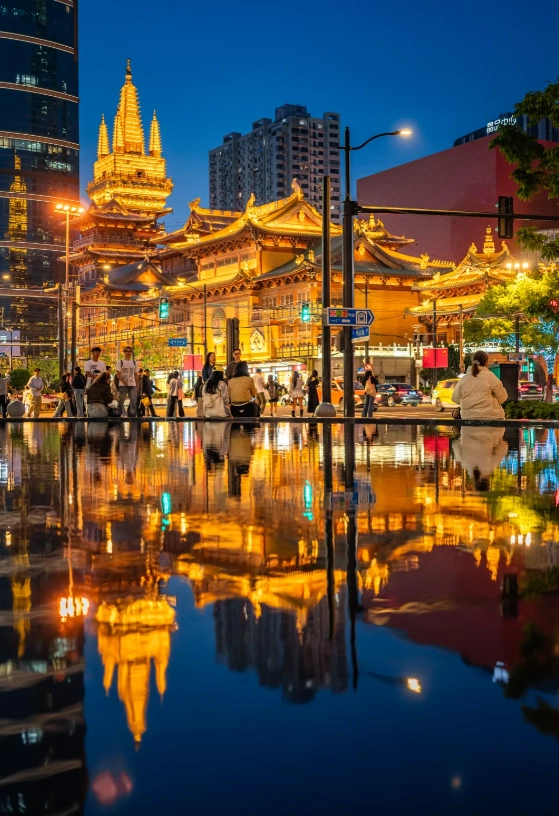
This is the surreal one. A serene, golden Buddhist temple complex plopped in the middle of a forest of gleaming skyscrapers on West Nanjing Road, one of the world's busiest shopping streets. The main hall, with its giant jade Buddha and golden roof, is stunning. The contrast is what makes it special.
It's an active temple, so be respectful. You can see monks praying amidst the incense smoke with modern towers reflected in the temple's ponds. It doesn't take long to visit—maybe an hour. Combine it with a shopping trip on Nanjing Road. The entrance fee is 50 CNY, and it's open from 7:30 AM to 5 PM.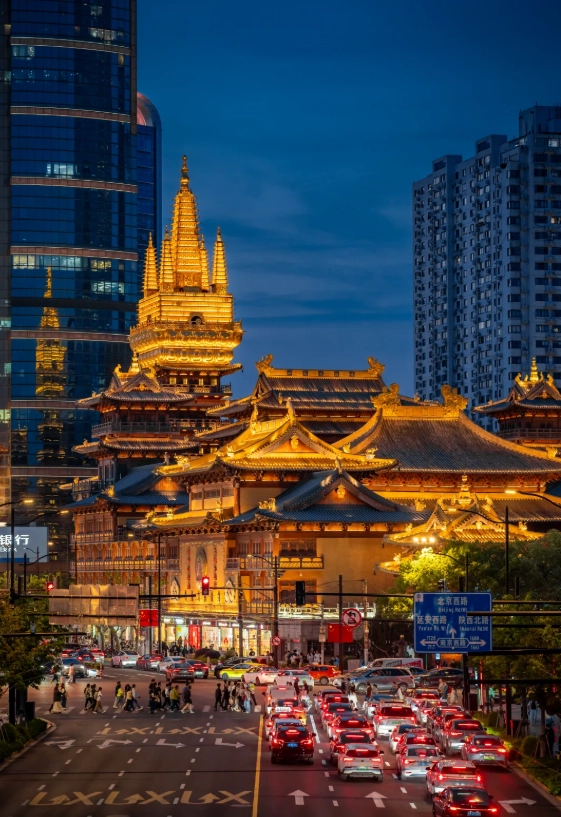
Shanghai Travel FAQ: Beyond the Basics
 This list is built on personal trial and error. I've stood in those lines, gotten turned around in those alleyways, and found the spots where the city's magic feels most real. Shanghai rewards the curious planner. Use these details, adapt them to your pace, and you'll see far more than just the surface. Every corner here has a story.
This guide is based on firsthand visits and regular fact-checking against official sources and local updates.





Shanghai Museum is a gem, especially since it's free. The bronze collection is world-class, and the ancient ceramics are stunning. Only downside: the signage could be better—some exhibits didn't have English descriptions, which made it hard to appreciate the context. Still, if you're into history, you'll easily spend 3 hours here. 4 stars, would return.
Tianzifang is my kind of place! Those narrow alleyways are just bursting with character—tiny art galleries, quirky boutiques, and the smell of sizzling street food around every corner. I spent a whole afternoon just wandering and grabbing snacks (the stinky tofu is a must-try!). Perfect for solo travelers who love getting lost in creative chaos. 5 stars, hands down.
Yu Garden was okay, but honestly a bit overhyped. It was packed shoulder-to-shoulder even on a weekday, and the 'traditional' shops felt super tourist-trappy—same cheap souvenirs everywhere. The garden itself is pretty, but for 40 RMB you get a 10-minute walk. Not terrible, but I'd skip it if you're short on time. 3 stars from me.
Shanghai Disneyland was a lot of fun, but prepare for some serious queues. We got there early and still waited 45 minutes for Tron. That said, the castle fireworks show at night was absolutely magical—my kids still talk about it. Food options are a bit pricey, but overall a solid 4 stars. Worth it if you plan ahead.
Absolutely blown away by the Bund at night! The skyline is like something out of a sci-fi movie, with the Pudong towers all lit up. We grabbed a spot near the Huangpu River around 8pm and just stood there for an hour—the breeze was perfect, and the energy was electric. Definitely a must-see, no contest. 10/10 would recommend to anyone visiting Shanghai.