 Fang Wang
Planning a week in Shanghai can feel overwhelming. The city is massive, layered, and moves at a pace that can dizzy first-time visitors. I've spent years exploring its streets, and the most common mistake I see is trying to cram too many districts into one day, ending up exhausted in subway tunnels. A great Shanghai week isn't about ticking off every single landmark; it's about rhythm. It's about pairing the iconic postcard moments with quiet, local discoveries, and leaving enough space to actually taste the food and feel the city's unique energy. This itinerary is built on that principle—a balanced mix of history, modernity, food, and a few secrets I've picked up along the way.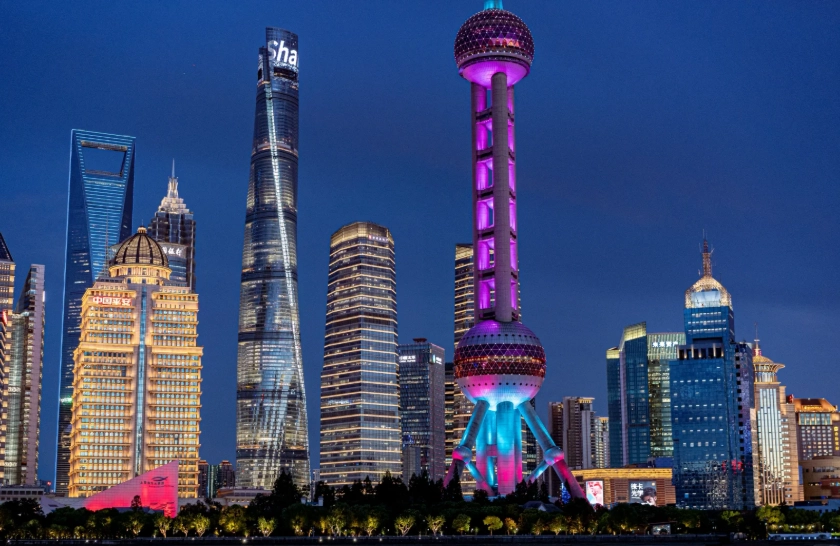
Your 7-Day Shanghai Journey at a Glance
- Day 1: The Bund and Colonial History
- Day 2: Old Shanghai and Yuyuan
- Day 3: Museums and People's Square
- Day 4: French Concession and Tianzifang
- Day 5: Pudong and Modern Skylines
- Day 6: Shopping and Local Life
- Day 7: Relaxation and Hidden Gems
- Essential Shanghai Travel Tips
- Shanghai Week Itinerary FAQ
Day 1: The Bund and Colonial History
Start your Shanghai adventure where the city's modern story began. The Bund (Zhongshan Dong Yi Lu) is that famous waterfront strip of grand European-style buildings. Everyone goes for the skyline view across the Huangpu River, and it is spectacular, especially at night. But most people just walk the main promenade and leave. My advice? Go deeper.
Arrive in the late afternoon. Walk the Bund first to get the iconic photos. Then, peel off into the backstreets behind it. The area around Yuanmingyuan Road and the Rockbund area is where you'll find beautifully restored art-deco buildings housing chic galleries, cafes, and restaurants. I often recommend the Rockbund Museum for contemporary art in a stunning historical setting. For dinner, skip the overpriced riverfront places. Head one block inland to Jianguo Road for a cluster of fantastic local restaurants. One of my favorites is Lv Bo Lang (328 Jianguo Road) – it looks unassuming, but their braised pork belly and crispy eel are legendary. Expect to spend about 150-250 RMB per person.
End your night with a drink. Instead of the fancy hotel bars, try The Captain's Bar (37 Fuzhou Road). It's on the 6th floor of a hostel, has a perfect, unobstructed view of Pudong, and a beer costs a fraction of the price elsewhere. You'll be sharing the space with travelers and savvy locals, not just businesspeople.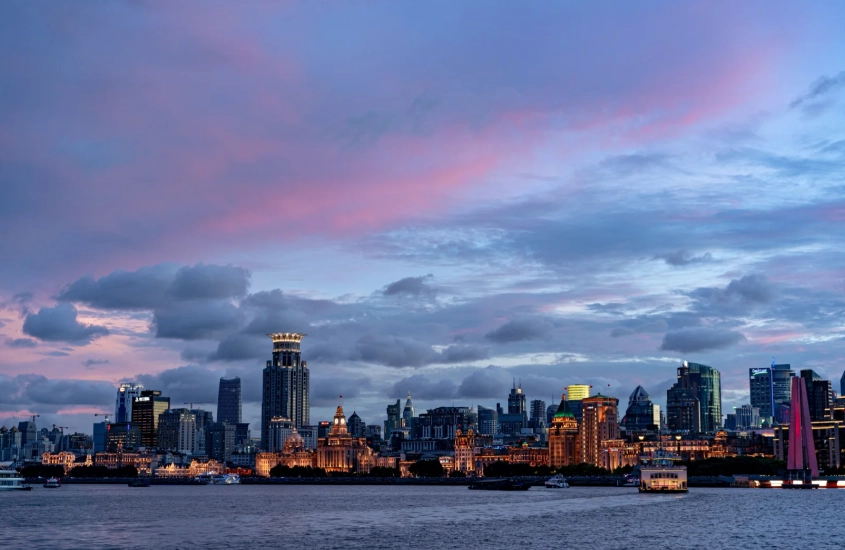
Day 2: Old Shanghai and Yuyuan
Today is about the city's Chinese heart. Yuyuan Garden (218 Anren Street, Huangpu) is a Ming-dynasty classical garden, a serene world of pavilions, rockeries, and koi ponds hidden amidst chaotic markets. Go right when it opens at 8:30 AM (ticket: 40 RMB) to enjoy it in relative peace before the tour groups descend. The adjacent Yuyuan Bazaar is a touristy shopping maze, but it's fun for the atmosphere. The zigzag bridge is a classic photo spot.
The real magic is in the surrounding Old City streets. Put away your map and get lost in the labyrinth of lanes north of the garden. You'll find traditional tea houses, shops selling Chinese musical instruments, and locals going about their day. For lunch, join the queue at Nanxiang Steamed Bun Restaurant (85 Yuyuan Road). They're famous for their soup-filled xiaolongbao. The trick is to take a small bite first, sip the hot soup, then eat the rest. It's a messy, delicious ritual.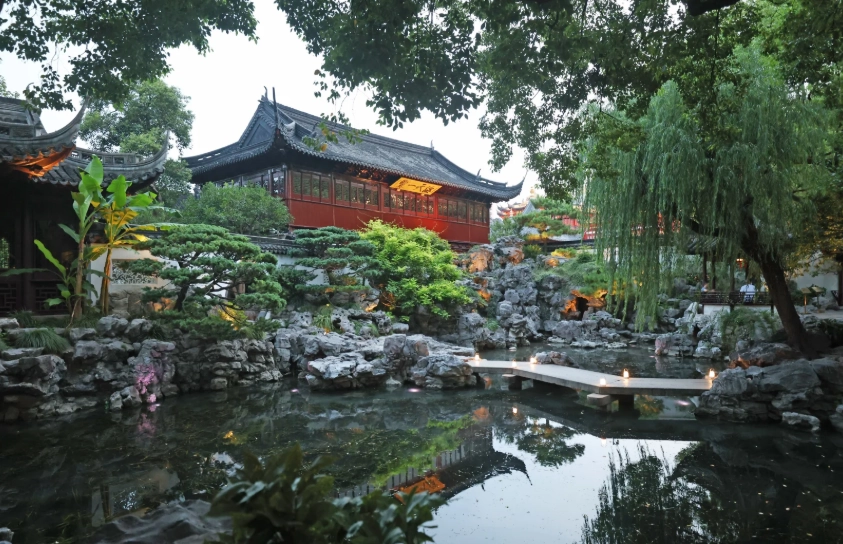
A Local's Tip: Many visitors see the crowds at Yuyuan and leave quickly. The area just west of the garden, around Wenmiao Road, feels decades older. Look for the Confucius Temple here—it's quieter and offers a more authentic glimpse into traditional community life than the main bazaar.
Day 3: Museums and People's Square
Dedicate today to understanding China's deep history. The Shanghai Museum in People's Square (201 Renmin Avenue) is world-class and free (requires online reservation). Its collection of ancient Chinese bronzes, ceramics, and calligraphy is breathtaking. I can spend hours in the ceramics galleries. The museum's layout is circular, so it's easy to navigate.
People's Square itself is a fascinating microcosm of Shanghai life. On weekends, you'll find the famous marriage market where parents post resumes for their single children. It's a unique cultural spectacle. For a late lunch, walk 10 minutes to Huanghe Road, once the city's premier food street. While much has changed, you can still find local stalwarts like Jiajia Soup Dumpling (90 Huanghe Road) – their crab roe xiaolongbao are a must-try (around 50 RMB for a basket).
In the evening, consider a cultural performance. The Shanghai Grand Theatre (300 Renmin Avenue) or the ERA Intersection of Time acrobatic show at the Shanghai Centre Theatre are both excellent options. Book tickets in advance through their official websites or a trusted platform like Trip.com.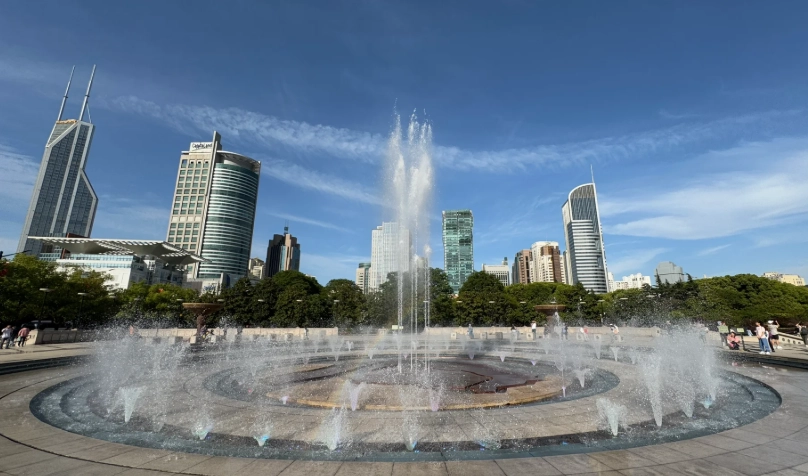
Day 4: French Concession and Tianzifang
This is my favorite area to wander. The former French Concession is defined by plane-tree-lined avenues, art-deco apartments, and a distinctly relaxed, cosmopolitan vibe. Don't just walk down Huaihai Road. Explore the perpendicular streets like Fuxing Road, Wukang Road, and Anfu Road.
Wukang Mansion (1850 Huaihai Road) is an iconic flatiron-style building. The ground floor is now filled with cafes where you can sit and admire the architecture. Further down, Tianzifang (Lane 210, Taikang Road) is a network of alleyways filled with craft shops, galleries, and cafes housed in old shikumen (stone-gate) houses. It's more intimate and less corporate than Xintiandi. It gets packed on weekends, so visit on a weekday afternoon if you can.
For dinner, the French Concession has endless options. For a memorable local experience, try Old Jesse (41 Tianping Road). It's a beloved, no-frills Shanghainese restaurant. You need to book ahead. Order their signature dishes: the crispy smoked fish, the red-braised pork, and the stir-fried rice cakes. A feast will cost about 200 RMB per person.
Day 5: Pudong and Modern Skylines
Cross the river to see Shanghai's futuristic face. You have viewing deck options. The Shanghai Tower (501 Yincheng Middle Road) has the highest observation deck in the world (118th floor, ticket ~180 RMB). The view is undeniably incredible, but you're so high that the city can look like a model. I personally prefer the Jin Mao Tower observation deck (88th floor, ticket ~120 RMB). It's lower, but the perspective feels more connected to the cityscape. The Oriental Pearl Tower is the classic symbol, but the viewing experience is often considered the most touristy.
Afterwards, explore the Shanghai World Financial Center mall or the Super Brand Mall for lunch. In the afternoon, visit the Shanghai Aquarium (if traveling with kids) or take a short metro ride to the Century Park, a massive green space where locals picnic and cycle.
Return to Pudong for the evening. The view of the Bund from this side is the mirror image of your first day and just as stunning. Have a drink at the Flair Rooftop Bar at the Ritz-Carlton (in the IFC mall) for a luxurious, up-close view of the Pearl Tower.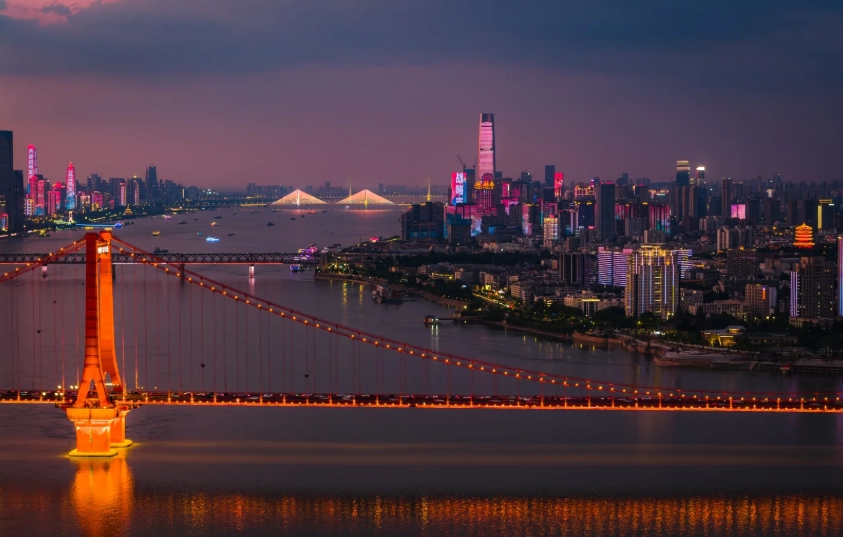
Day 6: Shopping and Local Life
Time for some retail therapy and neighborhood immersion. Shanghai's shopping is tiered.
- Luxury: Nanjing West Road (Plaza 66, CITIC Square) and the IFC Mall in Pudong.
- Mid-range & Youth Fashion: Nanjing East Road (a bustling pedestrian street), Xujiahui shopping district, and the numerous malls around People's Square like Raffles City.
- Local Markets & Finds: The Fabric Market at 399 Lujiabang Road is where you can get custom-tailored clothes made in 24-48 hours. Know what you want, be prepared to haggle, and bring a picture.
In the afternoon, escape to a local neighborhood. Take the metro to Jing'an Temple, a stunning golden temple bizarrely set amidst skyscrapers. Then, walk into the surrounding Jing'an Villas complex—a quiet, residential area with lovely 1930s architecture. For an early dinner, hit the Wujiang Road Food Street (near Nanjing West Road metro). It's a covered alley packed with stalls serving everything from Sichuan noodles to Shanghai pancakes. It's chaotic, delicious, and cheap.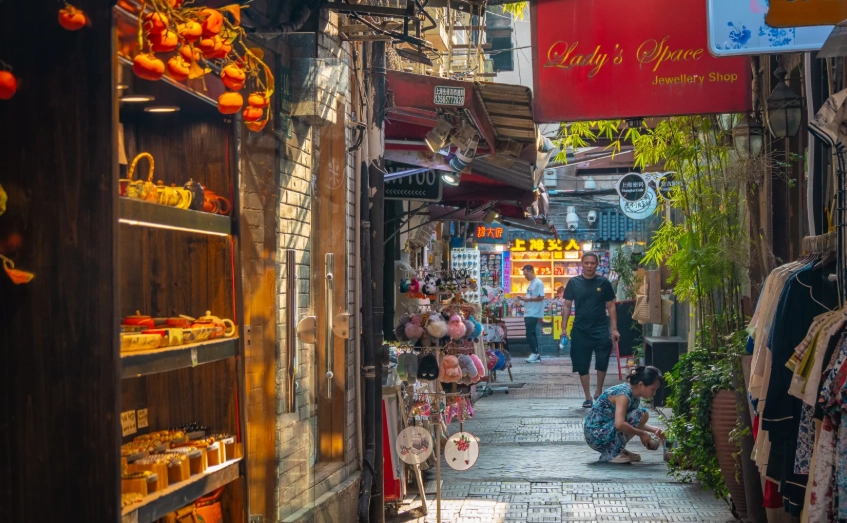
Day 7: Relaxation and Hidden Gems
Use your last day to revisit a favorite spot or explore something off-beat. Here are two relaxed options:
Option A: The M50 Art District
Take the metro to Zhongtan Road and walk to M50 (50 Moganshan Road). This complex of repurposed textile mills is now Shanghai's premier contemporary art hub, home to dozens of galleries. It's grittier and more artist-focused than the galleries on the Bund. You can easily spend half a day here. The cafe at ShanghART Gallery is a nice spot to rest.
Option B: A Riverside Stroll in the Former British Concession
Start at Waitanyuan (near the Garden Bridge at the north end of the Bund), an area of beautifully restored historical buildings. Then, walk west along the Suzhou Creek promenade. This recently developed path takes you past old warehouses turned into cafes and galleries, with views of less-seen bridges. It's peaceful and offers a different historical perspective on the city's industrial past.
For your final meal, go for something special. Fu 1088 (1088 Yuyuan Road) is set in a gorgeous old villa in the French Concession. It serves exquisite, refined Shanghainese cuisine. It's a splurge (500+ RMB per person), but a perfect farewell to the city's culinary elegance.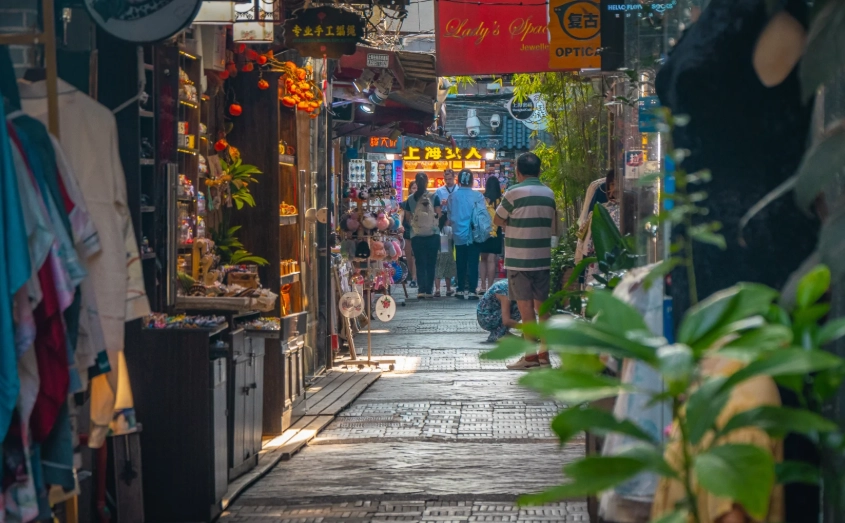
Essential Shanghai Travel Tips
To make your Shanghai week smooth, keep these in mind:
| Aspect | Key Information & Advice |
|---|---|
| Getting Around | Download MetroMan Shanghai or use Apple/Google Maps (with VPN). The subway is efficient, cheap, and signs are in English. Get a Shanghai Public Transportation Card or use the "Metro大都会" app for QR code tickets. Taxis and DiDi (Chinese Uber) are plentiful but can get stuck in traffic. |
| Payment | Cash is rarely used. You must set up Alipay or WeChat Pay with a linked foreign card before you arrive. Most places, from street vendors to museums, only accept QR code payments. International credit cards work in major hotels and some high-end restaurants. |
| Internet & VPN | Google, Facebook, Instagram, and WhatsApp are blocked. Purchase a reliable VPN service (like Astrill or ExpressVPN) before you land and test it. Your hotel Wi-Fi might have limited access to these sites, but don't rely on it. |
| Language | English is not widely spoken outside tourist hubs. Have your hotel's name and address written in Chinese. Use translation apps like Google Translate (download the offline Chinese pack) or Microsoft Translator for menus and signs. |
| Best Time to Visit | Spring (April-May) and Autumn (September-November) offer the most pleasant weather. Summer is hot, humid, and rainy. Winter can be cold and damp, but is less crowded. |
This Shanghai week itinerary balances iconic sights with local flavor, giving you a comprehensive and authentic experience. The city's magic lies in its contrasts—the quiet garden next to the buzzing market, the ancient lane shadowed by a glass tower. By pacing yourself and diving into the details, you'll leave with more than just photos; you'll have a feel for the rhythm of one of the world's great metropolises.
This guide is based on personal, repeated visits and experiences. Attraction details like opening hours and ticket prices are subject to change; always check the official website (e.g., Shanghai Museum, Shanghai Tower) for the most current information before your visit.





I travel full-time and always read a dozen guides before a trip. This one stands out for its local perspective—the author clearly lives there. The recommendations felt authentic, not copied from other blogs. That said, the layout is a bit dense; I had to re-read some sections to figure out the order of activities. A few more bullet points or a quick-reference table would help. Still, the content is solid, and I used it every single day. Four stars because of the formatting, not the substance.
If you're a food lover like me, this guide is everything. The author clearly did their homework—every single restaurant and street food stall they listed was incredible. The xiaolongbao on Day 2? The best I've ever had. Even the cheap skewer place near Yuyuan Garden had amazing flavor. I loved that they included both high-end and budget options. The only reason I'm giving 5 stars is because I genuinely can't think of a single thing I'd change. My taste buds are still thanking me!
Honestly, this wasn't what I was looking for. The guide is clearly written for someone who loves big cities, neon lights, and packed markets. But I wanted more nature—parks, water towns, maybe a day trip to Zhujiajiao that actually felt relaxed. The itinerary felt too rushed, jumping from one tourist spot to another. I ended up skipping half the suggestions and just wandering. If you're into urban exploration, it's fine, but for a balanced trip, I'd look elsewhere.
Really well put together overall! The recommended restaurants were spot-on, especially the local noodle shop near the Bund. I docked one star because I wish the guide had included more specific metro tips or a simple map for each day's route. As a solo traveler, I spent a bit too much time figuring out transfers. Still, the cultural insights and off-the-beaten-path suggestions made it worth every penny. I'd recommend it, but maybe pair it with a transit app.
This guide is an absolute goldmine! I've been to Shanghai twice before and thought I knew the city, but this itinerary totally changed my perspective. The day-by-day breakdown was so easy to follow, and the hidden breakfast spot on Day 3 (the one with the scallion pancakes) was a game-changer. My girlfriend and I used it as our bible for the whole week, and we never felt rushed or lost. Honestly, if you only read one Shanghai guide, make it this one. 10/10!