 Yan Zhou
Forget the generic travel brochures. The Shanghai Tourism Festival isn't a single event you check off a list; it's the city's energetic pulse made visible for a few weeks each autumn. It transforms Shanghai from a business hub into a sprawling, open-air celebration of its own culture, history, and frankly, its love for a good party. I've navigated the crowds, chased down the best viewing spots, and decoded the discount schemes more times than I can count. Most guides tell you it exists. This one tells you how to actually experience it without the overwhelm.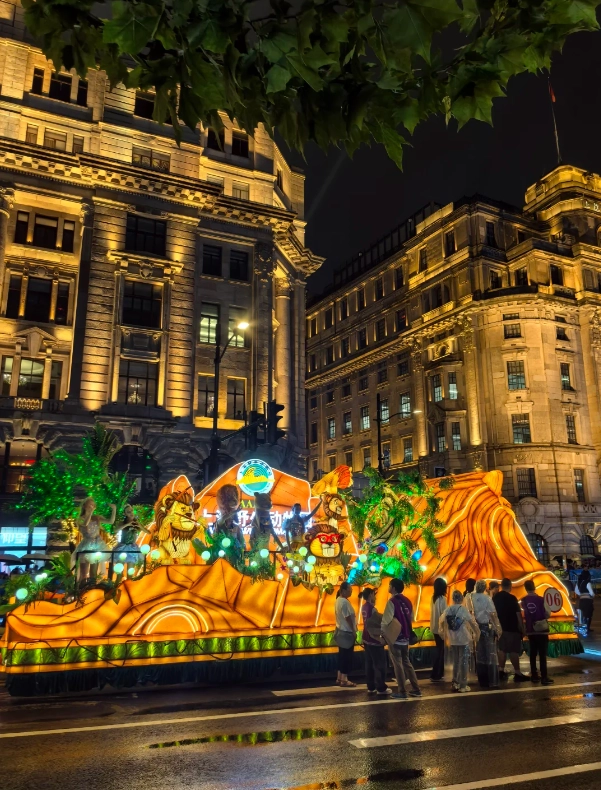
Your Festival Navigation Map
What Exactly Is the Shanghai Tourism Festival?
Launched in the early 1990s, the festival was initially a strategic move to boost off-peak tourism. It worked. Today, it's a city-wide phenomenon that stretches over several weeks, usually kicking off in mid-to-late September. The official website of the Shanghai Municipal Administration of Culture and Tourism is the definitive source for the annual schedule.
The common mistake is to think it's only about the opening day parade on Nanjing Road. That's the dazzling headline act, but the festival's body is a series of concurrent events—performances in historic districts, food fairs showcasing regional Chinese cuisines, special museum exhibitions, and significant discounts across hotels, attractions, and restaurants. It's Shanghai's way of rolling out the red carpet for everyone.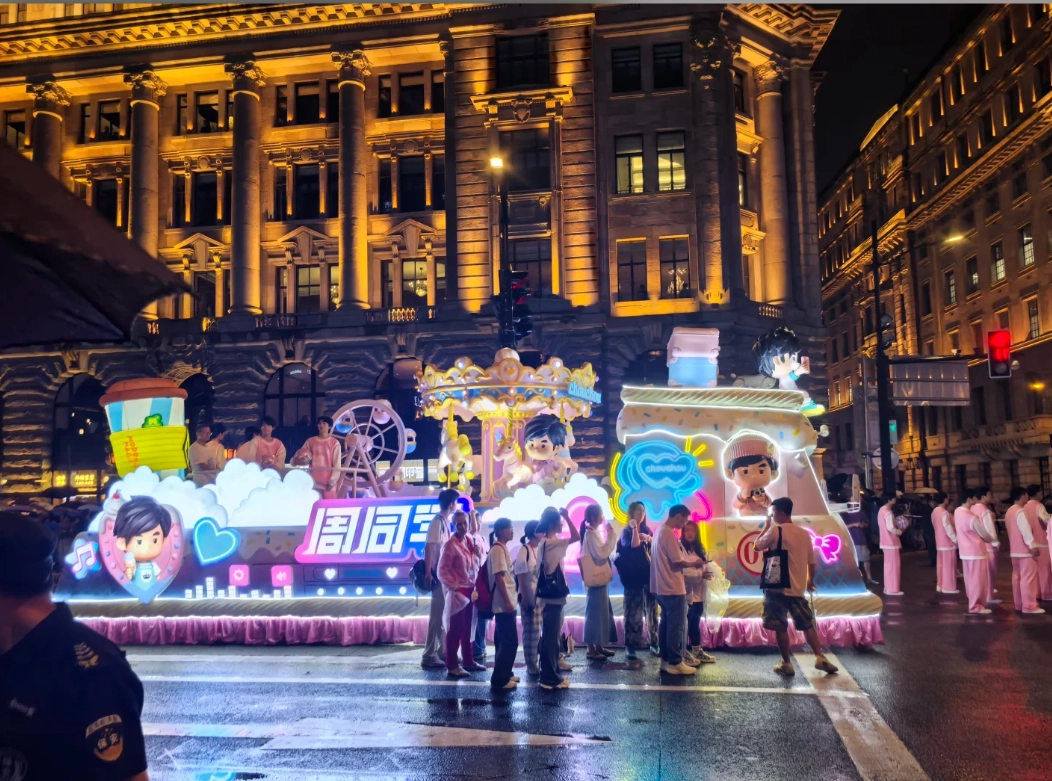
My take: The best part isn't the scheduled show. It's the spontaneous street energy. You'll find impromptu dance groups in Xintiandi, calligraphy demonstrations in quiet corners of Yu Garden, and a general sense of shared discovery among locals and visitors alike. That's the magic you won't find on any official program.
The Core Activities You Can't Miss
Let's break down where you should focus your energy. Trying to do everything is a recipe for fatigue.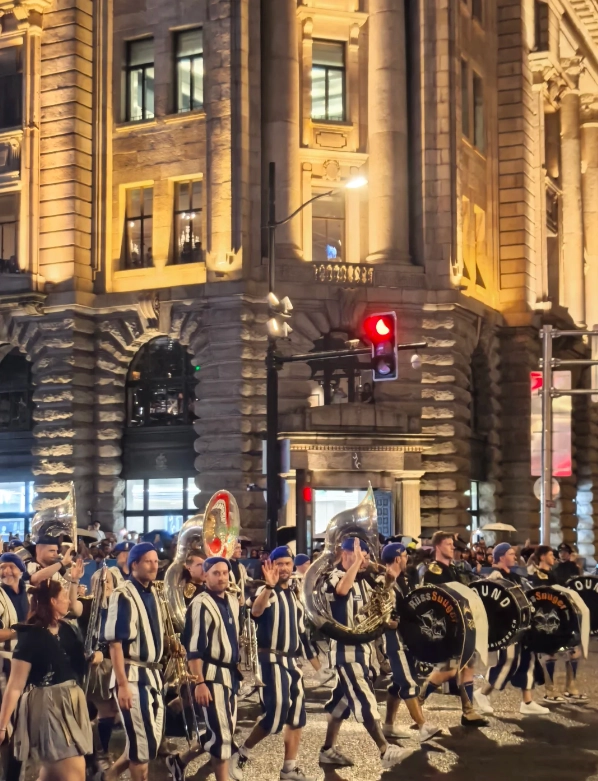
The Grand Opening Parade: A Moving Canvas
The parade along the Nanjing Road Pedestrian Street is the iconic centerpiece. Massive, intricately designed floats representing different Chinese provinces and international themes glide down the street, accompanied by thousands of performers in vibrant costumes. I've watched it from the curb, from a hotel window, and from a paid seating area. The energy at street level is electric—you feel the drums in your chest—but you see very little if you're not at the front. The floats are tall, so a raised vantage point changes everything.
Cultural Performances in Unique Venues
This is where the festival gets interesting. Traditional opera snippets might be performed in the courtyard of the Jing'an Temple. Acrobatic troupes from Shanghai Circus World might set up in the open space near the Bund. The locations are as important as the acts. One year, I caught a haunting Guzheng (Chinese zither) performance inside the quiet lobby of the historic Peace Hotel, a contrast that made it unforgettable. Check the schedule for events at places like Zhujiajiao Water Town or the former French Concession—the setting amplifies the art.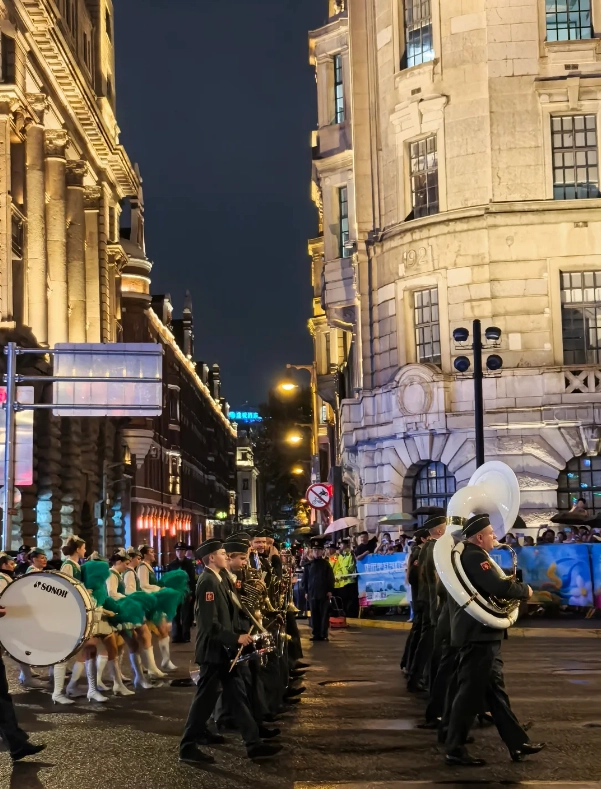
The Food & Drink Scene
Restaurants across the city participate with special festival menus or discounts. But the real action is at temporary food fairs. Look for the "International Food Festival" often held in places like Greenland Bund Center. Dozens of stalls sell everything from Shanghai's famous soup dumplings (Xiaolongbao) to spicy Sichuan noodles and Turkish kebabs. A pro tip: The lines for the most popular local stalls are shortest right when the fair opens at 11 AM. By 1 PM, it's a packed, joyful chaos.
Shopping & Hotel Discounts
This is a tangible benefit often overlooked by tourists. Major shopping malls like Plaza 66, IAPM, and Super Brand Mall launch coordinated sales. More importantly, many four- and five-star hotels offer significant room rate discounts or inclusive packages. I once booked a river-view room at a Pudong hotel for nearly 40% less during the festival period. It pays to check their websites directly or through the festival's official promotional partners.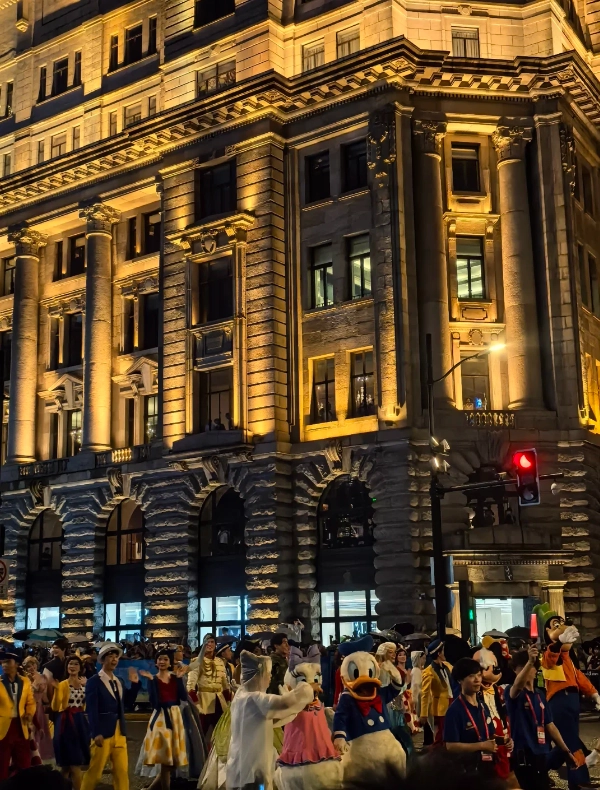
A Practical Guide: Getting There, Tickets, and Viewing
This is the nitty-gritty that separates a smooth experience from a frustrating one.
| Event / Aspect | Key Details & Personal Advice |
|---|---|
| Opening Parade | Location: Nanjing Road Pedestrian Street (East-West). Time: Evening (exact time varies). Access: Free for standing areas along the street. My Advice: Arrive at least 2-3 hours early to secure a front-row curb spot near a cross street for easier exit. Or, book a room at a hotel like the Swissôtel Grand Shanghai or Radisson Blu that overlooks the route—call them to confirm the view. |
| Metro Access | Stations near Nanjing Road (People's Square, Nanjing East Road) will be extremely crowded and sometimes exit-only on parade night. Use Station: Henan Road Middle (Line 10) as an alternative and walk 10 mins north. It's less chaotic. |
| Paid Seats | A limited number of grandstand seats are sold. They sell out instantly online. If you miss out, don't stress. The free viewing is part of the communal experience. |
| Other Event Tickets | For performances at venues like Shanghai Grand Theatre or cultural shows, purchase tickets through official platforms like Damai.cn or the venue's own website. Festival period shows are popular. |
| Weather & What to Bring | Early autumn can be warm or drizzly. Dress in layers. For street viewing, bring a small foldable stool—it's a game-changer. A portable phone charger is non-negotiable. |
How to Plan Your Festival Itinerary
Here’s a sample three-day plan based on what I’ve found works well, balancing festival highlights with classic Shanghai.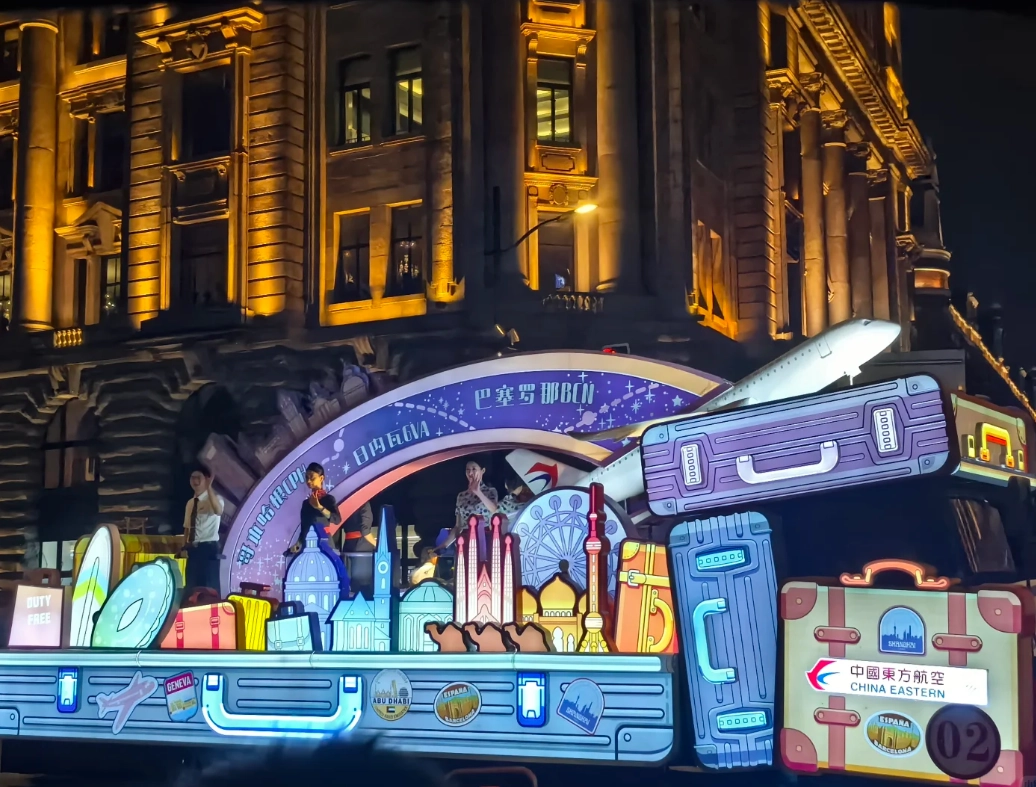
Day 1: The Grand Opening Immersion
Focus entirely on the parade. Spend the late afternoon exploring the side streets off Nanjing Road, have an early dinner at a local restaurant (try Jia Jia Tang Bao for soup dumplings), then claim your parade spot. After the parade, the energy lingers—join the crowd strolling down to the Bund to see the skyline lit up.
Day 2: Culture & Cuisine
Visit Yu Garden and the Old City in the morning. During the festival, you'll often find extra cultural demonstrations here. In the afternoon, head to an International Food Fair. In the evening, attend a scheduled festival performance, perhaps a modern Chinese dance show at the Shanghai Oriental Art Center in Pudong.
Day 3: Neighborhoods & Shopping
Explore the former French Concession (Fuxing Park, Sinan Mansions). Many boutiques and cafes here have festival promotions. Later, use those shopping discounts at a major mall like Plaza 66. Cap the night with a Huangpu River cruise—many have special festival commentary or decorations.
Beyond the Spectacle: The Real Cultural Experience
If you only see the parade and leave, you've missed the point. The festival's deeper value is its accessibility. It temporarily removes the velvet rope from parts of Shanghai's cultural life.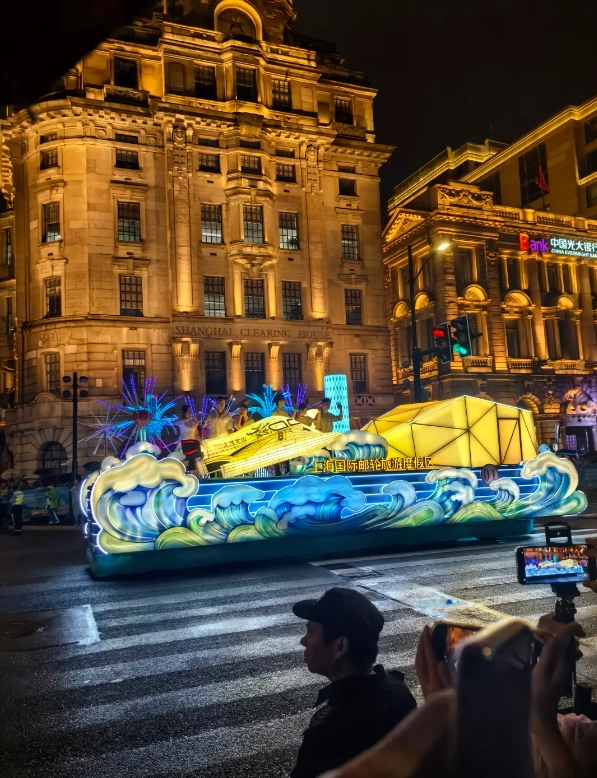
I remember stumbling upon a free Huqin (Chinese violin) workshop for kids in Jing'an Sculpture Park. The parents watching were as engaged as the children. Another time, a normally private historical villa on Wukang Road opened its doors for free guided tours. These moments reveal a city confident and eager to share its layers.
The festival also acts as a catalyst for exploring less-heralded districts. Events are held in Hongkou, Putuo, and Yangpu, drawing visitors into communities they might otherwise skip. It’s a chance to see Shanghai not as a monolithic metropolis, but as a collection of vibrant, distinct neighborhoods.
Your Shanghai Tourism Festival Questions Answered
The Shanghai Tourism Festival is an invitation to engage with the city on its most celebratory terms. It's chaotic, colorful, and deeply communal. With this guide, you're not just attending; you're strategically participating. You'll know where to stand, what to prioritize, and how to uncover those authentic moments between the scheduled spectacles. That's how you move from being a spectator to becoming part of the festival's story.
This article is based on first-hand experience and cross-referenced with official sources from the Shanghai Municipal Administration of Culture and Tourism.





The nighttime atmosphere was magical—the festival really shines after dark. We caught the acrobatic show near People's Square and it was world-class. The only downside was the public transport: the metro was still running but the station was chaos, and finding a taxi back to our hotel took nearly an hour. The event officially ended at 10:30 PM, but people lingered, which was nice. If they sort out the exit logistics, it'd be a perfect night out.
Honestly, I was expecting more. The weather was super humid (unlucky day, maybe), but the organization felt messy. Some of the parade entries were cancelled last minute without any announcement, and the 'surprise' fireworks turned out to be a small display that lasted 3 minutes. The food stalls were overpriced—¥50 for a tiny box of tanghulu? No thanks. I've been to better street fairs in smaller cities. For a 'city's biggest celebration', this fell flat.
Great event overall, but be prepared for crowds. We went on a Saturday evening and it was packed—shoulder-to-shoulder on the main street. The light installations along the Huangpu River were beautiful, especially the dragon-shaped lanterns. The free live music was a highlight, but waiting 25 minutes for a grilled skewer was a bit much. Still, I'd recommend it if you have patience and comfortable shoes.
Came for the food, stayed for the vibe. The festival's food street near Yuyuan Garden was a paradise—xiao long bao, sheng jian, and even a bubble tea stall with crazy toppings. The cooking demo by a local chef was hilarious and tasty. My only regret is not having a bigger stomach. The cultural performances on the side stage were a nice bonus. This is how you celebrate a city!
Absolutely blown away by the Shanghai Tourism Festival! The parade floats were stunning, with LED lights and dancers that felt straight out of a fantasy. The energy on Nanjing Road was electric—crowds singing, laughing, and taking photos everywhere. We grabbed some street food (the scallion pancakes were divine) and ended the night watching a drone show over the Bund. If you're in Shanghai in September, this is a must-do. 10/10!