 Ming Yang
What You'll Find Here
- Why the Monk Debating Is a Must-See
- What Time Does the Debating Session Start?
- Where to Stand for the Best View (and Escape the Crowds)
- How to Get to Sera Monastery in Lhasa
- What to Expect During the Debating – A First-Hand Account
- Tips for Photographers and Visitors
- Common Mistakes to Avoid
- Frequently Asked Questions (FAQ)
I’ve led dozens of small groups to Lhasa, and every single time, the moment that stops people in their tracks is the Sera Monastery monk debating. Not the gold roofs, not the thangka paintings – but the raw, theatrical, almost comical sound of monks slapping their hands and shouting philosophical arguments across a courtyard. It’s loud, it’s chaotic, and it’s surprisingly addictive to watch. Here is everything I’ve learned after countless visits – the timing, the best spot, and the small quirks that make this experience unforgettable.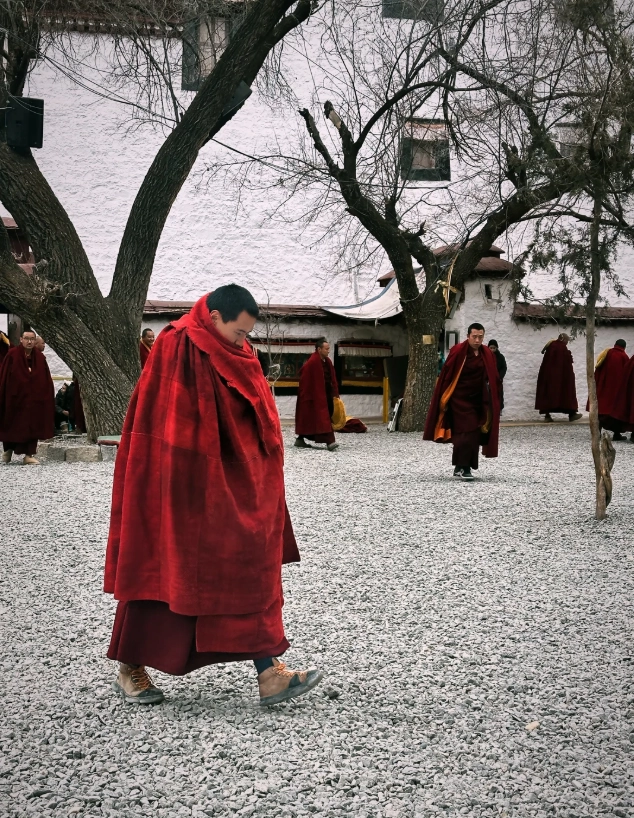
Why the Monk Debating at Sera Monastery Is a Must-See
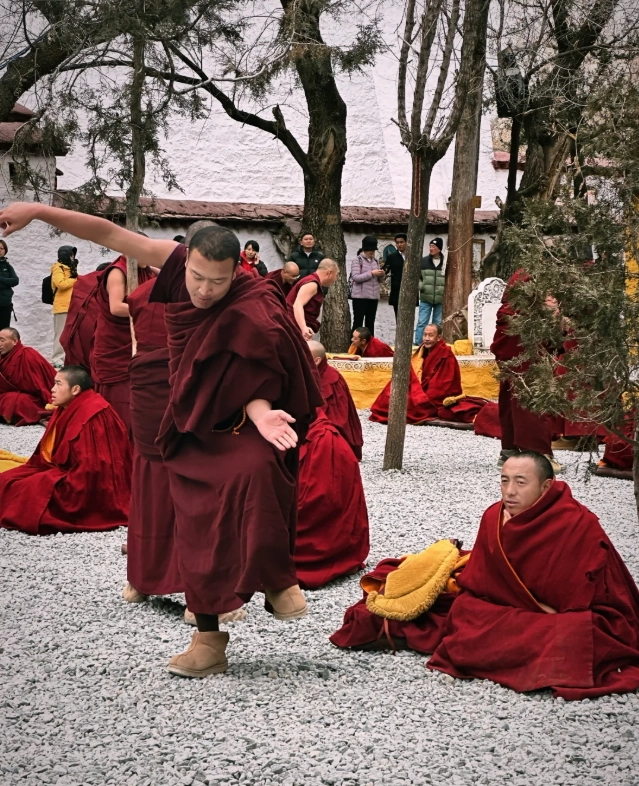
This isn’t just some tourist show. The debating tradition at Sera Monastery dates back over 600 years. Monks gather in the afternoon to sharpen their understanding of Buddhist texts through rigorous debate. Each exchange involves a “challenger” who stands and a “respondent” who sits. The challenger punctuates his arguments with a loud clap – one hand slaps the other – to demand attention and mark the rhythm of logic. It’s part performance, part intellectual duel. You don’t need to understand Tibetan to feel the energy. The hand gestures, the raised voices, the sudden pauses – it’s universal theatre.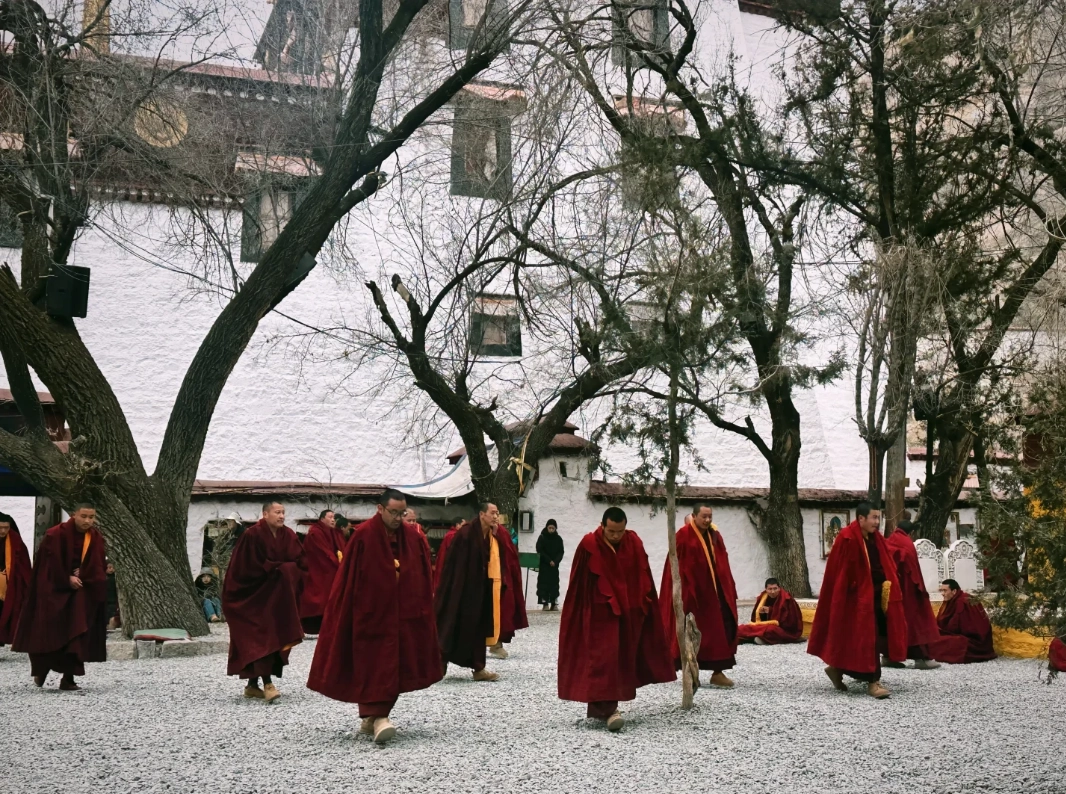
What Time Does the Debating Session Start? (Best Times to Visit)
The debating sessions are held daily from around 3:00 PM to 5:30 PM, but the exact start can drift by 15–20 minutes depending on the day. Here’s the thing: the monks don’t operate on a strict clock. They arrive gradually, and the full roar begins around 3:30 PM. I always tell my groups to grab lunch first, then head to Sera at 2:30 PM. That gives you time to explore the quiet monastery grounds before the debating starts.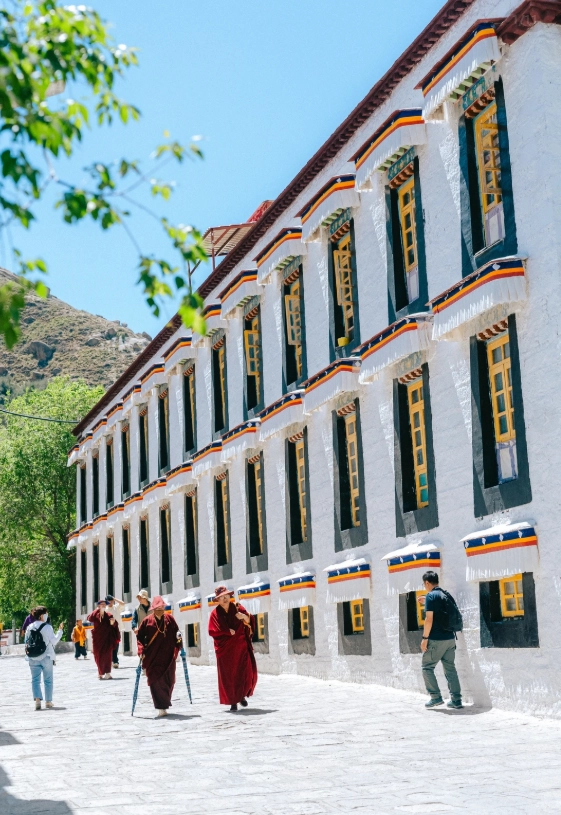
| Detail | Information |
|---|---|
| Typical Time | 3:00 PM – 5:30 PM (peak intensity ~3:30 PM – 5:00 PM) |
| Days | Daily (except during special ceremonies, e.g., Monlam Prayer Festival; check local calendar) |
| Best Arrival | 2:30 PM to secure a good viewing spot |
| Duration of Session | About 2–2.5 hours, but you can stay as long as you like |
Where to Stand for the Best View (and Escape the Crowds)
There is one main courtyard – the Debating Courtyard (Chöra) – just inside the entrance of the monastery compound. In peak season (June–October), it gets packed. I’ve seen tourists three rows deep craning their necks. Here is my secret spot: the stone steps on the north side of the courtyard. Climb up about ten steps and you’ll have a slightly elevated view of the whole action. The monks tend to cluster in the shade of the trees, so you can also stand near the eastern wall – fewer people go there because they assume the centre is best. It’s not. The eastern wall gives you a diagonal view where you can see both the clappers and the sitters.
☀️ Light warning: The afternoon sun blazes directly into the courtyard from the west. If you stand on the west side, you’ll be squinting and your photos will be backlit. The north steps keep the sun behind you.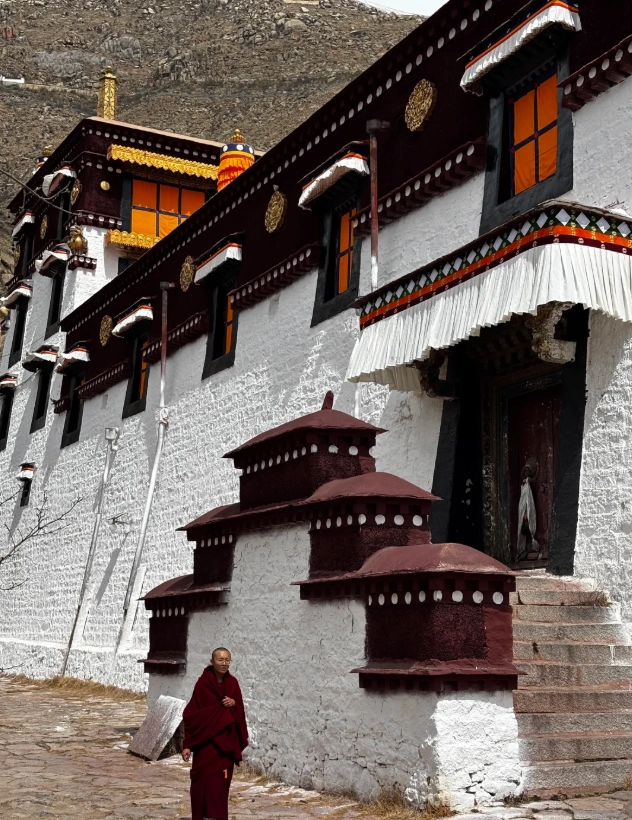
How to Get to Sera Monastery in Lhasa
Address: Sera Monastery, North Suburb of Lhasa, Tibet. Entrance fee: 50 CNY (about 7 USD) – cash only! They don’t accept cards, and I’ve seen travelers have to run to an ATM. Important: No online reservation needed – just queue at the ticket window (usually fast).
| Transport | Details |
|---|---|
| Taxi / Didi | From central Lhasa (e.g., Barkhor Street) about 20–30 CNY, 15 minutes. Tell driver “Sera Si” (色拉寺). |
| Bus | Take bus 6, 16, 24, or 25 to “Sera Monastery” stop. Buses run from 7 AM–8 PM. Fare 1–2 CNY, exact change only. |
| Walking? | Not recommended – it’s about 5 km from the city centre, mostly uphill. |
What to Expect During the Debating – A First-Hand Account
The first time I walked into that courtyard, I was hit by a wall of sound. About a hundred monks, divided into small circles, are all clapping and shouting at the same time. It sounds like a dozen heated arguments happening simultaneously – except it’s all friendly. The monks wear maroon robes, and some have their upper body bare despite the cool Lhasa afternoon. The clap is sharp and loud – it’s not a gentle pat. It’s designed to jolt the opponent’s attention.
Here’s a detail most guides miss: the clap has two parts. First, the monk swings his right hand back, then slaps it into the left palm, and simultaneously stamps his right foot. It’s a three-part motion – slap, stomp, and a verbal “Ta!”. I’ve seen tourists jump at the sound. After a few minutes, you get used to the rhythm and start noticing the logic: the challenger poses a question, the respondent answers, the challenger counter-argues with another clap. It’s fast, and you can see the concentration on their faces.
One thing that surprised me: monks sometimes laugh or smirk when a point is cleverly refuted. It’s not all serious – there’s genuine joy in the exchange. I once watched a young monk make a witty comeback that made the whole circle burst into laughter. That’s the human side you don’t read about.
Tips for Photographers and Visitors
- Use a telephoto lens (70–200 mm) to capture facial expressions without intruding. Monks are used to cameras, but don’t stick your lens in their face.
- Respect the no-photo zones: Inside the main assembly hall, photography is strictly prohibited. The courtyard is fine, but avoid flash.
- Silence your phone. The sound of a ringtone is jarring. Monks won’t react, but other visitors will glare at you.
- Dress modestly: Shoulders and knees covered. This is still a functioning monastery, not a theme park.
Common Mistakes to Avoid
1. Arriving too early. If you come at 1 PM, the monks are having a break. You’ll see empty benches. Come after 2:30 PM.
2. Leaving too soon. Many tourists come for 10 minutes, take a few photos, and leave. The debates build in energy over the first hour. Stay until at least 4:30 PM to see the most intense exchanges.
3. Forgetting sun protection. Lhasa sits at 3,650 meters. The UV is brutal. Even on a cloudy day, I’ve seen people get sunburned within 30 minutes. Bring sunscreen, sunglasses, and a hat.
4. Touching the monks or their texts. Don’t touch their prayer beads, books, or robes. Keep a respectful distance of at least 1 meter.
5. Assuming this is a “show”. These monks are genuinely studying. Don’t walk between two monks who are debating – that’s rude. Walk around the perimeter.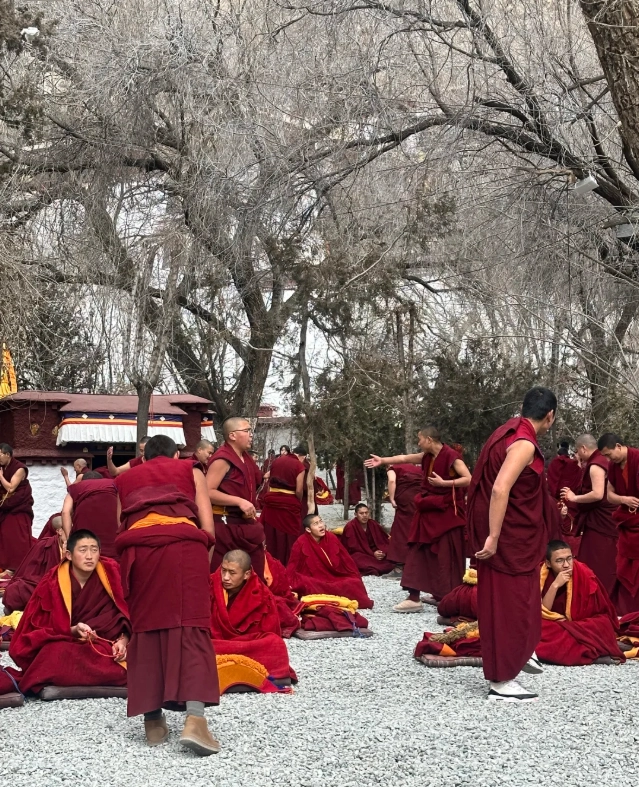
Frequently Asked Questions (FAQ)
Verified and fact-checked by the editorial team. This content has been fact-checked to ensure informational precision.






No comments yet.