 Hong Ma
The scent hit me first—not the usual street food grease, but something earthy, fragrant, and deeply comforting. I was standing at the foot of Yaowang Mountain (Medicine King Mountain), where the legendary physician Sun Simiao once gathered herbs, and the local women were stirring massive black cauldrons of soup. "This one is for qi," one vendor said, pointing to a broth simmering with astragalus root and goji berries. "That one helps with sleep." I wasn't just looking for lunch; I'd stumbled into a thousand-year-old tradition of food as medicine. Forget the sterile, overpriced tourist restaurants. The real soul of Shaanxi's cuisine here is in these humble, herb-infused broths, the chewy hand-pulled noodles, and the unassuming stalls where locals have been eating for generations. This guide isn't about fancy dining; it's your key to eating authentically, healthily, and memorably around Yaowang Mountain.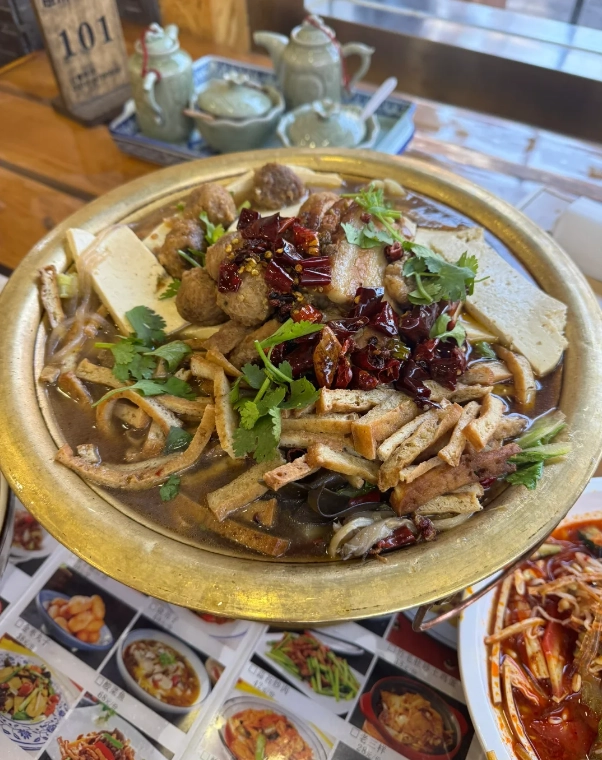
Your Bite-Sized Guide to Yaowang Mountain Eats
The Foundations of Herbal Cuisine
You can't talk about food here without understanding yàoshàn (药膳), or medicinal cuisine. It's not about bitter potions. It's the subtle art of incorporating mild, food-grade herbs and ingredients like Chinese yam, lotus seeds, dried longan, and various roots into everyday cooking to promote balance. The broths are clear, not oily. The flavors are layered—savory first, then a lingering sweet or slightly bitter aftertaste from the herbs. Locals swear by it for everything from boosting energy after a hike to soothing a dry throat. Don't expect a clinical explanation on the menu; this wisdom is passed down. The old man slurping noodles next to you isn't just having breakfast; he's doing his daily maintenance.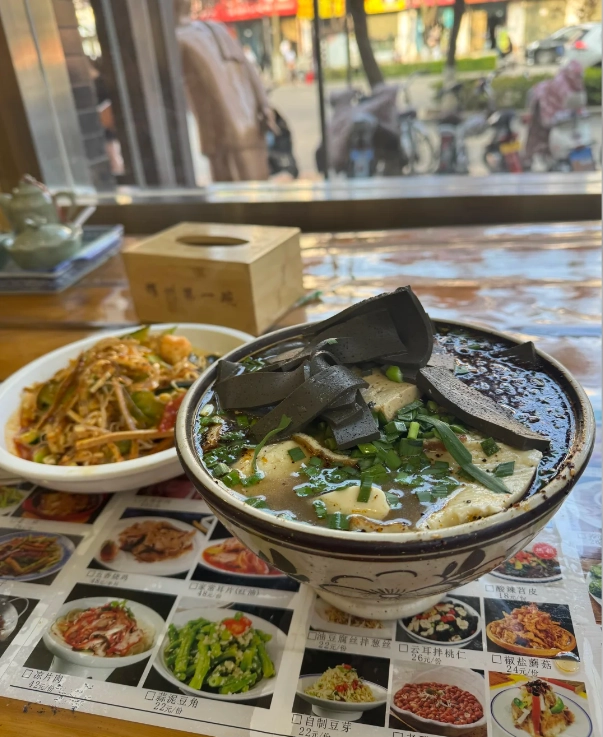
Local Insight: The best yàoshàn places are often the simplest. Look for spots with a row of steaming pots out front and a clientele that skews older. If you see grandmas ordering, you're in the right place.
Must-Try Dishes & Where to Find Them
Here’s where your taste buds should be headed. I've focused on spots you can actually walk to or grab a short taxi ride for.
Top Pick: Medicinal Mutton Soup with Pancake (药膳羊肉泡馍 Yàoshàn Yángròu Pàomó)
This is the undisputed king. You're given a bowl of rich, herb-infused mutton broth and a flat, dense pancake. The ritual is to tear the pancake into tiny, peanut-sized pieces—this takes patience and is a social activity. The pieces are then returned to the kitchen, stewed briefly in the broth, and served back to you. The result is a hearty, aromatic stew. The mutton is fall-apart tender, the broth is complex with hints of ginger and angelica root, and the pancake bits soak up all the flavor without turning to mush.
My Go-To Spot: "Lao Wang Jia" (no English sign), a 15-year-old hole-in-the-wall at the eastern end of the main street leading to the mountain scenic area entrance. The address is roughly 28 Yaowang Road. The tiles are worn, the plastic stools are mismatched, but the soup is phenomenal. The owner, Wang, speaks no English but will smile and demonstrate how to tear the pancake if he sees you struggling.
- Must-order: The standard Mutton Soup with Pancake.
- Flavor: Savory, deeply umami, with a warm herbal finish. Not spicy.
- Hygiene: Basic but acceptable. You see the open kitchen, and it's busy, so ingredients are fresh.
- Cost: About 35 RMB per bowl (~$4.80 USD). More than enough for a meal.
- Hours & Wait: 7:00 AM – 7:00 PM. Busiest at lunch (12-1:30 PM). A 10-15 minute wait during peak times is normal.
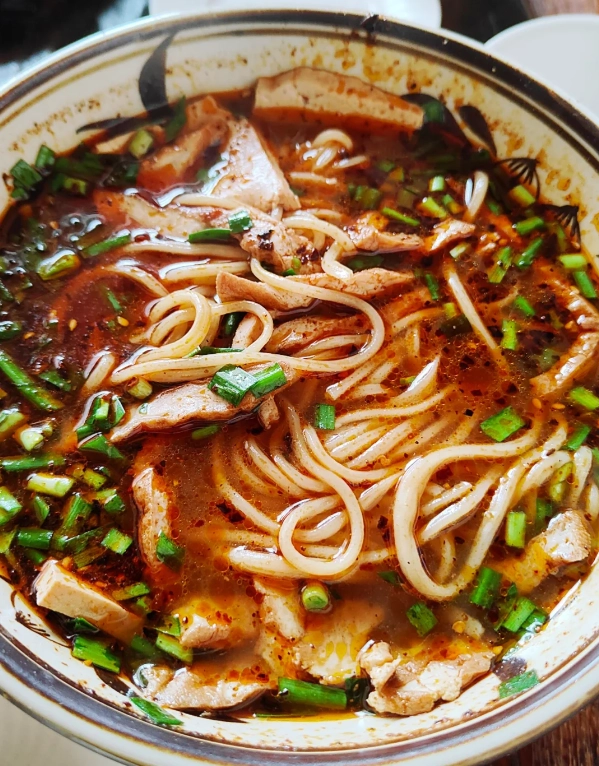
The Noodle Star: Hand-Pulled Noodles in Herbal Beef Broth (药膳牛肉拉面 Yàoshàn Niúròu Lāmiàn)
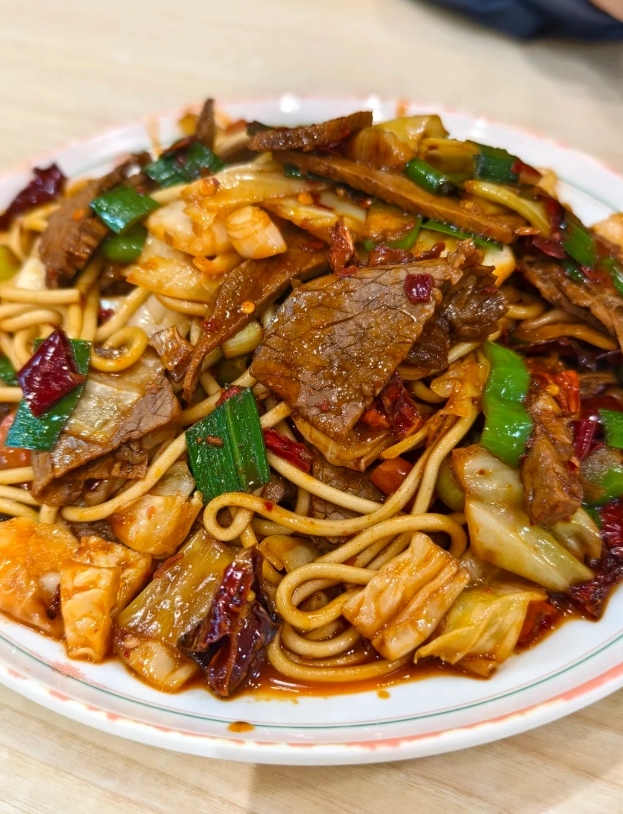
While Lanzhou is famous for beef noodles, the Yaowang Mountain version has a distinct personality. The broth is lighter, clearer, and infused with warming spices like star anise and cinnamon, designed to complement the beef. The noodles are pulled to order—you can hear the slap of the dough against the counter. Ask for "kuān miàn" (wide noodles) for a chewier, more satisfying texture.
The Shop: "Xīnfǎng Miànguǎn" near the market on Bei Guan Street. It's a single room with about six tables. Don't be put off by the bare-bones decor; the skill here is in the pull.
- Flavor: Clean, beefy, aromatic. You can add chili oil (làzi) on the side.
- Cost: 18-25 RMB (~$2.50-$3.50 USD).
- Tip: Watch the noodle master for a minute before you order. It's a performance.
The Sweet Finish: Hawthorn Cake (山楂糕 Shānzhā Gāo)
Sold by street vendors with glass carts, these are bright red, jelly-like cakes made from hawthorn berries, sugar, and agar. Hawthorn is used in TCM to aid digestion—perfect after a heavy meal. It's tart, sweet, and slightly grainy in texture. A refreshing palate cleanser.
Where to find: Any vendor circling the main plaza. Usually 5 RMB (~$0.70) for a piece.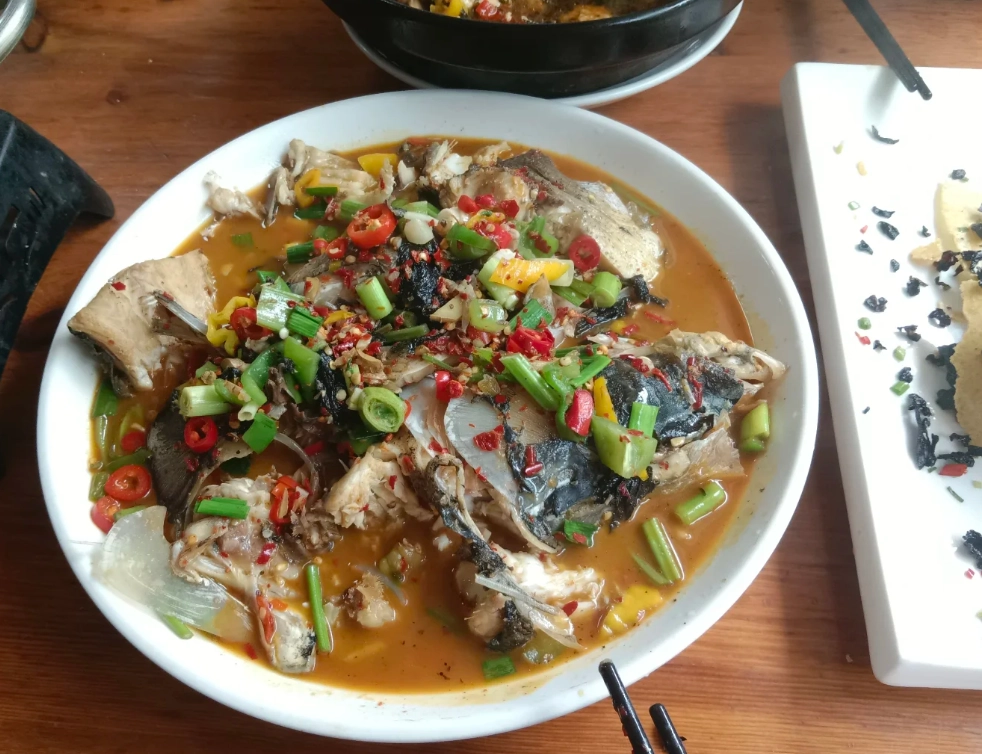
| Dish (English/Pinyin) | Key Flavors | Best For | Approx. Price (USD) |
|---|---|---|---|
| Medicinal Mutton Soup / Yàoshàn Yángròu Pàomó | Savory, herbal, hearty | A filling, restorative meal | $4 - $5 |
| Herbal Beef Noodles / Yàoshàn Niúròu Lāmiàn | Clean, aromatic, beefy | Quick, warming lunch | $2.5 - $3.5 |
| Hawthorn Cake / Shānzhā Gāo | Tart, sweet, jelly-like | A digestive aid & snack | $0.7 |
| Stir-fried Wild Vegetables / Qīngchǎo Yěcài | Earthy, garlicky, fresh | A healthy green side | $3 - $4 |
How to Order Like a Local
Menus can be daunting. Here’s your cheat sheet.
- Pointing is a universal language. See something on another table that looks good? Walk over, smile, and point. Say "Wǒ yào zhège" (I want this). It works 99% of the time.
- Master the spice level. "Bú yào là" (Don't want spicy). "Wēi là" (Mildly spicy). "Yào là" (Want spicy). For the herbal soups, I recommend trying them without chili first to appreciate the subtle flavors.
- Cash is still king in these small stalls. Have small bills (5, 10, 20 RMB) ready. Some places now have Alipay/WeChat Pay QR codes, but don't count on it.
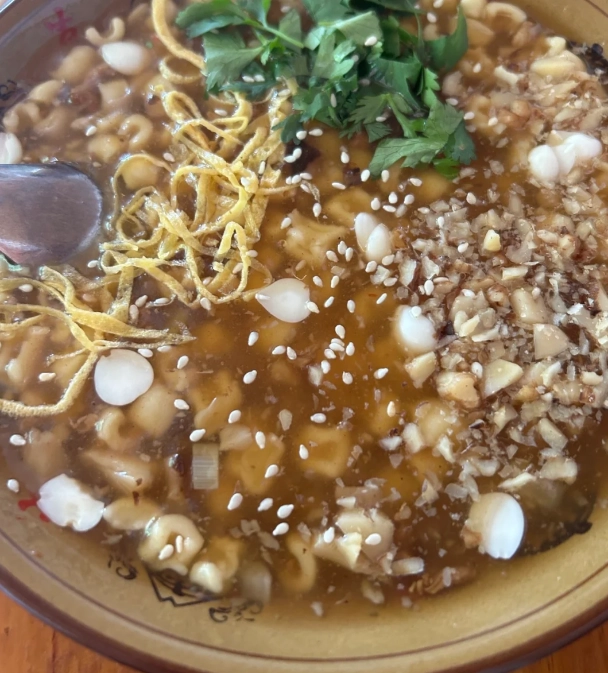
One Tourist Trap to Skip: The large, brightly lit restaurant directly opposite the main ticket office with the elaborate English menu and pictures. The food is overpriced, bland, and lacks the character of the smaller shops just a few streets away. The herbal soup there tasted like salty water compared to Lao Wang Jia's.
A Street Food Safari Beyond the Mountain
Venture into Tongchuan city proper, a short drive away, for a different vibe. The night market on Zhengyang Road is where locals unwind. The air is thick with smoke from grills. You must try the Roujiamo, Shaanxi's answer to a burger. The flatbread is baked in a clay oven until crisp, then stuffed with finely chopped, stewed pork seasoned with cumin and pepper. The one from "Lao Li Jia" stall (third from the left entrance) is legendary—juicy, fragrant, and messy in the best way. Costs about 12 RMB (~$1.70). Also, look for liangpi (cold skin noodles), a refreshing, chewy noodle dish with a tangy, garlicky sauce and a dollop of chili oil. Perfect for a warm evening.
Practical Tips for Your Culinary Journey
- Water: Do not drink tap water. Always buy sealed bottled water. Even locals boil tap water before drinking.
- Chopsticks: Struggling? It's perfectly fine to ask for a fork ("chāzi"). No one will bat an eye. For noodles, a spoon and fork combo works wonders.
- Hygiene: Carry hand sanitizer. Use the packaged, disposable chopsticks provided. If a place looks visibly dirty or has no customers, trust your gut and move on.
- Dietary Restrictions: Vegetarianism is tricky, as broths are often meat-based. Your best bet is explicitly stating "Wǒ chī sù" (I eat vegetarian) and pointing to stir-fried vegetable dishes or asking for noodles in plain broth.
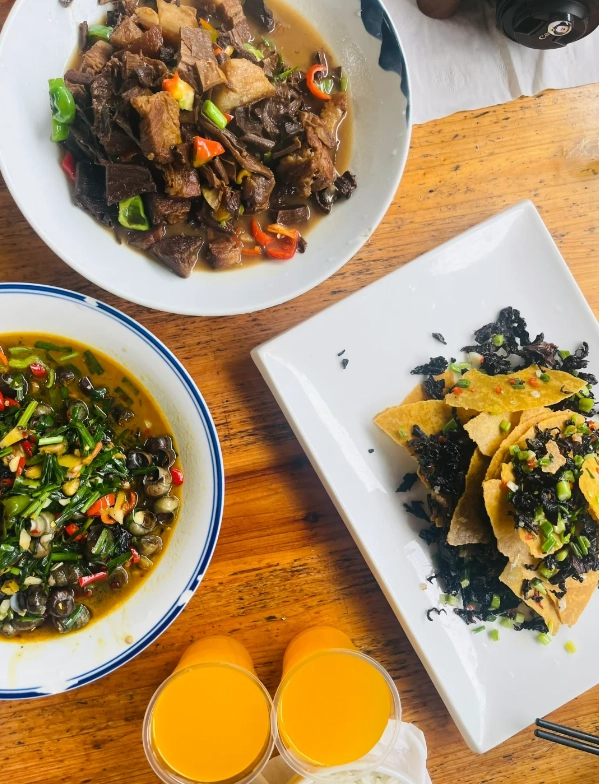
Your Food Questions, Answered
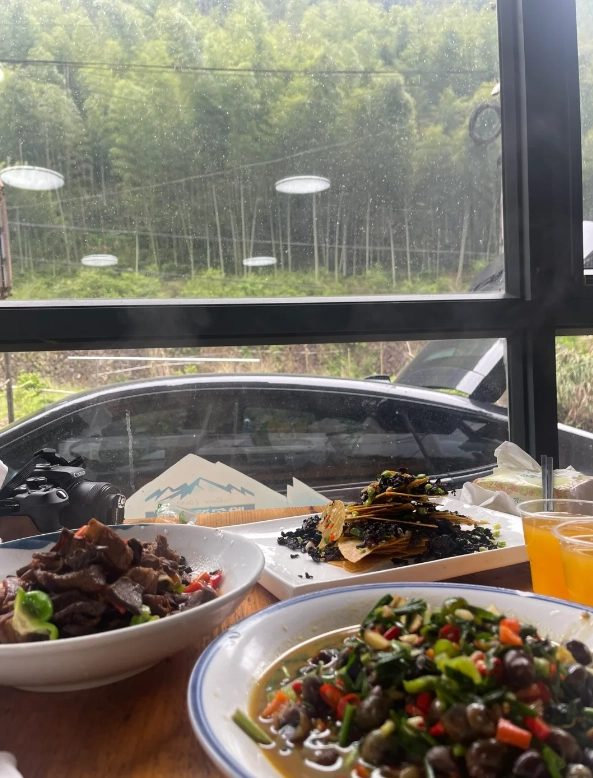 What if I can't handle spicy food at all?
The food around Yaowang Mountain is a direct conversation with the land and its history. It’s humble, purposeful, and deeply satisfying. Skip the generic tourist menus. Tear that pancake, slurp those herbal noodles, and let your meal be part of the adventure. You won't just leave full; you might just leave feeling a little better than when you arrived.
This article is based on personal, repeated visits and has been fact-checked for location accuracy and current pricing.





This guide completely transformed my trip. I stumbled upon a tiny noodle shop that wasn't even in the main section but mentioned in a side note - the owner's mother’s recipe for turmeric chicken soup was insane. The broth had layers of ginger and goji berry, and the noodles were hand-pulled right in front of me. The atmosphere was buzzing with locals. Genuinely the highlight of my entire mountain visit. Can't recommend enough.
5 stars without hesitation! I followed the Yaowang Mountain Food Guide step by step and every single recommendation was a winner. The steamed buns stuffed with medicinal herbs and minced pork were fluffy and fragrant. The sticky rice cake from the morning market stall was the perfect sweet treat. Everything was fresh, affordable, and bursting with flavor. A food lover's paradise!
Absolutely incredible! The herbal lamb soup was the best thing I've eaten in years - rich, aromatic, and so comforting after a morning hike. The guide led me straight to this family-run spot tucked away near the temple. The owner even explained which herbs were used and their health benefits. Felt like a real local experience. Already planning my next trip just for this bowl.
Decent experience overall. The braised pork with angelica root was unique and pretty tasty, but the soup base was a bit too salty for my liking. The guide's recommendation to pair it with the wild vegetable salad was spot on though. Service was friendly but slow because it was packed. Would give it another shot, but I'd skip the tea drink next time - not worth it.
I really wanted to love this place after reading the guide, but honestly the herbal stew was way too bitter and the portion was tiny for the price. The guide made it sound like a must-try, but I left feeling disappointed. Maybe I just ordered the wrong dish? The local snack stall suggested in the guide was closed when I got there too. Not the best day.
Decent spot if you’re already on the mountain. I ordered the herbal beef noodle soup and a side of pickled mountain vegetables. The broth was rich and comforting, though the beef was a little tough. The pickled veg was the real star—tangy and crunchy. It’s a bit touristy for my taste (lots of photo-taking groups), but the food is honest and the prices fair. Would give 3.5 if I could, but rounding up to 4.
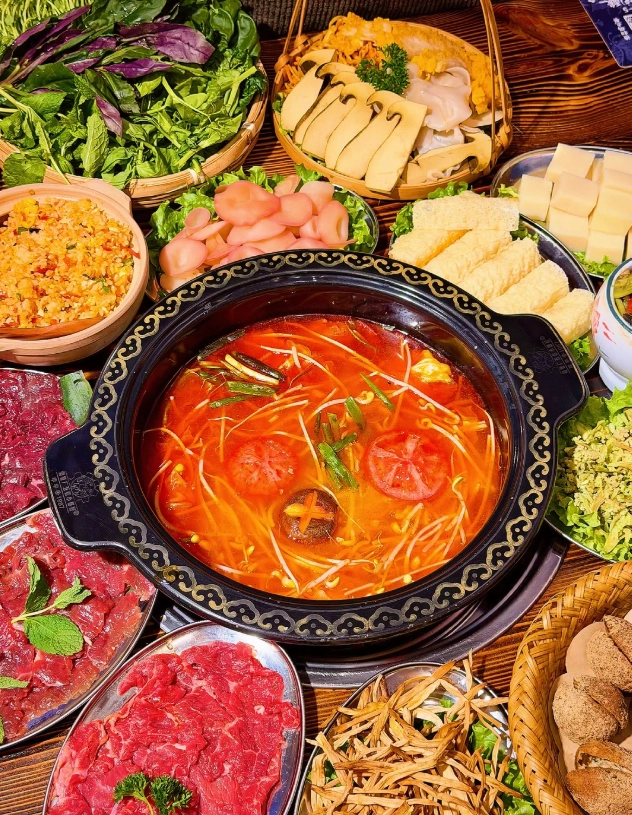
What a treat! The wild mushroom and codonopsis hotpot was perfect after a long hike—warming and restorative. I also loved the grilled tofu skewers with a spicy herb paste. The staff spoke enough English to help us order and even recommended a short trail to walk off the meal. The whole experience felt like a true farm-to-table mountain feast. Highly recommend!
Honestly, I was a bit disappointed. I came specifically for the herbal dishes based on the guide, but the ‘herbal’ part felt like an afterthought—just a sprinkle of dried leaves on ordinary stir-fries. The local sticky rice cake was good, but the main dishes lacked depth. Service was slow even though the place wasn’t busy. Maybe I caught them on an off day, but for the hype, I expected more.
Solid herbal cuisine with a cozy vibe. I had the stir-fried fern shoots and braised pork with angelica root—both were well-executed and not overly medicinal. The only reason I’m giving 4 stars instead of 5 is that the portions were a bit small for the price. Still, the service was friendly and the mountain air made everything taste better. Would come back for the seasonal wild greens.
We stumbled upon this hidden gem on our way up Yaowang Mountain. The herbal chicken soup was absolutely incredible—light but packed with flavor, and you could really taste the wild herbs. The owner even explained how they forage the ingredients locally. The mountain view from the little terrace made the meal unforgettable. Definitely a must-try for anyone who loves authentic, rustic food. 5 stars!
This food guide exceeded every expectation! From the moment we started the walk, the guide pointed out edible plants along the trail and explained their uses in traditional cooking. The eight-treasure herbal soup was a revelation – warming and complex. Ending with homemade walnut cookies at a family-run stall was the cherry on top. Unforgettable experience, 5 stars without hesitation!
Really enjoyed the local snack stalls along the Yaowang Mountain path! The herbal tea was refreshing and the tofu pudding with ginger syrup was perfect. The guide's insights on how locals forage for wild herbs were fascinating. Only complaint: the seating area was a bit cramped during peak hours, but the flavors made up for it. Solid 4 stars.
Honestly, I was a bit let down. The concept is cool, but the portions were tiny for the price, and some of the herbal dishes had an overpowering medicinal taste that I couldn't finish. The guide was nice but seemed to rush through explanations. Maybe it's just not for everyone. I'd say skip the main herbal set and just grab street food nearby.
Great experience overall! The local eats part was the highlight for me – the stir-fried mountain veggies and the bamboo rice were fantastic. The herbal broth was tasty but a bit too bitter for my taste. Only reason for 4 stars is that the service at the second stop felt rushed. Still highly recommend.
Absolutely loved the herbal cuisine tour! The guide was incredibly knowledgeable about the medicinal properties of each ingredient, and the dishes were not only healthy but bursting with flavor. The mountain setting added a serene backdrop. A must-do for anyone looking to eat well and learn something new. Will definitely come back!