 Fang Wang
I almost missed it. Tucked between flashy soup dumpling spots and modern fusion cafes in the Old City, a small storefront had a line of locals spilling onto the sidewalk. The air wasn't filled with the usual pork and ginger scent, but something earthier, nuttier, and deeply savory. That's how I found my first truly great bowl of Shanghai Congyou Banmian – scallion oil noodles. It's a dish that looks deceptively simple but separates the casual eateries from the masters. After eating my way through dozens of bowls, from back-alley stalls to century-old restaurants, I'm convinced this is one of Shanghai's most underrated culinary treasures. Forget what you think you know about noodles; this is a lesson in texture, patience, and the magic of caramelized alliums.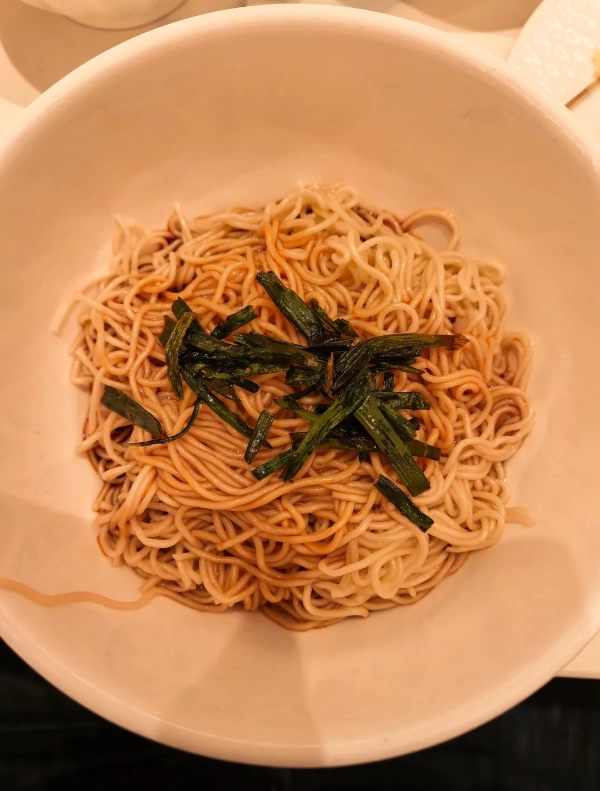
Your Quick Guide to Shanghai Scallion Oil Noodles
What Exactly Is Congyou Banmian?
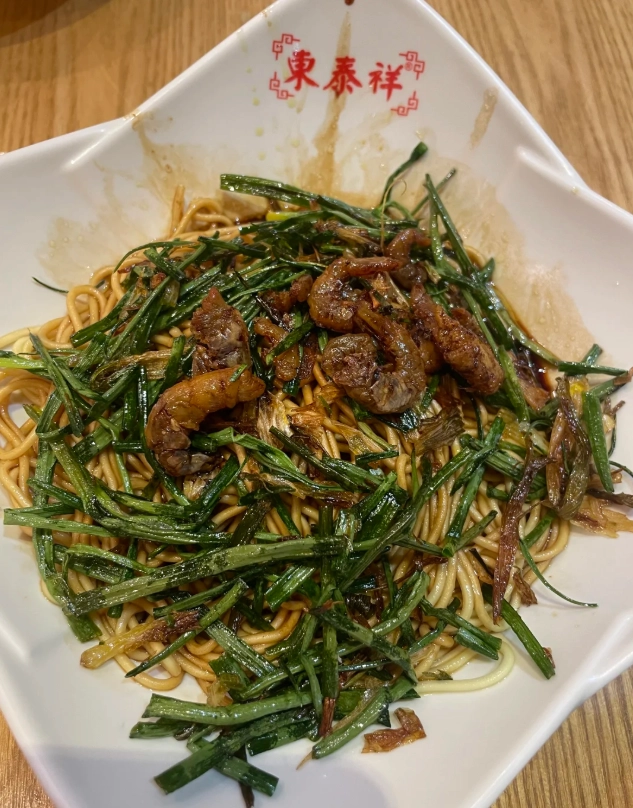
At its core, Shanghai Congyou Banmian is wheat noodles tossed in a sauce primarily made from oil infused with slowly fried scallions (cong), soy sauce, and sometimes a touch of sugar. It's a "dry" noodle dish, meaning no broth. The magic isn't in a complex list of ingredients, but in the technique and quality of those few components. It's a staple breakfast or lunch for Shanghainese, a quick, satisfying, and affordable meal that showcases the local preference for subtle sweetness and rich umami. Walking into a proper noodle shop in the morning, you'll hear the constant sizzle of scallions hitting hot oil—a sound that promises something good.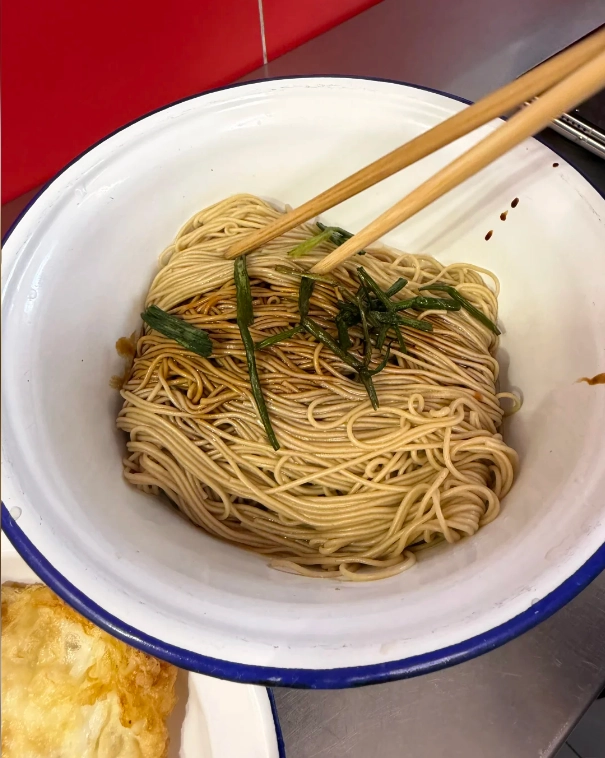
The Three Pillars of Perfect Congyou Banmian
Anyone can boil noodles and throw in some oil. The masters obsess over three things.
The Scallion Oil (Congyou)
This is the soul of the dish. It's not just oil with scallions tossed in. I watched a cook at a famous shop on Huanghe Road spend 40 minutes on a single batch. He used a mix of green and white parts of Shanghai spring onions, frying them over low heat until they shriveled, turned deep golden brown, and almost dissolved into the oil. The oil itself is often a blend—sometimes lard for ultimate richness, sometimes peanut or vegetable oil for a cleaner finish. The result should be fragrant, not burnt. A sign of great oil? It leaves a lingering, pleasant aroma on your lips, not a greasy film.
The Noodles (Mian)
Forget soft, bloated noodles. The ideal noodle for Congyou Banmian has jian—springiness and chew. They're usually thin, round wheat noodles. They must be cooked al dente, rinsed briefly in cold water to stop the cooking and tighten the texture, then tossed vigorously in the oil while still hot. The cold rinse is a non-negotiable step most home cooks skip, leading to a mushy bowl. The noodles should stand up to the sauce, each strand separately coated.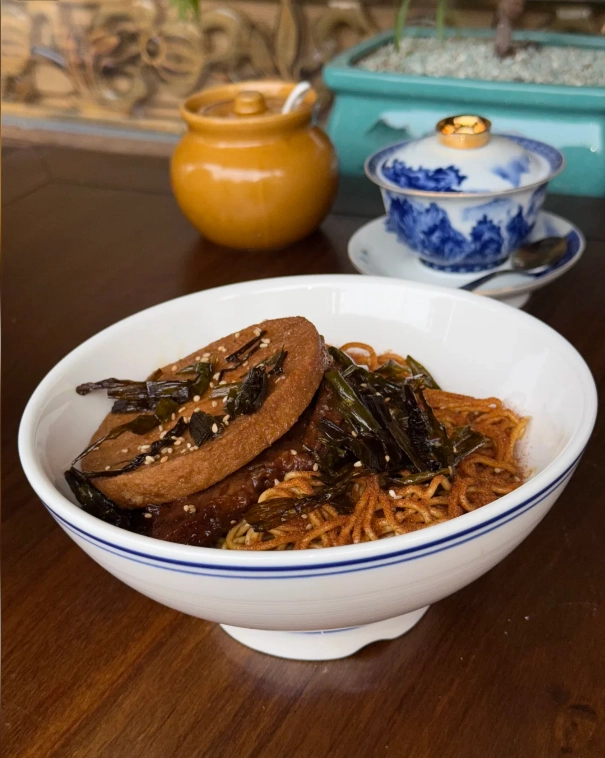
The Sauce & Toppings
The base sauce is light soy sauce for saltiness and color, a whisper of dark soy for depth, and a hint of sugar to balance. That's it. No garlic, no ginger, no chili (unless you add it yourself). Toppings are minimal but strategic. The classic is a spoonful of crispy fried scallion crumbles left over from making the oil. Some places add a side of pickled vegetables or a few leaves of bok choy. A more luxurious version might include shredded chicken or pork, but purists argue it distracts from the main event.
My Personal Litmus Test: If the scallions on top are still green and raw, or if the oil tastes like it came straight from a bottle, I walk out. The scallions should be brittle, dark brown, and fully integrated into the oil's flavor.
Where to Eat: Top Spots for Congyou Banmian in Shanghai
Based on my tastings, here are places that get it right. This isn't a generic list; these are spots where the dish is a star, not an afterthought.
| Restaurant / Stall | Address / Area | What Makes It Special | Price Range (per bowl) | Best Time to Go |
|---|---|---|---|---|
| Xiaoyang Shengjian & Noodles | Various branches, flagship near People's Square | Surprisingly excellent for a chain. Their scallion oil is consistently fragrant, and they use a slight lard blend. Noodles have great chew. A reliable, no-fuss option. | RMB 18 - 25 | Lunch (11:30 AM - 1:00 PM), expect a queue but it moves fast. |
| Old Street Noodle House (Laomian Guan) | Alley off Fangbang Road, near Yu Garden | This is the one I stumbled upon. No English sign. The owner fries scallions in small batches all morning. The oil has a deep, almost smoky sweetness. The vibe is 100% old Shanghai. | RMB 15 - 20 | Early morning (7:00 AM - 9:00 AM). They often sell out of the good oil by 11 AM. |
| Wei Xiang Zhai | 132 Yandang Road, near Huaihai Road | A more upscale, clean environment. Their version is refined, with a clearer, less greasy oil and exceptionally springy noodles. They offer a premium version with shredded chicken. | RMB 28 - 40 | Anytime. Good for a comfortable, sit-down meal. |
| Huanghe Road Food Street Stalls | Huanghe Road, near Nanjing Road West | Several stalls specialize in noodles. Look for the one with the largest wok constantly sizzling. It's a masterclass in wok hei (breath of the wok). The flavor is robust and bold. | RMB 12 - 18 | Lunch rush. It's chaotic, loud, and delicious. |
A note on Wei Xiang Zhai: While their technique is flawless, some locals find it a bit too "clean" and miss the rustic, oily punch of the alleyway stalls. I appreciate both for different moods.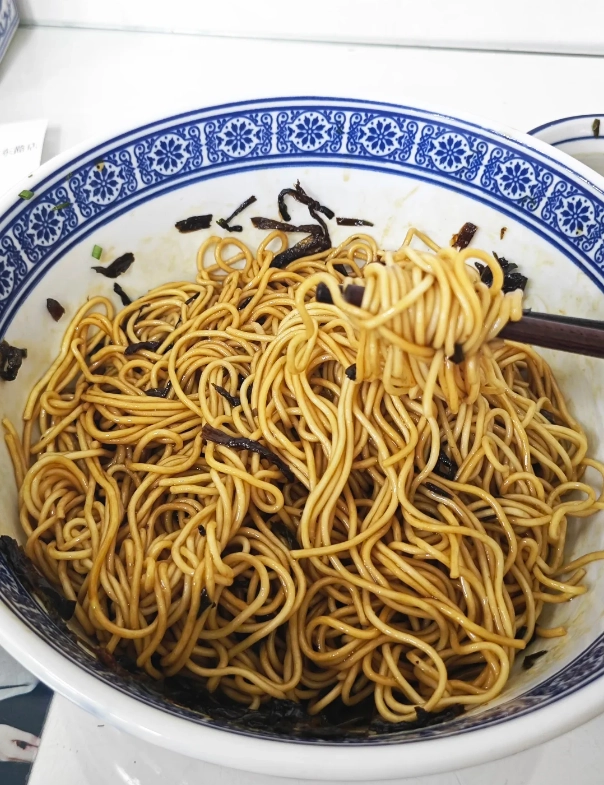
How to Order Like a Local
Don't just point at the menu. To get the best experience, use these phrases or concepts.
- "Mian yao ying yidian": Ask for your noodles harder, more al dente. This is crucial.
- Check the oil pot: If you can see into the kitchen, look for a metal pot or wok with dark, cooked scallions sitting in oil. That's the good stuff. If they're scooping oil from a clear bottle, temper your expectations.
- Mix immediately: When the bowl arrives, mix everything thoroughly for a full minute. Every noodle needs to meet the sauce.
- Add vinegar: A few drops of Chinese black vinegar on the side can cut the richness beautifully. It's a personal preference, but try it.
Common Mistakes First-Timers Make
I've seen tourists do this, and it pains me.
Comparing it to ramen or pasta. It's its own thing. Don't expect a creamy or spicy sauce. The beauty is in the simplicity.
Waiting too long to eat. This dish dies on the plate. The noodles continue to absorb the oil and can become soggy. Eat it as soon as it's mixed.
Going to the most famous tourist restaurant. The highest-rated place on an international app for soup dumplings might treat Congyou Banmian as a sideline. Seek out places where it's a headline act.
Dismissing the look. It's not Instagram-bright. It's a humble, brown, oily tangle. Judge it by smell and taste, not by color.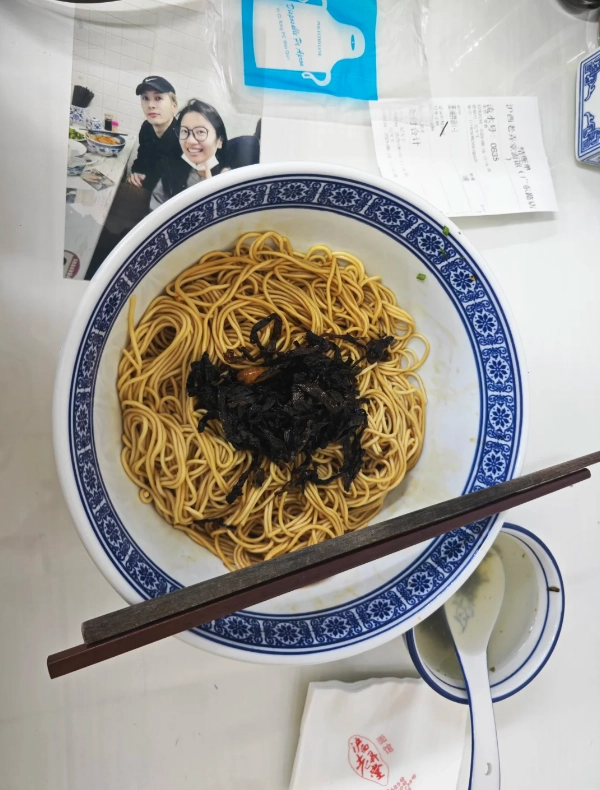
Your Congyou Banmian Questions Answered
 I don't like oily food. Will I hate this?
Finding the perfect bowl of Shanghai Congyou Banmian is a small adventure. It takes you away from the glossy malls and into the rhythm of local life. It teaches you that in Shanghai, sometimes the greatest pleasures are the simplest ones, executed with care. Start your day with a bowl, and you'll understand why this dish has been a quiet comfort for generations.
This guide is based on personal visits and tastings conducted over multiple trips. Details such as pricing and hours are subject to change.





No comments yet.