 Peng Gao
My legs were jelly after the final descent from Nangong Mountain's misty peaks. The kind of deep, satisfying ache that only comes from a day spent with nature. But as I stepped off the trailhead and back into the world of paved roads, a different, more urgent sensation took over: a hollow, roaring hunger. Not for a generic hotel buffet, but for something that tasted of this place—of the damp earth, the crisp mountain air, and the worn resilience of the towns clinging to the hillsides below.
The tourist restaurants near the park gate flashed their neon signs, their menus plastered with pictures of dishes that looked… safe. Predictable. I turned away, my stomach leading me down a side street where the air shifted. The scent of roasting chilies, simmering broth, and fresh dough being slapped onto a countertop became my new trail markers. This is where the real meal begins.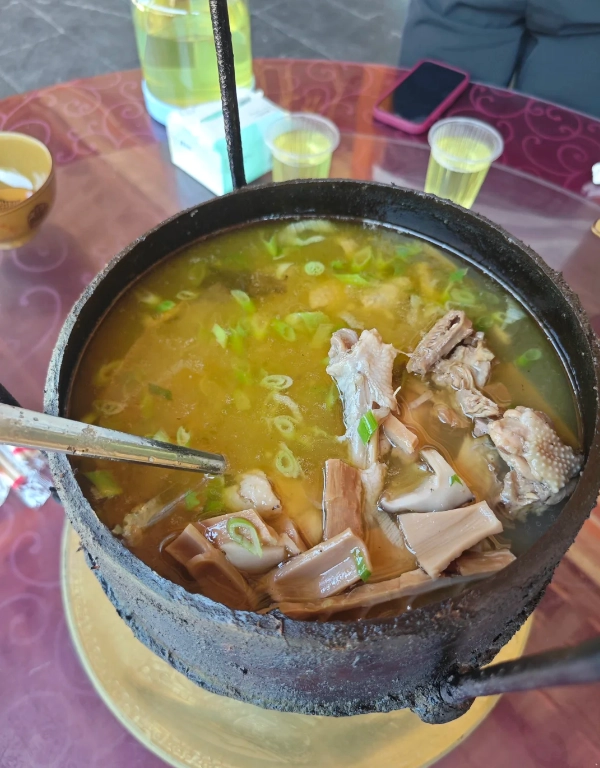
Your Quick Bite-Sized Guide
What to Expect: The Flavor Profile of Ankang
Forget the fiery reputation of Sichuan or the vinegary tang of Shanxi. The food around Nangong Mountain, part of Ankang's culinary sphere, speaks a quieter, more comforting dialect. It’s food for people who work the land. You'll find a gentle warmth rather than aggressive heat, a preference for savory and sour notes, and a celebration of simple, fresh ingredients pulled from the Han River valley and the surrounding forests.
Fermentation is king here. Walk past any older residential building and you might spot clay jars of pickled vegetables (pao cai) sunning on a balcony. This translates to dishes with a bright, acidic kick that cuts through richer flavors. Wild herbs and mountain greens, often foraged, add a layer of earthy, sometimes bitter complexity that you won't find in city cooking.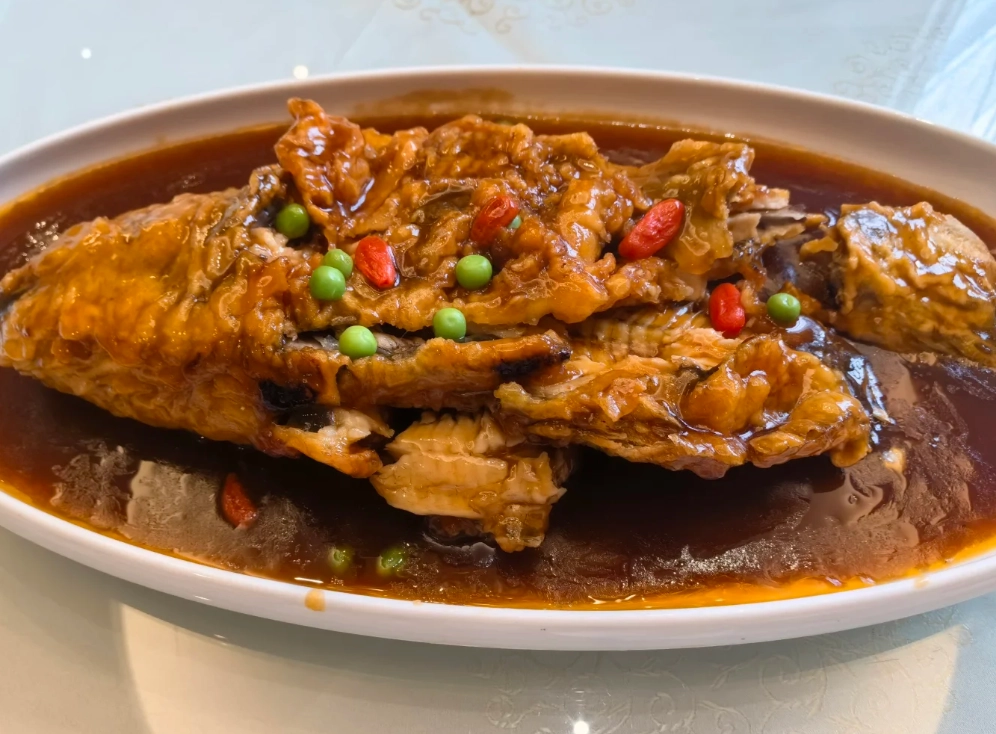
And then there's the river. The Han River provides a steady supply of freshwater fish, which are typically prepared in a style that highlights their sweetness—steamed with a pile of shredded ginger and scallions, or simmered in a broth that's more savory than spicy.
The Local Staple You Must Try: Hele Noodles
If you only remember one dish, make it this. Hele Mian is the ultimate post-hike comfort food. Imagine wide, hand-torn noodles that are satisfyingly chewy, swimming in a rich, slightly thickened broth made from pork bones. The magic is in the topping: a savory, crumbly mixture of minced pork, wood ear mushrooms, and tofu that's been slow-cooked in soy sauce and spices. It's salty, umami, and deeply nourishing. A local once told me, "A bowl of Hele fixes everything—tired muscles, a bad day, everything." After my hike, I believed him.
How to Find the Real Deal: A Strategy for Local Eats
The golden rule? Move 500 meters away from the main park entrance. The concentration of genuine local spots increases exponentially with every step you take towards the older town centers, like Langao Town which services the park.
Look for these signs:
- Predominantly Chinese-language menus (or no printed menu at all). A picture menu is okay, but if it has perfect English translations, tread carefully—it’s often a sign the prices have been adjusted for a different clientele.
- Plastic stools and well-worn tables. Comfort is secondary to flavor here. The best noodle shop I found had stools so low my knees were practically by my ears.
- A steady stream of local customers, especially older men sipping tea or families with kids in school uniforms. They’re not there for the ambiance.
- The point-and-order method. If you see something delicious on someone else's table, just walk over, point, and say "Wo yao zhege" (I want this). It’s the universal language of good food.
Don't be shy about peeking into the kitchen area if it's open. You want to see activity, not spotless stainless steel. A wok blazing with fire, a cook deftly pulling noodles, baskets of fresh vegetables—these are good omens.
Top Eats Near Nangong Mountain: From Noodles to Night Markets
Based on my last scouting trip (and several happy, full-bellied mistakes), here are the spots that deliver.
1. The Noodle Shop That Defines a Visit
Lao Wang Hele Mian
Rough Location: On a small alley off Zhenxing Road in Langao Town, look for the blue sign with white characters and a constant plume of steam.
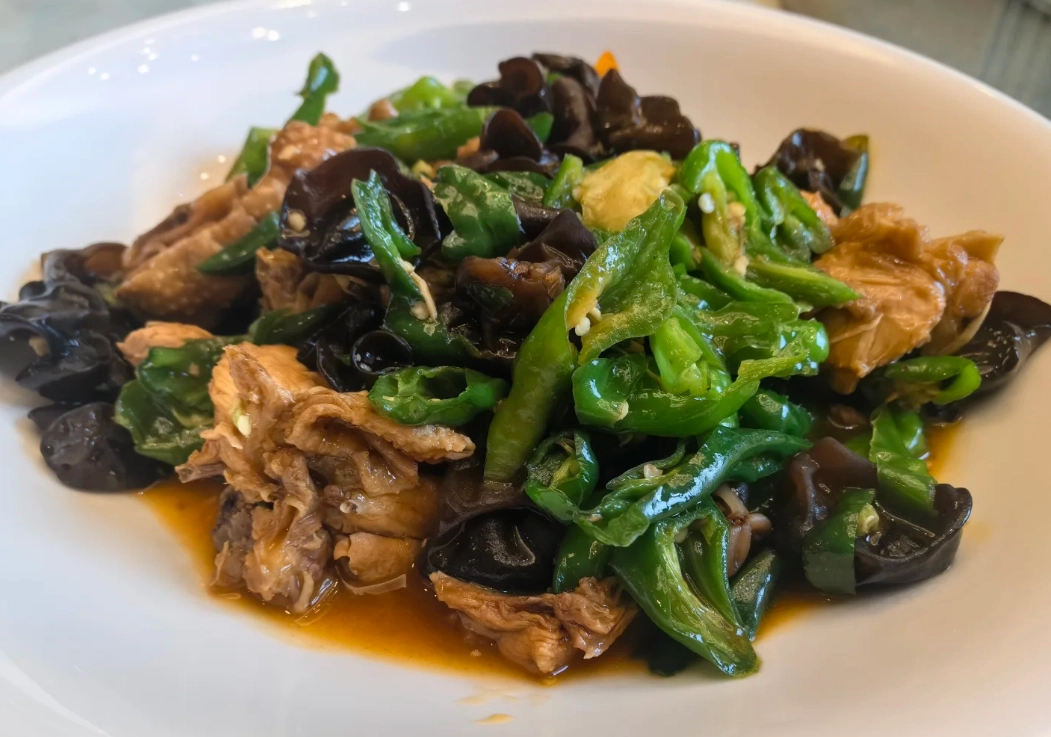
This is the Hele noodle temple. No frills, just a narrow room with about eight tables. The broth simmers in a massive pot near the entrance all day. The texture of the noodles is perfect—thick, irregular, and wonderfully al dente. The meat topping is generous and not too fatty.
- Must-order: Obviously, the Hele Noodles. Ask for "duo jia tang" (more soup) if you like it soupier.
- Flavor: Deep, savory, porky umami with a hint of star anise and soy. Mild warmth, not spicy.
- Vibe & Practicals: Bustling at lunch (12-1:30 PM). It's clean in a functional way—tables are wiped quickly. You order at the counter, pay immediately (cash or WeChat), and grab a seat. A massive bowl costs about 18 RMB (~$2.50 USD). Open 7:00 AM - 8:00 PM.
2. The Unassuming Dumpling Master
Unnamed Dumpling Stall
Usually sets up near the morning market on Dongfeng Street in Langao.
This is street food gold. An elderly couple runs this stall, she rolls the wrappers, he fills and pinches the dumplings (jiaozi) with a speed that's hypnotic. They're boiled to order in a giant pot right there. The filling is a simple, genius mix of pork, chives, and ginger.
- Must-order: Pork and Chive Boiled Dumplings (Zhu Rou Jiu Cai Jiaozi).
- Flavor: Incredibly fresh and juicy. The chive gives a sharp, green punch against the sweet pork. Dip them in their homemade mix of soy sauce, vinegar, and chili oil.
- Vibe & Practicals: Morning until early afternoon only. Eat standing up or take away. 10 RMB (~$1.40 USD) for 15 dumplings. The hygiene is what you'd expect from a street stall—watch them cook it fresh, eat it hot, and you'll be fine. I've never had an issue.
3. The Riverside Fish Feast
Han Jiang Xian Yu Zhuang (汉江鲜鱼庄)
On the road towards the riverbank, a few kilometers from the park entrance. Look for the tanks of live fish out front.
For a proper sit-down meal celebrating the region's produce, this is it. The fish (yu) are chosen live from the tank. The classic local prep is Steamed Han River Fish with Ginger and Scallions (Qing Zheng Han Jiang Yu). The fish is simply steamed with a mountain of slivered ginger and scallions, then doused with hot, seasoned soy oil. The result is silky, sweet flesh that melts in your mouth.
| Dish (English / Chinese) | Key Flavors | Approx. Price (USD) |
|---|---|---|
| Steamed Han River Fish / 清蒸汉江鱼 | Fresh, sweet, savory, gingery | $12 - $25 (depends on fish size) |
| Stir-fried Wild Fern / 清炒蕨菜 | Earthy, slightly bitter, crunchy | $4 - $6 |
| Ankang "Za Sui" / 安康杂碎 | Rich, offal-based stew, peppery | $5 - $8 |
The restaurant is large, often hosting big family groups. It's clean and functional. Go with a group to try more dishes. A meal here for two with a fish and two veggie sides will run about 150-200 RMB ($20-$28 USD).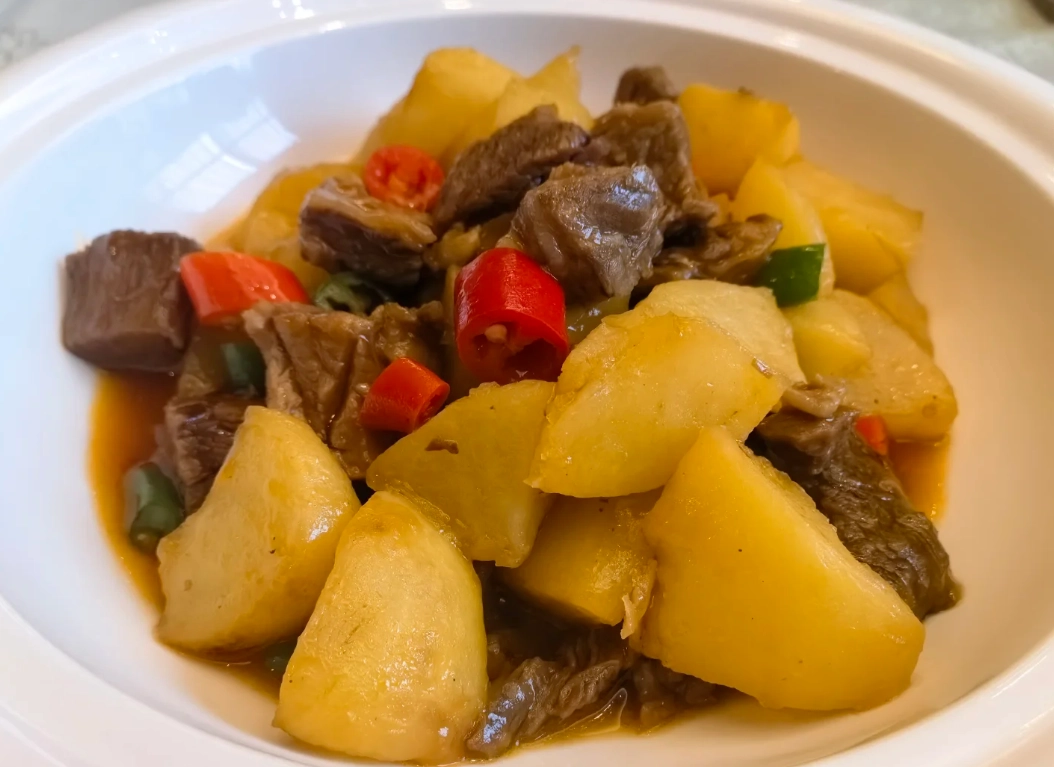
4. The Night Market Experience
Langao Night Market (岚皋夜市)
Usually springs to life after 6 PM along a designated street (ask locals "Yeshi zai nali?").
This is for the adventurous. Skewers (chuan) of everything—lamb, tofu, mushrooms, chicken hearts—grilled over charcoal and brushed with cumin and chili. Stinky tofu (chou doufu) that’s crispy outside, molten inside. Sweet rice cakes sizzling on a griddle. It’s loud, smoky, and fantastic. My strategy? Follow the longest queue. It’s usually for the stall with the crispiest grilled flatbread or the most aromatic skewers.
A warning: The hygiene spectrum is wide. Stick to stalls where the food is cooked to order at high heat. Avoid pre-cut fruit salads. And have some digestive aids handy if your stomach is sensitive.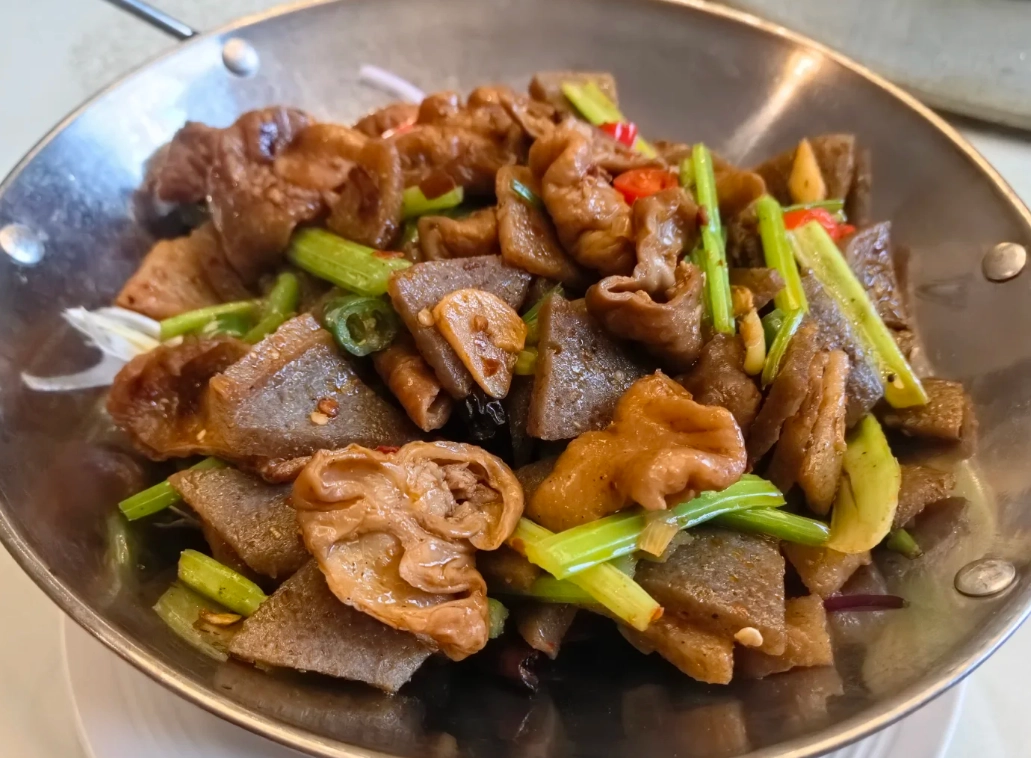
Navigating the Practicalities: Money, Menus, and Manners
Payment: Cash (RMB) is king in small towns and at street stalls. While WeChat Pay and Alipay are ubiquitous, having a couple hundred RMB in small bills (10s, 20s) is non-negotiable. Some smaller places might not have QR codes for foreign cards linked to these apps.
Ordering: If there's no English menu, use a translation app to scan the Chinese menu. Better yet, learn a few key phrases:
- "Zhege" (This one) + pointing.
- "Bu yao la" (Don't want spicy).
- "Duo shao qian?" (How much money?).
Or, just smile and point at what the person at the next table is eating. It always works.
Portions & Sharing: Noodle and rice dishes are typically individual. Meat, fish, and vegetable dishes are meant for sharing family-style. Don't order one massive fish for yourself—it'll be overwhelming.
Drinks: Bottled water or tea is served everywhere. The local beer is nothing special, but a cold one (pi jiu) hits the spot after a hike. Do not drink tap water.
Your Nangong Mountain Food FAQ Answered
 What's a typical budget for food per day?
The mist on Nangong Mountain is beautiful, but the real memory often forms in the steam rising from a bowl of noodles in a town below. Skip the generic tourist fare. Venture a few blocks. Point at what looks good. Let your hunger guide you. The food here isn't about spectacle; it's about sustenance, community, and a genuine taste of place. That's the best souvenir you can bring home.
This article is based on first-hand experience and observations. Information such as opening hours and exact prices should be verified locally as they can change.
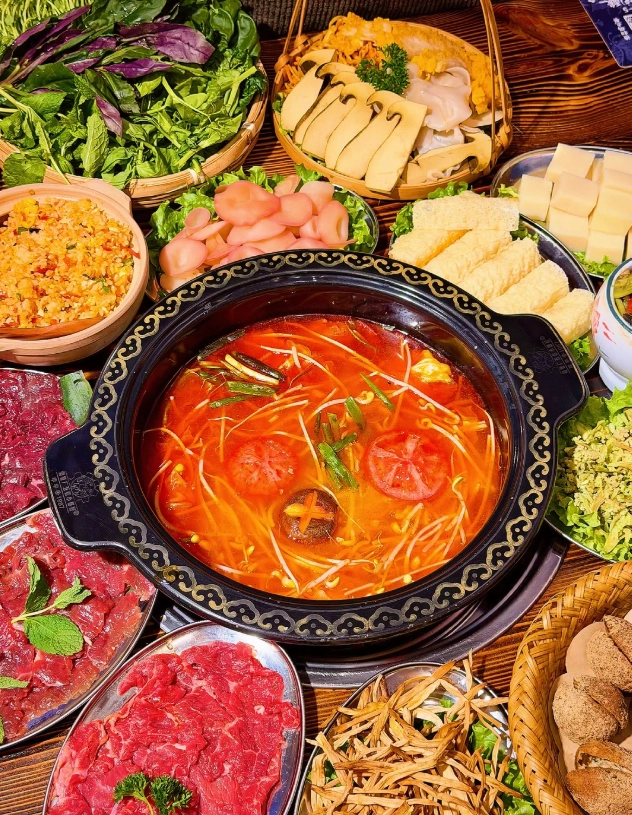





Heard rave reviews about the wild mushroom hotpot here, so I made a detour. Honestly, I was let down. The broth was watery and lacked depth, and the 'wild mushrooms' seemed like the standard supermarket mix. Charged me $18 for a small pot, which felt steep for what it was. The seating area near the parking lot had flies buzzing around nonstop. Maybe I caught them on a bad day, but I'd skip it next time.
Decided to try the popular grilled fish place everyone talks about. The fish was perfectly charred on the outside, flaky inside, and the spicy garlic sauce was addictive. The downside? We waited almost 40 minutes for our order even though the place wasn't packed. The staff were apologetic and offered free tea, which was nice. Overall a good meal, but the wait hurt the experience. Would still go back, just on a less hungry day.
Stumbled upon a tiny café tucked behind the main trail – Nangong Coffee Corner. The owner, an older gentleman, roasts his own beans. I had a pour-over with a slice of homemade sweet potato cake. The coffee had notes of chocolate and stone fruit, perfectly complementing the moist, spiced cake. We chatted about local legends of the mountain for half an hour. It felt like a hidden treasure. Can't recommend it enough.
Found this family-run stall near the park entrance on a budget day. Got two huge pork buns and a side of pickled veggies for less than $5. The buns were pillowy soft, stuffed with juicy, savory pork and a hint of five-spice. The lady running it even gave me extra dipping sauce with a smile. Best value meal I've had in months. If you're hiking and don't want to spend a fortune, this is it.
After a solid 10-mile hike through Nangong Forest, this little noodle shack was a godsend. I grabbed a bowl of their signature beef noodle soup – the broth was so rich and aromatic, with just the right kick of chili. The noodles were hand-pulled right in front of me, chewy and fresh. Sat on a wooden bench under a canopy of trees, listening to birds and slurping soup. Pure bliss. Absolutely coming back next weekend.
I was really hoping for a good local meal after the hike, but the only open stall sold pre-made sticky rice wrapped in leaves. It was cold and the pork inside was fatty. The price was low, but I felt disappointed. Would rather have walked back to town for something fresher. Just okay.
Came for the mountain view but stayed for the wild vegetable pancakes. They were surprisingly light and crispy, with a slightly herbal taste. The only letdown was the wait – took almost 20 minutes for a pancake. Still, worth it if you're not in a hurry. Rating: 4 stars due to the service speed.
The baozi stand near the parking lot is an absolute gem. Freshly steamed, fluffy dough, and the pork filling had a perfect balance of ginger and scallion. We ate three each and went back for a fourth. At ¥2 each it's a steal. If you're visiting the forest park, don't skip this place.
Tried the grilled fish special at a stall just outside the park entrance. The skin was crispy, but the meat was a bit dry and the sauce was too sweet for my taste. The lady running it was super friendly though. Decent but not mind-blowing. I'd suggest the bamboo rice rolls from the cart next door instead.
We stopped at a tiny family-run noodle shack after a long morning hike near the forest park. The broth was rich and smoky, and the owner let us taste homemade chili oil he'd just made. Simple, honest food, perfect after fresh air. Definitely coming back for the dumplings next time.
What a charming little spot! I loved how they use local ingredients – the pumpkin rice porridge was sweet and comforting, perfect for a chilly mountain morning. The only downside was the limited menu; I wish they had more options for vegetarians. But the homemade pickles on the side were a delightful surprise. Great for a quick, authentic bite.
I wanted to love this place because of the eco-friendly vibe, but the food fell a little flat. The wild herb omelet was bland and the tea was lukewarm. Also, the prices seemed a bit steep for what you get – three small dishes and a drink cost me almost $20. The location is nice, right near the park entrance, but I’d rather pack my own lunch next time.
Good food overall, but be prepared to wait. I got there around noon and it was packed – took almost 40 minutes to get my bowl of noodle soup. The broth was decent, rich and meaty, but the noodles were a bit too soft for my liking. The view from the outdoor seating is nice though, overlooking the forest. Worth a try if you have time, but not if you're in a hurry.
Hands down the best meal I had during my entire trip to Nangong Mountain. The portions were generous and the prices were shockingly low for the quality. I ordered the braised tofu with mountain vegetables – it was so silky and rich. The staff were super friendly, refilling our tea without asking. I’m already planning a return trip just for this food.
Stumbled upon this hidden gem after a long hike in the forest park. The wild mushroom stir-fry was absolutely phenomenal – earthy, fragrant, and perfectly seasoned. Also tried the bamboo rice, which had a subtle smoky flavor from being cooked over an open fire. The owner even came out to explain how they source ingredients from the mountain. A must-stop if you're in the area!