 Peng Gao
Your Quick Bite-Sized Guide
The bus dropped us off at the main tourist parking lot, and the first thing that hit me wasn't the postcard view of Yinghu Lake—it was the hunger. It was past noon, and the only options in sight were a couple of places with laminated photo menus and “English Spoken” signs. My stomach sank. I’d made that mistake before. Instead, I followed a family of locals carrying picnic baskets, ducking past the souvenir stalls and down a smaller path that hugged the western shore. Ten minutes later, the air changed. It was thick with the scent of frying garlic, smoky chilies, and something unmistakably fresh from the lake. Plastic tables spilled onto a dusty clearing, and the sound of sizzling woks and lively Mandarin chatter was the only menu I needed. This is where you find the real Yinghu Lake food.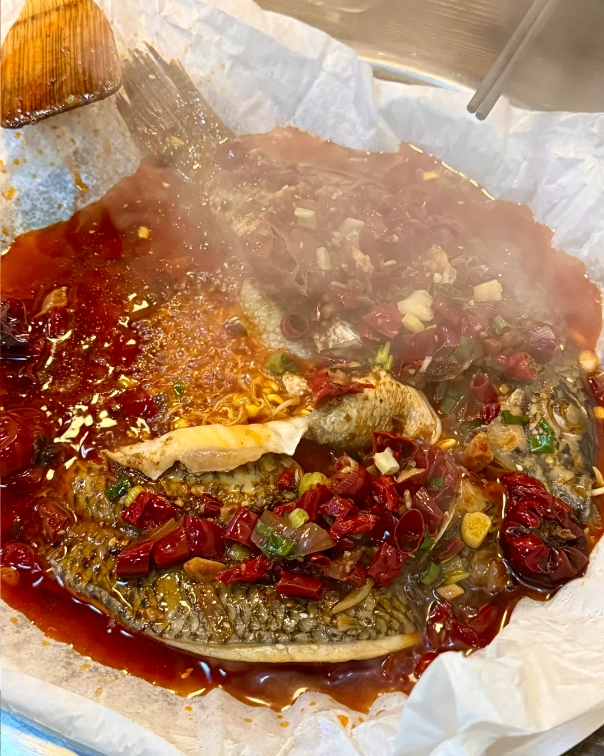
Forget the overpriced, bland set meals aimed at tour groups. The soul of eating here is in the humble shacks and family-run spots where the fish was swimming that morning and the noodles are pulled by hand. This guide is for you if you want that experience—the messy, flavorful, utterly satisfying kind. I’ve spent enough time here (and made enough ordering blunders) to point you to the genuine spots. I’ll tell you exactly what to get, how much to pay, and how to navigate it all without a hitch.
Where to Eat: My Top Picks for Authentic Flavors
These are the places I return to. They’re not fancy, but the flavors are intense and the settings are pure local atmosphere.
The Old Dock Fish House (老码头鱼庄)
Don't let the simple cement floor and fluorescent lights fool you. This is my top pick for a reason. It’s a 15-minute walk from the main pier, tucked behind a cluster of willow trees. The address is roughly near the small working dock on the lake's west side—look for the blue sign with Chinese characters and a painted fish. The drill is simple: you walk up to the bubbling tanks at the entrance, point at the fish you want (the Mandarin Fish (鳜鱼) is the local star), and tell them how you’d like it cooked. The place is loud, a bit chaotic, and perfect.
Must-Order Dish: Steamed Mandarin Fish with Chopped Chilies (剁椒蒸鳜鱼). They bring the whole fish to your table, covered in a vibrant blanket of fresh red and green chili pieces, garlic, and ginger. The steaming process is gentle, so the flesh stays incredibly tender and sweet, just flaking off the bone. The heat from the chilies is a bright, aromatic spice that builds slowly rather than a brutal burn. It’s less about numbing mala and more about highlighting the fish's freshness. I always end up spooning the savory, slightly oily chili sauce over my rice.
Hygiene is what I’d call “functional clean.” The tables are wiped down, and you see the fish come live from the tank. It’s not a sterile five-star kitchen, but it feels honest. For two people sharing a medium fish, a vegetable dish like stir-fried sweet potato leaves, and rice, expect to pay around ¥180-220 (about $25-30 USD). They’re open from 10:30 AM until the fish runs out, usually by 8:30 PM. Go for an early lunch (around 11:30 AM) or late afternoon to avoid the biggest local dinner rush.
Auntie Zhang's Noodle Stall (张阿姨面摊)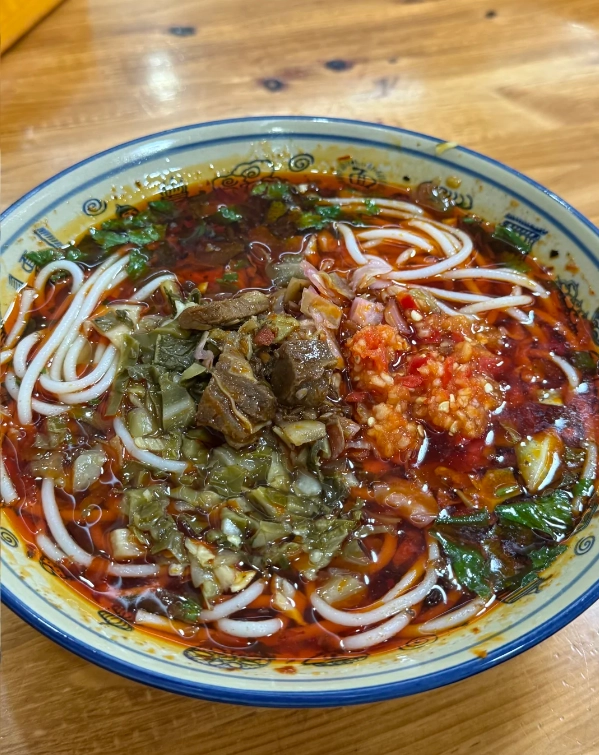
I found this stall one rainy morning, a literal hole-in-the-wall with three tiny tables, steam fogging up the single window. It’s on the old path that leads to the Moon-viewing Pavilion, easy to miss if you’re not looking. There’s no English sign—just look for the elderly woman deftly pulling and stretching dough. This is for the ultimate carb fix.
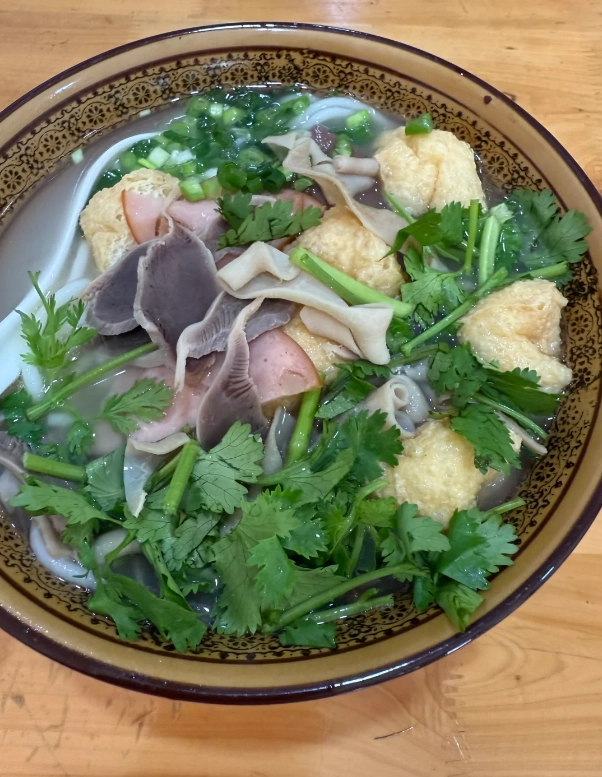
Her Hand-Pulled Noodles in Beef Broth (牛肉拉面) are a masterpiece of simplicity. The broth is deep, clear, and tastes like it’s been simmering for days, with a warm star anise note. The noodles have a fantastic chew. She serves it with a few slices of stewed beef and a handful of chopped cilantro. For a spicy kick, add a spoonful of her homemade chili oil from the jar on the table—it’s fragrant with toasted sesame. A huge bowl costs ¥15 (roughly $2 USD). It’s a solo operation, so during peak lunch (12-1 PM), you might wait 10-15 minutes. It’s worth it. She’s usually there from 7 AM to 3 PM.
Teahouse by the Lake (湖畔茶居)
For a quieter moment, this traditional teahouse on the eastern shore is ideal. It’s more of a light bite spot. Their Sweet Osmanthus Rice Cakes (桂花糕) are delightful—soft, subtly sweet, and perfumed with the delicate fragrance of osmanthus flowers. Pair it with a pot of their local green tea. It’s a great place to rest your feet after walking around the lake. A pot of tea and a plate of cakes will set you back about ¥40-50 ($6-7 USD).
| Restaurant / Stall | Signature Dish | Price (Approx. USD) | Key Note |
|---|---|---|---|
| The Old Dock Fish House | Steamed Mandarin Fish with Chilies | $25-30 for 2 people | Fresh fish, point-to-order, local favorite. |
| Auntie Zhang's Noodle Stall | Hand-Pulled Beef Noodles | $2 per bowl | Breakfast/lunch, incredible value, no frills. |
| Teahouse by the Lake | Sweet Osmanthus Rice Cakes & Tea | $6-7 for tea & snack | Scenic, peaceful, perfect for a break. |
How to Order Like a Local at Yinghu Lake
Menus can be a wall of Chinese characters. Here’s how to break through.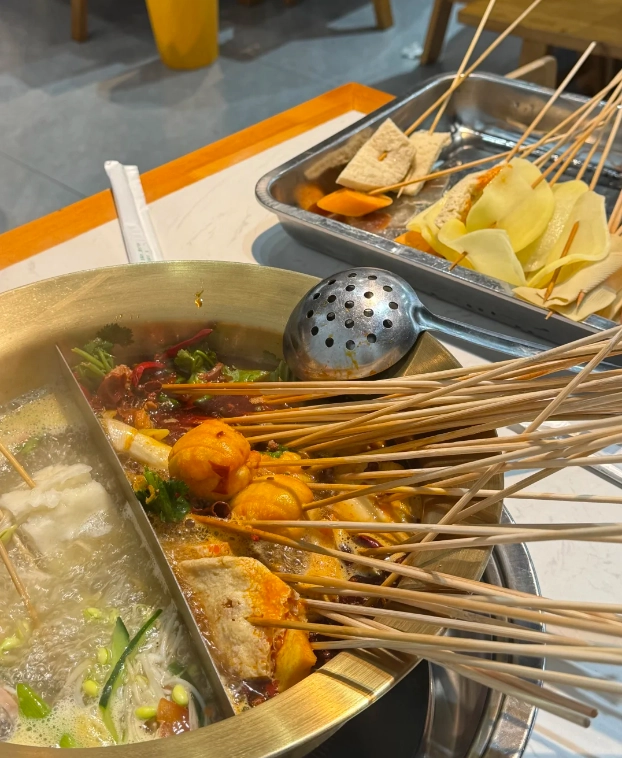
Pointing is your universal language. At The Old Dock Fish House, you point at the fish. At Auntie Zhang’s, you can point at the noodle dough, then at the broth pot, and say “yī wǎn” (one bowl). If you see someone eating something that looks amazing, don’t be shy—walk over, smile, and point to their dish. I’ve done this countless times. A simple “Zhège” (This one) while pointing usually gets a nod from the server.
Learn these three phrases; they’re game-changers:
- “Wǒ yào zhège.” (I want this.) – Say it while pointing.
- “Bù yào tài là.” (Not too spicy.) – Crucial if you have a low tolerance.
- “Duōshǎo qián?” (How much money?) – Ask after ordering.
Most smaller places won’t have an English menu. The ones right by the main entrance that do are often the tourist traps with higher prices and muted flavors. Embrace the challenge—it’s part of the adventure.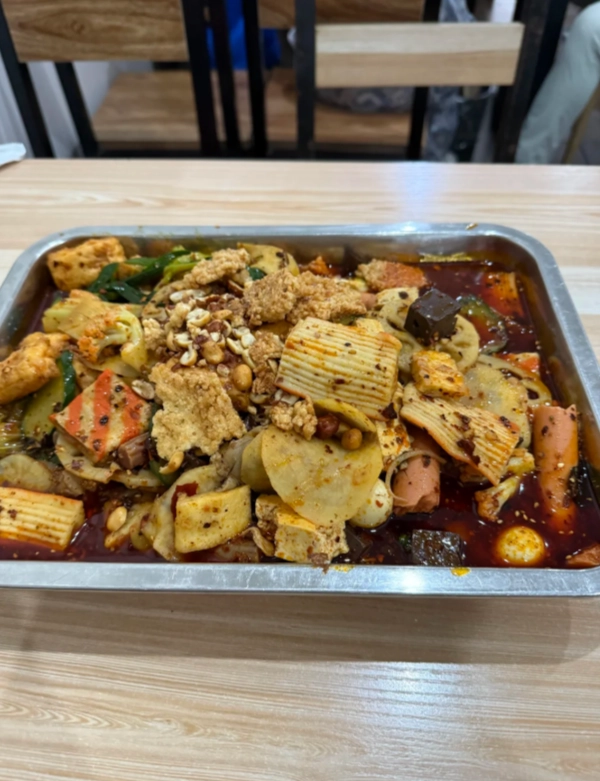
What to Expect: Hygiene, Prices, and Getting Around
Let’s talk practicalities.
Hygiene: Use the “local crowd” test. A busy spot with families eating there is usually a safe bet—food turnover is high. At street stalls, watch the cooking process. If the oil looks clean and the cook handles money and food with separate hands (or uses tongs), that’s a good sign. I carry hand sanitizer, but I’ve rarely had issues at the places listed. The plastic-wrapped disposable bowls and chopsticks are standard and fine.
Prices: Yinghu Lake food is incredibly affordable if you avoid the lakeside restaurants with English menus. A fulfilling street food meal can be under $3. A sit-down fish feast for two is $25-35. Always check the price before you order if it’s not on a clear menu, especially for seafood sold by weight. A simple “Duōshǎo qián yī jīn?” (How much per catty/jin?) for fish prevents surprises.
Getting to the Food Spots: The scenic area is walkable. My recommended spots are all within a 20-minute stroll from the main entrance. For The Old Dock Fish House, head west along the lake path. For the noodle stall near the Moon-viewing Pavilion, it’s a slightly uphill walk. You can also rent a bicycle near the entrance, which is a fantastic way to explore and work up an appetite.
Beyond the Lake: A Nearby Village Gem
If you have a half-day to spare, take a short taxi ride (about 15 minutes) to Hongcun Village (not the famous Anhui one, a local farming village). The driver will know it. The family-run Hongcun Farmhouse Restaurant serves rustic clay pot dishes you won’t find by the lake. Their Stewed Chicken with Mushrooms (蘑菇炖土鸡), cooked over a wood fire, is legendary among nearby residents. The chicken is free-range, so the texture is firmer and the flavor is profound. A whole pot feeds 3-4 and costs around ¥150 ($21 USD). It’s a deeper dive into rural Jiangxi cuisine.
Your Yinghu Lake Food Questions Answered
 Do street food vendors accept mobile payments like Alipay or WeChat?
This article is based on first-hand experience and observations. Details such as prices and operating hours were accurate at the time of writing and are subject to change.
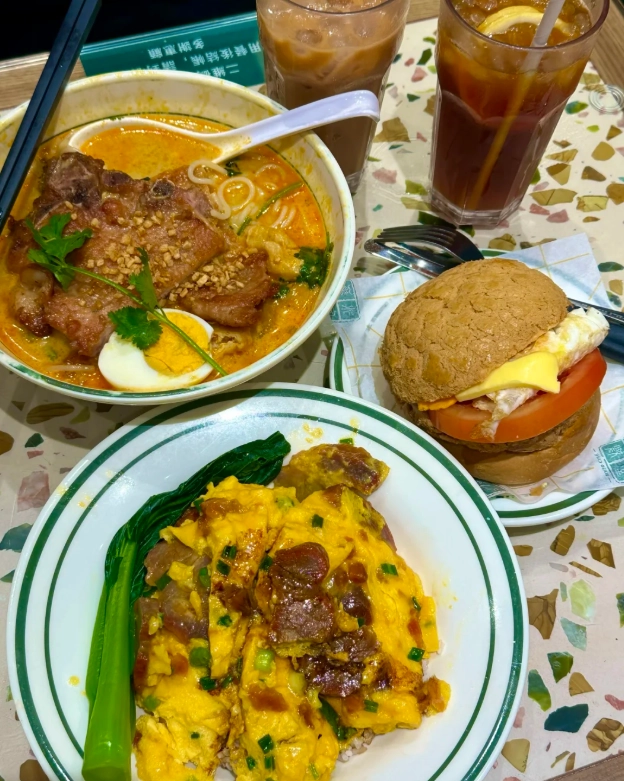
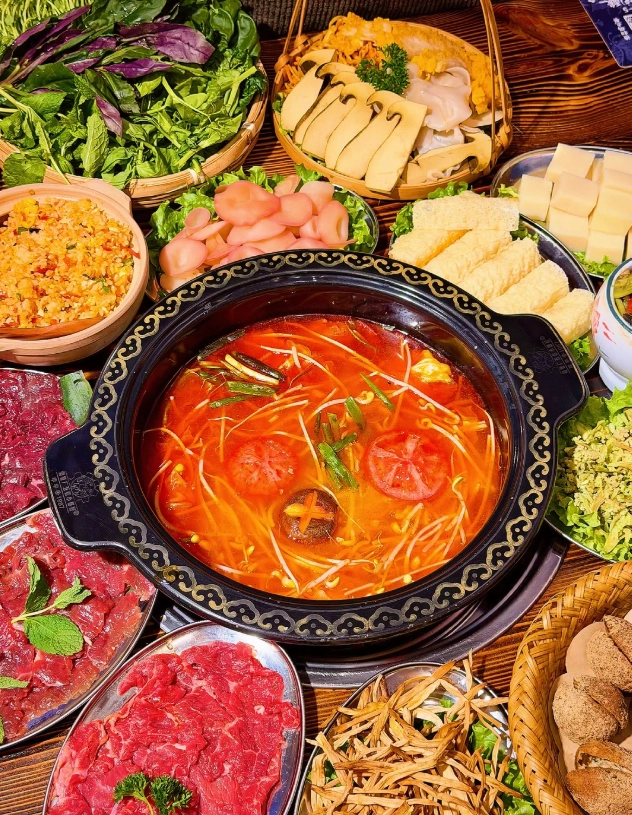





If you're looking for a sweet treat after exploring the lake, go to 'Grandma Li's Dessert Shack' – their ginger milk curd is silky and perfectly spiced, and the osmanthus jelly with goji berries is refreshing. I sat on a little plastic stool watching the locals chat, and it felt so real. Everything is made fresh daily, and you can taste the love. Will dream about that jelly for years!
I visited the famous 'Lakeside Dumpling House' based on a friend's recommendation. The pork and chive dumplings were decent, but nothing mind-blowing. The real letdown was the service – the waitress seemed annoyed when I asked for a menu in English, and it took 20 minutes to get my water. Soup dumplings were also a bit cold. For the price (quite touristy), I'd try other places nearby instead.
Hands down the best local experience! Aunty Mei's small stall near the east gate serves the most incredible 'lake-style' rice noodles – the broth is simmered for hours with river shrimp and bamboo shoots. I went back three times during my trip. Also, the owner remembered my order on day two, which made me feel like a regular. This is why I love traveling – authentic food and genuine people!
Yinghu Lake's night market is a street food paradise. The lamb skewers from stall #7 were juicy and smoky, and the guy running it even gave me a free taste of his chili oil – wow! I also tried the crispy fried milk rolls, which were sweet and crunchy. Only gave 4 stars because the queue for the famous stinky tofu was too long (40 mins), and it was slightly overhyped. Still, a fantastic evening.
Absolutely fell in love with the grilled fish at 'Old Wang's Riverside Grill'! The fish was incredibly fresh, crispy on the outside and tender inside, with a secret spicy sauce that had just the right kick. Sitting by the lake with the evening breeze made it a perfect meal. Don't miss the handmade noodles next door either – they soak up the broth beautifully. A true hidden gem!
Best meal I had during my entire trip around the lake! Found a small family-run noodle shop tucked behind the temple. Their spicy beef noodle soup was packed with tender meat and a flavorful broth that warmed me up perfectly after a chilly morning walk. Friendly owners, fair price – highly recommend!
Dropped by ‘Yinghu Teahouse Restaurant’ for a quick lunch. The fried rice was solid and the portion size was generous, but the ‘signature’ steamed fish lacked seasoning and felt bland. Also, the waitress seemed distracted and forgot our order of tea. Decent value for the price, but nothing memorable.
Yinghu Lake’s night market is where it’s at! Got the grilled squid skewers and spicy crayfish from a cart near the south entrance – incredibly fresh and smoky. The lady running the stall even gave me extra chili sauce. Perfect spot for budget eats with big flavor. 5/5 for street food vibe!
Had a decent meal at ‘Lakeside Granny’s’, but honestly expected more based on the hype. The braised fish was a bit overcooked and the service was slow even though it wasn't busy. The view of the lake was nice, but not enough to make up for the mediocre food. Okay for a one-time visit.
Absolutely blown away by the lakeside dumpling stall! The owner hand-makes each wrapper on the spot, and the filling (pork and chive) was bursting with juice. I went back three times during my stay. A must-try for any food lover visiting Yinghu Lake!
This guide took me to a tiny family-run restaurant hidden behind the willow trees. The owner’s braised pork belly melted in my mouth, and the homemade pickles were a perfect tangy contrast. I ended up chatting with another traveler for an hour over cheap beer. The whole experience felt like a local secret. 10/10, would come back again.
The highlight for me was the pan-fried buns from the old couple near the east pier – fluffy, juicy, and perfectly golden. But the other two dishes I ordered from different stalls were pretty average, especially the overpriced skewers. If you go, stick to the buns and you’ll be happy. Nice vibe by the lake though.
Honestly, I’m not sure why this guide is so hyped. The ‘must-try’ fish soup was watery and lacked flavor, and the street vendor had flies buzzing around the ingredients. The scenery is nice, but the food here was far from the best I’ve had in the region. Wouldn’t recommend making a special trip just for the eats.
Decided to try three spots from this guide in one afternoon. The sticky rice dumplings were incredible – rich and fragrant. However, the stir-fried river snails were a letdown: too sandy and bland. Also, the wait at the noodle shack was nearly 40 minutes. Good overall, but maybe manage expectations on service speed.
This guide is spot on! I followed the recommendation for the grilled fish at the lakeside stall and it was unforgettable. The skin was perfectly crispy, the meat so tender, and the spicy dipping sauce had just the right kick. The owner even threw in some free cold tea because it was hot. If you visit Yinghu Lake, don’t skip this place – it’s an absolute gem!