 Ling Wu
What's Inside This Guide
I've lost count of how many travelers ask me this. They hunch over phones, scroll through generic lists, and still look confused. So let me make it simple: is Hubei worth visiting? Yes, but only if you skip the tourist-trap zones and actually know where to go. Hubei is China's middle kingdom, home to the legendary Yangtze River, misty Taoist mountains, and food that will ruin your taste buds for everything else.
Here's the catch: most foreign visitors land in Beijing or Shanghai and never venture south. They miss out on raw beauty and the chance to experience China without tourist crowds. Navigation can be a nightmare — your Google Maps dies the moment you step off the plane. And forget about using credit cards at small stalls; you'll need Alipay or WeChat Pay, which are surprisingly easy to set up with a foreign card.
After years of guiding travelers through this province, I've distilled everything into this guide. I'll tell you exactly what's worth your time, how to dodge the crowds, and how to avoid the common pitfalls that catch first-timers. If you're short on time, just focus on Wuhan, Wudang Mountain, and the Three Gorges — that's the gold standard.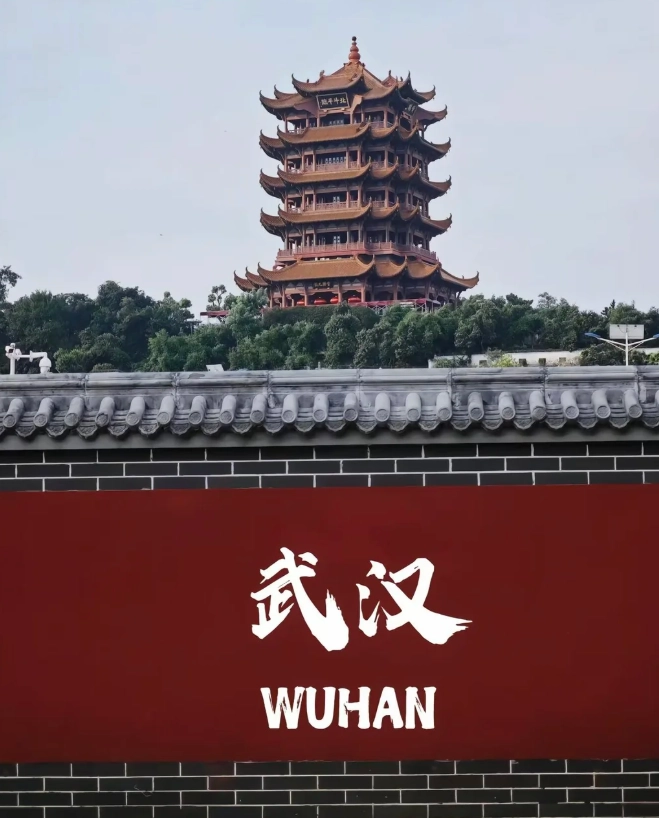
The Quick Answer: Why Hubei Deserves a Spot on Your China Itinerary
Hubei is often overlooked, but it packs a serious punch. The province is a living museum of ancient Chinese culture. The Yellow Crane Tower in Wuhan has inspired poets for centuries. The Wudang Mountains are the birthplace of Tai Chi and a UNESCO World Heritage site. And the Three Gorges Dam is the largest power station on Earth — a marvel of modern engineering that you can witness up close.
Beyond these icons, Hubei offers everyday Chinese life without the selfie sticks. In Wuhan, you can wander through the vast East Lake, which is actually six times the size of Hangzhou's West Lake. In smaller towns, you'll find street food stalls serving hot dry noodles that locals debate over daily.
But is it worth the trip? Honestly, it depends on your travel style. If you love nature, history, and eating like a local, Hubei is a goldmine. If you're expecting high-end museums and polished attractions, some sites may feel a bit rough around the edges. I'd rather you know this now than be disappointed later.
Top Attractions in Hubei That Are Actually Worth Your Time
I've selected these based on my countless visits and feedback from hundreds of travelers. Each one gets a detailed breakdown with the information you need to execute the visit — not just a pretty photo.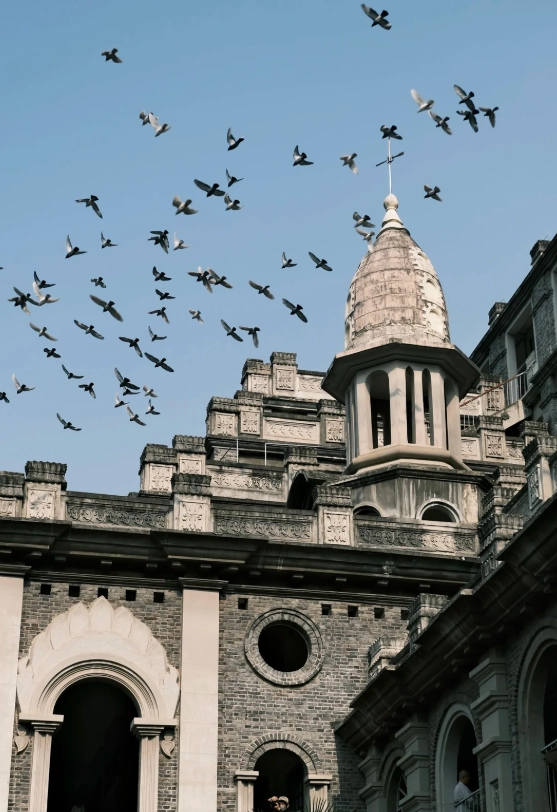
Wuhan — The City of Rivers
Wuhan is the capital of Hubei and the natural entry point. It sits on the confluence of the Yangtze and Han rivers, which splits the city into three parts. This is where you'll get a real sense of Chinese urban life.
Start with the Yellow Crane Tower (Huanghe Lou). Located on Snake Hill, it's the most iconic landmark of Wuhan. The current building was rebuilt in the 1980s, but the views over the Yangtze River Bridge are still breathtaking. My advice: go in the late afternoon, not at noon. The light paints the river in gold, and the crowds thin out after 3:30 PM. The ticket costs 70 RMB, and you don't need to book far in advance unless it's a national holiday.
| Detail | Information |
|---|---|
| Address | Snake Hill, Wuchang District, Wuhan |
| Opening Hours | 8:00 AM – 6:00 PM (may extend in summer) |
| Ticket Price | 70 RMB (adults), 35 RMB (students), free for children under 1.2m |
| Metro | Line 4, Fuxing Road Station, Exit C, then 10-min walk |
| Best Time to Visit | After 3:30 PM for golden light and fewer crowds |
Now, let me save you some trouble: the East Gate of the tower is the main tourist entrance, and queues can stretch for 30 minutes. Instead, walk around the side to the West Gate — it's usually empty and gets you inside faster. Insider tip: the small ticket booths at the West Gate also accept Alipay and WeChat Pay, but they might not take foreign credit cards, so have your mobile payment ready.
Next, head to East Lake (Donghu). It's one of the largest urban lakes in China and completely free. Rent a bike and cycle along the greenway for a few hours. The lake is so vast that you'll easily escape the city noise. Don't miss the Hubei Provincial Museum, which is free but requires reservation. You can book through the official WeChat account, but that's a struggle for foreigners. My workaround: ask your hotel receptionist to book it for you, or use a service like Trip.com which sometimes offers museum visits. The museum's star exhibit is the Sword of Goujian, a 2,500-year-old sword that still shines.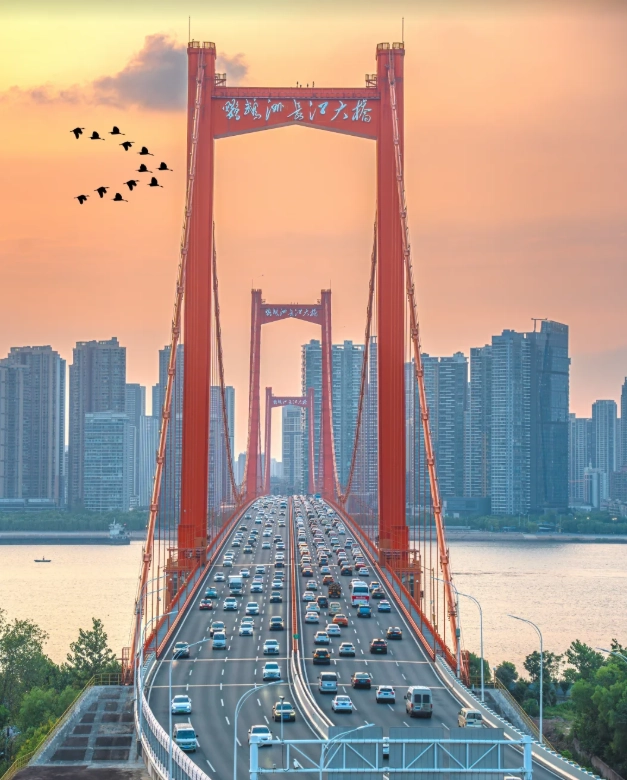
Wudang Mountain — A Taoist Masterpiece
The Wudang Mountains (called Wudang Shan) in Shiyan City are a must for anyone interested in Chinese martial arts and Taoism. The ancient building complex here is a UNESCO World Heritage site (you can check the official listing at whc.unesco.org/en/list/705/). The place exudes a mystical vibe, with temples perched on misty cliffs.
Getting there: take a high-speed train from Wuhan to Wudangshan West Station (about 2 hours). From there, hop on the tourist bus or taxi to the scenic area entrance. The entrance ticket includes the shuttle bus that loops through the main spots. The entire mountain is huge — I recommend spending at least one full day, but you can also stay overnight in a temple hotel (though they're basic). The cable car will save you an hour of climbing if you're pressed for time.
| Detail | Information |
|---|---|
| Address | Shiyan City, northwest Hubei |
| Opening Hours | 7:30 AM – 5:30 PM (shorter in winter) |
| Ticket + Shuttle Bus | Approx. 245 RMB (check current price at visitwudang.com) |
| Cable Car (optional) | 170 RMB one way, 290 RMB round trip |
| Train | Wuhan – Wudangshan West Station, ~2 hours |
Pro Tip: Start early to catch the sunrise from Golden Summit. The first shuttle bus leaves around 6:30 AM. I've brought groups there many times, and the hike from the cable car station to the summit is still challenging — about 40 minutes of steep stairs. Wear proper shoes and carry water.
Three Gorges Dam and Yangtze River Cruises
The Three Gorges Dam in Yichang is the world's largest power station. It's a staggering sight — a concrete wall stretching over 2 kilometers. Visiting the dam is free, but you must register in advance with your passport. You can book your slot through the local tourism office or, more easily, via a day tour from Yichang. Many travelers combine it with a Yangtze River cruise, which lets you sail through the dramatic gorges. If you have time, I highly recommend the cruise — it's the best way to appreciate the region's dramatic cliffs.
For the dam itself, join a guided tour that includes the two main observation points, Tanziling and 185 Platform. Listen to the story of how 1.3 million people were relocated for its construction — it's emotional.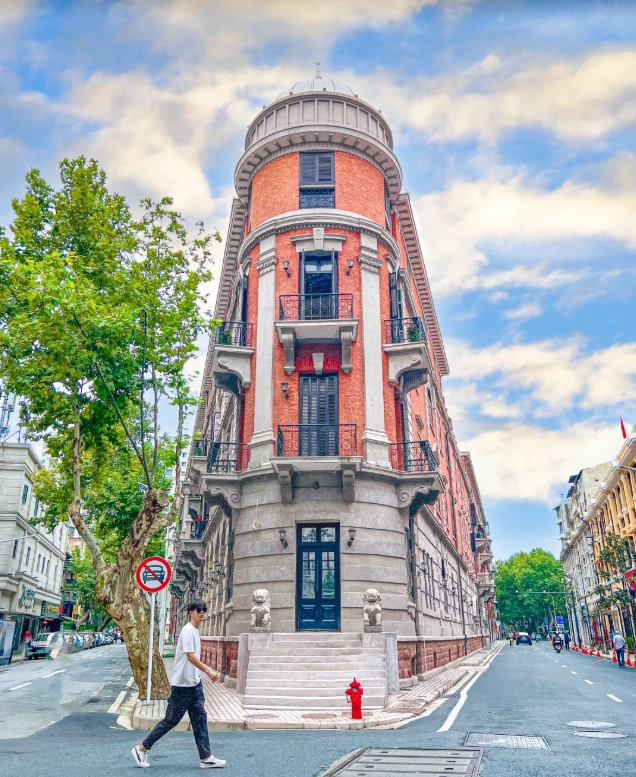
| Detail | Information |
|---|---|
| Address | Sandouping Town, Yichang |
| Opening Hours | 8:00 AM – 5:00 PM |
| Ticket Price | Free, but mandatory reservation with passport |
| How to Book | Ask your hotel, or use Trip.com with an English interface |
| Best Time | Mornings, before the tour groups arrive |
Shennongjia — Only If You Have Time
Shennongjia in western Hubei is a forested, mountainous area known for its biodiversity and the mysterious 'wild man' legend. It's beautiful, but also remote and expensive to reach. Unless you're a nature enthusiast with an extra 3-4 days, I'd suggest skipping it on a first trip. The scenery is similar to other Chinese reserves, and the logistics eat up precious time.
How to Plan a Hubei Itinerary That Works (Even with Limited Time)
Here's a 5-day plan that covers the essentials without rushing. If you only have 3 days, drop Shennongjia and extend your time in Wuhan.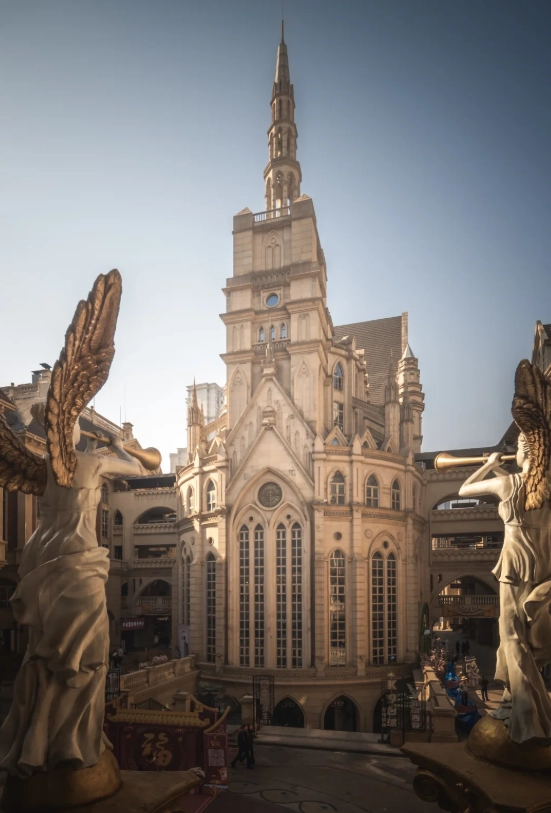
| Day | Activities | Transport |
|---|---|---|
| Day 1 | Arrive in Wuhan, visit East Lake and Hubei Provincial Museum | Metro Line 8 |
| Day 2 | Yellow Crane Tower in the morning, then walk the Yangtze River Bridge | Metro Line 4 |
| Day 3 | Morning: train to Wudang; Afternoon: explore the lower temples | High-speed rail from Wuhan |
| Day 4 | Full day at Wudang Mountain (Golden Summit, South Palace) | Shuttle buses inside |
| Day 5 | Train to Yichang, visit Three Gorges Dam, take evening flight out | High-speed rail |
Adjust for weather: if it's raining in Wudang, swap it for the Hubei Provincial Museum or the Wuhan Art Museum (indoor). For heat in summer, start outdoor activities at dawn and take long lunch breaks.
Survival Tips for Foreign Travelers
These are the things I wish every visitor knew before coming.
Payments: While hotels and large shops accept international cards, most daily transactions operate through Alipay and WeChat Pay. Download both apps before you arrive and link them to your foreign card. It's surprisingly simple and safe. Cash is rarely used and some places won't have change.
Navigation: Google Maps is unreliable in China. Instead, use Apple Maps (which works with Chinese map data) or download the international version of Amap (called 'AMap Global'). Always have the Chinese address written down to show taxi drivers, as they may not understand English.
Booking Day Tours and Tickets: Many attractions now require real-name registration with your passport. The easiest path is to use an English-friendly platform like Trip.com or Klook. For train tickets, use the official 12306 website or a third-party app like Trip.com to avoid the language barrier. And remember to check visa requirements through the National Immigration Administration before you finalize your plans.
Language: English is not widely spoken outside tourist hubs. Download an offline Chinese dictionary or use Apple Translate. And pack a VPN — many Western sites (including Google and WhatsApp) are blocked in China, so you'll need it for communication.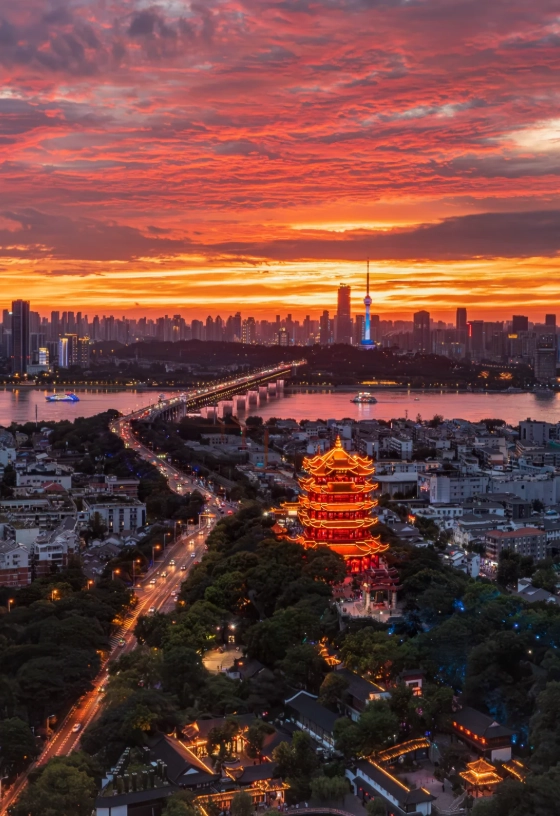
'If there's one thing I want you to remember, it's this: always have a VPN installed before you land. Trying to set it up after arrival is a headache you don't need.'
Where to Stay in Hubei
Base yourself in Wuhan for the first part of your trip. The Jianghan Road area is lively with both heritage buildings and modern malls. For a more laid-back vibe, stay near East Lake in the Wuchang district — it's closer to nature and the museum.
| Area | Hotel Examples | Price Range (night) | Best For |
|---|---|---|---|
| Jianghan Road | Hilton Wuhan, Wanda Reign | 600-1000 RMB | First-timers, nightlife |
| East Lake Area | Hyatt Regency, boutique guesthouses | 500-900 RMB | Families, nature lovers |
| Wudangshan town | Local hotels near the entrance | 200-500 RMB | Early birds, backpackers |
In Yichang, stay near the Central Business District for easy access to the train station and bus tours.
What Is the Food Scene in Hubei?
Hubei's food is known for its bold flavors — think salty, spicy, and oily. Here are the must-tries:
- Hot Dry Noodles (Re Gan Mian) — A sesame-paste-dressed noodle dish served at breakfast. The best spot in Wuhan is Cai Lin Ji (multiple branches, start at 6 AM). It's cheap, around 6 RMB, and perfect for a quick pick-me-up.
- Dou Pi — A crispy pancake stuffed with sticky rice, mushrooms, and pork. Try it at La Tongcheng Doupi in Wuhan.
- Wuchang Fish — The local freshwater fish, usually steamed. It's light and flaky.
- Duck Neck (Ya Bo) — A spicy snack, best known from the Zhou Hei Ya chain. It's sold everywhere.
For a special meal, book a table at Hubu Alley in Wuhan — it's a food street that comes alive in the evening. Vegetarians can find tofu and vegetables at most spots, but be clear about 'no meat' — use translation apps.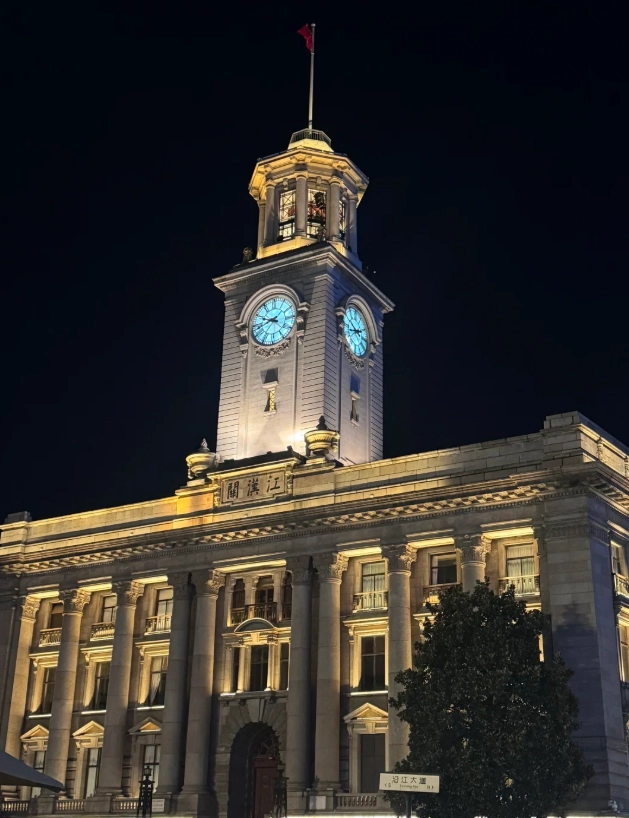
Frequently Asked Questions for Hubei Travelers
This content has been fact-checked to ensure informational precision.





No comments yet.