 Jing Song
- Why Most Travelers Sleep on Liaoning
- How to Plan Your Liaoning Itinerary
- What to Do in Shenyang: Palaces, Museums, and One Hidden Backyard
- What to Do in Dalian: Sea, Sun, and Russian Ghosts
- What to Do in Dandong: Where China Meets North Korea
- What to Eat in Liaoning: The Only Four Words You Need
- Practical Travel Tips for Liaoning
- FAQ: 5 Questions About Liaoning You're Embarrassed to Ask
You never hear travelers rave about Liaoning. That's exactly why you should go.
I've spent half my adult life guiding visitors through this northeastern corner of China — and the first reaction is always the same: they wonder why they almost skipped it. Then they eat a lamb skewer in Shenyang, stare at the Yalu River from Dandong, and finally understand.
Here's what I know after all those trips: most foreign visitors waste hours in two tourist traps that locals avoid, pay double for taxis, and miss the real gems hiding a block away. This guide is my no-filter, get-it-done plan for seeing Liaoning without the headache. If you only read one section, read the one about payments — it'll save your wallet.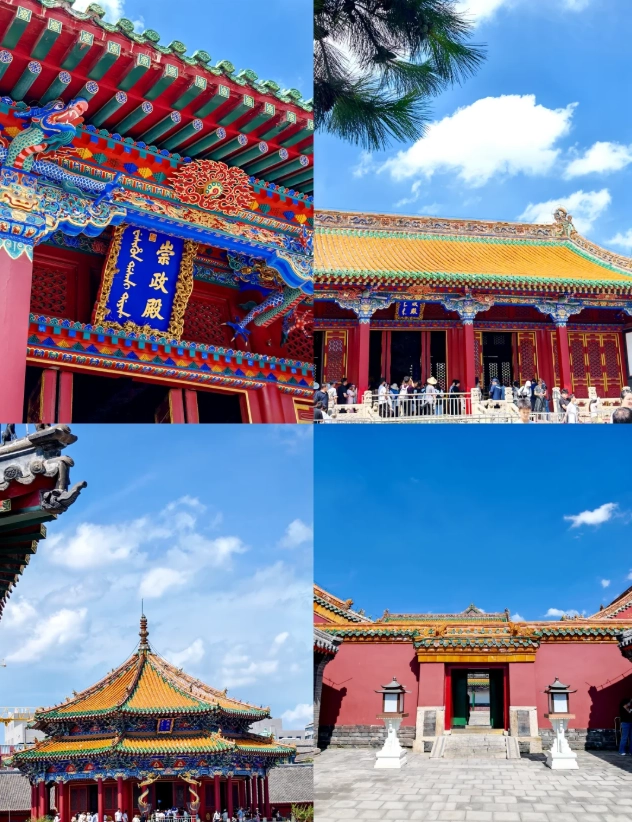
Why Most Travelers Sleep on Liaoning
Liaoning has the history of Xi'an but without the crowds, the coastline of Qingdao but more rugged, and food that deserves its own plane ticket. Yet most itineraries lump it into a rushed day trip from Beijing. That's a mistake.
The province packs three distinct personalities into one trip: Shenyang's Manchu and imperial past, Dalian's seaside Russian-Japanese fusion, and Dandong's tense-yet-fascinating border with North Korea. You won't find this mix anywhere else in China.
The insider angle most guides miss
Liaoning is China's industrial heartland with a soulful, gritty charm. The people are honest and blunt — they'll tell you if you're eating at a tourist trap. I always tell my clients to practice their Mandarin on older locals; you'll make day-long friends.
Another thing: the province is surprisingly easy to connect by high-speed rail. You can hit all three cities in under a week without rushing. And no, you don't need a tour bus.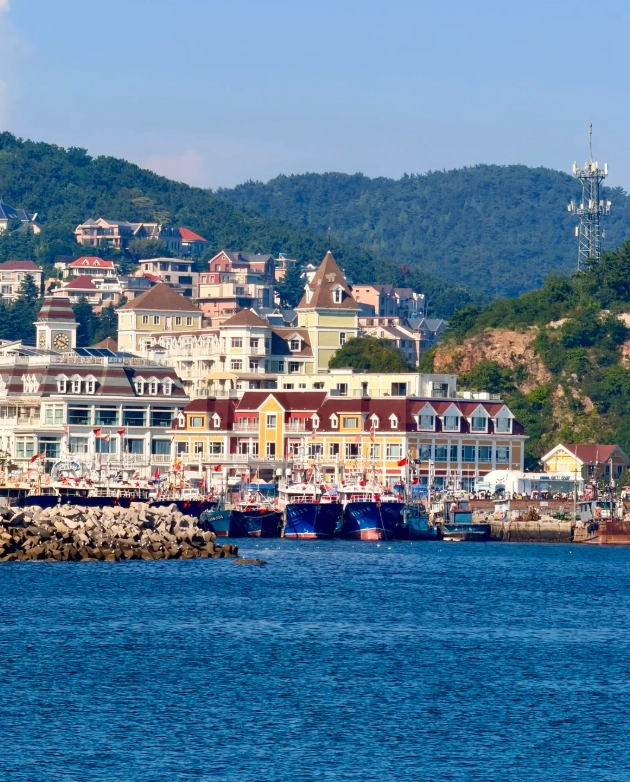
How to Plan Your Liaoning Itinerary
The optimal route is a one-way sweep: fly into Shenyang, take the train down to Dalian, then head northeast to Dandong. Or do it in reverse. Here's a table of the core cities and how they connect:
| City | Standout Vibe | Suggested Time | High-Speed Rail to Next Stop |
|---|---|---|---|
| Shenyang | Imperial Manchuria | 1.5 days | Shenyang → Dalian: ~1.5 hrs |
| Dalian | Coastal Maritime | 1.5 days | Dalian → Dandong: ~2 hrs (via high-speed) |
| Dandong | Border Town | 1 day | Dandong → Shenyang: ~1.5 hrs (direct) |
If you only have 48 hours, pick Shenyang and one other city. Don't try to cram all three — the transport is easy, but your legs won't thank you.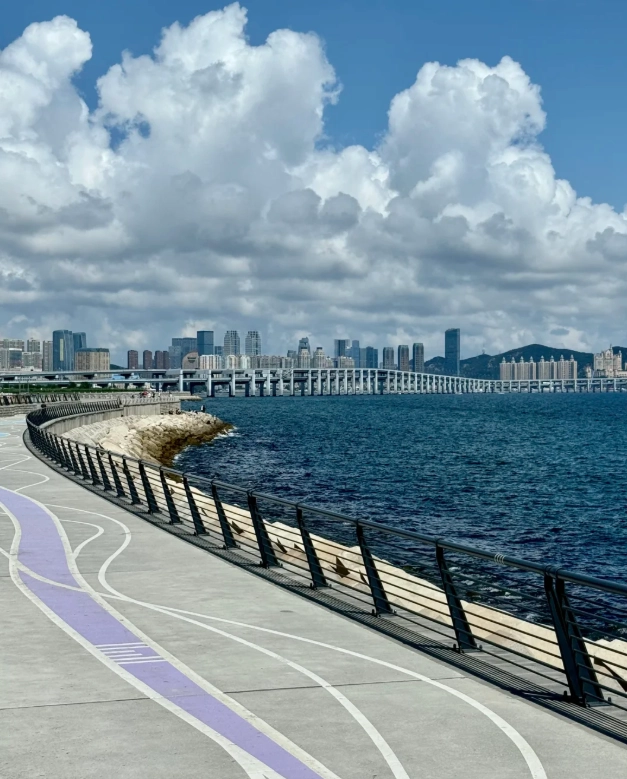
What to Do in Shenyang: Palaces, Museums, and One Hidden Backyard
Most people rush to the Shenyang Imperial Palace because it's a UNESCO World Heritage site — and they're right to. But here's my non-negotiable advice: arrive when the gates open at 8:30. By 10:30, the tour groups flood in and you'll be weaving between selfie sticks. The palace is the second residence of the Qing dynasty emperors, and it feels like a compact version of the Forbidden City with a distinctly Manchu flavor.
Address: 171 Shenyang Lu, Shenhe District. Tickets are about 60 RMB for adults, with discounted rates for children and seniors. You'll need your passport to purchase, and they check it at the gate. Plan to spend two slow hours wandering the courtyards — and grab a seat in the back garden before you leave; that's the best spot for a quiet moment.
The 1912 Rehe Street: Backstreets that feel like nothing else
Two blocks west of the palace, there's a preserved neighborhood of Qing-era lanes that barely shows up on English-language maps. I call it "Old Shenyang" — the street signs are still in Manchurian and Chinese. It's not a tourist site but a living, working part of the city. Walk through at dusk, when the street vendors fire up their charcoal stoves and the smell of lamb skewers fills the air. Follow the smoke to a tiny stall with a long line; that's where the locals eat.
The 9.18 Historical Museum: Hard but important
This is Liaoning's emotional core. The museum commemorates the Mukden Incident that triggered Japan's occupation of Manchuria. It's heavy, and you'll need a bit of history background. But I bring every first-time visitor here — it explains so much about the regional identity. Allow 1.5 hours. Entry is free but you need to reserve with your passport on the official WeChat mini-program. If you struggle with Chinese, ask your hotel concierge to help you book.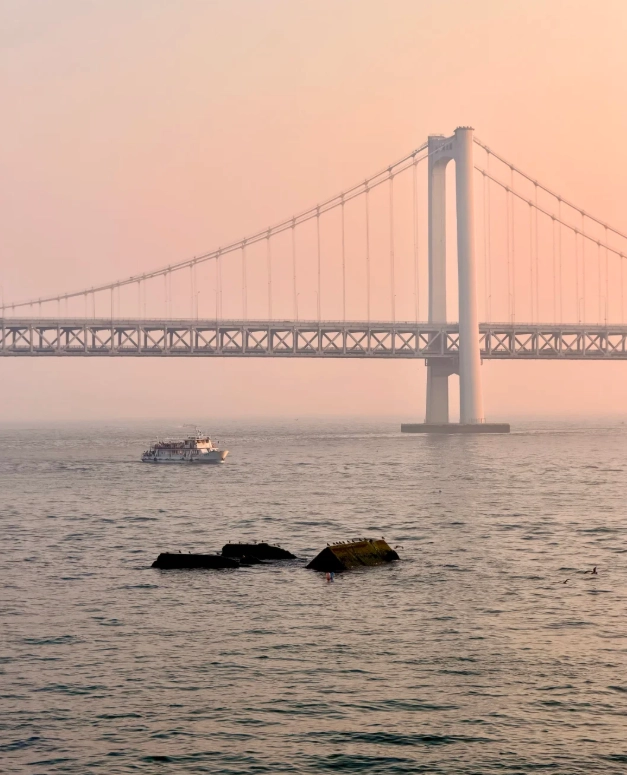
What to Do in Dalian: Sea, Sun, and Russian Ghosts
Dalian feels like an entirely different province — all hills, sea breeze, and European villa leftovers. Start at Xinghai Bay, Dalian's signature waterfront where the city's skyline meets the coast. The square is huge and walkable; most visitors snap a photo with the century-old sculpture and leave. Instead, I walk my groups east along the coastal boardwalk toward Fudacai, a hidden rocky beach where locals picnic. You'll get the same scenery without the selfie-stick crowd.
Binhai Road: The most dramatic drive in Northeast China
Rent a driver or jump on the tourist minibus for a half-day on Binhai Road. This winding road hugs cliffs and offers jaw-dropping views of the Yellow Sea. The best stop is Yanwowo, a cliffside viewpoint where you can see the entire bay. Don't bother with the paid lookout tower — the free platform next to it gives you the same panorama.
Russian Street: A stroll through Dalian's colonial past
Dalian still has an old Russian district near the train station. It's a strange, photogenic block of colorful wooden houses that feel transplanted from a Siberian ski town. The shops sell Russian dolls, chocolate, and Soviet-era trinkets — some tacky, but the buildings are genuinely unique. Visit in the late afternoon for soft light on the facades.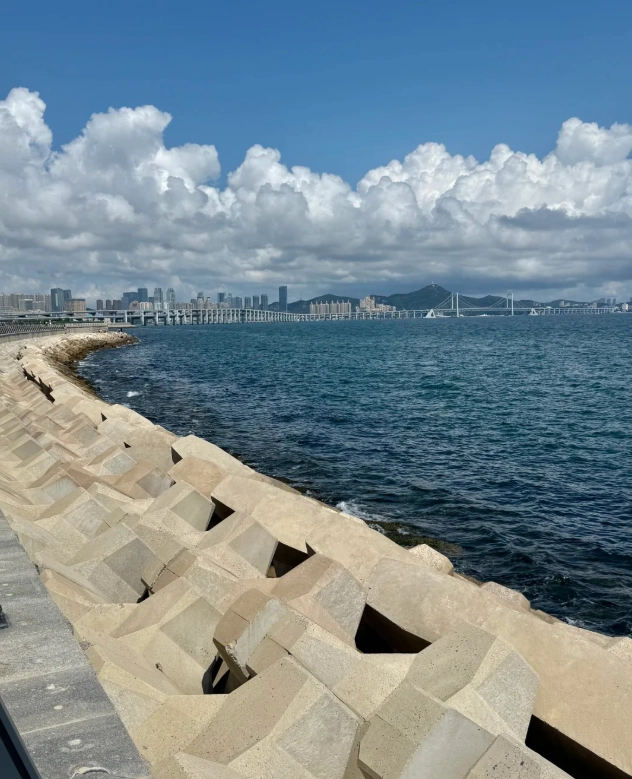
What to Do in Dandong: Where China Meets North Korea
Dandong is the largest border city in China, staring directly at North Korea's Sinuiju. The Yalu River is so narrow that you can wave at people across the water. The essential experience is walking the Yalu River Broken Bridge, a half-destroyed steel structure bombed during the Korean War. The remaining half still works as an observation platform. Tickets are around 30 RMB, and you'll need your passport. Go early morning — the river fog burns off and the view is crystal clear.
If you're feeling adventurous, take a short river cruise (about 40 minutes, around 70 RMB) to get closer to the North Korean side. Just don't bring binoculars or point aggressively — border guards take security seriously.
What to Eat in Liaoning: The Only Four Words You Need
Liaoning's food is bold, greasy, and unforgettable. These four names will keep you full:
- Lamb skewers (羊肉串) — Dongbei style is fat-marbled, charred, and dusted with cumin. Best eaten at a street stall outside the 1912 Rehe Street area (look for the longest line).
- Seafood ( 海鲜 ) — Dalian serves the freshest razor clams and sea urchin. Try the day-boat catch at Wangjia Seafood on Fudacai Street; it's about 100 RMB per head for a feast.
- Guobao rou (锅包肉) — this sweet-and-sour pork with a crispy crust is a Dongbei signature. Every restaurant in Shenyang does it; my favorite is at the old Shenyang restaurant near the Imperial Palace.
- Dandong-style BBQ — river fish, grilled over charcoal with a crackly skin. Head to the night market on Xing Market Street and point at whatever looks alive.
One warning: many places still don't accept international credit cards. I always carry 200 RMB in cash as backup, as most small vendors only take WeChat Pay or Alipay. And don't expect English menus — but the staff are usually happy to let you point at your phone's photo gallery.
Practical Travel Tips for Liaoning
Let me save you the headache I've seen hundreds of times:
- Payments: Download Alipay or WeChat Pay and link your international card before you arrive. Venmo or Google Pay won't work here. Bring cash as a last resort — some street food stalls still deal in cash only.
- Navigation: Forget Google Maps; it's inaccurate and blocked. Apple Maps works, but for the most reliable directions, download AMap Global (高德地图) — it has an English option and works flawlessly. Or just show the Chinese address to your DiDi driver.
- VPN & Translation: You'll need a reliable VPN if you plan to use Google or any blocked social media. Download Apple Translate or Baidu Translate offline packs — you'll use them more than you think.
- Ticket Booking: Many museums and historical sites require a passport and online reservation. Use Trip.com or Klook for convenience, but for state-run sites, the official WeChat mini-program is often cheaper. Prepare to 'negotiate' with your hotel staff for help.
FAQ: 5 Questions About Liaoning You're Embarrassed to Ask
Verified and fact-checked by the editorial team.








No comments yet.