 Jing Song
What's Inside?
Snow in your boots. Frost on your eyelashes. That's Heilongjiang for you. But here's the secret: you don't need a fat wallet to fall in love with this frigid corner of China.
I've guided dozens of sani-clad tourists through Harbin, and the ones who skip the pricey ice festival never regret it. Free things to do in Heilongjiang aren't boring low-budget compromises—they're the real local experience. From the frozen Songhua River to the mosaic of European architecture, this province is an open-air museum that charges nothing for its best displays.
The biggest mistake? Blowing your budget on the Ice and Snow World when the city itself is the show. So grab your thickest coat, and let me show you how to spend a perfect, no-cost day in China's northernmost province.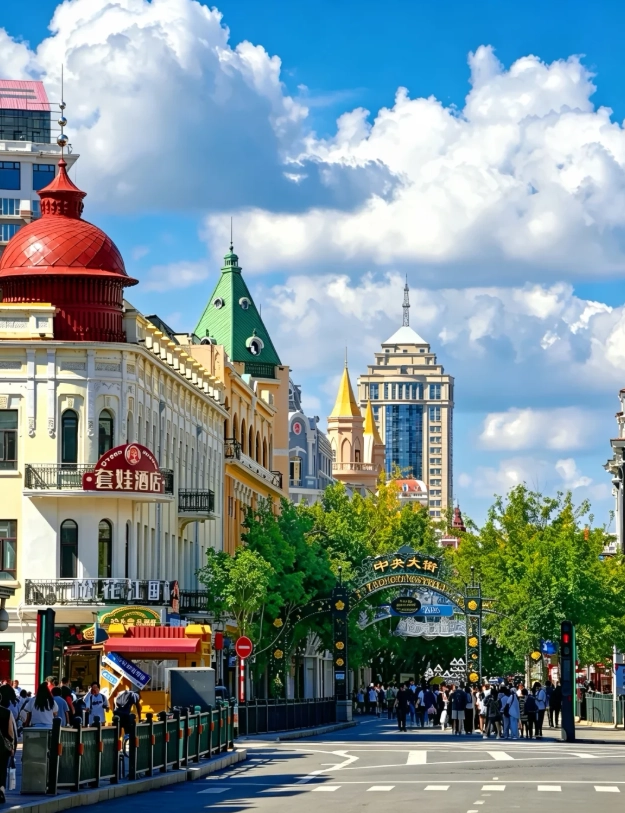
What Are the Best Free Things to Do in Heilongjiang?
When most travelers picture Heilongjiang, they imagine expensive ice parks and ski resorts. But the real charm lies in the everyday spaces locals enjoy. After two decades of showing guests around, these are my top free picks in the province, all verified for the independent explorer.
| # | Attraction | Address | Fee | Best Time to Visit |
|---|---|---|---|---|
| 1 | Central Street | Zhongyang Dajie, Daoli District, Harbin | Free | Morning or evening |
| 2 | St. Sophia Cathedral (Exterior) | 88 Toulong Street, Daoli District | Free | Late afternoon for golden light |
| 3 | Songhua River | Along the riverfront, Harbin | Free | Winter daytime |
| 4 | Stalin Park | Zhaolin Street, Daoli District | Free | Sunset |
| 5 | Flood Control Memorial Tower | Songhua Riverbank, Daoli District | Free | Afternoon |
| 6 | Guogeli Street | Nangang District, Harbin | Free | Late afternoon |
| 7 | Daowai Old Baroque Area | Daowai District, Harbin | Free | Morning |
| 8 | Qunli Music Park | Qunli New District, Harbin | Free | Evening (for musical fountains) |
| 9 | Heilongjiang Provincial Museum | 64 Qingzhu Street, Nangang District | Free (reservation required) | Morning (closed Mondays) |
Now let me walk you through each spot with the nitty-gritty details that make or break your visit.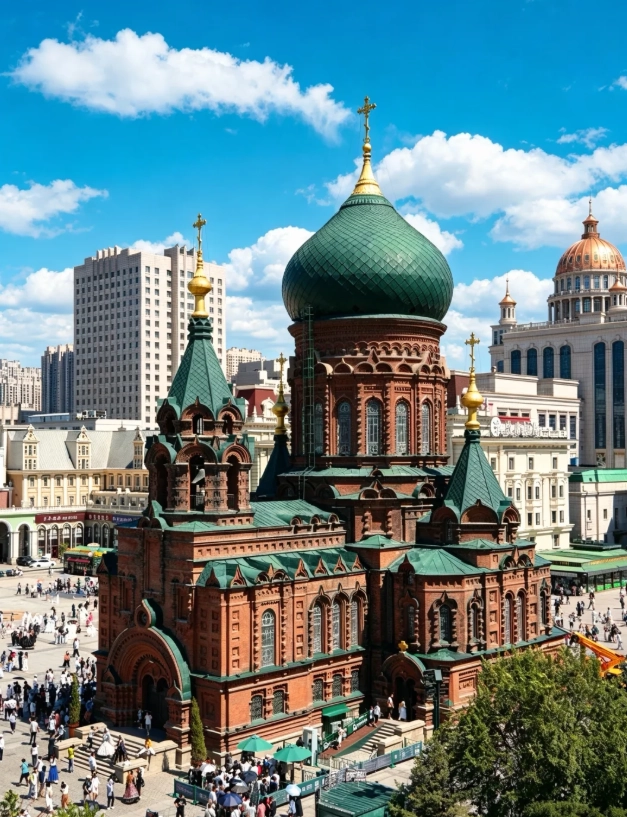
Central Street — The Free Heart of Harbin
Central Street is a 1.4-kilometer pedestrian wonderland lined with European revival architecture. It feels like stepping into a Russian movie set. The northern end opens up to the Songhua River, making it a natural starting point for a free day.
How to get there: take Metro Line 2 to Central Street Station, Exit 1, then walk three minutes. The street is open 24 hours, but I urge you to come before 9 AM—you'll see locals practicing tai chi and the architecture without the crowds. The rush starts around 10 AM when tour groups flood in. Pro tip: the famous ice-cream shop at Ma Die'er is a trap for tourists—just keep walking and enjoy the free window displays.
St. Sophia Cathedral — Camera-Ready from Every Angle
The exterior of St. Sophia Cathedral is completely free to admire, and it's one of the most photographed spots in Harbin. This Byzantine-style church from 1907 boasts a red-brick facade and a majestic green dome.
It's at 88 Toulong Street, Daoli District, roughly a 10-minute walk from Central Street. The interior charges a ticket (about ¥20), but I always tell my guests to skip it—the architecture is best appreciated from outside. The late afternoon light turns the facade a warm amber, ideal for photos. Avoid noon when the square becomes a selfie battlefield.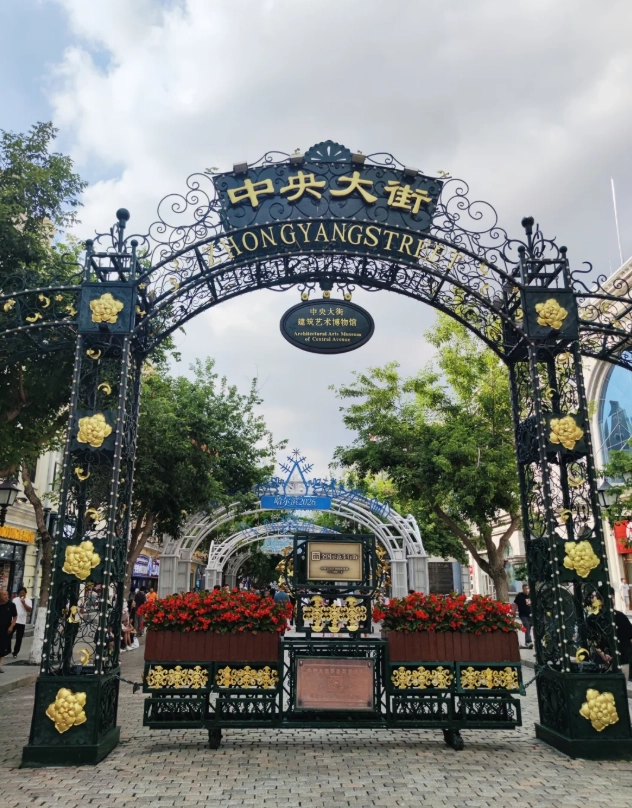
Songhua River — Nature's Frozen Playground
During winter, the Songhua River freezes over, offering a free, thrilling natural playground. You can walk across the ice, watch locals skate, and even slide on impromptu ice trails—all without spending a penny. Access is easy near the Flood Control Memorial Tower. Ice thickness is generally reliable by mid-January, but always stay within the cleared paths. Wear sunglasses—the glare off the frozen surface is intense.
Stalin Park — A Windy Walk with a View
Stalin Park is a long riverside promenade named after the Soviet leader, showing a unique layer of Harbin's history. Stretching from the memorial tower to the east, it's a scenic walk with benches facing the river. In winter, the wind bites hard, so bundle up. This is one of my favorite free sunset spots—the skyline and ice-covered river form a breathtaking panorama.
Flood Control Memorial Tower — A Monument to Resilience
The Flood Control Memorial Tower stands as a proud symbol of Harbin's triumph over the 1957 flood. Surrounding it is a wide, open square that hosts free ice sculptures in winter. Go in the late afternoon to see the tower illuminated against the dusk sky. It's a perfect gathering spot to soak in the local vibe.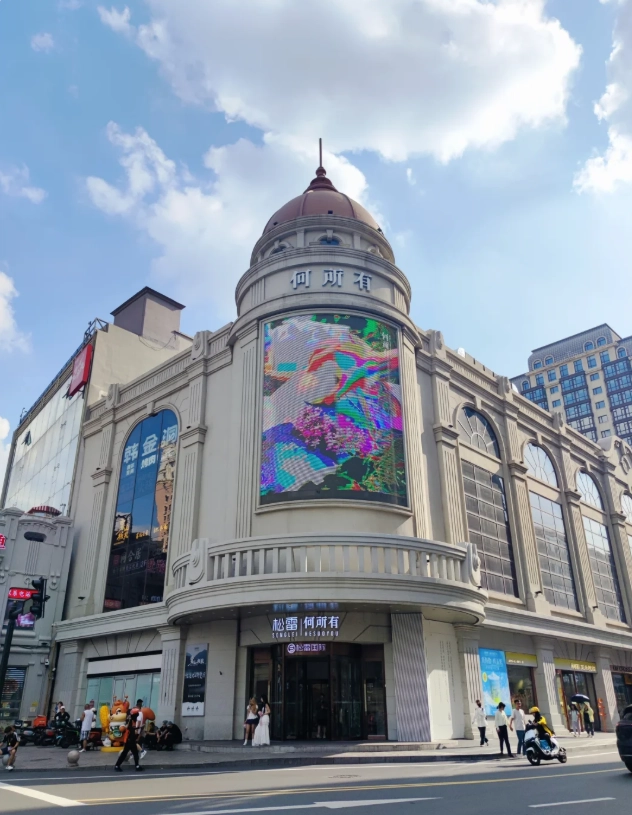
Guogeli Street — Architectural Time Travel
Guogeli Street (Gogol Street) is a tree-lined boulevard in Nangang District, far less crowded than Central Street but equally stunning. You'll find a mix of Russian, Baroque, and Art Nouveau buildings, along with the striking Saint Alexeev Church (view from outside). This is a free open-air architecture museum. I recommend visiting in late afternoon when the sunlight filters through the trees.
Daowai's Old Baroque Area — A Forgotten Gem
Daowai District is Harbin's oldest neighborhood, filled with decaying Baroque buildings from the early 20th century. It's a raw, unpolished slice of local life—laundry on balconies, old men playing chess, and a stark contrast to the polished Central Street. Head to the intersection of Jingyu Avenue and Nanxun Street, then just wander. Give yourself two hours to explore these faded facades. This is truly a free hidden gem that most guidebooks overlook.
Qunli Music Park — Art and Nature Combined
Qunli Music Park (also called Harbin Music Park) is a modern green space in the Qunli New District, dedicated to music and art. It features open-air stages, musical fountains, and quirky sculptures. In summer, you can catch free fountain shows in the evening. The park is a bit outside the old city, but accessible via Metro Line 3. Bring a picnic and make it a relaxing afternoon.
Heilongjiang Provincial Museum — Free Culture with a Reservation
The Heilongjiang Provincial Museum offers free admission, but you need to book a ticket in advance using your passport. It's a fascinating walk through the province's natural history, ethnic minorities, and revolutionary past. To avoid the Chinese-only WeChat mini-program hassle, schedule your visit through a travel platform like Trip.com or ask your hotel to help you reserve. The museum is closed on Mondays. Address: 64 Qingzhu Street, Nangang District. Allow an hour and a half for a thorough visit.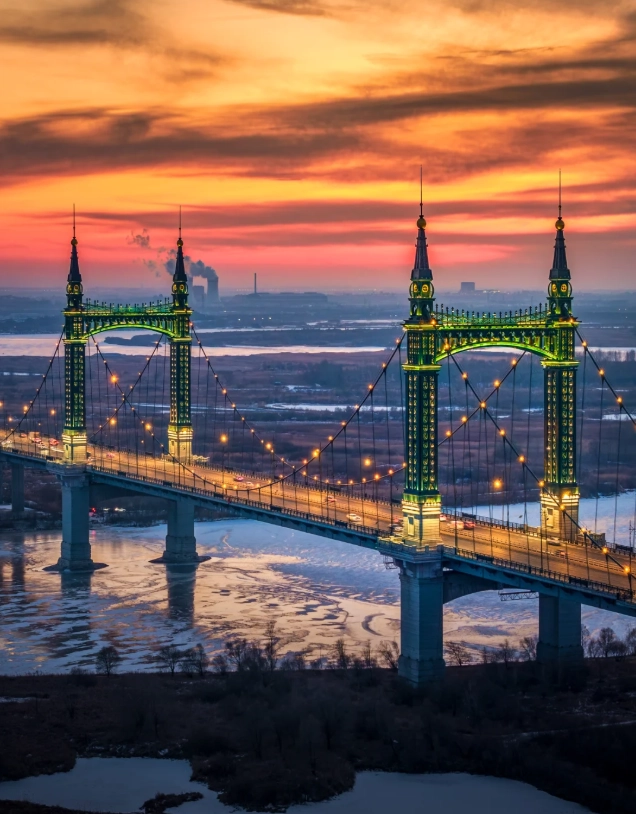
How to Plan Your Free Day in Heilongjiang: A Step-by-Step Itinerary
Here's the exact route I'd take with a free-day budget of zero. I've optimized for minimum backtracking and maximum local flavor.
Morning (9:00–11:30): Start at Central Street for a peaceful stroll. Walk north toward the Songhua River—you'll pass by St. Sophia Cathedral en route. Stop at the square for photos before continuing to the riverbank. By 10:30, you'll reach the Flood Control Memorial Tower and Stalin Park, where the afternoon sun starts to cast good shadows.
Lunch (11:30–12:30): You can eat for under ¥30 at a local noodle shop near the river. I always point my groups to the small eateries on Zhaolin Street—look for ones filled with locals. If you're strict about the "free" part, pack a lunch and enjoy it on the benches of Stalin Park.
Afternoon (12:30–16:30): Take a taxi (around ¥20) to Guogeli Street. Spend an hour admiring the architecture, then grab another taxi (¥25) to the Daowai Old Baroque Area. This historic district is best explored on foot—wander the alleys, peek into courtyards, and watch daily life unfold. End your afternoon with a walk along the river if the weather still allows.
Evening (17:00 onward): For a free finale, either catch the sunset and lights at the Flood Control Memorial Tower or head to Qunli Music Park. In summer, the fountain show is impressive; in winter, the park hosts free ice displays. Both are within reach of the metro.
If the weather turns foul—blizzards or minus-30°C temperatures—swap the outdoor spots for the indoor comfort of the Heilongjiang Provincial Museum. It's the perfect Plan B.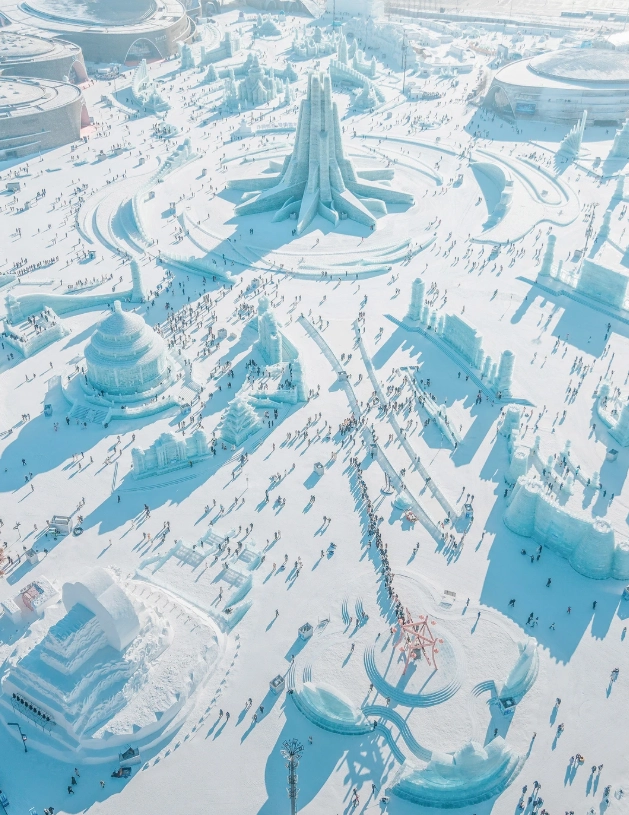
Insider Tips for Enjoying Heilongjiang Without Spending a Fortune
After years of guiding, I've learned a few hard-won lessons about free travel in this region. Here are the essentials.
Payment: Carry some cash as backup, but rely on Alipay or WeChat Pay. Most street snacks and small shops accept these mobile wallets. International credit cards rarely work outside big hotels. Set up Alipay before you arrive—linking your foreign card is straightforward. For the latest entry requirements, check the National Immigration Administration's website (www.nia.gov.cn).
Navigation: Ditch Google Maps; it's unreliable and often blocked. Download AMap or Apple Maps. AMap has an English interface and works offline. When taking a taxi, show the driver the Chinese address—I've included these in the table above.
Reservations: Some free attractions, like the provincial museum, require a passport-based reservation. Use a platform like Trip.com or ask your hotel front desk to help. For train travel beyond Harbin, book via the official China Railway site (www.12306.cn)—it has an English version. The region's volcanic landscapes, such as Wudalianchi, are part of the UNESCO Global Geoparks network (www.unesco.org), worth a separate trip.
Language: Download a translation app like Baidu Translate. English is not common, especially outside tourist zones. Having Chinese text ready for taxis and menus saves a ton of hassle.
Cold weather: Dress in layers and invest in insulated, non-slip boots. The cold in Harbin can be brutal, but with the right gear, you'll enjoy the free outdoor spots safely. Always carry your passport—locals and officers may ask to see it at random spots.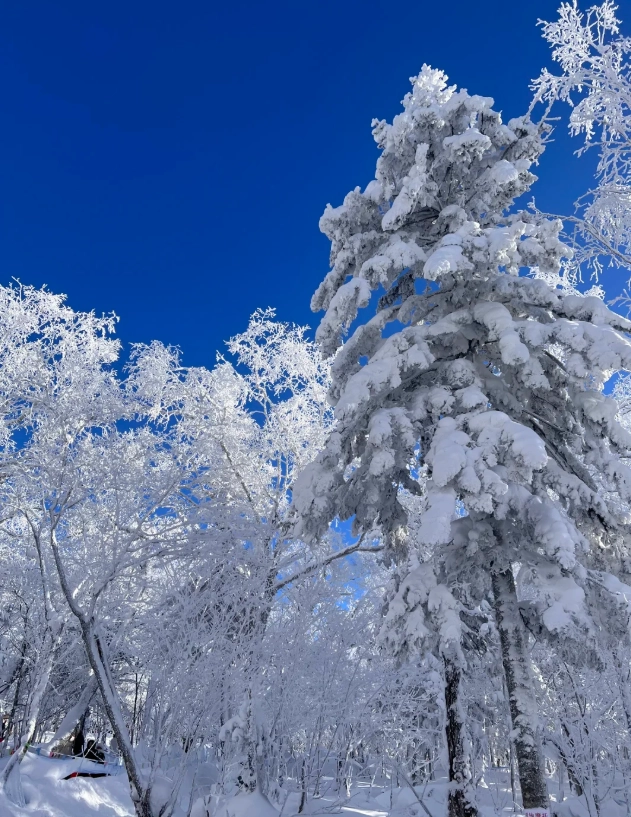
Frequently Asked Questions About Free Things to Do in Heilongjiang
Verified and fact-checked by the editorial team.





No comments yet.