 Chen Liu
What You'll Find Here
- What to Know Before Visiting Hubei Tourist Attractions
- Top 5 Must-See Hubei Tourist Attractions
- How to Plan a Hubei Tourist Attraction Itinerary
- Getting to Hubei Tourist Attractions: Trains, Flights & Local Transport
- Where to Stay for Easy Access to Hubei Attractions
- Hubei Food Guide: What to Eat Near Major Attractions
- Hubei Travel Tips for Foreigners: Payment, Maps & Language
- FAQ: Questions About Hubei Tourist Attractions
So there I was, standing outside the Yellow Crane Tower with a flustered couple from the UK. Their Alipay had refused to work because they'd linked it to a US number, and the ticket booth clearly said 'No cash accepted.' We were 10 minutes from the closing time. Sound familiar? That's one of the many hurdles I've helped foreign travelers overcome while exploring Hubei tourist attractions. Let me save you the same headache.
The biggest mistake most tourists make is assuming they can just show up and swipe a credit card. In Hubei, almost everything runs on mobile payment and advance booking. But don't worry — I've spent years guiding people through this beautiful province, and I'm about to reveal every pitfall I've seen. By the time you finish this guide, you'll know exactly what to do.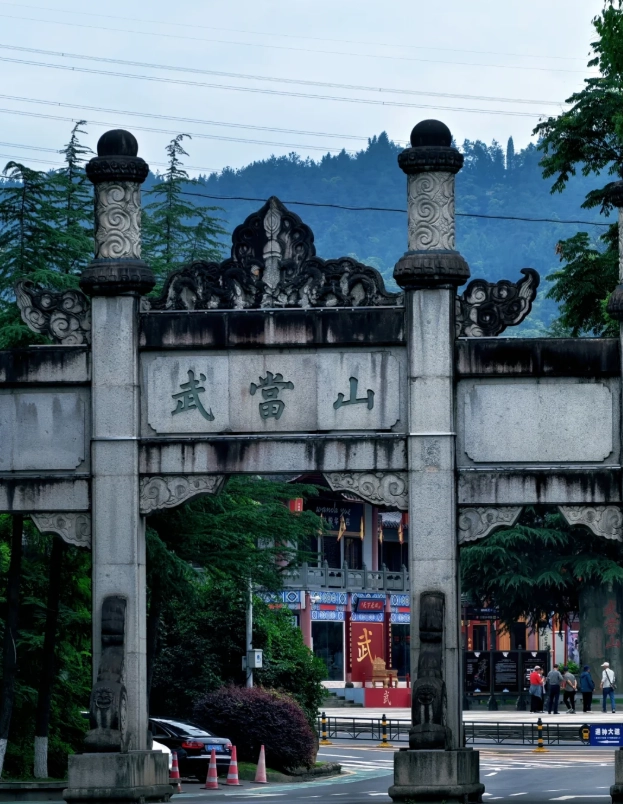
What to Know Before Visiting Hubei Tourist Attractions
First-time visitors often underestimate the scale of Hubei's major sites. For example, Wudang Mountain isn't just a temple; it's a massive mountain complex with multiple peaks, requiring two full days to see properly. The key is preparation, not improvisation.
Here are the essentials:
- Foreigner-friendly booking: You'll need a passport for most attractions, and tickets often require advance booking via WeChat mini-programs or platforms like Trip.com.
- Payment reality: Cash is rarely accepted at ticket booths and inside scenic areas. Set up Alipay or WeChat Pay with an international card before you arrive. Test it in your home country.
- English support: Attractions like Yellow Crane Tower have English signage, but smaller spots may not. Download an offline translation app like Microsoft Translate.
- VPN requirement: Google, WhatsApp, and many Western sites are blocked. Install a reliable VPN before your trip.
Top 5 Must-See Hubei Tourist Attractions
I've listed my absolute favorites, the ones that consistently impress my clients. Each has its unique charm, but they share one thing: they're all real standouts.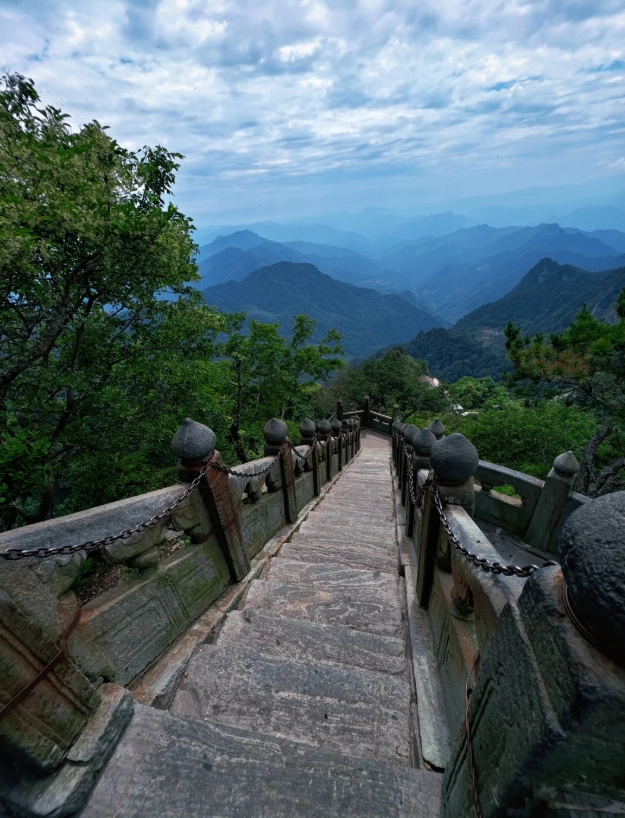
1. Yellow Crane Tower, Wuhan
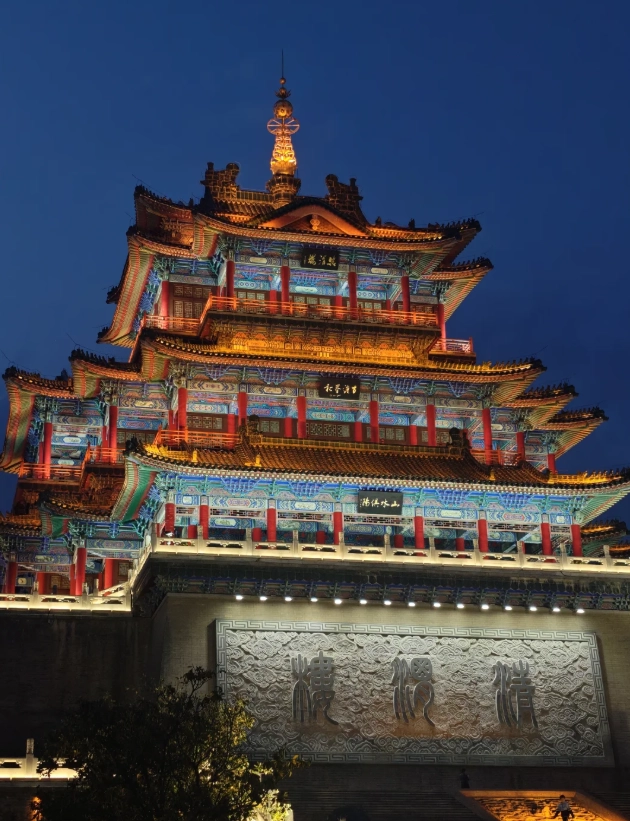
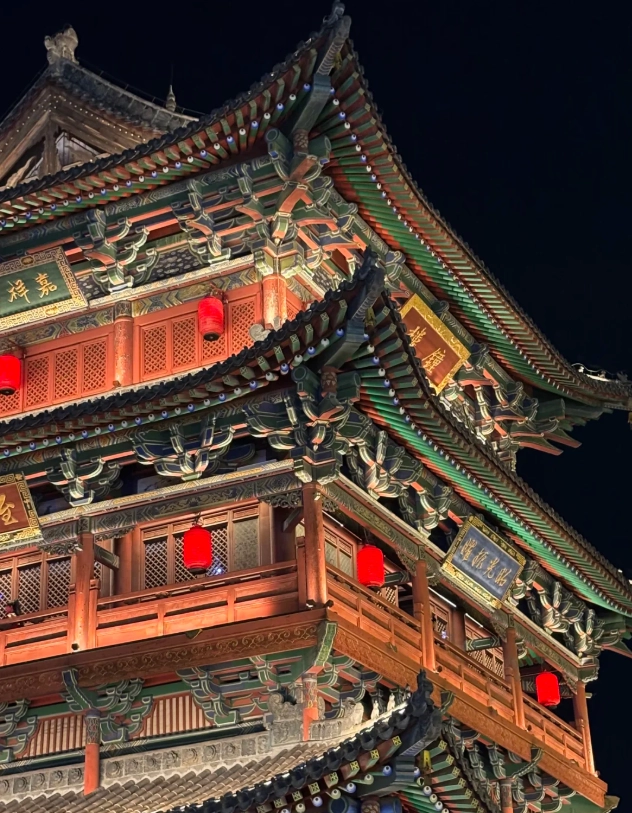
This is the postcard icon of Wuhan and a UNESCO-recognized cultural landmark. The current tower is a reconstruction, but its history stretches back over 1,800 years. Climb to the top for a sweeping view of the Yangtze River and the modern city skyline. I always tell my clients to visit early — the light is softer and the crowds are thinner.
- Ticket: About 70 RMB for adults, with discounts for students and seniors. You must book in advance using your passport. I recommend booking via Trip.com if the official WeChat mini-program is too complex.
- Getting there: Take Metro Line 5 to Sijimen Station, exit A. You'll walk about 10 minutes uphill to the gate. The nearest stop from the main entrance is about 300 meters.
- Best time: Open throughout the year, but I'd avoid weekends if possible. Try to arrive before 8:30 AM.
- My experience: The ground level has a beautiful ancient style, but the real gem is the fifth floor, where you can feel the river breeze. Bring a hat — there's little shade on the upper floors.
2. Three Gorges Dam, Yichang
The world's largest hydropower project is jaw-dropping in scale. It's not just a dam; it's a testament to modern engineering. The best viewpoint is the observation deck at Tanzi Ling, which offers a panoramic view.
- Admission: The dam itself is free, but you must take a designated shuttle bus (about 30 RMB) from the tourist center. Passport booking is mandatory. I always use the klook platform for a smoother reservation.
- Getting there: From Yichang East Railway Station, take bus 21 or the direct tourist shuttle. The trip takes about an hour. A taxi costs around 80-100 RMB, which I'd suggest if you're in a group.
- Navigation tip: The dam area is large. Wear comfortable shoes — you'll be walking about 5 kilometers in total.
- Don't miss: The 185 Platform, named after the elevation of the dam top. It brings you terrifyingly close to the water's edge.
3. Wudang Mountain, Shiyan
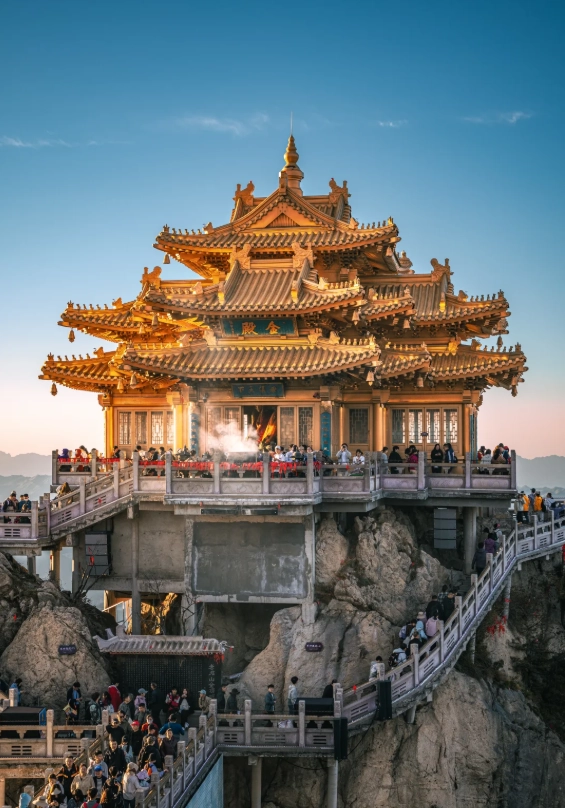
Wudang is a sacred Taoist site and a UNESCO World Heritage location. The complex of palaces and temples spans across the mountains, and you'll need at least two days to explore thoroughly. I've hiked these trails dozens of times, and every single visit reveals a new corner.
- Ticket: The main entrance fee is about 140 RMB plus a mandatory shuttle bus (100 RMB). Ropeway to the Golden Peak costs an extra 170 RMB? Actually, the price varies. Check the official Wudang ticket website before you go — prices change seasonally.
- Getting there: Take a high-speed train to Wudangshan West Station, then a local bus to the scenic area entrance. From the entrance, the shuttle takes another 30 minutes to reach the main starting points.
- Pacing yourself: I suggest staying overnight at one of the temple's simple guesthouses to catch sunrise from the Golden Peak. It's an experience you'll never forget.
- My regret: I once rushed the whole mountain in one day with a client and we both missed the Nanyan Palace's stunning cliffside temples. Don't be like me — give this place time.
4. Shennongjia Forestry District
Shennongjia is one of China's best-kept secrets — a vast forested area with ancient trees, rare wildlife, and alpine meadows. It's particularly famous for 'savages' legends and wild beauty. It's a tough destination to reach, but that's exactly why I love it.
- Best time: Summer for cool air and green valleys, autumn for golden leaves. Winter can see roads blocked by snow, so I avoid winter unless you're an experienced winter driver.
- Getting there: Fly into Shennongjia Hongping Airport from major Chinese cities, or take a high-speed train to Shiyan and then a 3-hour bus. Alternatively, rent a car with a driver from Yichang — it's about 5 hours.
- Booking: Tickets for Dajiu Lake and the Shennong Peak are sold separately. I strongly recommend hiring a local guide for at least one day to navigate the complex road network.
- Unique insight: Most tourists stick to the asphalt roads. But the real magic is on the hidden trails. Ask your guide to take you to the 'Zero Kilometer' marker — it's a peaceful spot with resident monkeys.
5. Enshi Grand Canyon
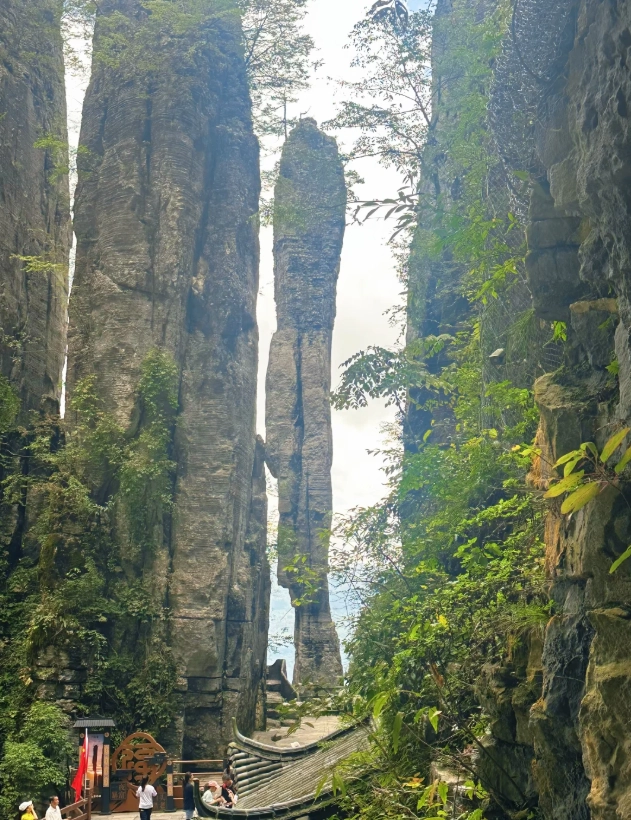
This is a more recent addition to Hubei's tourist map, but it's blown me away every time. The canyon feels like a giant green crack in the earth, with hiking trails clinging to sheer cliffs. The 'Towering Pillar' is a single stone column that defies gravity.
- Ticket: Around 120 RMB for entrance plus a shuttle bus (about 30 RMB). The cable car is separate, and I find the mountain staircase a better value.
- Getting there: Take a high-speed train to Enshi Station, then a 1-hour bus to the canyon. The canyon is huge — expect to walk at least 8 kilometers.
- Pro tip: Start your hike before 9 AM to finish before afternoon thunderstorms, which are common in summer.
- My honest opinion: The view is extraordinary, but the steps are endless. I always tell older travelers to hire a sedan chair to carry them up partway. It's worth the cost.
How to Plan a Hubei Tourist Attraction Itinerary
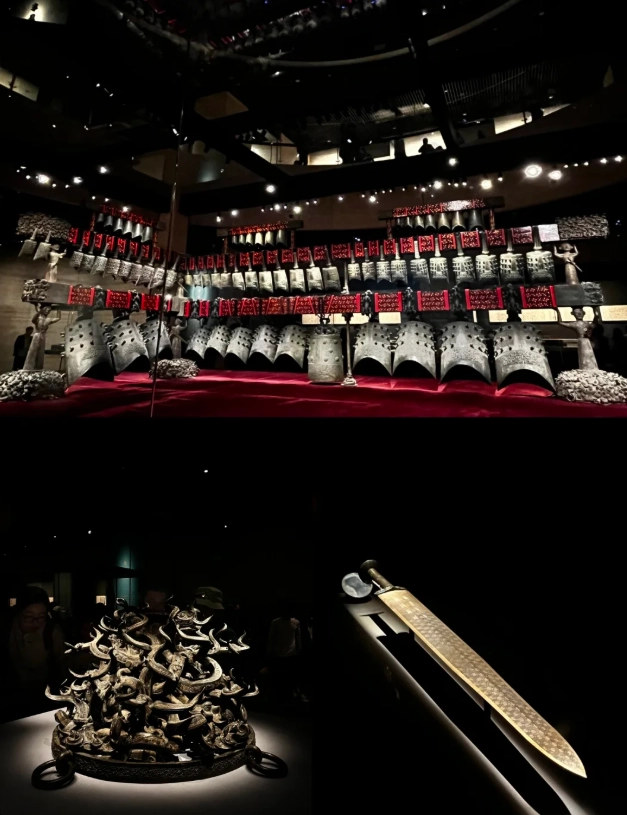
If you have only 3 days, focus on Wuhan and Yichang. That's enough for Yellow Crane Tower, the Provincial Museum, and a day trip to the Three Gorges Dam. If you have 5-7 days, add Wudang Mountain or Enshi.
Here's a practical 3-day plan that I personally use with my clients:
- Day 1: Wuhan — Start with Yellow Crane Tower at 8 AM, then wander around the adjacent Hubei Provincial Museum (book free tickets 3 days ahead). In the afternoon, stroll along the Yangtze River bridge. Dinner at the famous Hubu Lane street food market.
- Day 2: Yichang — Take the 8 AM high-speed train from Wuhan to Yichang (about 1.5 hours). Visit the Three Gorges Dam and the scenic Qu Yuan Temple. Return to Wuhan in the evening.
- Day 3: Wudang Mountain — Take the morning train to Wudangshan West (2 hours). Explore the lower temples and take the ropeway to the Golden Peak. If you're skipping Wudang, consider a day trip to the ancient city of Xiangyang.
Getting to Hubei Tourist Attractions: Trains, Flights & Local Transport
Hubei is China's transportation hub. Wuhan's international airport and high-speed rail network make it the gateway to central China.
- International flights: Wuhan Tianhe Airport (WUH) connects direct flights from London, Paris, Rome, and many Asian cities.
- High-speed trains: From Shanghai or Hong Kong, you can reach Wuhan in 4-5 hours. For booking, use the official China Railway (12306) English site or a travel agent.
- Within Hubei: Trains are quick between Wuhan, Yichang, and Shiyan. For Shennongjia, a direct flight is easiest. I recommend downloading the Apple Maps or AMap for navigation, as Google Maps is unreliable in China.
- Taxis: Use Didi or taxis with no meter — negotiate before riding. I always ask the hotel front desk to write the destination in Chinese to avoid confusion.
Where to Stay for Easy Access to Hubei Attractions
The base of your trip depends on your first destination. For Wuhan, stay near Wuchang railway station or the area around Yangtze River to be central. For Yichang, pick a hotel near the East Railway Station. For Wudang, stay in Shiyan city and commute.
| City | Best Area | Price Range (RMB) | Why |
|---|---|---|---|
| Wuhan | Jianghan Road / Wuchang | 300-800 | Walking distance to Yangtze River, metro access |
| Yichang | Yichang East Station | 200-500 | Easy train access, clean area for families |
| Shiyan | City Center | 150-400 | Budget-friendly, buses to Wudang |
I've stayed in all these areas. My favorite is the Wuhan Riverside area — you wake up to the river view and can even jog along the waterfront. Make sure your hotel has a 24-hour front desk and a concierge who can speak basic English. If you're a hostel person, Hubei's backpacker hostels in Wuhan are surprisingly comfortable.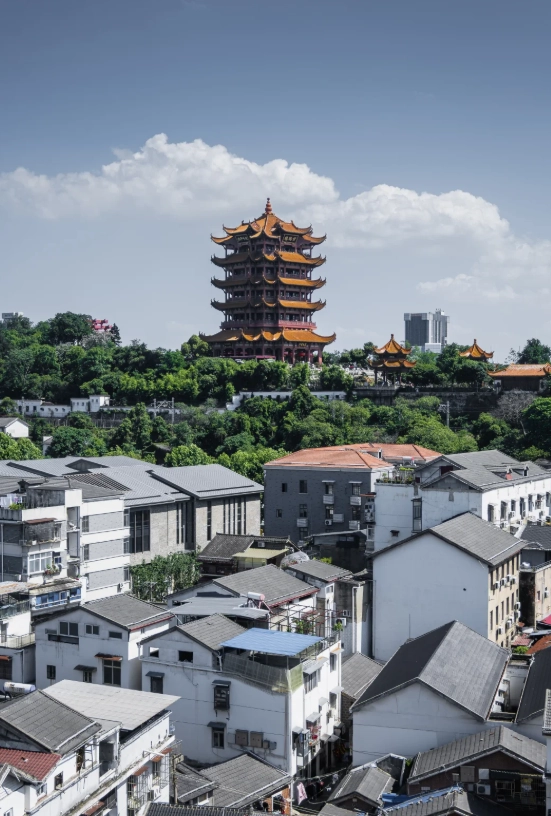
Hubei Food Guide: What to Eat Near Major Attractions
Hubei cuisine is known for its river freshness and bold flavors. Don't leave without trying these:
- Hot Dry Noodles (Re Gan Mian): Wuhan's breakfast staple. I always take clients to Hubei Cloth Shop on Hubu Lane. Get the spicy version and a cup of warm soy milk.
- Wuchang Fish: A legendary fish, steamed and served with shredded ginger. Try it at the King of Chu restaurant near Yellow Crane Tower.
- Doupi: A savory pancake made with a layer of sticky rice, minced meat, and egg. Street stalls in Wuhan sell it for about 5 RMB.
- Duck neck: Spicy and salty — a perfect snack for the train. The most famous brand is Tingtao.
Remember to carry bottled water and tissues because you'll sweat a lot with the spice. Always confirm whether the restaurant accepts Alipay or WeChat Pay — most do. For those with dietary restrictions, ask for 'bu you rou' (no meat), but be patient; Hubei cuisine loves pork.
Hubei Travel Tips for Foreigners: Payment, Maps & Language
Getting around as a foreigner is easier now than a decade ago, but preparation is non-negotiable.
- Payment: Set up Alipay and link your international Visa or Mastercard. Test it in a hotel or convenience store first. Apple Pay works inside Alipay but not everywhere.
- Maps: Google Maps is useless in China. Use Apple Maps or download AMap (高德地图) in English mode. You can search addresses in pinyin or Chinese. I usually type the Chinese name I get from the entry ticket.
- VPN: Install a VPN before you leave. This allows you to access Google, WhatsApp, and social media. Again, verify it works before arriving.
- Translation: The WeChat app has a built-in translate feature for chat. For on-the-spot speech, use the Microsoft Translator app.
- Passport copy: Keep a photocopy in your hotel safe. Some attractions require you to leave ID while renting e-bikes or climbing.
I can't stress this enough — these small preparations can save you hours of frustration.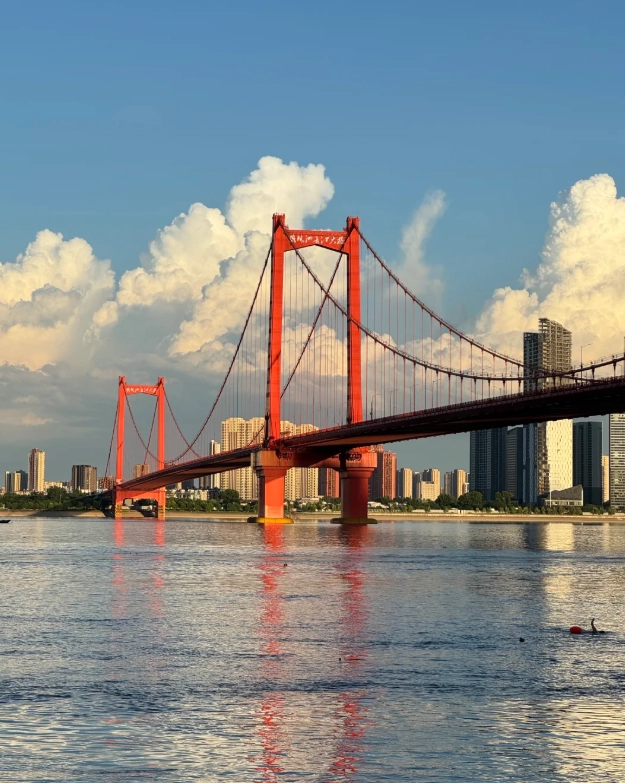





No comments yet.