 Yan Zhou
What You'll Find Here
I once had a traveler stuck at the Nanchang West train station because his credit card wasn't accepted for a ticket. He missed his bullet train to Jingdezhen. That's when I realized most foreign tourists need more than a list of names — they need the gritty logistics behind the must see in Jiangxi.
So here's my honest take: the must see in Jiangxi isn't just about iconic Mount Lu or the porcelain capital. It's about knowing the exact ticket office window, the right platform, and the payment methods that actually work for you. Without those details, your trip can turn into a series of frustrating dead ends.
Let me save you the trouble right now: book every major ticket with your passport through Trip.com or a hotel concierge, carry around ¥500 in cash for small stalls, and start your day at 7:30 AM — that's when the crowds and heat are still manageable. Below, I break down everything else you need to know.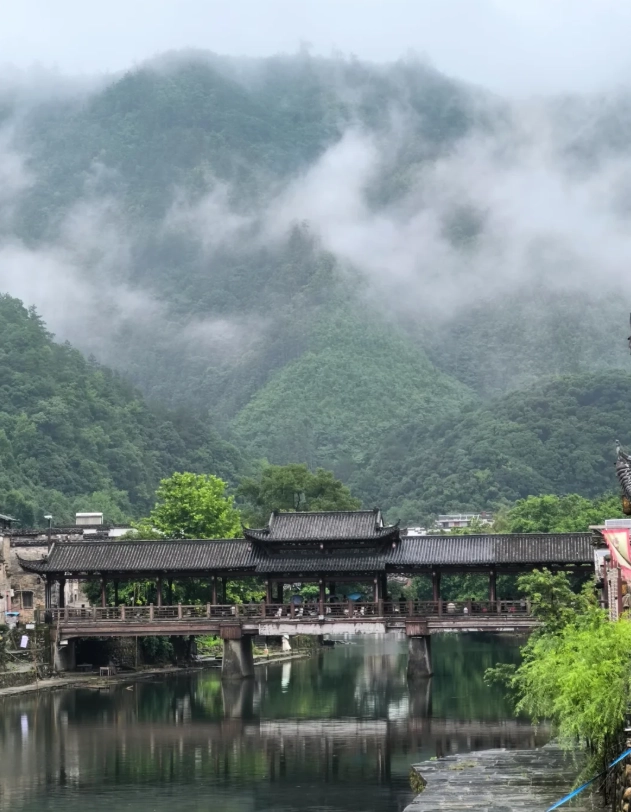
What Counts as a Must See in Jiangxi?
I've guided dozens of groups across this province, and I've learned to separate the real winners from the tourist traps. A must-see destination in Jiangxi should have three things: unique natural or cultural value, solid infrastructure for visitors, and a way to experience it without feeling like a sardine.
Of course, the region is packed with temples, lakes, and smaller villages. But for a first-timer, these five deliver the strongest return on your time and money.
Why Jiangxi Deserves a Spot on Your China Itinerary
Most international travelers jump straight to Beijing, Xi'an, and Shanghai. They forget that China's real charm often hides in places like Jiangxi. This province is home to two UNESCO World Heritage listing sites — Mount Lu and Mount Sanqing — plus the world's porcelain capital, Jingdezhen, and the idyllic villages of Wuyuan.
Jiangxi also lies on the main high-speed rail routes. From Nanchang, you can reach most of these destinations in under two hours. Combined with relatively low costs and fewer crowds compared to the big cities, Jiangxi is a smart add-on to any China trip.
The 5 Must-See Destinations in Jiangxi
1. Mount Lu (Lushan) — The UNESCO Classic
Mount Lu is a misty mountain retreat that has attracted poets, politicians and believers for over two thousand years. It's also a UNESCO site for good reason — the dramatic peaks and cloud-filled valleys have inspired Chinese ink paintings for centuries.
- Location: Jiujiang City, northern Jiangxi
- Ticket price: Around ¥160 in peak season, but prices vary; check official channels.
- Opening hours: Typically 6:00–18:00, with some spots open longer.
- How to get there: Take a high-speed train from Nanchang to Jiujiang (about 1 hour), then a local bus or taxi to the south gate at Guling. From there, use the tourist shuttle or cable car.
- Best time to go: Arrive before 8 AM on weekdays to avoid both tour groups and the harsh midday sun.
- Length of visit: Two days is ideal; one day feels rushed.
Here is the catch: the cable car can have long queues. I always tell my guests to take the shuttle bus up first if they have large luggage, because the cable car stations are crowded with same-day visitors.
2. Jingdezhen — The Porcelain Capital
Jingdezhen is not a place you visit — it's a place you absorb. For over a thousand years, this city has produced the world's finest ceramics, and today you can watch artisans still using ancient techniques.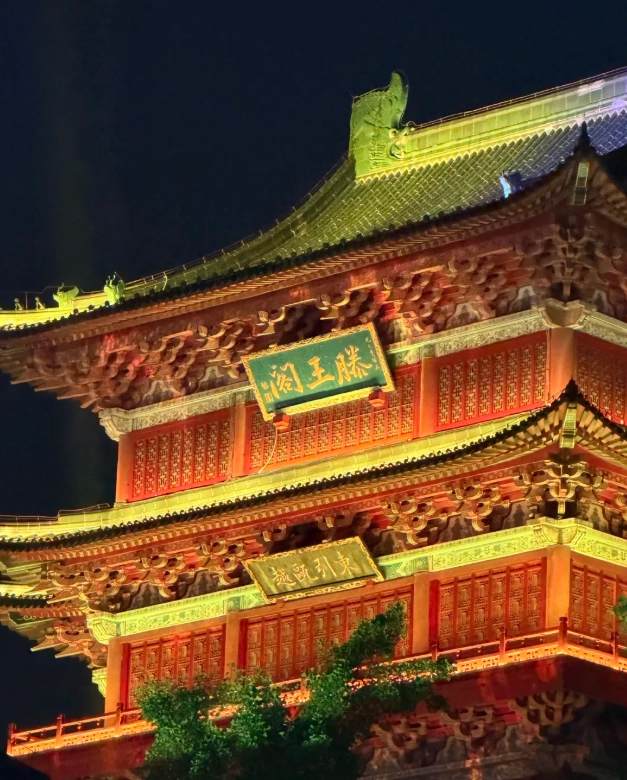
- Location: Jingdezhen City, northeastern Jiangxi
- What to see: The Imperial Kiln Museum, Taoxichuan (a ceramic art district), and the ancient Ming and Qing kiln sites.
- Ticket price: Many sites are free, but the Ancient Kiln Folk Custom Museum charges around ¥70. The ceramics market is open all day.
- How to get there: High-speed train from Nanchang or Shangrao. From the station, take Didi or a taxi to the city center (about 20 minutes).
- Best time to go: Mid-morning, after the morning rush. The museums open at 9 AM.
- Length of visit: One full day to see the top sites and a bit of the shopping street.
Insider tip: Don't miss the Saturday morning market at Taoxichuan if you want to see local artisans at work.
3. Wuyuan — Rural Villages That Look Like Paintings
Wuyuan is the postcard of Jiangxi — deep green hills, white-walled Hui-style houses, and fields that explode with color in spring and autumn. It's the kind of place that makes you slow down and actually breathe.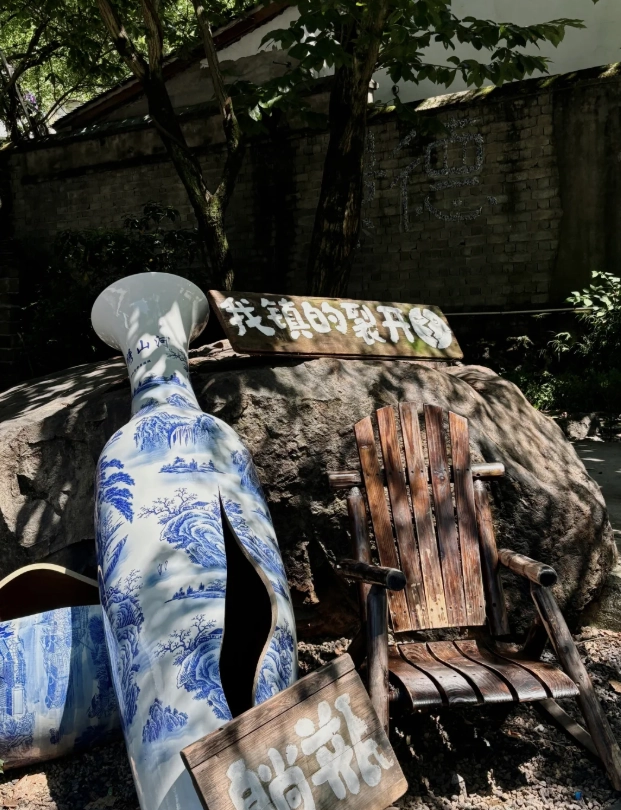
- Location: Wuyuan County, under Shangrao City
- Ticket price: A combo ticket for several villages costs around ¥210. Individual villages are ¥60–80 each.
- Opening hours: Villages typically open from 7:30 to 18:00.
- How to get there: Take a high-speed train to Wuyuan Station, then local buses or Didi to individual villages. The train from Nanchang takes about 2 hours.
- Best time to go: Early April for rapeseed flowers, mid-November for autumn colors.
- Length of visit: At least one day; two days if you want to see the two main village clusters.
Warning: Villages like Huangling involve lots of stairs. Wear proper shoes.
4. Mount Sanqing — The Immortal's Mountain
Mount Sanqing is a granite wonderland that sets the standard for dramatic mountain scenery. It's another UNESCO site, but far less crowded than Lushan. The balance of natural beauty and Taoist culture is hard to beat.
- Location: Sanqing Mountain Scenic Area, northeastern Jiangxi
- Ticket price: Around ¥150 for the entrance, plus cable car rides at ¥70–100 each way.
- Opening hours: Usually 8:00–17:30, with cable cars operating until 17:00.
- How to get there: From Shangrao High-Speed Rail Station, take a dedicated bus (about 1.5 hours). Expect winding roads.
- Best time to go: Go on a clear weekday; fog can obscure everything.
- Length of visit: A full day is enough, but consider staying at a summit hotel for sunrise.
Now, let me save you money: skip the round-trip cable car if you're fit — the hike down takes about 3 hours and gives you the best views of the southern pillars.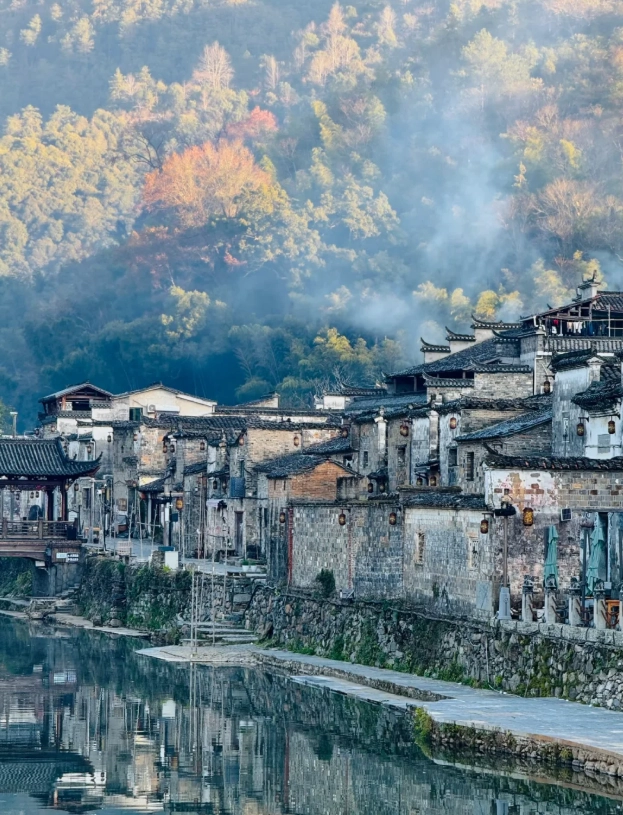
5. Tengwang Pavilion — The Iconic Tower in Nanchang
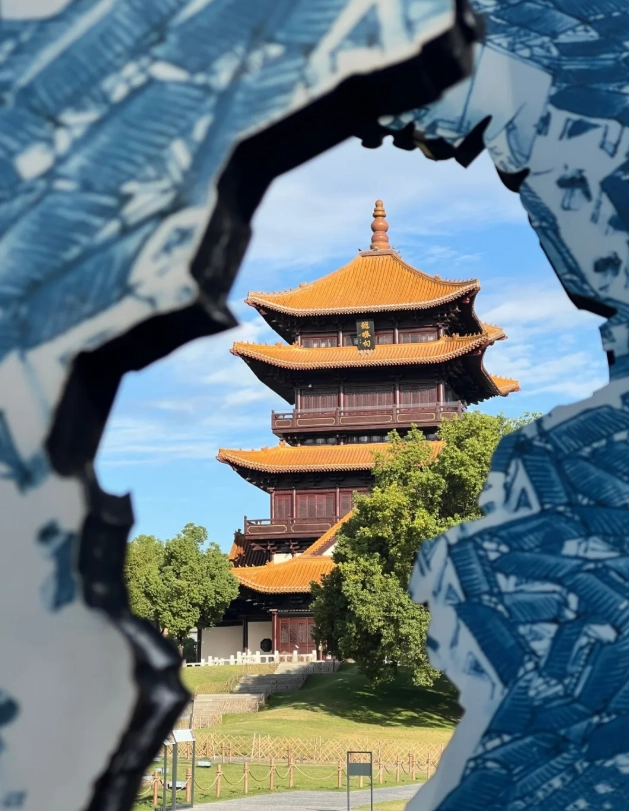
Tengwang Pavilion is the cultural anchor of Jiangxi's capital, a tower that has been rebuilt 29 times since the Tang dynasty. It's not the original building, but the setting over the Ganjiang River and the city view make it worth your time.
- Location: On the west bank of the Ganjiang River, Nanchang
- Ticket price: About ¥50, with a light show at night for an extra fee.
- Opening hours: 8:00–18:00 daily.
- How to get there: Take Metro Line 1 to Wanshou Palace Station, then walk about 8 minutes east. Or take a Didi from the city center.
- Best time to go: Late afternoon, so you can see the sunset over the river and stay for the night show.
- Length of visit: Two hours is plenty.
| Destination | Location | Approx. Ticket Price | Best Time | Ideal Stay |
|---|---|---|---|---|
| Mount Lu | Jiujiang | ¥160 (peak) | Early morning weekdays | 2 days |
| Jingdezhen | Jingdezhen | ¥0–70 per site | Mid-morning | 1 day |
| Wuyuan | Shangrao / Wuyuan | ¥210 combo | April & November | 1–2 days |
| Mount Sanqing | Shangrao | ¥150 + cable car | Clear weekday | 1 day |
| Tengwang Pavilion | Nanchang | ¥50 | Late afternoon | 2 hours |
How to Handle Tickets, Transport & Payments
Now, let me address the three headaches every foreigner faces in Jiangxi — booking, paying, and getting around.
- Booking tickets: Almost all scenic areas require real-name registration with your passport. If a WeChat mini program is too complicated, use Trip.com or Ctrip. You can also ask your hotel to book for you. For train tickets, use the official China Railway portal directly or a reliable travel app.
- Payment: Cash is accepted nearly everywhere, but getting change for big bills can be a pain. Most visitors use Alipay or WeChat Pay linked to an international card. For small stalls, carry ¥100–200 in cash. For updates on entry requirements, keep an eye on the National Immigration Administration website.
- Transport: Google Maps is unreliable in China. Use Apple Maps or AMap (the international version supports English). For short hops, always call a Didi instead of street taxis — they're cheaper and no one will pressure you to go to a 'souvenir shop.'
And don't forget: install a VPN before you arrive, or you'll lose access to your favorite English apps.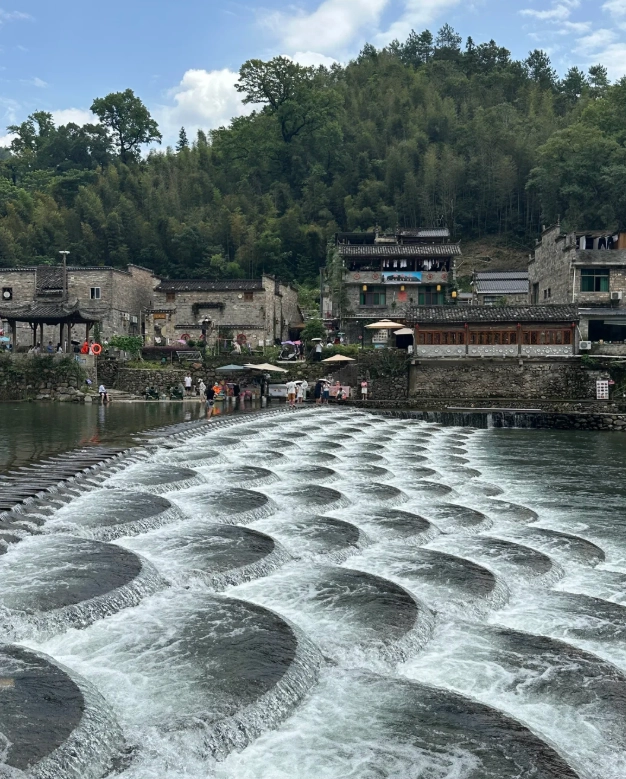
Insider Tips for Beating the Crowds
I've been through the tourist rushes, and here's what actually works:
- Arrive at opening time. I'm talking 7:30 AM for Lushan and Sanqing. The tour buses show up after 9.
- Avoid national holidays (May 1, Oct 1). If you can't, book everything way ahead and expect wall-to-wall people.
- Use side entrances. For Lushan, the north gate is less busy than the south. For Tengwang Pavilion, go to the east gate — it's closer to the river and skips the main plaza queue.
- Embrace rain. Misty mountains are often more beautiful than sunny ones — just avoid thunderstorms and slippery trails.
- Eat where locals eat. Skip the restaurant with the huge menu and plastic models. Look for a place with small plastic stools and a line of office workers.
FAQs About Visiting Jiangxi
Verified and fact-checked by the editorial team.







No comments yet.