 Fang Wang
Quick Roadmap
Let me be blunt. When travelers ask me for a truly underrated province in China, I always whisper the same answer: Jiangxi. This is where China’s history, porcelain, and misty mountains collide — yet most tourists rush past it on their way to Shanghai or Zhangjiajie. That’s a mistake I want to fix for you.
I’ve backpacked this province more times than I can count, and in this Jiangxi travel guide, I’ll share my personal top picks for the best places to visit in Jiangxi, plus the real-world details that matter — from booking tickets with a passport to surviving the local heat. No generic recommendations, just the things I’d tell my closest friends.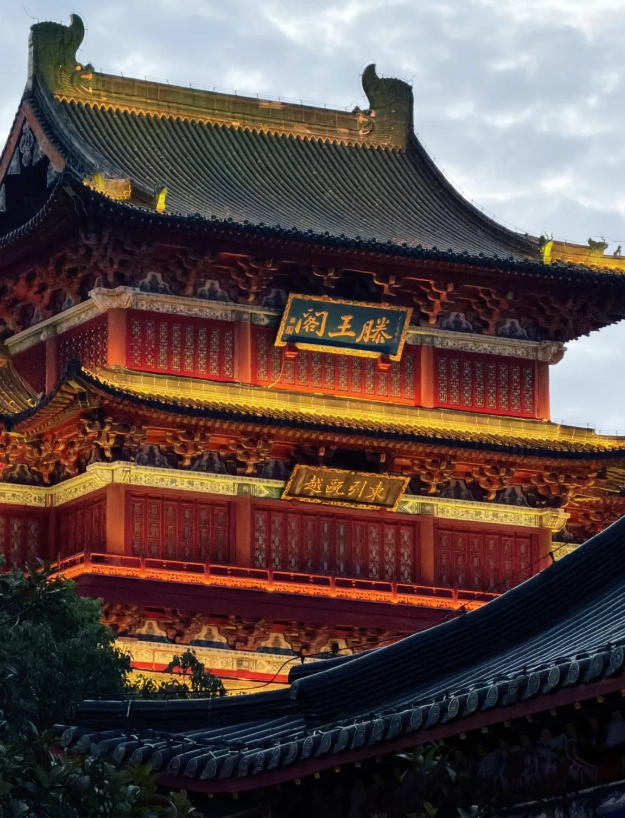
Why Jiangxi Deserves Your Next Trip
Jiangxi is often overshadowed by its neighbors — Anhui’s yellow mountains and Fujian’s coastline. But that’s exactly why you should go now. You’ll find UNESCO-listed peaks, the world’s oldest kilns, and villages that look frozen in the Ming dynasty — all without fighting massive crowds.
Here’s a quick fact: Jiangxi is home to Sanqing Mountain, a UNESCO World Heritage site that many hikers say rivals Huangshan, but with a fraction of the tourists. And if you’re into ceramics, Jingdezhen has been producing the finest porcelain for over a thousand years — you can actually watch masters at work, then chat with them using a translator on your phone.
But let’s get one thing straight: Jiangxi rewards preparation. Public transport can be tricky, and GPS mapping is not always reliable. The good news? I’m about to save you every headache I suffered during my first visits.
The 7 Best Places to Visit in Jiangxi
These are the spots I never skip, whether I’m leading a private group or sneaking away for a weekend. I’ve listed them in the order you might want to visit, but feel free to mix and match based on your route.
1. Jingdezhen Ancient Kiln Folk Culture Expo Area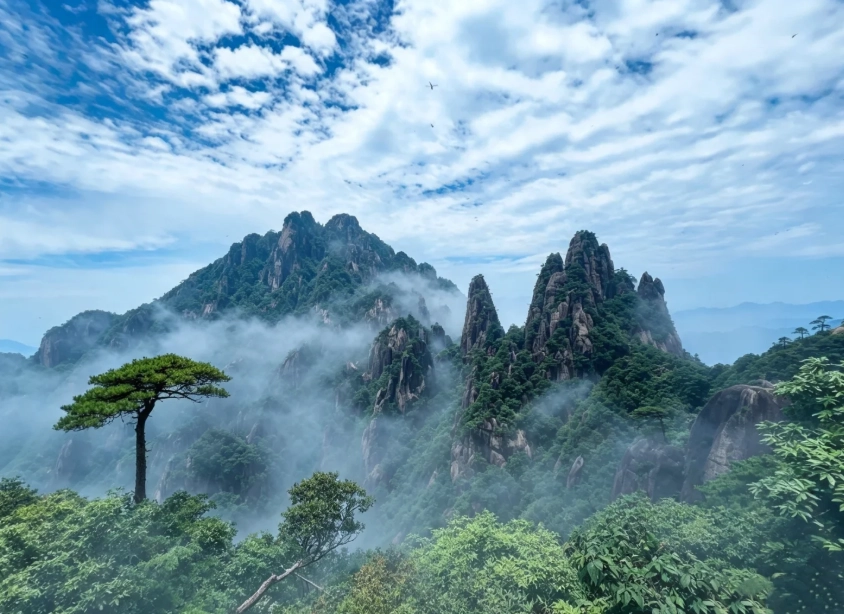
If you only do one thing in Jingdezhen, make it this living museum of porcelain making. You’ll walk through ancient workshops where artisans shape, paint, and fire ceramics just as their ancestors did. I always tell my clients to arrive at 8:30 AM, right when it opens — the morning light is perfect for photos, and you’ll beat the tour groups.
Transport: From Jingdezhen North Railway Station, take a taxi (about 25 minutes) or bus Route 3 (about 50 minutes). The bus drops you a short walk from the gate.
Ticket: Expect to pay around 100 RMB per person — prices fluctuate, so check the official WeChat account or Trip.com. Students with an ISIC card get a big discount, and children under 1.2m are free. You’ll need your passport to book online.
Opening hours: 8:00–17:30 (last entry at 17:00), closed on Mondays in winter.
Insider tip: Don’t buy porcelain at the first shop near the entrance. Walk to the back courtyard — the ceramics there are often handmade by the artists on site, and you can haggle in a friendly way. I once got a beautiful tea set for a fraction of the gate price.
2. Wuyuan’s Huangling & Ancient Villages
Wuyuan is the postcard image of China’s countryside — white-walled houses, black-tiled roofs, and terraced fields. The most famous spot is Huangling, a village clinging to a hillside, famous for its “shai qiu” drying racks where farmers leave red peppers and golden corn on bamboo trays. It’s stunning in spring (rape flowers) and autumn (harvest season).
Transport: Wuyuan has a high-speed rail station. From there, take a tourist shuttle to Huangling (about 50 minutes). Alternatively, hire a private car for the day — many local drivers wait outside the station; agree on a price before you start.
Ticket: A combo ticket for Wuyuan’s main villages is around 210 RMB; Huangling alone is about 145 RMB, including the cable car up the hill. Mobile payment is accepted, but cash is handy for small local stalls.
Opening hours: 8:00–18:00; the cable car operates until 17:00, so don’t be late.
My honest take: Huangling is gorgeous but touristy. For a more peaceful experience, hike the small path from the village to the nearby terraced fields — you’ll get the same views without the selfie sticks. And please wear solid shoes; the cobblestones get slippery after rain.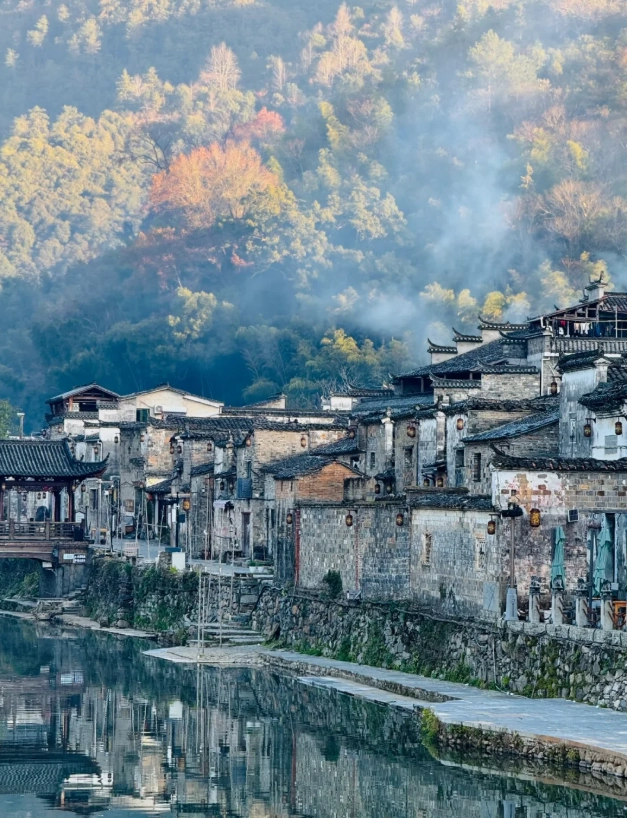
3. Mount Lu (Lushan) — An Escape from the Heat
Mount Lu is where Chinese elites have escaped summer heat for centuries. Its misty peaks, pine forests, and the charming Guling Town at 1,100 meters make it a world apart from the dusty plains below. I’ve been here in August when it felt like natural air conditioning — the perfect antidote after humid lowlands.
Transport: Take a train to Lushan Station, then a public bus or taxi to the south gate (about 30 minutes). At the gate, everyone must take the official shuttle bus into the mountain — your ticket includes the shuttle.
Ticket: Entrance is about 160 RMB, plus the mandatory shuttle (90 RMB). If you stay overnight in Guling, you can ride the shuttle unlimited for the duration. A package deal often pops up on Trip.com; use that to save a few yuan.
Practical notes: The summit is usually 10°C cooler than the base, so bring a light jacket even in summer. Sunscreen is a must on clear days. For the best views of the famous “Five Old Man Peaks,” go in the morning before the fog rolls in — usually before 10 AM.
Warning: Weather changes fast. I’ve been caught in sudden downpours three times. Always carry a compact umbrella or a waterproof jacket.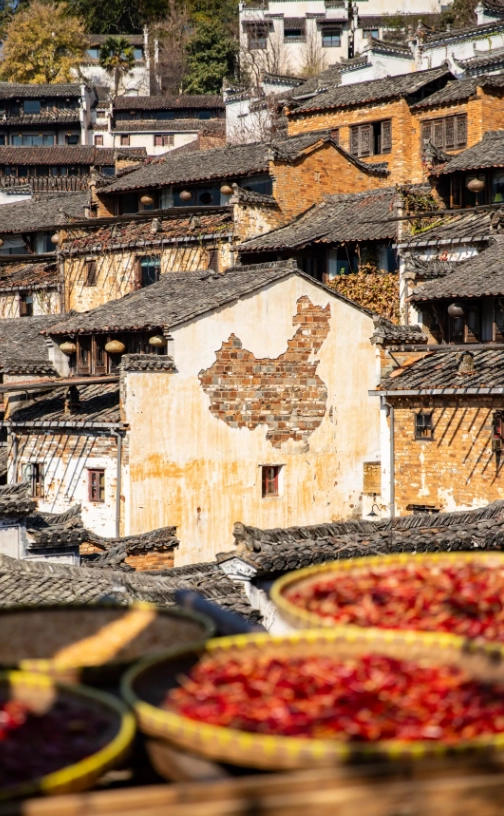
4. Sanqing Mountain — A Hiker’s Paradise
Sanqing Mountain (Mount Sanqing) is a granite wonderland with giant pillars, pine trees, and sea-of-clouds sunrises. It’s a UNESCO World Heritage site and, in my opinion, one of the most underrated hiking destinations in China. The cable car saves you a brutal climb, but you still need strong legs to complete the loop.
Transport: From Shangrao Station, take a bus to Sanqing Mountain (about 1 hour). The bus is flexible — it waits until full, but you can also book a direct private transfer via your hotel.
Ticket: Cable car + entrance costs about 240 RMB in total. The cable car is essential unless you’re a marathon runner. Open 7:30–17:30 in summer; shorter hours in winter — check the board at the base.
Trail strategy: Go up the right gondola (the “golden” cable car), hike the high altitude loop past the most iconic peaks, then descend via the left side. This takes 4–6 hours and hits the highlights without doubling back. For the sunrise, you must stay at the mountaintop hotel — book months ahead or use a trusted tour operator.
Insider advice: The West Island is a glass walkway — free with your entrance ticket, but not for the faint-hearted. And don’t drink too much water before the long stairs! There are only a few restrooms on the loop.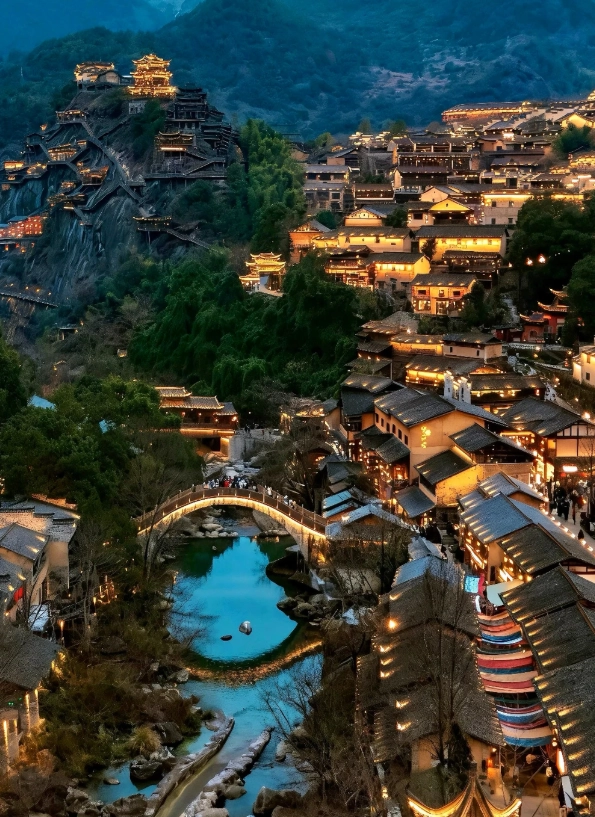
5. Longhu Mountain (Dragon Tiger Mountain)
This is the birthplace of Chinese Taoism, and the landscape looks like something from a wuxia film. You can take a bamboo raft down the Luxi River, past sheer red cliffs that hide ancient cliff coffins — yes, literally hanging coffins from the Shang dynasty. The mystery is real, and scientists still debate how they got there.
Transport: From Yingtan Station, take bus K2 to the Longhu Mountain scenic area (about 30 minutes). Taxi is around 40–50 RMB if you have a group.
Ticket: The basic ticket is around 75 RMB; the raft ride is another 100 RMB. You can buy a combined package at the entrance — cash and mobile payments both work, but international credit cards rarely do.
Opening hours: 8:00–17:30. The raft runs until 16:00, so give yourself at least four hours.
Personal favorite: The “Skywalk” path along the cliff face gives you an adrenaline pump without the crowds. And do try the Taoist “temple breakfast” — it’s refreshingly simple: congee, pickles, and steamed buns.
6. Tengwang Pavilion (Tengwangge) in Nanchang
This nine-story pavilion on the Gan River has been rebuilt many times, but its poetry gives it eternal fame. The Tang dynasty poet Wang Bo wrote “a lone cloud and a wild goose fly together” here — and on a clear evening, you’ll see why. The sunsets from the top floor are unforgettable.
Transport: Located downtown; take Metro Line 1 to Tengwang Pavilion Station, exit from Exit B, and walk 5 minutes. From Nanchang West Railway Station, a taxi takes about 30 minutes.
Ticket: Around 50 RMB, with discounts for students. The lighting show outside the pavilion (at the square by the river) is free — come at 8 PM on weekends for a mesmerizing water fountain display.
Overrated or not? It’s a tourist icon, but I recommend pairing it with a walk along the Jiangxi Art Center — the contrast of ancient and modern architecture is uniquely Nanchang.
Note: The pavilion closes at 18:00 in winter and 19:00 in summer. The elevator is available for seniors and families; otherwise, plan to climb the wooden stairs.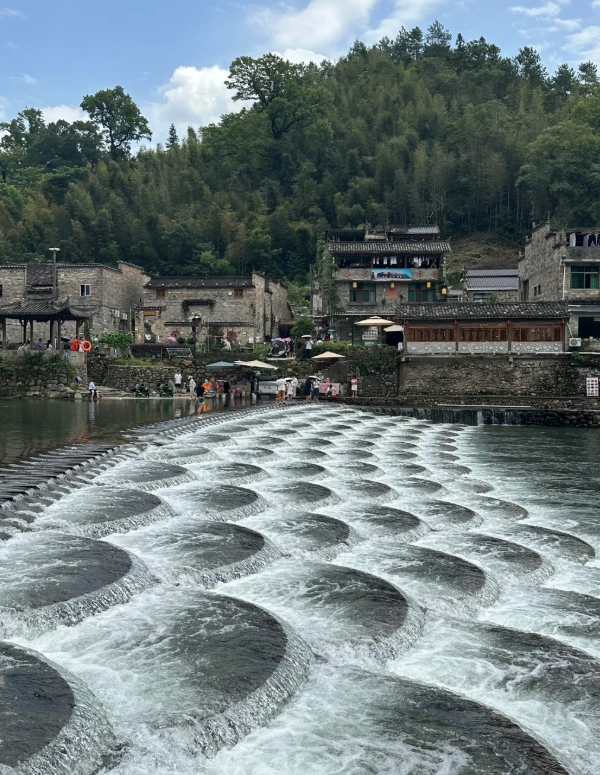
7. Poyang Lake — The Wild Side of Jiangxi
Did you know the largest freshwater lake in China lies in Jiangxi? Poyang Lake (Lake Poyang) is a birder’s paradise — every winter, hundreds of thousands of Siberian cranes migrate here. Even in summer, the lake’s vast wetlands feel wonderfully remote.
Transport: The lake spreads across several counties. The most convenient access is from Nanchang: take a bus to Wucheng Township (about 1.5 hours), then a local boat to the bird-watching platforms. That’s better than a taxi which will cost a fortune.
Ticket: The wetland park entrance is about 100 RMB, which includes a short boat ride. In the non-bird season (April–August), you can often access the shore for free — just ask locals.
Best time: Honestly, winter (November–March) is magical for bird-watching, but bring binoculars. Summer visits are beautiful but humid — go at sunrise when the lake is like glass.
Exposure: This is not a polished tourist attraction — facilities are basic. Bring snacks, water, and toilet paper. The reward is untainted nature and silence that makes you forget you’re in China’s industrial core.
How to Get Around Jiangxi Without Losing Your Mind
Jiangxi’s high-speed rail network connects all major cities, but local buses can be infrequent. I usually recommend a mix of high-speed trains and private cars for the best balance of speed and flexibility.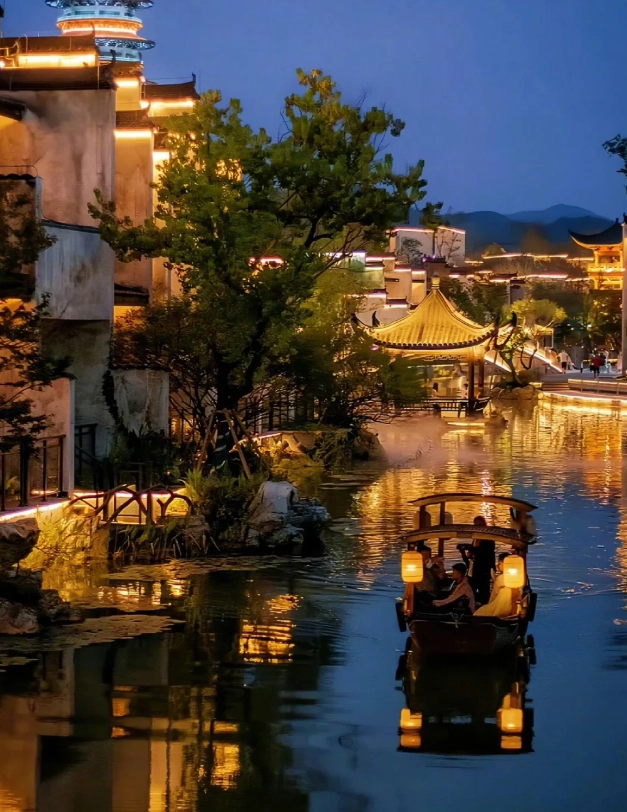
Regional Connectivity
The table below shows the approximate high-speed train times between the main launchpads for the seven destinations above. These are estimates for planning — actual schedules change seasonally, so check the official China Railway site for exact departures.
| Route | High-Speed Train Time | Suggested Hub |
|---|---|---|
| Nanchang → Jingdezhen | ≈ 1 hour | Start with Jingdezhen then go south |
| Jingdezhen → Wuyuan | ≈ 0.5 hours | Direct rail connection |
| Wuyuan → Mount Lu | ≈ 3 hours (via Nanchang) | Use Nanchang as pivot |
| Mount Lu → Sanqing Mountain | ≈ 1.5 hours (to Shangrao) | Transfer to bus |
| Sanqing Mountain → Longhu Mountain | ≈ 2 hours (via Yingtan) | Taxi from Shangrao |
| Longhu Mountain → Nanchang | ≈ 1.5 hours | Back to the capital |
For the more remote spots like Poyang Lake, consider hiring a car with a driver for the day. It’s more expensive but saves hours of waiting for buses, especially if you have a flight connection in Nanchang. Always carry your passport on you — railway stations require paper tickets or scan your passport directly at the gates.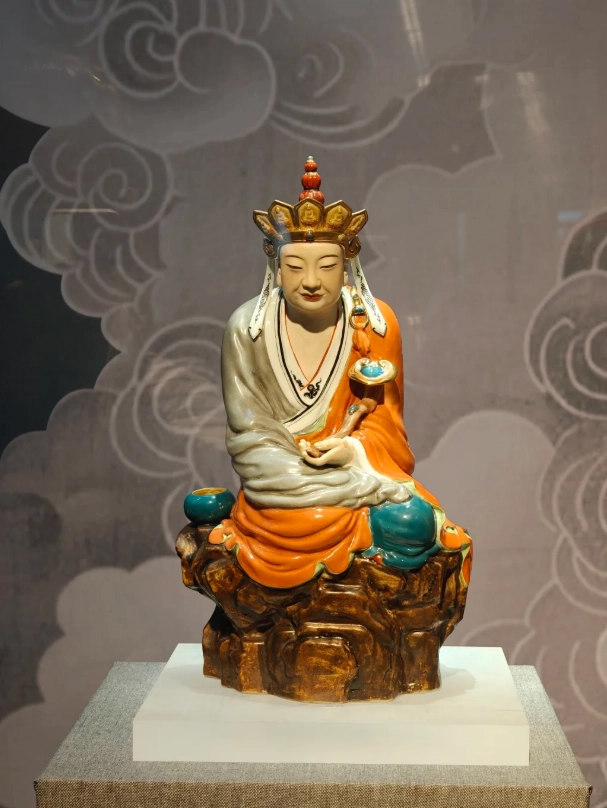
Jiangxi Travel Tips: Payment, Navigation & Real-Life Hacks
Before you zip through Jiangxi, let’s cover the annoying stuff — mobile payment, map apps, and the great VPN dilemma.
Mobile Payment in Jiangxi
Almost every ticket counter, tea house, and street stall accepts Alipay and WeChat Pay. Cash is accepted but not preferred, especially in small towns. I always say to my clients: set up Alipay with your international bank card before you arrive. It takes 10 minutes and saves you countless headaches. If you can’t, ask your hotel to book attraction tickets for you — most will happily act as a proxy for a small tip.
Credit cards (Visa/Mastercard) are nearly useless here except at international hotels. Don’t rely on them.
Navigating Without Google Maps
Google Maps is unreliable or blocked in China, so I switch to Apple Maps or the app AMap (known as Gaode Maps) with its English interface. Before you leave, download the Chinese map for offline use. For addresses to show taxi drivers, I save the Chinese name (and sometimes the phonetic) in my notes — every local driver recognizes them instantly.
Pro tip: When hailing a taxi, never accept the first price. Always insist on running the meter (“qing da biao”) or use the Didi ride-hailing app, which works with a foreign card and often cheaper.
Booking Attractions in Advance
Many attractions require real-name booking, and this is where I see tourists get stuck. For major sites like Mount Lu and Sanqing Mountain, book at least one day ahead via sources like Trip.com or WeChat mini-programs. Your passport is your ticket — keep it handy. If the mini-program is all in Chinese, don't panic. Ask your hotel’s front desk to assist; I have even had a shopkeeper use her phone to book for us when I lost my signal.
VPN and Connectivity
Most international apps (Facebook, Instagram, Google, WhatsApp) are blocked in China. You’ll need a reliable VPN installed before you leave home. I recommend paying for a reputable VPN that works on airport Wi-Fi, because setup after arrival is a headache. For translation, use Apple’s built-in Translate or the Baidu Translate app — they work offline and with camera translation, which is a lifesaver for menus and signs.
FAQs About Visiting Jiangxi
Verified and fact-checked by the editorial team.






No comments yet.