 Wei Zhang
What’s Inside
Missed the last bus to Huangguoshu? No worries — the best view in Guizhou is likely right outside your hostel. I’ve been guiding travelers here for over a decade, and the #1 mistake I see is tourists queueing for paid attractions while the province’s magic hides in plain sight.
Free things to do in Guizhou aren’t just about saving money. They’re about connecting with the real heartbeat of this misty province — the daily rituals of its ethnic villages, the lantern-lit pavilions, and the trails that wind through untouched karst peaks.
The golden rule? Start with Guiyang’s riverside promenade at dusk. You’ll thank me later. Now, let me hand you the complete map of zero-yuan adventures.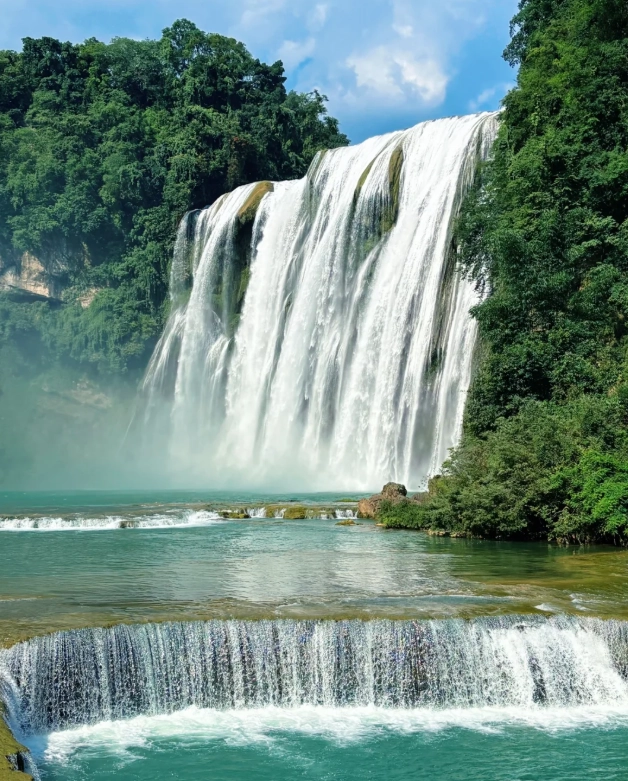
Why Guizhou Is a Secret Paradise for Free Things to Do
Most travelers head to Guizhou with one thing on their mind: the iconic Huangguoshu Waterfall. It’s spectacular, yes, but the entrance fee is steep, and the crowds can ruin the magic. What they don’t realize is that Guizhou’s real charm lies in its everyday scenes — and those cost nothing.
This province is home to 49 ethnic minority groups, each with its own language, festivals, and architecture. Many of these communities live in villages that are completely open to wander. You don’t need a ticket to sit on a stone step and watch an old Miao woman weave a basket.
Geographically, Guizhou is a karst Wonderland. The same limestone mountains that make Huangguoshu famous also surround countless free hiking trails and viewpoints. According to the UNESCO World Heritage Centre, the South China Karst, which spans Guizhou, is globally recognized for its outstanding geological beauty. And the best part? You can experience it without paying a penny.
What’s Actually Free in Guizhou? (And What Isn’t)
Let’s clear up the confusion right now. In Guizhou, many parks and museums are genuinely free, but some require a small token fee or a reservation with your passport. Here’s my honest rundown:
- Absolutely free: Jiaxiu Tower, Guanshan Lake Park, Huaxi Wetland Park, and the Zunyi Conference Site (the latter needs a reservation).
- Almost free: Qianling Park charges 5 yuan (about 70 US cents) — worth every cent, but not technically free.
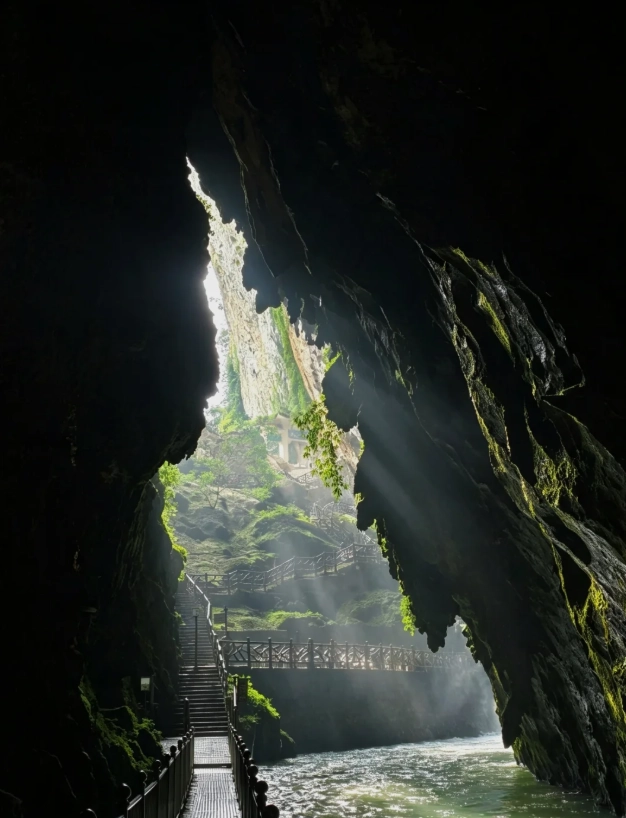
- Not free: Huangguoshu Waterfall (about 220 yuan), Xijiang Qianhu Miao Village (about 100 yuan), and Qingyan Ancient Town (about 10 yuan).
To help you quickly compare, I put together this table:
| Attraction | City | Entry Fee | Reservation Needed? |
|---|---|---|---|
| Jiaxiu Tower | Guiyang | Free | No |
| Guizhou Provincial Museum | Guiyang | Free | Yes, passport required |
| Guanshan Lake Park | Guiyang | Free | No |
| Huaxi Wetland Park | Guiyang | Free | No |
| Zhengyuan Ancient Town | Zhengyuan | Free (for the town itself) | No |
| Zunyi Conference Site | Zunyi | Free | Yes, passport required |
| Qianling Park | Guiyang | 5 yuan | No |
Note: The reservation requirement for museums often means booking through a Chinese WeChat mini-program. I’ll show you how to handle that later.
Top 15 Free Things to Do in Guizhou: From Temples to Mountain Trails
I’ve personally walked every one of these spots with my tour groups. They’re all free to enter, though a few require a simple registration. Here’s the list:
1. Jiaxiu Tower — Watch the Sunset Over the Nanming River
This 400-year-old pavilion is the symbol of Guiyang. It sits in the middle of the river, and the whole structure is lit up after dark. My favorite time to visit is right before sunset, when the light turns the tower a warm gold. Address: Nanming District, Guiyang. How to get here: Take Metro Line 1 to Zhongshan West Road Station, exit C, and walk five minutes along the river. Best time: Sunset (around 6 p.m. in summer, 4:30 p.m. in winter). It’s free and open 24 hours.
2. Guizhou Provincial Museum — A Crash Course in Ethnic Cultures
If you want to understand the Miao, Dong, and Buyi people, start here. The museum’s exhibits include silver ornaments, embroidery, and wooden houses. It’s free, but you must book a ticket using your passport. The good news: you can book through Trip.com, which is English-friendly. Address: 105 Beijing Road, Guiyang. Metro: Line 1, Yangming Temple Station, exit A, then 10 minutes walk. Hours: 9 a.m. – 5 p.m. (closed Mondays).
3. Guanshan Lake Park — Picnic Among Pines
This massive park is a local weekend favorite. There’s a huge lake, walking loops, and plenty of shaded lawn areas. Bring a mat and some snacks — you’ll see locals doing the same. Address: 128 Guanshan West Road, Jinyang New District, Guiyang. Getting there: Metro Line 1 to Guanshan Lake Station, exit D. Hours: 24/7, but the best light is in the late afternoon.
4. Huaxi National Wetland Park — A Green Escape from the City
Just 30 minutes from downtown Guiyang, this wetland park is perfect for cycling or a gentle hike. The paths follow a crystal-clear river, and you’ll hear nothing but birds. Address: Huaxi District, Guiyang. Transport: Bus no. 201 from Guiyang Railway Station, get off at Huaxi Wetland Park stop. Tip: Rent a bike at the south gate for about 20 yuan an hour.
5. Wenchang Pavilion — A Quiet Historical Pocket
Less known than Jiaxiu Tower, this small pavilion offers a peaceful glimpse of Qing dynasty architecture. It’s often overlooked by tourists, so you might have the place to yourself. Address: 3 Wenchang North Road, Guiyang. Admission: Free. Note: The surrounding streets are perfect for an aimless wander.
6. Nanming River Promenade — The Ultimate Evening Stroll
This isn’t a single attraction but a stretch of waterfront that connects several riverside parks. Start at the Jiaxiu Tower and walk upstream — you’ll pass old bridges, and at night, the reflection of the lights is stunning. Duration: 30 minutes to 1 hour. Pack comfortable shoes.
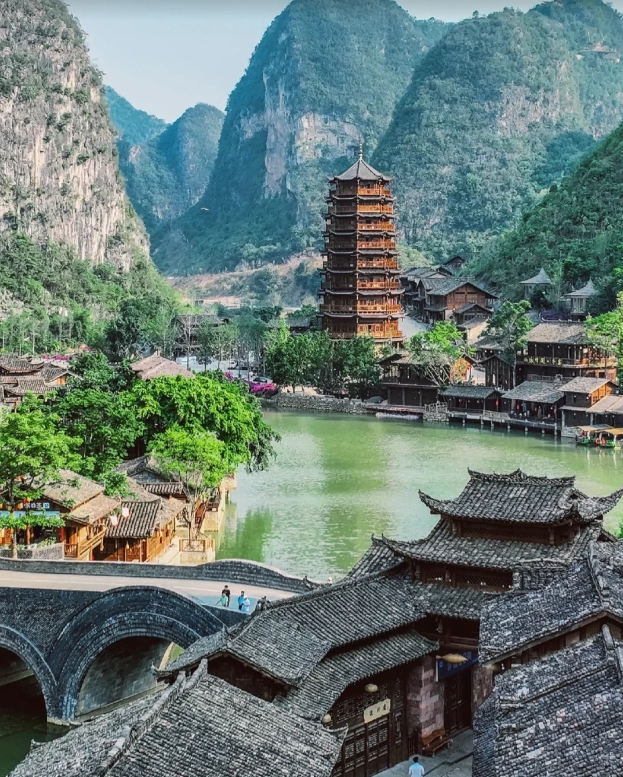
7. Zhengyuan Ancient Town — Get Lost in a Living Mosaic
Known as the “Kung Fu Town,” Zhengyuan has 2,000 years of history. The town itself is free to wander — just follow the cobblestone lanes and peer into courtyards. Location: Zheneyuan County, Qiandongnan Prefecture. How to get there: High-speed train to Zhengyuan Station; the old town is about a 20-minute bus ride away. Pro tip: The ferry along the Wuyang River costs extra, but the views from the town’s riverbank are equally lovely.
8. Zunyi Conference Site Museum — Step Into Modern Chinese History
This historic site is where the Communist Party of China held its famous meeting in 1935. It’s free to visit, but bring your passport to register at the entrance. Address: 211 Ziyin Road, Zunyi. Hours: 8:30 – 17:00, closed Mondays. Getting there: Train to Zunyi, then a 15-minute walk from the north bus station.
9. Zunyi Martyrs’ Cemetery — A Serene Hilltop Tribute
Just above the conference site, this cemetery honors those who fought in the Long March. It’s a peaceful place with a panoramic view of the city. Free entry, no reservation. Address: Fenghuang Mountain, Zunyi.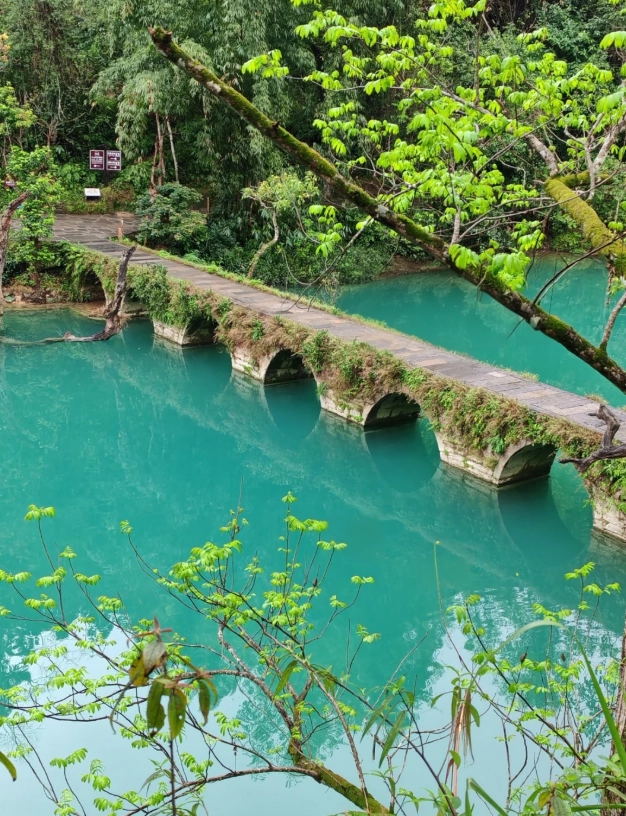
10. Hongshan Lake Park, Anshun — A Local’s Escape
Anshun is usually a transit stop for Huangguoshu, but this park is worth a detour. It’s a calm lake with a walking path, perfect for an afternoon picnic. Location: Anshun City, Guizhou. Admission: Free. Note: The park has a small café by the lake that sells cheap noodles.
11. Ming Lake Wetland Park, Liupanshui — Misty Mountains and Marshland
Liupanshui’s high altitude means cool summers. This wetland park is a hidden gem, with boardwalks through reeds and stunning views of the surrounding peaks. Location: Liupanshui City. Transport: Taxi from the city center takes about 20 minutes. Entry: Free.
12. Changpoling National Forest Park — Ancient Trees and Silence
Just 20 km north of Guiyang, this forest park is a natural air conditioner. It’s free to enter and offers several hiking trails through old-growth forest. Getting there: Take bus 214 from Guiyang’s Hebin Park. Pro tip: Bring mosquito spray.
13. Aha Lake National Wetland Park — Cycling Around a Reservoir
This park surrounds a huge reservoir and has a paved path that’s excellent for cycling. It’s less crowded than Guanshan Lake. Location: Nanming District, Guiyang. Entry: Free, but the bike rental costs about 30 yuan per hour.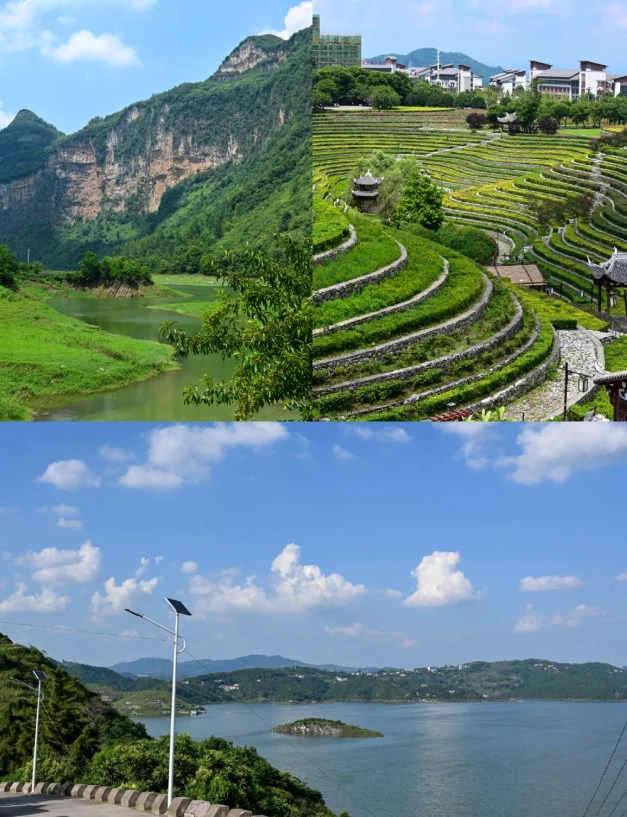
14. Karst Hill Hiking Outside Guiyang
You don’t need to go far to see the iconic cone-shaped karst hills. Head to the town of Qingyan (but skip the paid ancient town) and hike the trails around the hills. Many are informal paths used by farmers — just be respectful. How to find them: Ask at your hotel reception for “jiashan” (加赏) or use the AMap app to search for “mountain trail” near you. Difficulty: Moderate. Time: 2-3 hours.
15. Free Ethnic Village Impromptu Concerts
Some villages, especially in the Miao and Dong areas, hold impromptu song circles in the evenings. It’s not a scheduled show; you just happen to catch locals practicing. The villages themselves don’t charge entry if you walk in (though some, like Xijiang, do). To find a free village, choose any of the smaller settlements along the highway between Kaili and Congjiang. Disclaimer: Always be courteous when entering villages, and ask before taking photos.
(Note: I haven’t included Xijiang or Zhaoxing because they charge entry fees, even though they’re famous.)
How to Plan a Zero-Spend Day in Guizhou (Step-by-Step)
Let me walk you through a realistic free day in Guiyang. Here’s a schedule I often recommend to my clients:
- 8:00 a.m. Start at Guanshan Lake Park — bring a snack and enjoy the morning mist.
- 10:00 a.m. Take Metro Line 1 to the Guizhou Provincial Museum. (Reserve in advance!)
- 12:30 p.m. Lunch at a local noodle shop near the museum — ~20 yuan.
- 1:30 p.m. Walk to the Nanming River promenade and relax under the trees.
- 3:00 p.m. Visit Jiaxiu Tower and climb up to the second floor for a riverside view.
- 5:00 p.m. Stroll through the old streets around the tower and watch locals dance in the square.
- 6:30 p.m. Catch the sunset from the promenade.
- 7:30 p.m. Head back for an early night, or continue to a night market to sample cheap snacks (not free, but a few yuan!).
If it rains, swap the park for the museum (which has a cool interior) or visit the indoor section of the Huaxi Wetland Park visitor center.
Insider Tips for Navigating Free Sites Like a Local
Now, let me share some hard-earned advice that will save you headaches:
- Payment: Most free sites don’t require money, but for reservations or small fees, you’ll need Alipay or WeChat Pay. Set these up with a foreign card before you arrive. Cash is rarely accepted at museums, and credit cards are almost useless.
- Navigation: Google Maps is unreliable in China. Download AMap (Gaode) — the English version is called “AMap Global.” It works well with English names.
- Reservations: For the Provincial Museum and Zunyi Conference Site, you can book through Trip.com by searching the place’s English name. If that fails, ask your hotel staff to book for you via WeChat. They’re used to it.
- Passport: Always carry your passport — you need it for both reservations and occasionally random security checks at train stations. For the latest visa policies, check the National Immigration Administration website.
- VPN: Since Google, WhatsApp, and Facebook are blocked, you’ll want a reliable VPN before you land.
- Transport: For attractions far from the metro, use the app “Didi” (Chinese Uber) for rides. It’s cheap, and you can set your pickup to a listed address. For train tickets, the official China Railway website is the authoritative source, but Trip.com is more user-friendly for foreigners.
Pro Tip: At the Guizhou Provincial Museum, the queue for the entrance can be long even with a reservation. Arrive 15 minutes early, and use the side entrance on Beijing Road to avoid the tour groups.
FAQs About Free Travel in Guizhou
Now, stop overthinking and get out there. The real Guizhou is waiting — and it doesn’t cost a thing.






No comments yet.