 Jing Song
Cold, but absolutely spectacular. That's Harbin in winter. Before I started guiding tours here, I didn't expect a city in northeast China to be so full of surprises. You've probably seen photos of the Ice Festival — but the real magic is walking through Central Street at night with snow falling on your eyelashes.
Now, if you're searching for the best places to visit in Harbin, you're in the right place. But I'll say this upfront: most travelers completely underestimate how cold it gets, and they struggle with basic stuff like booking tickets and paying because many places only accept Chinese mobile payments.
Here's my solid advice after years of guiding: plan everything with two backup options. And don't skip Old Daowai just because it's not at the top of search results — the China Baroque architecture there is a photographer's dream.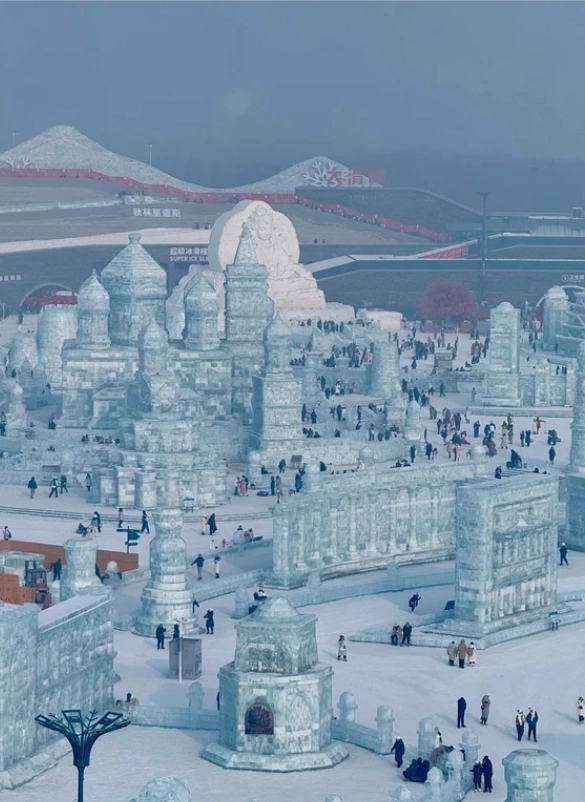
Why Harbin Deserves a Spot on Your China Itinerary
Harbin is often called the 'Ice City' for good reason. It's the capital of Heilongjiang Province, and it shares a unique border culture with Russia that shows up in its architecture, food, and even street names. But you don't have to visit in winter to enjoy it — summer is equally lovely along the Songhua River. However, the real star is winter.
Most foreign tourists come for the Harbin International Ice and Snow Festival, which typically runs from late December to late February. During this time, the city transforms into a frozen wonderland. But even if you're not here for the festival, Harbin has a lot to offer year-round.
I've taken countless friends and clients around this city, and every single time, I learn something new. So let me break down the places I genuinely believe are the best places to visit in Harbin — with practical details that most blogs miss.
The Best Places to Visit in Harbin: A Local's Honest Take
I'm not going to list every single attraction in the city. Instead, I'll give you the spots that are either iconic, beautiful, or absolutely underrated. Be prepared for some subjective opinions.
Saint Sophia Cathedral: A Photographer's Morning Light
Saint Sophia Cathedral is the most famous landmark in Harbin. It's a stunning Byzantine-style church built in 1907, and it looks like it belongs somewhere in Moscow. The square outside is always packed with tourists, but the real secret is to visit early.
Here's the thing: the afternoon light hits the cathedral from behind, leaving you squinting into the sun. I always tell my clients to come before 9 AM, when the soft light warms the red brick and the crowds are thin. You'll thank me later.
Inside, the cathedral now serves as an architecture museum. It's small but has interesting exhibits about Harbin's history. That said, don't expect a massive church interior — it's more of a gallery now.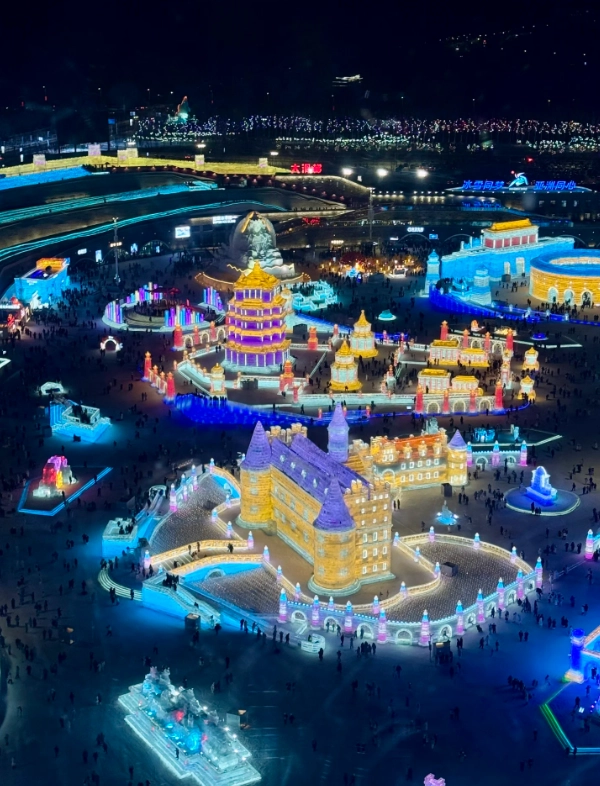
Insider Advice: For a completely empty shot, visit at sunrise. The square is open all night, and the soft pink light on the snow is pure magic.
- Address: 1 Toulong Street, Daoli District (道里区透笼街1号)
- How to get there: Take metro Line 2 to 'Central Street' Station, exit from Exit 2, then walk about 8 minutes northeast. Or just take a taxi — it's close to Central Street.
- Admission: Approximately 20 RMB per person, but it changes. Book in advance via Trip.com or a WeChat mini-program. You'll need your passport number.
- Opening hours: Usually 8:30-17:30, but last entry may be earlier. Confirm the day of your visit.
- Time needed: 45 minutes to 1 hour.
One thing that irritated me is that the ticket queue can be long, especially at 10 AM. If you're visiting in the summer, consider the humidity. And remember, the queue for the bathroom outside is often long — go at a nearby McDonald's or café before coming.
For those who love photo spots, try standing on the northwest corner of the square, where you can get the cathedral with no crowds in the frame. A 24mm lens works well.
Central Street: A Winter Wonderland Walk
Walking down Central Street is like stepping into an old European town. The cobblestone road is lined with Russian-style buildings, boutique shops, and street performers. It's free to enter and open 24 hours, though shops and eateries typically start closing around 9 PM.
In winter, the street is often sprinkled with snow and decorated with ice lanterns, making it even more photogenic. I recommend going at night when the lights are on — the whole street glows.
Now, let me warn you: Central Street is a major tourist trap for food. The famous Ma Die'er ice cream (马迭尔冰棍) is delicious, but you'll also see overpriced Russian souvenirs. My tip? Just buy the ice cream and maybe some pine nuts from an old vendor nearby. Don't bother with the 'Russian' hats — they're often made in China and not authentic.
- Address: Central Street, Daoli District (道里区中央大街)
- How to get there: Directly accessible from metro Line 2 'Central Street' Station, Exit 4.
- Admission: Free
- Time needed: 1-2 hours
- Best time: Evening, when the lights are on.
Also, keep an eye on your belongings — the street gets extremely crowded on weekends. It's not dangerous, but pickpockets have a field day in dense crowds.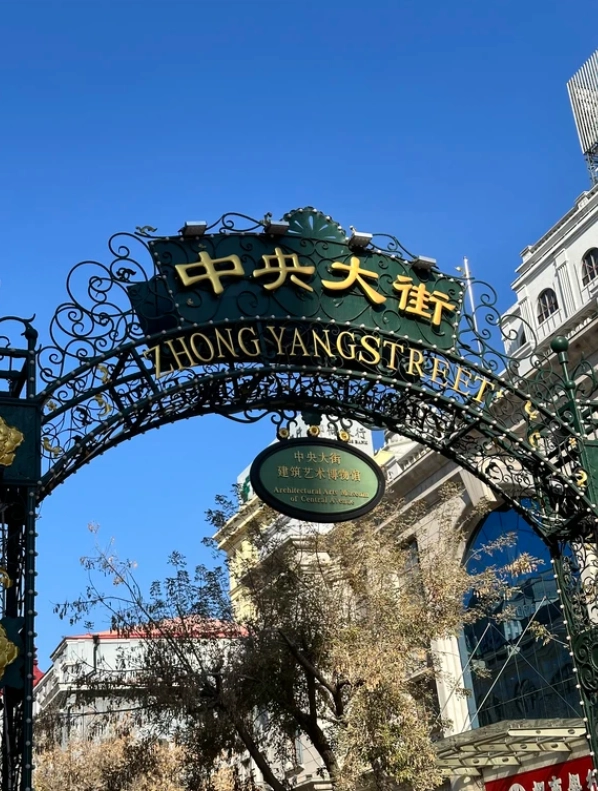
Harbin Ice and Snow World: Worth Every Frozen Penny
If you're visiting Harbin in winter, this is the place that makes the cover of every travel magazine. The Ice and Snow World features massive ice castles, lanterns, and slides — all built from blocks of ice taken straight from the Songhua River.
The best time to visit is after sunset, around 5:30 PM, when the lights transform the park into a rainbow kingdom. If you come during the day, it's just a lot of white blocks — pretty but not magical.
- Address: Songbei District, near Sun Island (松北区太阳岛西侧)
- How to get there: From Central Street, take a taxi for about 30-40 minutes, costing around 40-60 RMB. There are also direct bus shuttles from the north side of Songhua River Cableway. During winter, the city often adds special buses from the airport to the park.
- Admission: About 300-350 RMB for adults, depending on the week and how early you book. Student discounts rarely apply for international visitors. You must book in advance on Trip.com or via the official WeChat account — walk-in tickets are usually unavailable.
- Opening hours: Typically from 12:00 noon to 10 PM, with last entry around 9 PM.
- Time needed: 3-4 hours.
I have to be honest: the park is huge and freezing. Even if you think you're prepared for cold, add another layer. My clients always forget to bring a face mask and thick socks. There are warm-up rooms with heating, but they're packed. Consider bringing hand warmers.
Payment inside the park is mostly cashless — Alipay and WeChat Pay are king. Some vendors accept international credit cards, but don't count on it. Bring a backup like a small amount of cash, just in case.
One insider tip: the ice slide near the south gate has the longest queue. Instead, head to the northeast corner where a smaller slide offers nearly the same fun with shorter lines.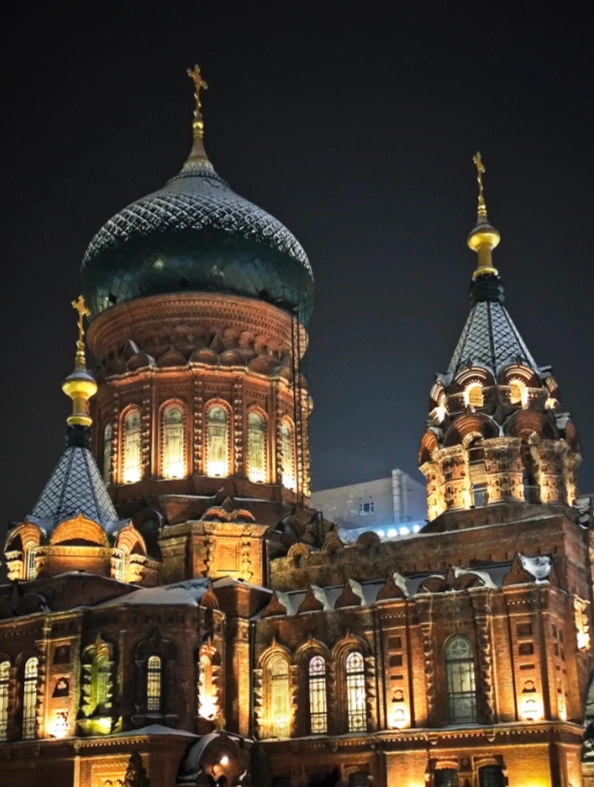
Sun Island: The Snow Sculpture Alternative
Sun Island (Tai Yang Dao) is a riverside park that becomes the Snow Sculpture Expo in winter. It's a different experience from Ice World — white snow art versus clear ice structures. If you have only one day and must choose between the two, I'd honestly say go for the Ice and Snow World. The snow sculptures are beautiful, but they take less time to explore, and the 120 RMB ticket feels steep unless you're really into snow art.
In summer, it's a completely different story — the island turns into a lush retreat with shady spots and walking trails. If you're traveling in July or August, Sun Island is a welcome escape from the city heat.
- Address: Songbei District, just north of the Songhua River (松北区太阳岛)
- How to get there: Take the Songhua River Cableway from the southern bank (near Stalinstan Park) — about 30 RMB one-way, 50 RMB round-trip. Or take a taxi across the bridge, which takes about 25 minutes.
- Admission: In winter, around 120 RMB for the Snow Expo. In summer, the park is free, but some internal attractions charge separate fees.
- Opening hours: 8:30-16:30 in winter; summer hours vary.
- Time needed: 2-3 hours in winter.
Be warned: the cableway can close during high winds. Check the weather before heading over. Also, the island is open ground, so the wind feels brutal in winter. I always tell people to cover their ears.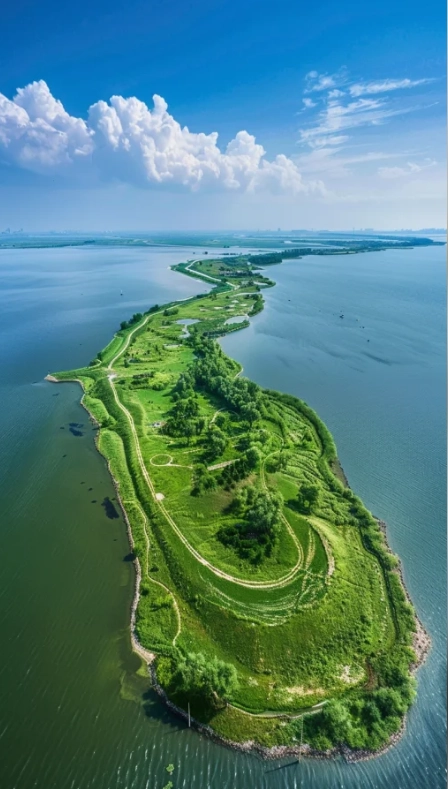
Old Daowai: The Underrated China Baroque Treasure
Old Daowai is the underrated gem of Harbin. It's a neighborhood with 'China Baroque' architecture — buildings that blend Chinese courtyard designs with European baroque facades. It was where Harbin's first merchants lived, and it still has a rustic, authentic feel.
You won't find many foreign tourists here — most large groups rush to the cathedral and Central Street. But if you want to see the 'real' Harbin, wander around Jingyu Street and the narrow alleys off it.
- Address: Daowai District, centered on Jingyu Street (道外区靖宇街)
- How to get there: From Central Street, take a taxi for about 10-15 minutes, cost around 15-20 RMB. Or take metro Line 3 to 'Jingyu Street' Station.
- Admission: Free
- Opening hours: The area is open 24/7, but most shops and restaurants open around 10 AM and close by 7 PM.
- Time needed: 1-2 hours for a quick stroll, half a day if you're a photographer.
Grab a bite at a local pancake joint or try the smoked red sausage from a street vendor. But watch out for the sanitation level — it's not for weak stomachs. I always carry my own napkins and hand sanitizer.
This area is also where you'll find Harbin's famous 'Lao Dian' restaurants with old-school interiors. If you book a table, you'll feel like you've stepped back in time.
Other Good Places
There are a few other spots worth checking if you have time. The Siberian Tiger Park (where you can see tigers from a bus) and the Harbin Grand Theatre — a futuristic building that looks great at night. But if I had to pick, stick with the five places above for a first-time visit.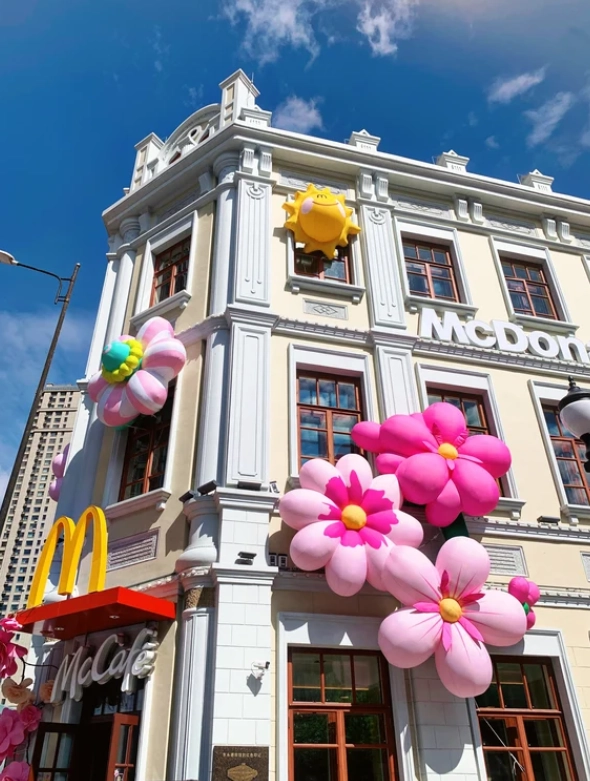
How to Get Around Harbin as a Tourist
Getting around Harbin is straightforward, but there are some digital hurdles I need to address.
Navigation: Use Apple Maps or AMap
Google Maps is unreliable in China. Instead, download Apple Maps (which works okay in Harbin) or use AMap (the Chinese version of Google Maps, also known as Gaode). If you're looking for an English-friendly option, try the app AMap Global — it supports English. Just know that English mode isn't perfect, so having your hotel card in Chinese is helpful.
Getting Around by Metro
Harbin's metro system is surprisingly efficient for tourists. It now has three lines (Line 1, Line 2, Line 3). For tourists, Line 2 is golden — it connects the railway station to Central Street, Sun Island, and the Ice World area. A single ride costs 2-6 RMB depending on distance. You'll need cash or a metro card, but the ticketing machines now accept international cards in some stations. If not, you can use the Alipay 'Metro' function to scan and ride.
Taxis and Ride-Hailing
Taxis are plentiful and quite affordable. The flag-fall price is around 10 RMB. However, not all drivers speak English, so it's vital to have your destination in Chinese. For ride-hailing, you can use Didi (the Chinese Uber), which can be linked to Alipay. Alternatively, use the 'Taxi' function in AMap to call an official cab.
Always use the app or official taxi rank — never accept rides from touts inside the railway station or airport. They often charge triple rates.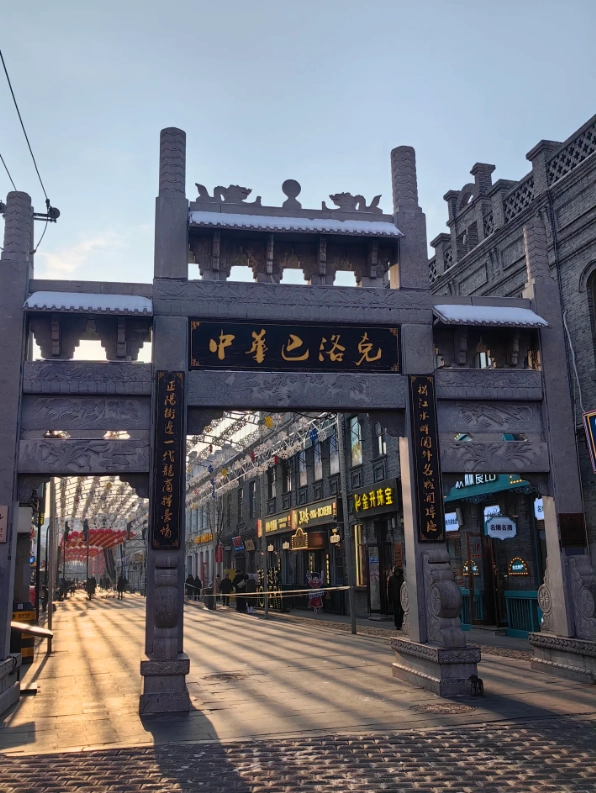
What Are the Most Common Tourist Traps in Harbin?
Let me save you some money and frustration. Here are the traps I see every winter.
- Fake 'Ice World' tours: Some drivers will say they can get you cheap tickets to a private ice park. That's usually a scam. Only buy tickets from official channels or well-known apps like Trip.com.
- Overpriced 'Russian' dining: Restaurants near Central Street deliberately raise prices for tourists. A local free lunch for 30 RMB can cost you 80 RMB there. Walk 10 minutes off the main street and you'll find more reasonable prices.
- Pickpocket tactics on crowded buses: During festivals, buses are crowded and pickpockets work in pairs. Keep your phone and wallet in a zipped front pocket.
- Photography 'hosts': Some people near the cathedral will offer to take your photo with a 'special camera' for 20 RMB. It's usually just a normal photo you could take yourself. Politely decline.
- Street ice sculptures that melt quickly: Many vendors display small ice sculptures to lure you into buying expensive treats. They're fine, but you can see the real thing at the official venues.
How to Plan a Perfect Day in Harbin (Winter Edition)
If you only have 24 hours, here's a realistic plan that doesn't kill you.
- 8:00 AM: Start with Saint Sophia Cathedral. Arrive early to beat the crowds and get that beautiful morning light. Spend 1 hour, then walk to Central Street.
- 9:30 AM: Stroll down Central Street, grab a quick bite — try the fried dumplings from a street cart. Keep your layers on.
- 11:00 AM: Head to the Songhua River banks. If the river is frozen, you can go ice skating or just take photos. Use the cableway to hop over to Sun Island for a quick look. Or skip it if you're on a tight schedule.
- 12:30 PM: Lunch at a local restaurant. I recommend 'Loess Sorghum' restaurant near Old Daowai for authentic northeastern cuisine. Try the 'guo bao rou' (sweet and sour pork) and black bean noodles. Budget about 50 RMB per person.
- 2:00 PM: Take a taxi to the Ice and Snow World (about 40 minutes). Get there early to see the initial display before nightfall crowds.
- 5:30 PM: When the lights come on, you're in the heart of the magic. Spend 2-3 hours exploring and sliding on the ice.
- 9:00 PM: Head back to Central Street for dinner. The street is quieter after 9 PM, and you can grab some hot skewers for a late-night snack.
If it's too cold or snowy, swap outdoor time for the Harbin Grand Theatre (just for the architecture) or the Provincial Museum. For a coffee break, try the café inside the Cathedral Square complex — it's atmospheric.
But honestly, that schedule is a full winter day. If you're here in summer, start later, spend more time at Sun Island, and make sure to have dinner at one of the riverside restaurants.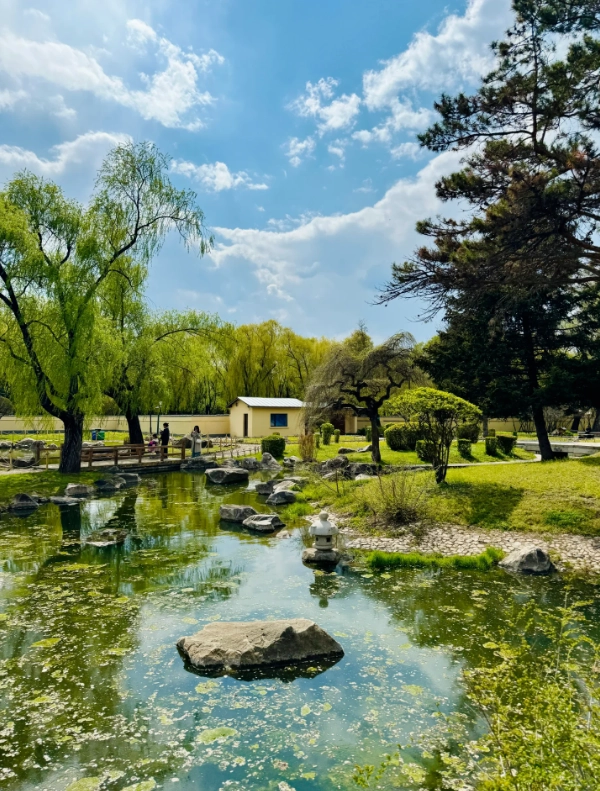
Where to Stay in Harbin
Choosing the right base can save you hours. Here's a comparison of the most convenient areas for tourists.
| Area | Best For | Avg. Price/Night (Low-High) | Distance to Central Street |
|---|---|---|---|
| Central Street Area | First timers, sightseeing | 300-800 RMB | Walkable (0-10 min) |
| Harbin Railway Station | Transit, budget travelers | 200-500 RMB | 15 min taxi |
| Old Daowai | History lovers, photographers | 200-600 RMB | 15-20 min taxi |
| Songbei (near Ice World) | Winter festival visitors | 400-1000 RMB | 30 min taxi |
For most visitors, I recommend the Central Street area. It's not the cheapest, but you'll be able to walk to the top sights, and it's convenient for late-night food runs. If you're on a budget, stay near the railway station — you'll have direct subway access to the city's main points.
When booking, use Trip.com or Klook to avoid the phone number verification requirement that comes with Chinese booking apps. Be sure to send your passport details to the hotel in advance—this is mandatory for check-in in China.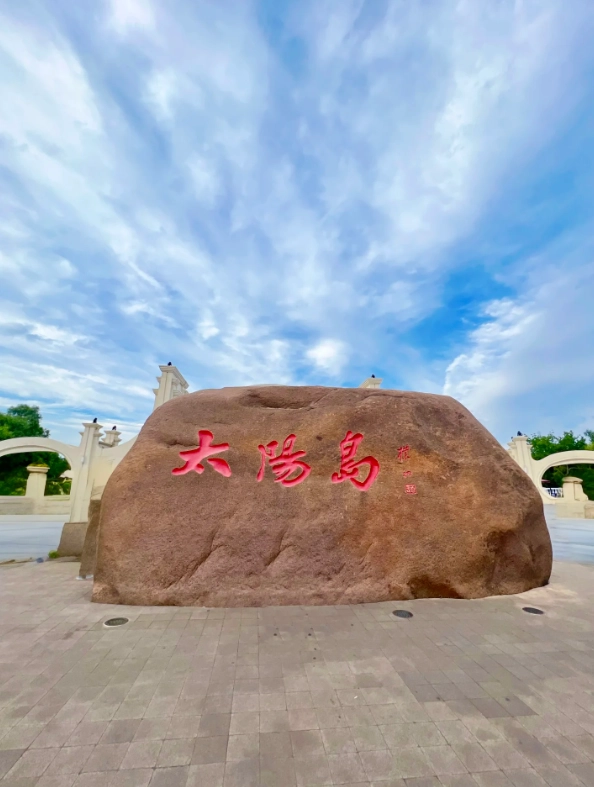
Frequently Asked Questions About Harbin's Best Places
Verified and fact-checked by the editorial team.





No comments yet.