 Fang Wang
- What Makes Jiangxi Tourist Attractions Special?
- Top Jiangxi Tourist Attractions: My Personal Picks
- How to Plan Your Jiangxi Tourist Attraction Itinerary
- Jiangxi Tourist Attractions: Practical Info (Tickets & Hours)
- Common Mistakes to Avoid at Jiangxi Tourist Attractions
- FAQ: Jiangxi Tourist Attraction Questions Answered
Let me start with a confession. I've lost clients at Lushan Mountain's ticket gate more than once. Not because they got lost, but because they had no cash and their foreign credit cards simply refused to work. Here is the thing about visiting Jiangxi tourist attractions — you need local payment apps, patience, and a plan that goes beyond the standard blogs you've seen.
If you've been searching for Jiangxi travel info, you've probably found the same recycled list of names. But after years of guiding here, I can tell you which sights actually deserve your time and which ones you can skip. The real magic lies in how you travel, not just where.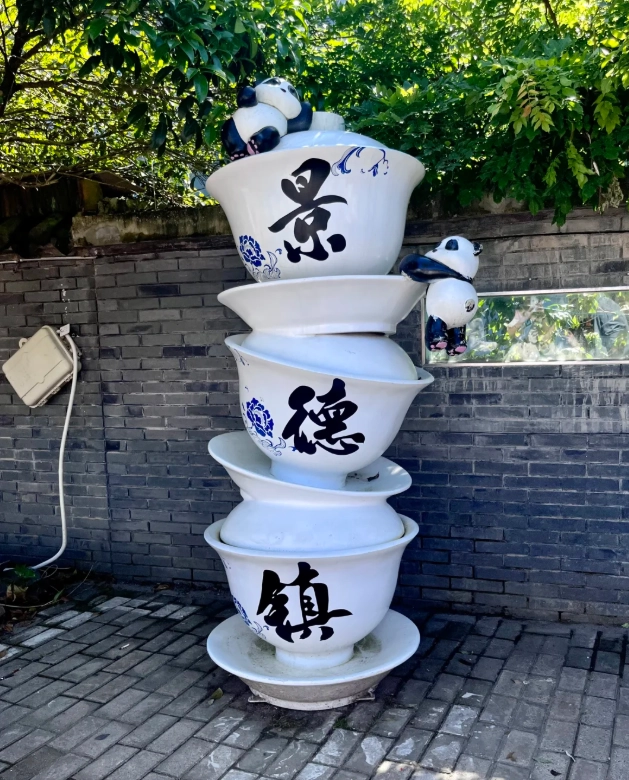
Pro Tip: Book your Lushan tickets online via Trip.com or a WeChat mini-program before you arrive, and bring at least 200 RMB in cash as backup. That single move saves you from the biggest hassle in Jiangxi.
Now, let's dive into what makes this province special.
What Makes Jiangxi Tourist Attractions Special?
Jiangxi is often overshadowed by neighboring Zhejiang and Fujian, but for travelers who make it here, the rewards are enormous. This province is a living museum of Chinese history and nature. I always tell my clients that Jiangxi has two sides: the ethereal mountains that inspired poets and painters, and the ancient villages where time seems to stop.
The UNESCO World Heritage listing of Lushan and Sanqing Mountain underlines the global significance of these landscapes. But beyond the famous peaks, there's a quieter charm in the countryside — especially in places like Wuyuan, where every turn looks like a postcard.
What makes Jiangxi different? It's less crowded than the typical Hangzhou-Shanghai circuit, yet it offers similar natural beauty and deeper cultural immersion. Plus, the locals are surprisingly warm once you step out of the tourist zones.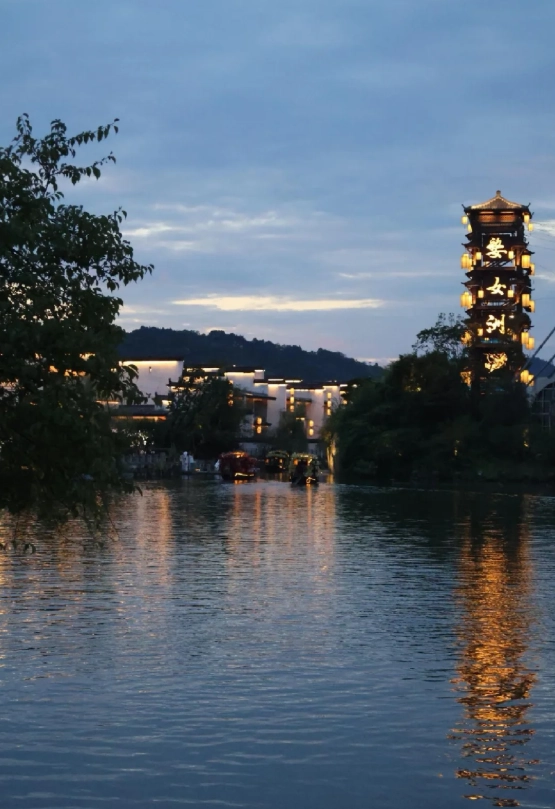
Top Jiangxi Tourist Attractions: My Personal Picks
After dozens of trips across the province, these are the four sights I never skip, and they are perfect for a 5-7 day route.
Lushan National Park: China's Natural Icon
Lushan has been a retreat for centuries — hermits wrote poems here, and modern leaders sought shade among its pines. The mountain is vast, so don't expect to see everything in one day. The most rewarding experience is the West Sea area, where you can watch clouds roll over the peaks at sunrise. I remember standing at Hanyang Peak at 5 AM with a thermos of tea — that moment still gives me goosebumps.
Getting there: Take a high-speed train to Jiujiang, then catch a local bus No. 63 or a taxi to the Lushan scenic area entrance. The whole trip from Jiujiang Railway Station takes about 40 minutes. From the entrance, you'll need to take the eco-bus to reach the main sights, which costs 90 RMB round-trip. My advice? Start early — the heat and crowds build up after 10 AM.
Ticket prices: The peak season (April-November) costs 160 RMB per adult, 80 RMB for children and seniors. In winter, it drops to 135 RMB. But always check the official website or Trip.com since prices change.
Where to stay: I recommend staying inside the park at Guling town, which has direct access to the best viewpoints. Hotels there range from 300-800 RMB per night, and the morning air is incredible. You can check options on Trip.com.
For hikers, don't miss the Three Gorges Waterfall, about 30 minutes from the main gate. It's a steep but rewarding trail. Bring a windbreaker even in summer — the summit wind can be biting.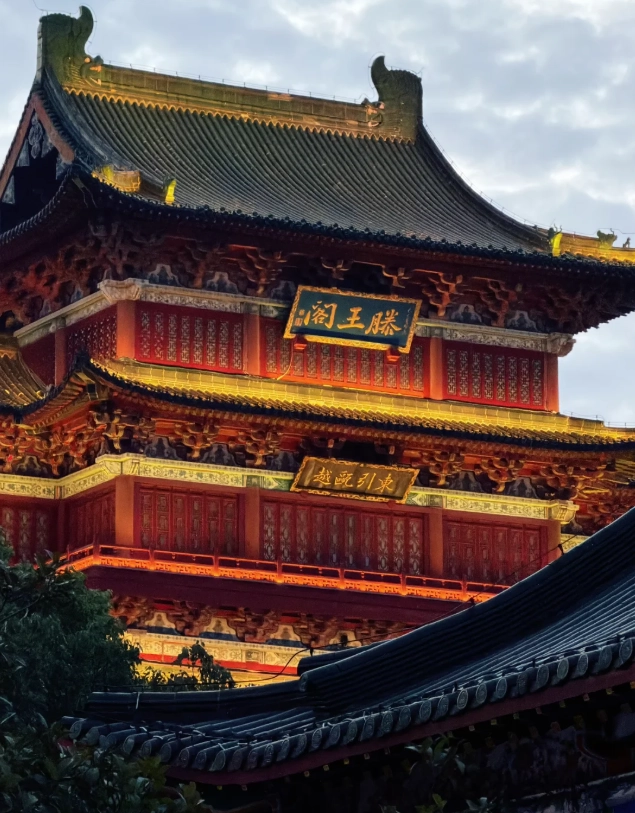
Wuyuan Ancient Villages: A Step Back in Time
Wuyuan is China's postcard come to life. If you've seen photos of China's most beautiful countryside, they were probably taken here. The famous Huangling village, with its hanging houses and rapeseed flower terraces, draws huge crowds every March. But let me save you a disappointment: April tourists pack the place like sardines. Go in October instead, when the autumn colors cover the hills and you can actually breathe.
The best way to visit is to buy the combined ticket (180 RMB) that covers the main villages, including Likeng and Jiangling. You can take a shuttle bus from the Wuyuan high-speed rail station, but I strongly suggest renting a small car with a driver for about 300 RMB a day — it gives you freedom to stop at the many uninhabited villages along the way.
Pro Tip: Don't skip the rain. On a rainy day, the lichen-covered bridges and misty mountains look straight out of a martial arts film.
Prioritize Likeng for its water views and Wangkou for its ancestral halls. If you have extra time, the little village of Yucun offers a peaceful sunset without any tour groups.
Jingdezhen: The Porcelain Capital
Jingdezhen has been making porcelain for a thousand years, and you'll feel the history in every workshop. Unlike the mountains, this is a city experience. The must-visit is the Ancient Kiln Folk Customs Museum, a sprawling park with working artisans and live demonstrations. The ticket is 95 RMB, and you'll need at least half a day. I love the moment when you see a pile of raw clay become a delicate vase in minutes — it's mesmerizing.
For shopping, skip the tourist traps on the main street and head to Taoxichuan, an old factory complex turned art district. The prices there range from 10 RMB for small trinkets to thousands for masterpieces. And after sunset, the bars along the river offer a lively scene.
Don't leave without trying the local dish, cold noodles with pepper (cool but fiery). It's a Jingdezhen specialty that wakes you up after a long day.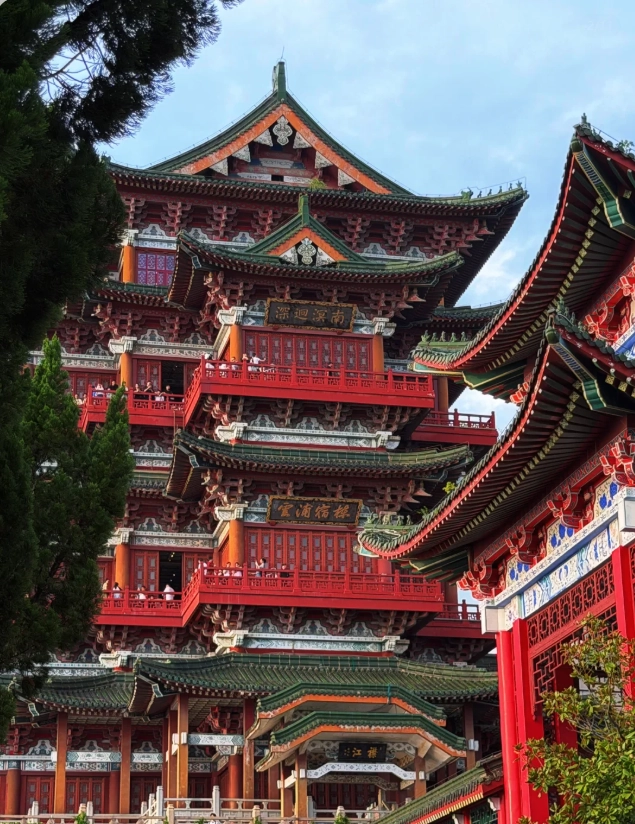
Sanqing Mountain: A Taoist Masterpiece
Sanqing Mountain is my personal favorite for its granite pillars and sea of clouds. As a UNESCO World Heritage site, it's less commercialized than Lushan but equally breathtaking. The cable car takes you up to an elevation of 1,800 meters, and from there you hike a loop that takes about 4-5 hours.
The entrance fee is 150 RMB, and the cable car costs 120 RMB round-trip. Bring good hiking shoes — the steps can be steep. I recommend staying overnight at the mid-mountain hotel if you want to catch the sunrise scene with minimal crowds.
Pack a hat and sunscreen — the high-altitude sun is deceptive. Also, some of the railings are thin, so secure any loose items. It's a safe hike, but you need to respect the vertical drops.
How to Plan Your Jiangxi Tourist Attraction Itinerary
If you only have 5 days, here's a realistic plan that covers the best without exhaustion:
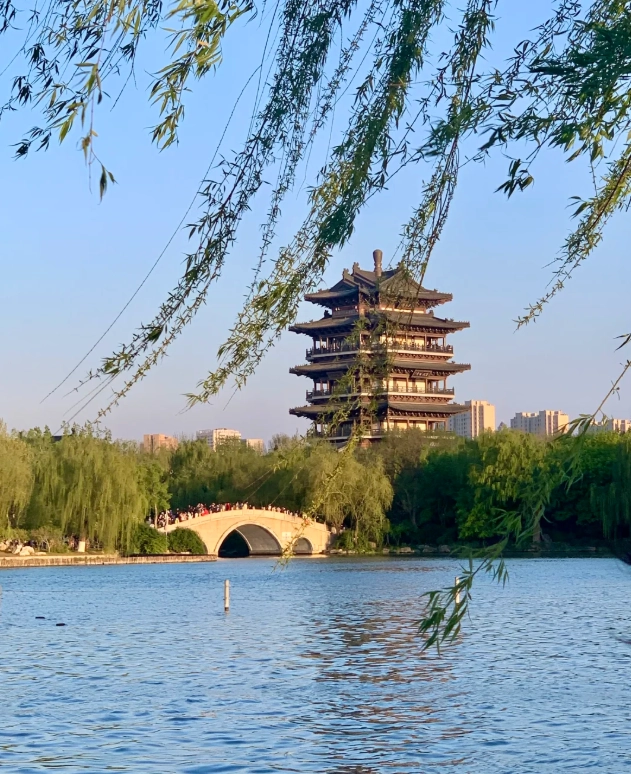
Day 1: Arrive in Nanchang (the capital), visit Tengwang Pavilion in the evening (night views are magical). Stay near the West Lake for easy access.
Day 2: Take an early train to Jiujiang (around 1 hour), then head to Lushan. Spend the night in Guling.
Day 3: Explore Lushan in the morning, then train to Wuyuan (via Shangrao). Stay in the ancient village.
Day 4: Visit the villages in Wuyuan, then take a bus to Jingdezhen (1.5 hours). Overnight in Jingdezhen.
Day 5: Explore Jingdezhen in the morning, then take the train to Shangrao for Sanqing Mountain. If you're short on time, you can skip it and fly out from Jingdezhen.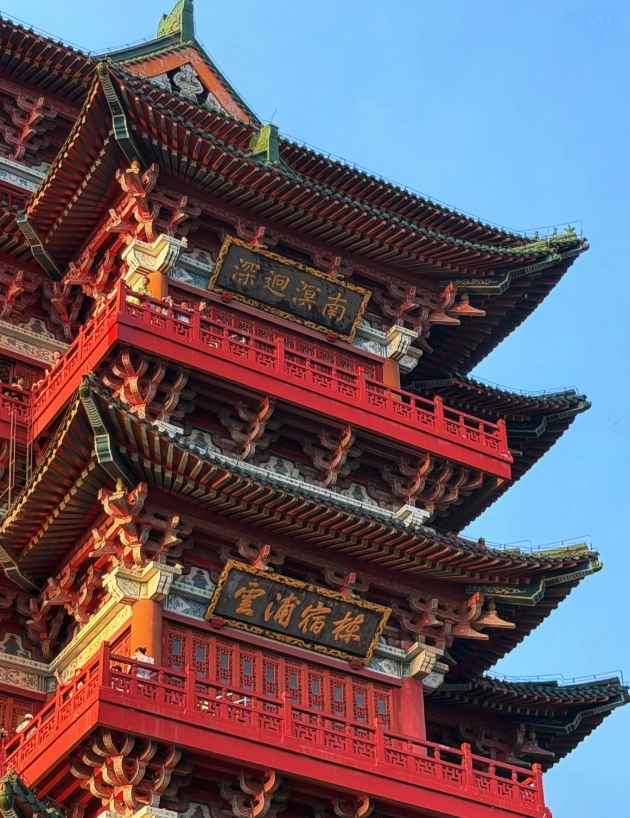
Now, let's talk about transportation between these spots. In China, the fastest way is high-speed rail. Here's a table for clarity:
| Route | High-speed Train | Cost (2nd class) | Car Rental |
|---|---|---|---|
| Nanchang to Jiujiang | ~1h | 60 RMB | 2h |
| Jiujiang to Wuyuan (via Shangrao) | 2h | 120 RMB | 3.5h |
| Wuyuan to Jingdezhen | 30 min | 30 RMB | 1.5h |
| Jingdezhen to Sanqing (via Shangrao) | 1h | 80 RMB | 2.5h |
Note: Times are approximate and may vary with schedule. Always book tickets on 12306.cn or Trip.com in advance.
If you have a rainy day, swap the mountain hike for the Jiangxi Provincial Museum in Nanchang or the China Porcelain Museum in Jingdezhen — both are indoor and world-class.
Of course, if you have more time, consider adding Nanfeng ancient city or the Longhu Mountains, but the four above are the must-sees.
Jiangxi Tourist Attractions: Practical Info (Tickets & Hours)
Here's a quick reference for tickets and opening hours. But remember, these fluctuate. Always double-check on official sites.
| Attraction | Adult Price | Child/Senior | Hours | Notes |
|---|---|---|---|---|
| Lushan | 160 RMB | 80 RMB | 7:00-18:00 | Eco-bus extra 90 RMB |
| Wuyuan Combined | 180 RMB | 90 RMB | 8:00-17:00 | Covers 12 villages |
| Jingdezhen Ancient Kiln | 95 RMB | 48 RMB | 8:30-17:30 | Workshops extra |
| Sanqing Mountain | 150 RMB | 75 RMB | 7:00-17:30 | Cable car 120 RMB |
All these attractions accept major mobile payments, but cash can be a lifesaver. Bring small bills, as many rural vendors won't accept large notes.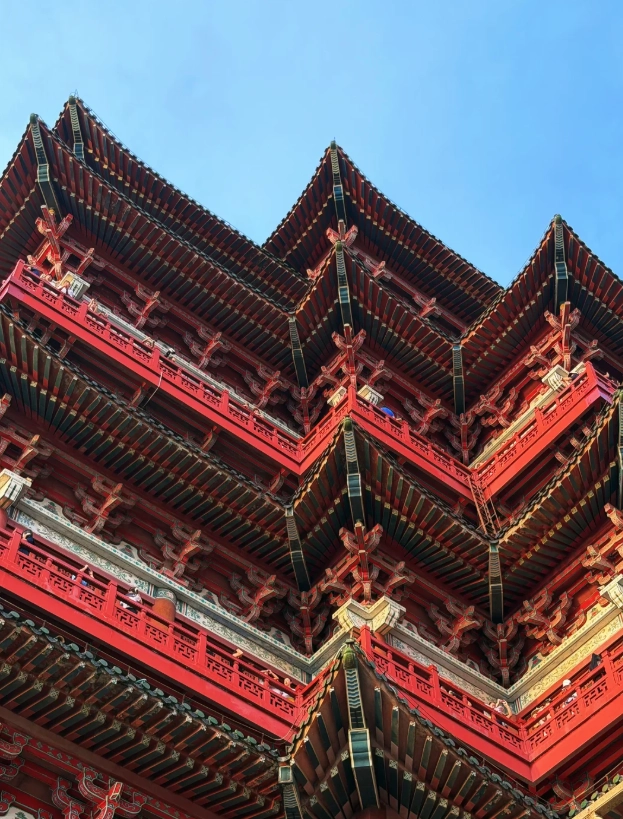
Common Mistakes to Avoid at Jiangxi Tourist Attractions
I've seen too many travelers fall into these traps. Here are the ones I always warn about:
- Carrying only a credit card. In China's smaller cities, physical cards are nearly useless. Set up Alipay and link your international card before you arrive.
- Ignoring the weather forecast. Lushan's summit can be 10°C colder than the base. Pack layers even in summer.
- Trying to do all four attractions in three days. It's not physically possible without rushing. Adjust your trip or pick only two.
- Taking the cable car down at closing time. On Sanqing, the queue can be an hour. Go down before 16:00.
- Using Google Maps. It's unreliable. Download Apple Maps or AMap Global (though the English version is basic). I always tell clients to screenshot the Chinese addresses to show taxi drivers.
Pro Tip: For any ticket booking issue, ask your hotel's reception desk. Most are happy to help you purchase tickets via WeChat mini-programs — they've become experts at this.
FAQ: Jiangxi Tourist Attraction Questions Answered
Finally, before you go, verify all prices and schedules on official websites. My job is to give you the best possible start, but things change. The experience is worth the extra effort — Jiangxi is a rare gem in China's travel crown.
This content has been fact-checked to ensure informational precision.





No comments yet.