 Qiang Huang
- What to Do in Anhui: The Classic Route
- How to Get to Huangshan Without Losing Your Mind
- Huangshan Tickets: Your Complete Booking Guide
- Where to Sleep on the Mountain and in the Valley
- Hidden Anhui: Villages and Streets Most Tourists Miss
- What to Do in Anhui When It Rains
- What to Eat in Anhui: More Than Just Stinky Tofu
- Practical Tips: Payments, VPN, and Translation
- FAQ: Your Anhui Trip Questions
You don't climb Huangshan. You queue for it. Then you queue for the cable car. And if you're not careful, you'll discover your shiny Visa card is useless at the ticket window. I've guided dozens of confused travelers through Anhui, and I've seen the same panic every single time. So here's my straight-up advice: get your logistics right before you even pack your bag.
If you're searching for what to do in Anhui, you already know the Yellow Mountains are a must. But I bet you haven't figured out how to skip the 3-hour ticket line using just your passport. Or how to get from the airport to the mountain without being ripped off. That's what this guide is for.
Here's the ultimate hack for a stress-free Anhui trip: take the Yungu cable car at 7:30 AM, spend one night on the summit, and come down via the Yuping cable car at 2 PM the next day. This simple trick helps you dodge about 80 percent of the tour groups. Then spend your remaining days exploring Hongcun Village and Tunxi Old Street – they're just as magical, without the epic queues.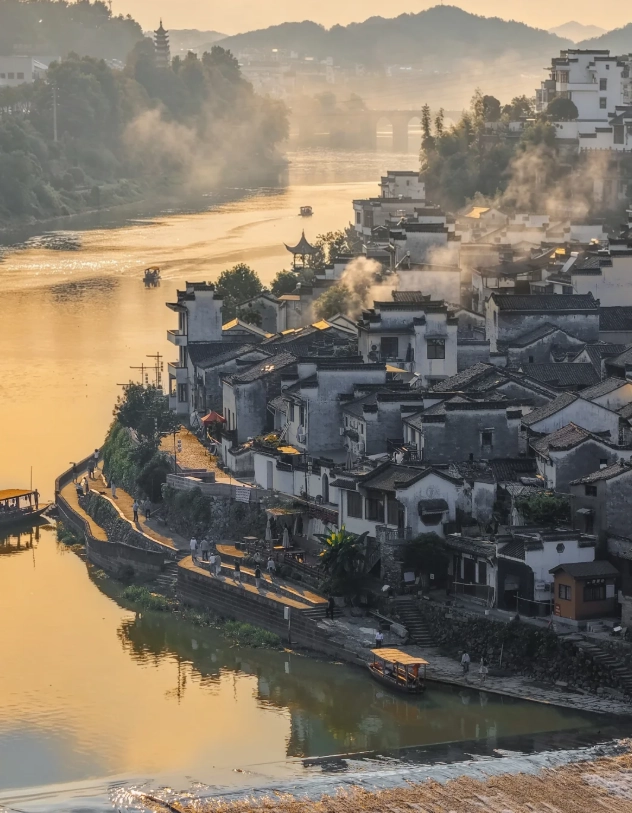
What to Do in Anhui: The Classic Route
Anhui packs a huge punch into a small area. You can hit the highlights in 4–5 days. Here's my recommended loop, which works for most first-timers:
- Day 1: Arrive in Huangshan City (we call it Tunxi). Explore the ancient street, try the food, sleep well.
- Day 2: Head to Huangshan Scenic Area (the mountain). Take the cable car up, hike the West Sea Canyon, sleep on the summit.
- Day 3: Catch the sunrise, hike to other peaks, descend, and take a bus to Hongcun Village.
- Day 4: Explore Hongcun and Xidi (two classic villages). Return to Tunxi for the night.
- Day 5: Fly home or continue your China trip.
This route is the backbone of a solid Anhui experience. But you can also tag on Jiuhuashan (a Buddhist mountain) or the stunning Tangmo Village if you have extra time.
Now, let's dive into the nitty-gritty – because the details are where most travelers trip up.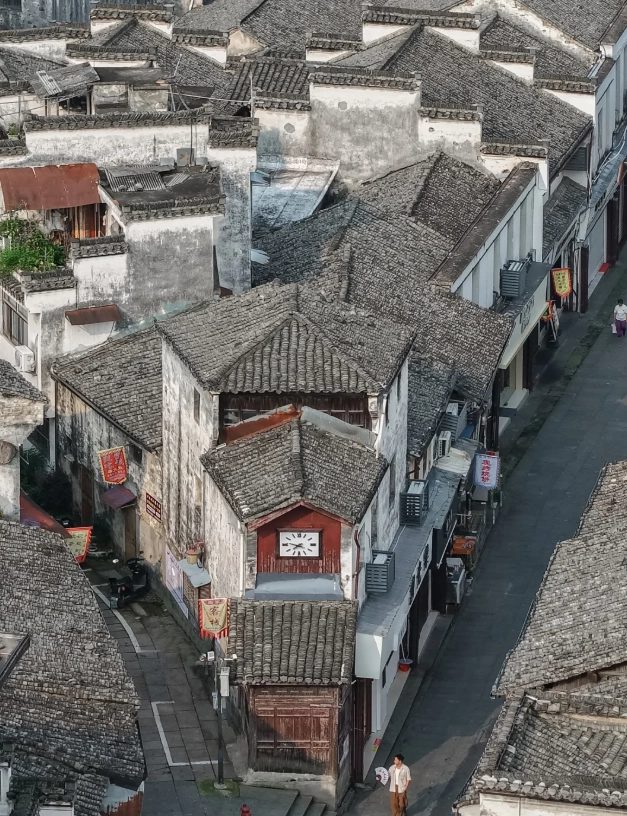
How to Get to Huangshan Without Losing Your Mind
The good news: Huangshan has two transportation hubs – a high-speed rail station and an airport. The rail station is the most convenient for most travelers.
By High-Speed Train (Most Recommended)
Getting to Huangshan North Railway Station is a breeze whether you're coming from Shanghai, Hangzhou, or Beijing. You can book tickets in English on the official China Railway website – 12306.cn. I always tell my clients to buy their train tickets as soon as the release date comes – they sell out fast, especially around Chinese holidays.
From the train station, you'll need to get to the mountain. Look for the official shuttle bus (it's called the "New National Line" or something similar – just follow signs for "Huangshan Scenic Area"). The bus ride takes about an hour and costs around 30 RMB. Don't fall for the taxi drivers waving "special deals" – the bus is safer and cheaper.
By Air
Huangshan Tunxi International Airport is small but well-connected. You can fly in from many Chinese cities. Once you land, grab taxi or a Didi (China's Uber) to the mountain area. The drive from the airport to the scenic area is about 70 minutes, so plan your day carefully.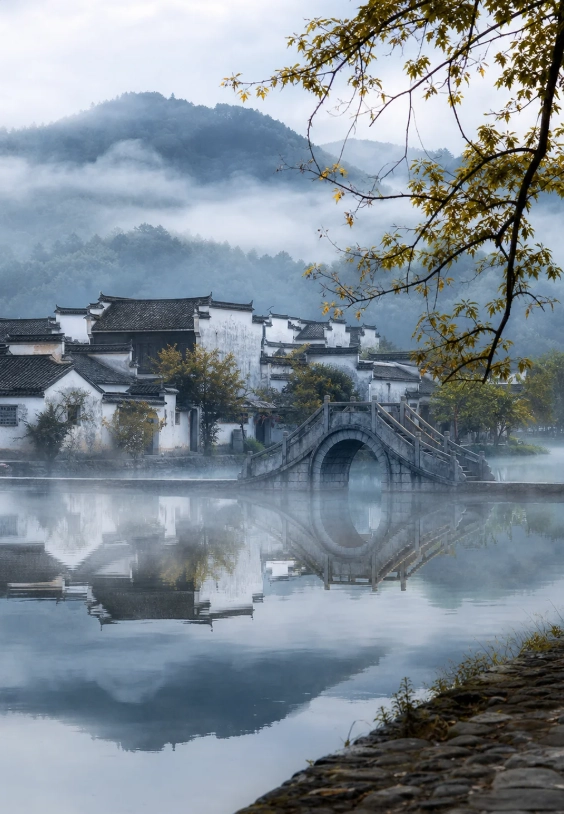
Here's a quick comparison table for transportation options from Huangshan City to the mountain:
| Mode | Time | Cost | Best For |
|---|---|---|---|
| Official shuttle bus | 1 hour | ~30 RMB | Solo travelers and budget travelers |
| Taxi (from train station) | 1 hour | 150–200 RMB | Groups or those with lots of luggage |
| Ride-hailing (Didi) | 1 hour | 120–180 RMB | Convenience; should be booked via app |
One insider tip: if you arrive at the railway station after 5 PM, it might be better to stay overnight in Tunxi and go to the mountain the next morning. The shuttle buses are less frequent in the evening.
Huangshan Tickets: Your Complete Booking Guide
Booking your Huangshan entry ticket in advance is non-negotiable these days. You also need to book your cable car tickets. Here's the deal:
The entrance ticket is around 190 RMB for adults in peak season, 150 RMB in winter. The cable car is another 80–100 RMB each way. But don't rely on those numbers – they can change, so always check the official site.
Here's the catch: the official booking system is a WeChat mini-program that's entirely in Chinese. Trying to navigate that as a foreigner is a nightmare – I've done it, and I almost gave up. Instead, for easiest booking, use an international travel platform like Trip.com or Klook. They sell the same tickets with English support, and you just show your passport at the entrance. It saves you hours of frustration.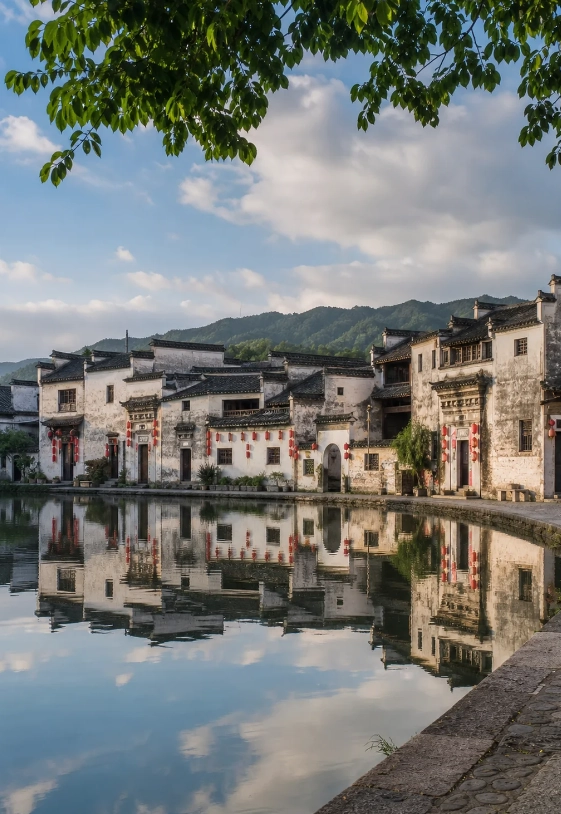
Pro Tip: When you book your ticket, choose the Yungu (Cloud Valley) cable car entrance. Most tour groups use the Ciguang (Front) entrance, so by starting from the east side you'll avoid the biggest crowds.
You'll also need to reserve your summit hotel bed well in advance – especially if you want to see the sunrise. More on that below.
And remember your passport: no passport, no entry. The ticket is tied to your ID document.
Where to Sleep on the Mountain and in the Valley
Staying overnight on Huangshan is essential if you want to see the sunrise without waking up at 3 AM. There are a few hotels on the summit, but they fill up weeks ahead. I've stayed at the Beihai Hotel and the Shilin Hotel – both basic but clean. Beds are in dorm-style rooms or private rooms; expect to pay anywhere from 800 to 1,500 RMB per night for a double room. It's pricey, but the experience is worth it.
In Tunxi, the best area to stay is near Tunxi Old Street. You can find guesthouses starting around 300 RMB. For an even more local feel, stay in a heritage-style hostel inside an old building – but check if it has an elevator and solid Wi-Fi, because some don't.
Here's a quick hotel comparison for the Huangshan area:
| Accommodation | Location | Price Range (RMB) | Best For |
|---|---|---|---|
| Summit hotels (Beihai) | On Huangshan | 800–1,500 | Sunrise chasers |
| Tunxi Old Street guesthouses | Tunxi | 300–600 | Budget & lifestyle travelers |
| Hongcun courtyard inns | Hongcun | 400–800 | Photography lovers |
If you stay outside the old street, you'll save money but lose the atmosphere. I always encourage my clients to splash out for one night in Hongcun – waking up in a Ming-dynasty courtyard is something you'll never forget.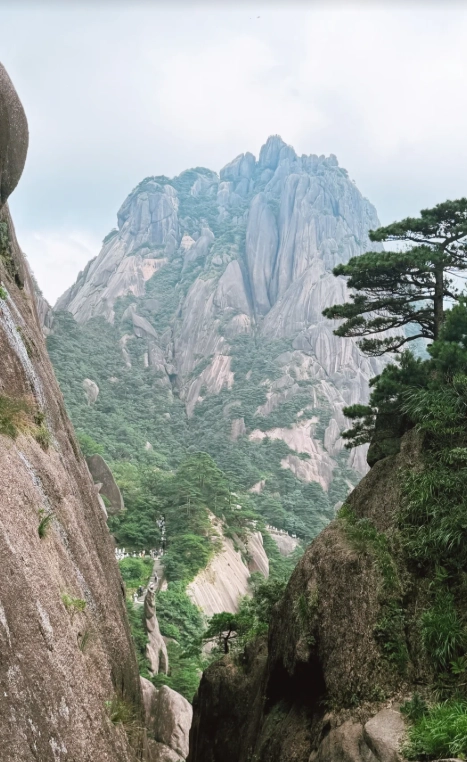
Hidden Anhui: Villages and Streets Most Tourists Miss
Beyond Huangshan, Anhui is full of ancient villages and culture that many visitors rush past. Hongcun is famous, yes, but don't let it be your only village stop.
Hongcun Village
Hongcun is a UNESCO World Heritage site (you can check the listing here). The entrance fee is about 104 RMB. You'll see the classic “Chinese painting” scenery with the moon pond and old houses. It gets packed after 10 AM, so try to arrive at 7:30 AM or stay overnight to have the place to yourself.
Xidi Village
Xidi is less crowded than Hongcun but equally beautiful. It's about 15 minutes away by car. The ticket is 104 RMB – often they sell a combined ticket for both villages. If you have to choose one, pick Hongcun for the iconic view, but Xidi has more authentic daily life.
Tunxi Old Street
Tunxi Old Street (Lao Jie) is a lively pedestrian street with Ming and Qing architecture, tea shops, and snack stalls. It's a great place to wander in the evening. Many shops close early, so go for a late-afternoon stroll and stay for dinner. Watch out for aggressive tea sellers – they'll try to lead you into their shops. Just smile and keep walking.
Tangmo Village
Tangmo is a hidden gem that most foreign visitors don't even know about. It has a beautiful water system and an old stone archway. It's quieter and cheaper (around 80 RMB) than Hongcun. I always stop there on my way back from the mountain – it feels like stepping back in time.
What to Do in Anhui When It Rains
Anhui can get rainy and foggy – and those days you can't see a thing from Huangshan's peaks. Here's my backup plan when the weather turns:
- Visit the Huangshan Museum in Tunxi – it's free and explains the geology and culture of the area.
- Explore Tunxi Old Street which has many covered shops and tea houses.
- Enjoy a long meal at a local restaurant – Anhui cuisine has dishes like stinky tofu and bamboo shoots you should try.
- Take a calligraphy class or tea tasting at one of the cultural centers in Tunxi.
The key is to have a flexible itinerary. When you hear rain is coming, swap your mountain day with a village day. This is why I always recommend at least 5 days in Anhui – you have slack.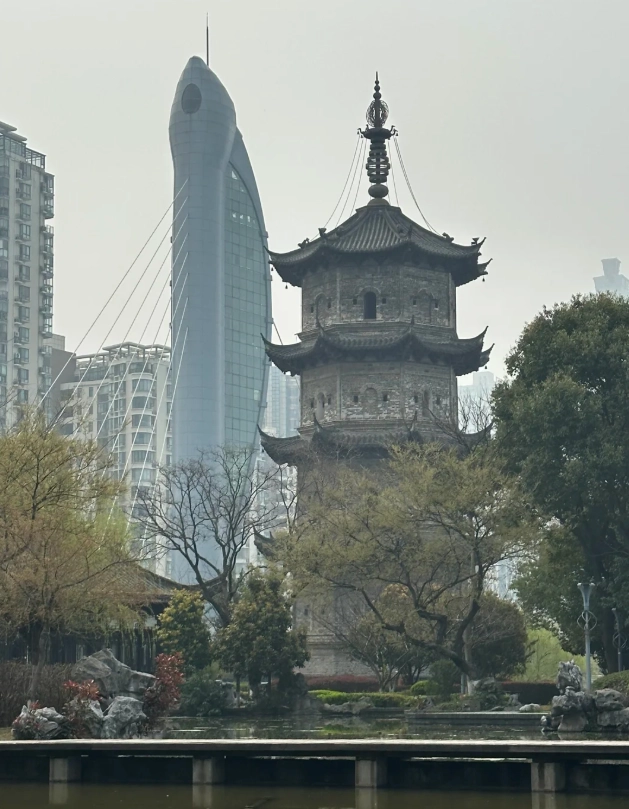
What to Eat in Anhui: More Than Just Stinky Tofu
Anhui cuisine is one of the eight great culinary traditions of China – light, earthy, and surprisingly addictive. You absolutely must try these:
- Stinky tofu (臭豆腐) – Yes, it smells! But it's crispy outside and soft inside. Head to Tunxi Old Street and look for a stall with a long line.
- Huizhou braised fish – a special dish with a sweet-sour flavor.
- Bamboo shoots – cooked with pork; the mountain-grown bamboo shoots are super tender.
- Maofeng tea – this green tea is grown near Huangshan. Buy it from a tea shop in Tunxi, not from street vendors near the mountain.
When I'm in Tunxi, I always eat at a tiny restaurant called “Lao Jie Di Yi Lou” (First Restaurant on Old Street). It's hard to miss – it's the one with the red lanterns. The stinky tofu there is the best I've had in my life. Just remember: these places are cash-only sometimes, so always carry some RMB.
For payment, many small vendors do accept WeChat and Alipay, but if you're on an international card, you need to link them first. More on that in a second.
Practical Tips: Payments, VPN, and Translation
Let's address the elephant in the room: digital payments in China. The whole itinerary I've outlined relies on you being able to pay for things with your phone. Here's what to do:
- Set up Alipay and WeChat Pay before you arrive. Connect your international Visa/Mastercard to these apps. You'll likely need to verify with your passport, so do it ahead of time.
- Carry some cash (500–1000 RMB) as a backup. Many local places – like the street vendors at Hongcun – only accept mobile payments or cash.
- Download AMap (or use Apple Maps) because Google Maps doesn't work well in China. Also, download an offline translation app like Google Translate (with Chinese data packs) or Pleco.
- Prepare a VPN before you travel – many Google services are blocked, and you'll need VPN to check your email or social media.
- Make sure your passport is always with you – you'll need it for hotel check-ins and train/entry tickets.
Visa requirements? See the official National Immigration Administration website for the latest entry rules. As of this writing, many nationalities get a 15-day visa-free entry, but don't count on it – check with your embassy.
One more thing: when hailing a taxi, have your destination written in Chinese. I always use a simple card or show it on my phone screen. And don't get upset if the driver refuses the fare – it's not personal, they just don't want to drive to the mountain that late.
FAQ: Your Anhui Trip Questions
This content has been fact-checked to ensure informational precision.






No comments yet.