 Hong Ma
Quick Navigation
I've been guiding travelers through Shaanxi for over a decade. And this weekend, like every other, I'll meet someone who booked a three-day grand tour and ended up exhausted, confused, and missing the best parts. Don't be that person. Here's everything I've learned about squeezing the essence of this incredible province into two days.
Shaanxi is more than just the Terracotta Army — it's the cradle of Chinese civilization, the start of the Silk Road, and a food paradise that will ruin you for life. But without insider knowledge, you'll waste time in ticket queues, overpay for subpar food, and miss the magic that only locals know.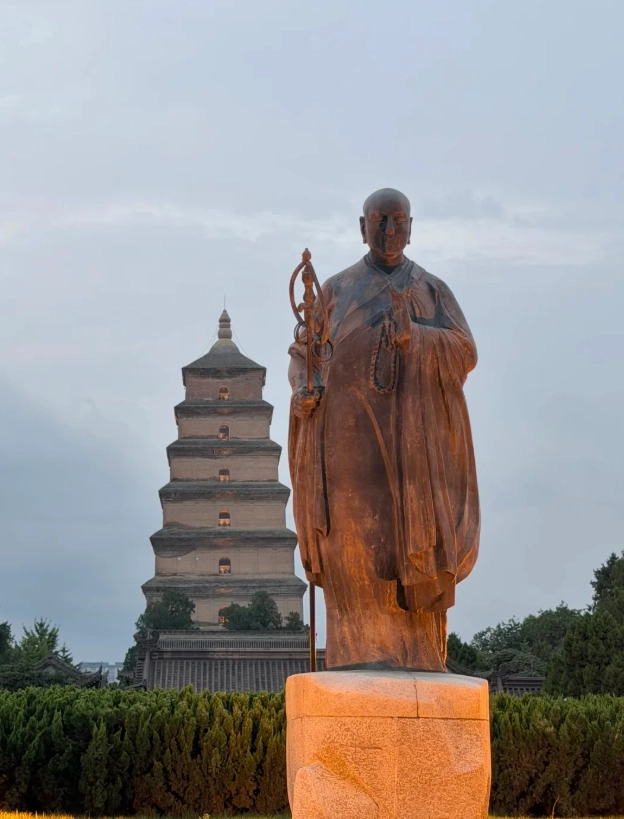
Why Shaanxi Deserves Your Weekend
If you have only a weekend, you might wonder if Shaanxi is worth the trip. Absolutely — but only if you plan smart. Most first-time visitors focus solely on Xi'an, but the real magic lies in the blend of ancient history and modern energy. I tell my clients: if you want a taste of China's 5,000-year-old soul, this is where it beats loudest.
Here's the catch: the province is vast, and the Terracotta Army is far from the city center. Locals know that trying to do everything will leave you cursing your itinerary. Instead, pick the right slice. In two days, you can walk the ancient city wall, marvel at the warriors, eat the most satisfying street food you'll ever find, and still catch a few hidden gems.
One thing that surprises my guests is the sheer density of history. You'll turn a corner and stumble upon a Tang Dynasty pagoda or a Ming Dynasty bell tower. It's not stuffy museum history — it's alive. That's why I love bringing people here. But let's be honest: the first-time confusion is real. That's why I'm writing this guide — to save you from the mistakes I've seen happen repeatedly.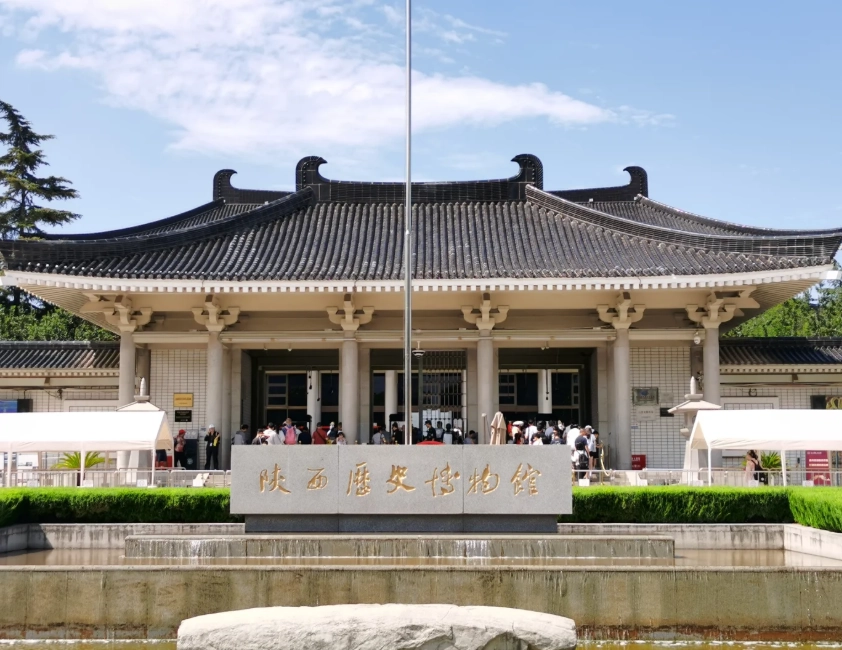
How to Plan a Weekend in Shaanxi
One-Day Sprint (24 Hours)
If you're truly short on time, I'd dedicate the entire first morning to the Terracotta Army. Leave your hotel at 7:00 AM to beat both the crowds and the heat. Take Metro Line 9 to the Huaqing Pool station, then grab a taxi for the remaining 10 minutes — it's cheap and saves you the hassle of waiting for the shuttle bus. Plan to be back in the city by 2:00 PM.
Spend the afternoon walking the ancient city wall. Rent a bike and cycle the entire 14 kilometers — it's the best way to see the old city. End your day by wandering through the Muslim Quarter for dinner. My routine: start with some brazier skewers, then dive into a freshly griddled roujiamo (Chinese hamburger) from a stall that looks no frills but has a line.
But wait — if the Terracotta Army isn't your priority, swap it for the Shaanxi History Museum (free, but book a day ahead). In 24 hours, you can't do both without collapsing. Choose wisely.
Two-Day Weekend (48 Hours) – The Perfect Balance
This is my most recommended plan. Day one focuses on the ancient capital experience; day two tackles the warriors and beyond.
Day 1: Start at the Xi'an City Wall (enter at the South Gate). Walk or bike for a couple of hours, then exit near the Stele Forest. Grab a quick lunch at a local eatery on Shuyuanmen Street. Afternoon: visit the Big Wild Goose Pagoda and its square — the fountain show is cheesy but charming. End the day at the Muslim Quarter, but avoid the main thoroughfare if you want quality food. I always send my groups to the side alley: Beiyuanmen Street's branches.
Day 2: Morning at the Terracotta Army. Take the Metro Line 9 again, but leave by 8:00 AM to avoid the tour groups. Allocate three hours there. Afternoon: head to the Han Yang Ling Mausoleum or the Banpo Museum — both lesser-known but packed with artifacts. If you're tired, simply stroll through the Yongxing Fang area, a beautifully restored food district that's less touristy than the Muslim Quarter.
Pro Tip: After visiting the Terracotta Army pits, the long walk to the exit passes through a gauntlet of souvenir stalls. I always warn my groups to wave off the fake bronze swords from the Qin dynasty — they're everywhere, and not a single one is genuine.
Top 5 Must-See Attractions in Shaanxi
Here are the spots I consistently bring my groups to, ranked by what matters to a first-time weekend visitor. I'll give you the scoop that the guidebooks miss.
1. Terracotta Army
Let's get the obvious one out of the way. The life-size warriors are just as jaw-dropping in person as in photos. But the experience can be ruined by poor planning. Most visitors enter through the south gate, which is closest to Pit 1. I always tell my clients to enter through the east gate instead — it's less crowded, and you'll exit via Pit 1 last, which fuels the anticipation.
Ticket price is around ¥120 (students half price). You must book in advance — foreigners can use the official WeChat mini-program, but it's in Chinese. If that overwhelms you, use a platform like Trip.com — you'll pay a small fee but get an English interface. Bring your passport for ticket entry.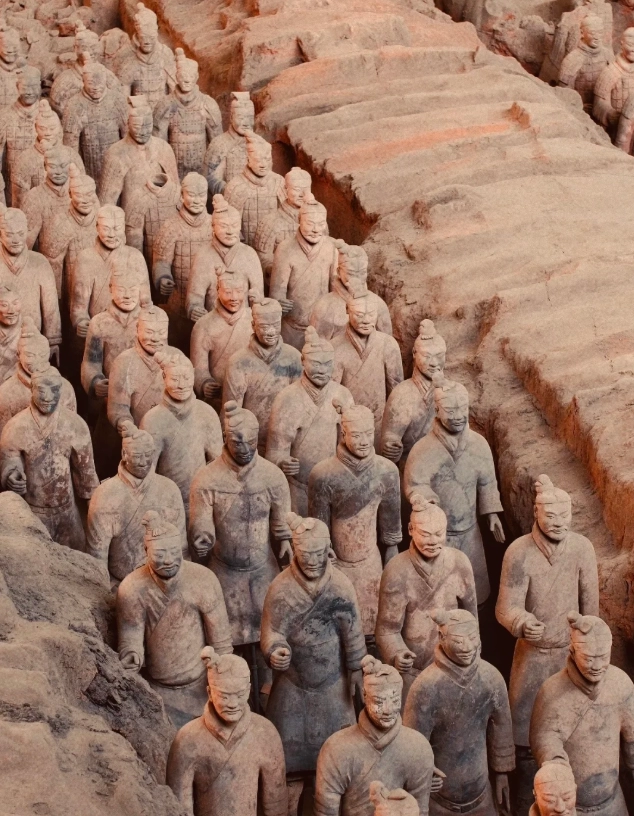
| Attraction | Ticket Price | Opening Hours | Best Time to Visit |
|---|---|---|---|
| Terracotta Army | ~¥120 (half for students) | 8:30–18:00 (last entry 17:00) | Right at 8:30 or after 14:00 |
| Xi'an City Wall | ~¥54 | 8:00–22:00 (may vary) | Late afternoon for sunset |
| Big Wild Goose Pagoda | ~¥50 (pagoda entry extra) | 8:00–17:30 | Morning or early evening |
| Shaanxi History Museum | Free (but reserve ahead) | 9:00–17:30 (closed Mondays) | Early morning to avoid line |
| Muslim Quarter | Free | Open until late | Evening for food stalls |
2. Xi'an City Wall
The wall is an engineering marvel and the most complete Ming fortress in China. I usually rent a bike at the South Gate — 45 yuan if you rent from a commercial vendor, but you can also get one through the official ticket office (cheaper). The ride takes about 1.5 hours at a relaxed pace. Bring water; the wall is exposed and summertime heat is brutal.
The best photos happen right after sunset when the lanterns light up. But beware: the south gate exit gets packed with tourists, so I often suggest exiting at the East Gate and grabbing a beer at one of the hidden bars in the alley below.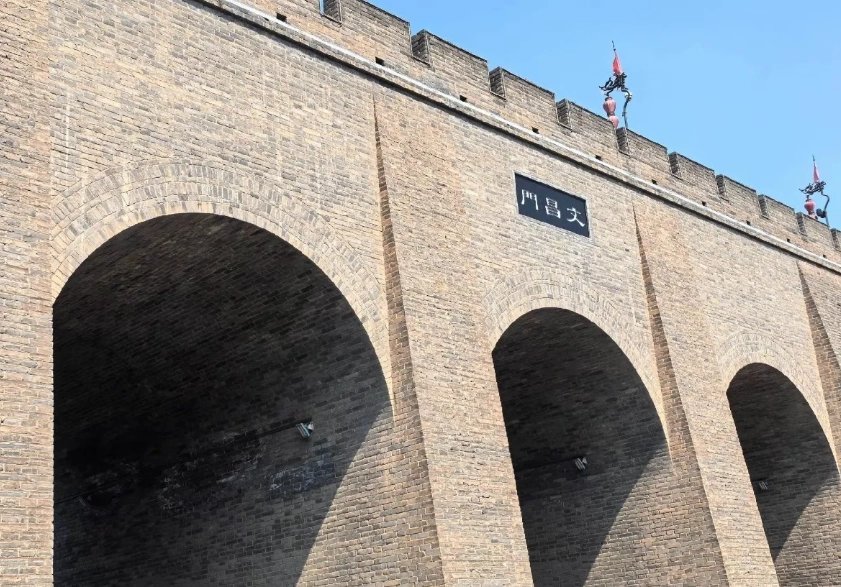
3. Big Wild Goose Pagoda
This Tang Dynasty icon is even more impressive than the photos suggest. The plaza in front is huge and often hosts singing fountains in the evening. I'm not a fan of the water show—it's a bit chaotic—but I love wandering through the adjacent Datang Everbright City, a pedestrian mall built to look like Tang-era architecture. It's kitschy but photogenic, and it transforms into a glowing wonderland at night.
4. Shaanxi History Museum
A free museum that rivals the best in Shanghai or Beijing. The collection spans over a million years of history. You need to reserve a free ticket via the official WeChat mini-program or at the counter with your passport. The catch: the free tickets are limited and go fast. My tip is to book exactly at the moment they're released — usually a week ahead. If you miss it, paid tickets for special exhibitions are worth it.
5. Muslim Quarter
This isn't just a single marketplace — it's a labyrinth of food stalls, shops, and street life. I'll be brutally honest: the main street is overwhelming and overpriced. Venture into the back alleys. Look for the stalls where you see locals, not tour groups. There's a hidden food street called Huajuexiang that's my secret weapon. Try the pomegranate juice, biangbiang noodles, and the massive drum biscuits with preserved vegetables.
What to Eat in Shaanxi
Shaanxi food is love it or hate it — but mostly love. It's hearty, carb-heavy, and loaded with cumin and chili. If you're vegetarian, you'll still find plenty, but be aware that many dishes use meat stock for flavor.
Here's my personal shortlist, the ones I tell every tourist to hunt down:
- Roujiamo (肉夹馍) — The ultimate Chinese hamburger. Braised pork stuffed into crispy flatbread. Go to the legendary chain, Fanji (樊记), near the Drum Tower. Order the double-meat version, and eat it standing at the counter.
- Liangpi (凉皮) — Cold noodles tossed in a spicy vinegar and sesame sauce. Perfect for hot days. The version at Weiyi Street's 'Bai Wei Liangpi' has been around for decades.
- Biangbiang Noodles — Wide, hand-pulled belts of noodles, usually with tomato and chili. The name literally mimics the sound of slapping dough. I always order the 'youpo' style with garlic.
- Paomo (泡馍) — A mutton stew where you tear the bread into chunks yourself before it's boiled. It's a ritual. Try it at 'Lao Sun Jia' (老孙家) — it's touristy but consistent. But wait, the real deal requires you to tear the bread super small — smaller than your pinky. Local students will tell you that's the mark of a pro.
- Eight-Treasure Porridge — A sweet dessert soup perfect after all that spice.
Insider Advice: If you're sensitive to spice, say 'bu la' (not spicy) when ordering. Many foreigners underestimate Shaanxi's chili — it's numbing, not just hot.
Where to Stay in Xi'an
For a weekend, location beats all. I recommend staying inside the city wall, ideally near the South Gate (Yongningmen) or the Bell Tower. These areas have easy access to metro, lots of dining, and you can walk to the wall.
Here's a quick rundown of the top neighborhoods, based on my experience with clients:
| Area | Best For | Price Range (per night) | Convenience |
|---|---|---|---|
| South Gate (Yongningmen) | First-time visitors, wall access | ¥300-800 for mid-range hotels | Metro Line 2, cafes, nightlife |
| Bell Tower area | Budget travelers, foodies | ¥150-500 for budget guesthouses | Central, but a bit chaotic |
| Big Wild Goose Pagoda | Couples, evening walkers | ¥400-1000 for boutique hotels | Quiet, but less nightlife |
| Muslim Quarter | Street food lovers | ¥100-300 for hostels | Loud until late, but immersive |
I usually put my clients at South Gate because it's a nice balance. The Novotel and Citadines are reliable, but the true local gem is the Qi Li Hotel, a converted courtyard house that's gorgeous. For budget travelers, there are dozens of capsule hostels around the Bell Tower.
No matter where you stay, check if they have a lift (some older buildings don't) and ask whether the staff speaks English. Most mid-range hotels do, but budget hostels often have translation apps ready.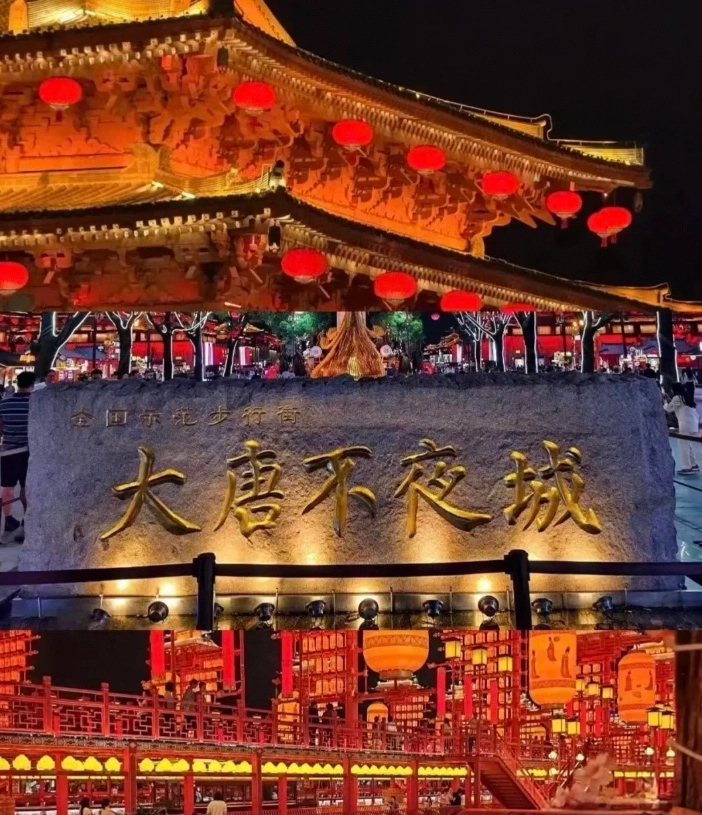
Practical Tips for Foreigners
Payment: Alipay or WeChat is King
Carrying cash is fine, but most vendors, even street stalls, prefer mobile payments. As a foreigner, you can link your international Visa or Mastercard to Alipay or WeChat Pay. I've had guests do this within minutes. Just make sure you have your passport on hand for identity verification. Don't rely on physical credit cards — they're rarely accepted outside big hotels and restaurants.
Navigation: Skip Google Maps
Google Maps is unreliable in China. Use Apple Maps (which uses AMap) or download AMap Global (now in English). I always tell my clients to download an offline map before arriving. The metro system is your best friend — it's cheap, fast, and has English signs. Taxis are affordable, but always have your destination written in Chinese characters to show the driver.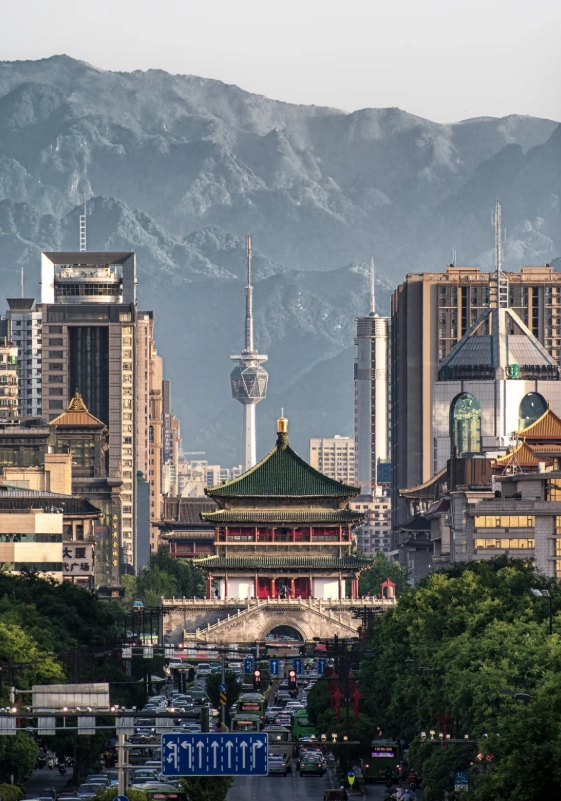
Booking: Book Ahead Like a Pro
Many attractions require advance booking with your passport number. The official channels (WeChat mini-programs) are in Chinese, but you can use international services like Trip.com or Klook for a small mark-up. If you hit a wall, ask your hotel concierge to book for you — they're usually happy to help.
Connectivity and VPN
If you use Facebook, Instagram, or Google services, you'll need a VPN because China's Great Firewall blocks them. Download one before you travel. For translation, Apple's built-in Translate works offline, or Duolingo for menus. Baidu Translate is more accurate for Chinese, but often needs internet.
FAQ: Shaanxi Weekend Questions
Verified and fact-checked by the editorial team.






No comments yet.