 Ling Wu
Quick Guide to This Article
Look, I get it. You've seen the same skyline photos a hundred times. The Peak is everywhere. So is Hong Kong worth visiting — or is it just another overhyped stop on the Asia circuit?
I've led tours here for over a decade, and I've watched people fall head over heels for this city. I've also watched people leave exhausted and secretly relieved. The difference? Planning.
My short answer: Yes, Hong Kong is worth visiting for most travelers — but only if you skip the tourist traps I'll show you in this guide. Do it right, and you'll understand why this tiny piece of China feels like nowhere else on Earth.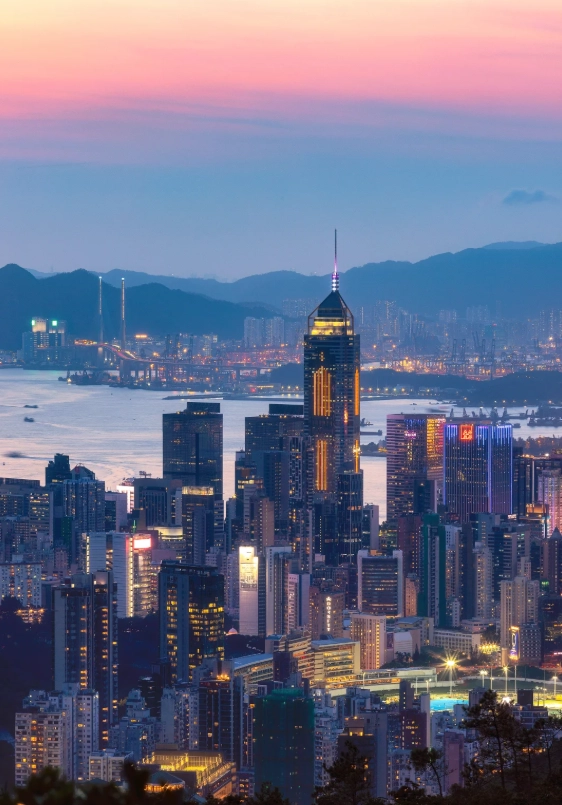
Is Hong Kong Worth Visiting? My Unfiltered Verdict
After a decade of bringing travelers through these neon streets, I've landed on a balanced answer. For the majority of visitors — yes. Hong Kong delivers one of the most concentrated, efficient urban experiences in Asia. You get a futuristic skyline, serious hiking trails, incredible Cantonese food, and a functioning public transport system that puts most European cities to shame.
But here's the catch: Hong Kong is not a cheap destination in the way Bangkok or Ho Chi Minh City is. And the tourist infrastructure — while efficient — can feel overwhelmingly crowded at peak times. If you come without a plan, you'll spend hours queueing at the same two viewpoints everyone visits.
What I love about Hong Kong:
- The MTR is clean, fast, and you can be from the airport to your hotel in under an hour.
- The mix of dense city and accessible nature — you can take a 30-minute ferry to an island with almost no cars.
- The food scene: from Michelin-starred dim sum to 24-hour dai pai dong, you never eat the same thing twice.
What can genuinely annoy you:
- The humidity in summer feels like walking through soup.
- Retail and restaurant staff can be brusque — it's efficient, not rude, but it can catch sensitive tourists off guard.
- Some tourist spots are so commercialized that the locals never go near them.
My verdict is a solid yes — but with a side of strategy. You need to know where to step, when to dodge, and how to eat like you're not a foreign ATM. I always tell my clients: if you only visit the places in the guidebooks, you'll leave underwhelmed. Venture into Sham Shui Po or Yau Ma Tei — those are the neighborhoods where the city actually breathes.
Pro Tip: Skip the Peak Tram entirely. Take bus 15 from Central instead. It's cheaper, just as scenic, and you'll skip a 90-minute queue on weekends.
The Real Cost of a Hong Kong Trip (Budget Breakdown)
Let's talk numbers. Prices in Hong Kong are high by Asian standards, but still lower than New York or Sydney for quality. Here's a realistic daily budget breakdown I share with clients:
| Budget Level | Accommodation (per night) | Food (per day) | Transport (per day) | Total (per day) |
|---|---|---|---|---|
| Backpacker | HK$300–500 | HK$50–100 | HK$50–100 | HK$400–700 |
| Mid-range | HK$800–1,500 | HK$150–300 | HK$100–200 | HK$1,050–2,000 |
| Luxury | HK$4,000+ | HK$500+ | HK$300+ | HK$4,800+ |
These are ballpark figures based on my own bookings and client receipts. The biggest variable is accommodation — weekend rates can spike 30% or more in popular areas like Tsim Sha Tsui or Causeway Bay. If you're on a tight budget, consider staying in Kowloon City or Sham Shui Po, where decent guesthouses go for HK$300–500.
Payment tip: Many small eateries, taxis, and street stalls only take cash or the Octopus card. Credit cards work in big hotels and chains, but don't assume every place takes them. Carry at least HK$500 in cash and always have a backup — your bank might block foreign card use without a travel notice. I've had clients stuck without cash and a frozen card; it's not fun.
For transport, the Octopus card is essential. It's a stored-value card that works on the MTR, buses, ferries, and even convenience stores. You can buy it at any MTR station vending machine with refundable deposit.
One more thing: the Airport Express is fast but pricey (around HK$115 one-way). A cheaper option is taking the A21 bus from the airport to Tsim Sha Tsui — it takes about 45 minutes and costs only HK$33. Worth it if you're not in a rush.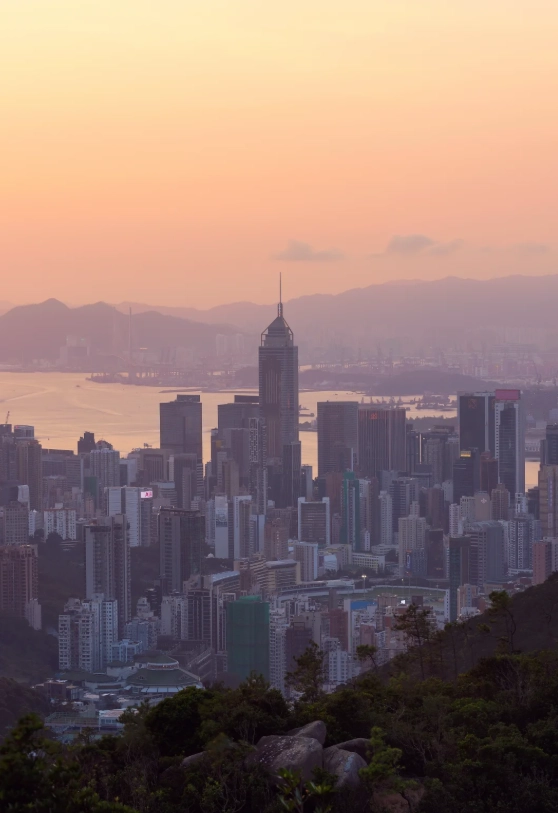
How to Plan a Hong Kong Itinerary That Actually Works
The biggest mistake I see is tourists trying to cram Kowloon, Victoria Peak, Disneyland, and Lantau into one day. That's physically impossible and mentally destructive. Here's what I actually recommend:
If You Only Have 24 Hours
Assume you land at Hong Kong International Airport at 9am and leave the next morning. This timeline has saved my clients' sanity:
- 10:30am – Drop bags at a hotel near Tsim Sha Tsui (use an early check-in if possible).
- 11:00am – Take the Star Ferry from Tsim Sha Tsui to Central. The 10-minute ride costs pennies and gives you the postcard view.
- 11:30am – Walk through the HSBC headquarters and Statue Square. Notice the narrow streets everyone walks past.
- 12:30pm – Lunch at a busy dim sum spot in Sheung Wan like Lin Heung Kui. Expect to share a table — that's part of the charm.
- 2:00pm – Ride the bus (line 15) up to the Peak instead of the tram. The bus is cheaper and shows you the quieter side of the island. You'll miss the iconic tram ride, but you'll skip a 90-minute queue.
- 3:00pm – Hike part of the Peak Circle Walk for views without railing-crowding.
- 5:00pm – Come down early and head to the Mong Kok Night Market (Tung Choi Street) to eat street food and haggle for souvenirs.
- 8:00pm – End at a local cha chaan teng for tea with condensed milk toast.
If you have 3 days, expand this: one day for Kowloon markets, one for Hong Kong Island and the Peak, and one for Lantau Island (take the Ngong Ping cable car for the Big Buddha). But always balance with rest — I've seen couples almost break up over a sunrise-to-midnight schedule.
When moving around, use the MTR. It's clean, fast, and air-conditioned. The system is color-coded and announcements are in English. You'll never really need a car unless you're heading to remote hikes.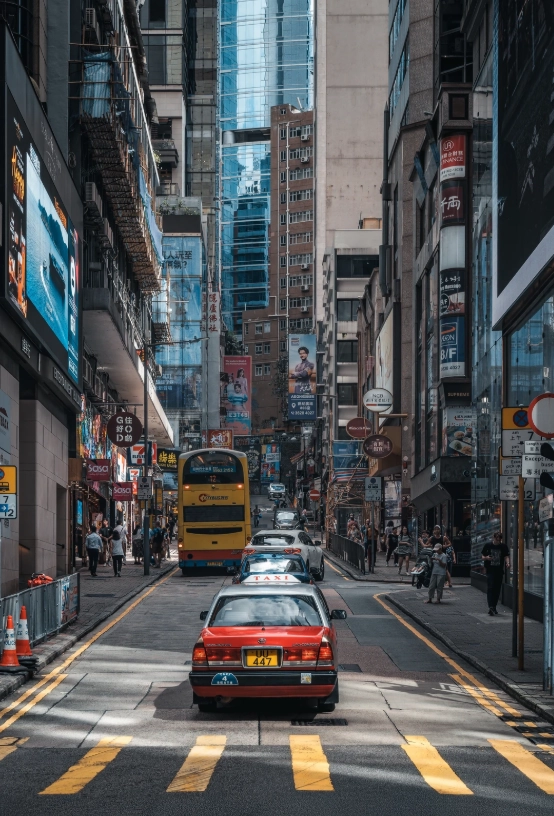
Common Mistakes I See Tourists Make in Hong Kong
Here are the pitfalls that turn a magical trip into a frustrating blip on your travel map:
- Trusting Google Maps for transit: It's often wrong for Hong Kong's complex bus network. Use Apple Maps (which has better local data) or the official MTR app. For buses, check the electronic boards at every stop.
- Showing up without a reservation: Even at mid-range restaurants, weekends fill up. Use the local booking platforms or ask your hotel concierge to call. The same applies to the Peak Tram — buy tickets online before you go.
- Using $1000 banknotes: Taxis and small shops often refuse big notes. Break them at a bank or MTR station first.
- Forgetting your passport: Hostels and some museums require ID. Carry a photocopy too.
- Taking unsolicited street advice: In tourist markets, someone might 'warn' you about a store and guide you to another. That's usually a commission trap. Politely ignore.
- Packing wrong: Even in winter, buildings crank up the AC. Bring layers. In summer, you'll need an umbrella and a rechargeable mini fan.
One more insider warning: if a taxi driver tells you the meter is broken and quotes a flat rate, get out. Use the HKTaxi app instead — it works like Uber and shows estimated fares. The app is a lifesaver when you're stuck in a downpour.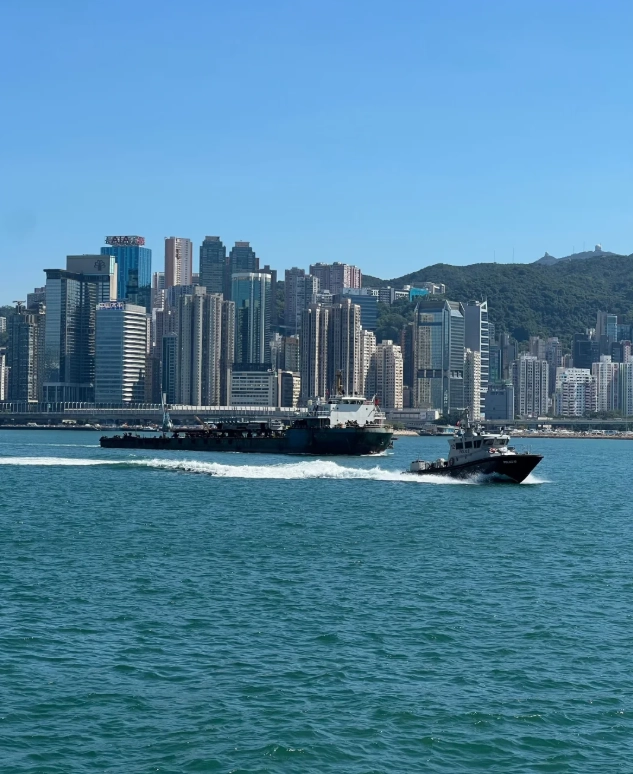
Is Hong Kong Worth Visiting for Different Travelers?
One size doesn't fit all. Here's how Hong Kong stacks up for different trip styles:
- First-timers to Asia: Yes. The city is an easy introduction — English is widespread, transport is excellent, and food is approachable.
- Veteran Asia travelers: Maybe. If you've already seen Tokyo, Seoul, Bangkok, you might find Hong Kong's urban rush familiar. But the hiking and remote islands add a different layer.
- Families with kids: Yes for Disneyland and Ocean Park, but the heat and crowds can exhaust little ones. Plan afternoon breaks.
- Budget backpackers: Challenging — accommodation is pricier than mainland China. Consider less central hostels in Kowloon City or Sham Shui Po.
- Foodies: Absolutely. This is one of the rare places where a Michelin-starred street stall exists. Turn off the guidebook and wander local lanes.
If you're into nightlife, Lan Kwai Fong and SoHo come alive after 10pm, but they're also tourist-heavy. My favorite is the neighborhood of Mong Kok at night — the neon signs alone are worth the trip.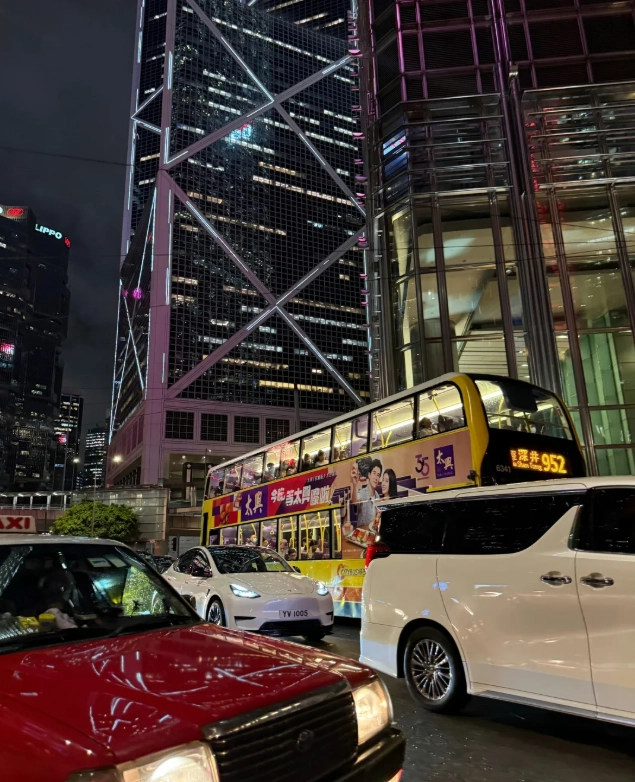
Frequently Asked Questions
Is Hong Kong worth visiting if I only have 24 hours?
Absolutely — but you have to be ruthless. Skip Disneyland and Ocean Park. Focus on Central and Tsim Sha Tsui. Take the Star Ferry, ride the bus to the Peak, and eat at two places: a bustling dim sum hall and a dai pai dong. You'll get the essence without the queues.
What's the best time of year to visit Hong Kong?
October to March has the most pleasant weather. Avoid May through September unless you love sweltering humidity and occasional typhoons. I've had clients wiped out by the heat in August — even locals prefer to stay indoors.
Is Hong Kong safe for solo travelers at night?
Yes, it's one of the safest cities I've guided. Violent crime is rare. But pickpockets operate in crowded markets. Keep your bag in front and don't wave your phone on the MTR during rush hour — I've had tourists lose phones that way.
Do I need a visa to visit Hong Kong?
Most Western passport holders get visa-free entry for 90 days. But always double-check with the National Immigration Administration. Note that mainland China visa rules differ; you can't mix a China visa with a Hong Kong stay without checking the transit rules.
Can I use my credit card everywhere?
Not everywhere. Major chains and high-end restaurants take cards, but small eateries, taxis, and street stalls often only accept cash or Octopus. Carry at least HK$500 in cash. And call your bank before departure — some cards get blocked for overseas use.
For rail travel from mainland China, you can check schedules and book tickets via the official China Railway website. If you're into urban hiking, National Geographic has covered Hong Kong's trails among the best in the world.
This content has been fact-checked to ensure informational precision.







No comments yet.