 Ling Wu
What This Guide Covers
I've been guiding trips to Hong Kong for nearly a decade, and the most frequent question I get before anyone lands is: "How many days should I budget for Hong Kong?" After countless iterations, I've landed on a clear, honest answer: 3 full days is the sweet spot for most travelers — but you can absolutely make 2 days work, and if you're a hiker or culture nut, 4 to 5 days will reward you with memories you won't find in any standard guide.
Let's cut through the generic advice and build the perfect plan around your actual trip constraints.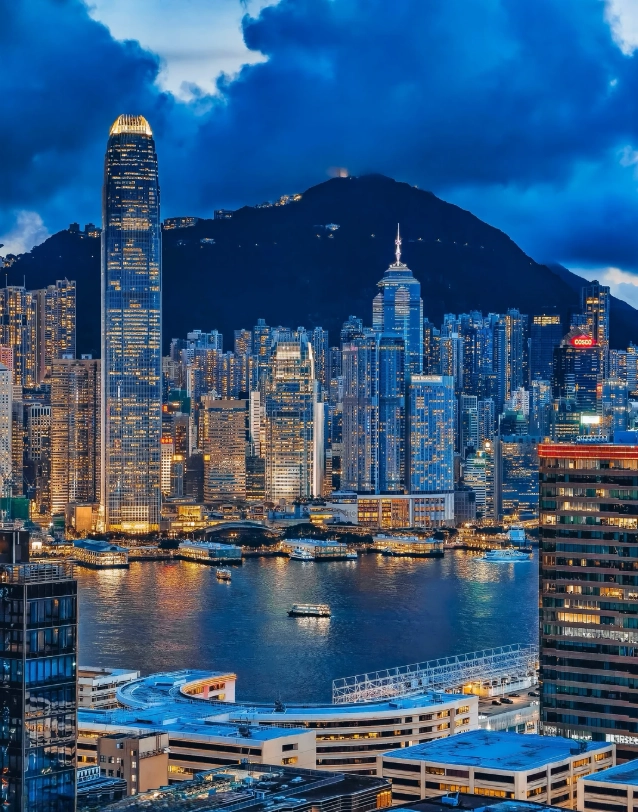
The Short Answer: How Many Days in Hong Kong Do You Really Need?
If you're pressed for time, don't panic — a well-planned 2-day itinerary covers the essentials without making you feel like you've seen nothing. Most visitors land in Hong Kong with 3 days, and that's what I recommend for a balanced first trip. You'll get the classic skyline views, the vibrant markets, the best street food, and still have an afternoon for an unexpected discovery.
For those with a full 5 days, the city opens up completely. You can hop over to Macau on a day trip, hike Dragon's Back, explore the quieter New Territories, and even squeeze in a themed day at a beach or fishing village like Tai O. Yes, Hong Kong is compact, but its density means you can cover a surprising amount if you move tactically.
Here's the catch: most tourists fail because they cram sightseeing into a chaotic blur. They wake up at 8, rush to the Peak, then to the Temple Street market, and end up exhausted and honestly, bored. Let me save you from that.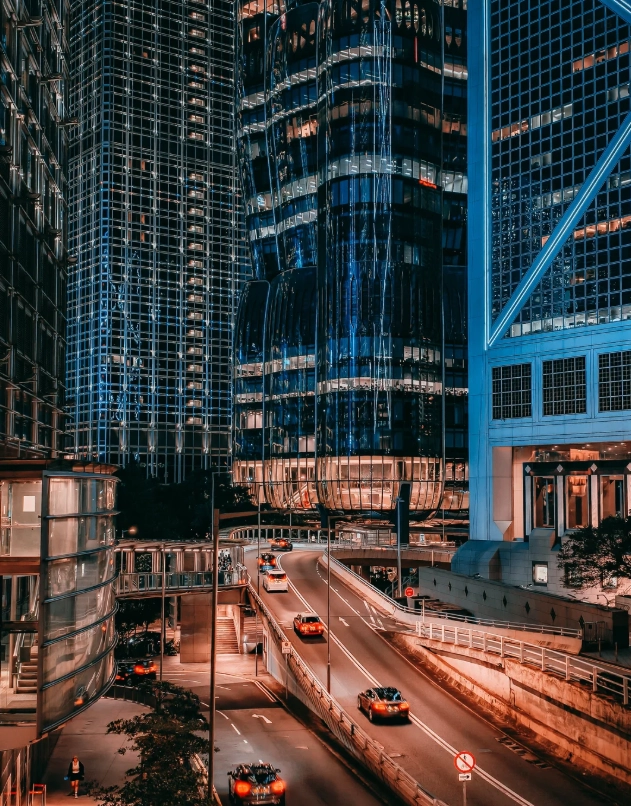
Hong Kong's Top Attractions: What Deserves Your Time
Before we pattern-match a template itinerary, let me give you my own ranking of what I think is genuinely worth your time. I've taken hundreds of first-timers through these spots, and the order below reflects that experience.
Must-See Sights (and How Long They Need)
Victoria Peak (Tai Ping Shan) — block out 2 to 3 hours. The Peak Tram is iconic but the queue can be brutal. Go right after 4 PM, ride up, catch sunset, and then take the bus down to avoid the tram's long line. The view over the Victoria Harbour is unforgettable, and I've never had a client regret this.
The Star Ferry — 15 minutes but worth its weight. It's the cheapest and most charming way to cross the harbour, and it's even better at night when the skyline is fully lit. Take the Tsim Sha Tsui to Central route, sit on the right for the best view.
Temple Street Night Market — 1.5 to 2 hours. It's touristy, yes, but the energy is real. Go for the street food, the fake watches, and the fortune tellers. Don't buy anything without bargaining hard, and avoid the seafood stalls near the entrance — they overcharge.
Big Buddha and Ngong Ping on Lantau — half a day. The cable car ride is stunning, but purchase tickets online to skip the long wait. Or, if you love hiking, hike up from Tung Chung — 2.5 hours, steep, but the reward is a nearly empty Buddha.
Nan Lian Garden — 45 minutes, free. This beautifully manicured Tang-style garden is a surprising haven of peace in a dense city. It's off most Western guides but so worth it.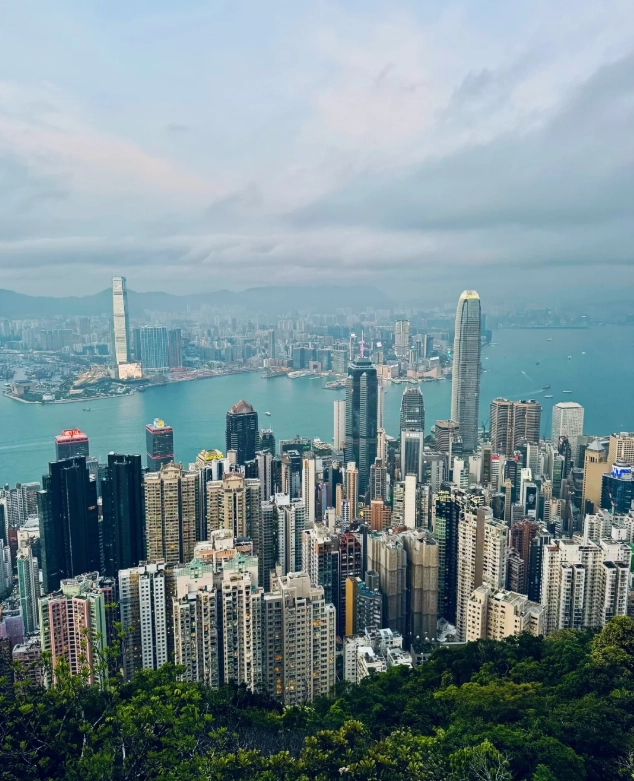
Underrated Gems Most Tourists Skip
Tai Kwun, a former police compound turned into a cultural complex. You'll find art exhibitions, bars, and a quiet courtyard perfect for a rest.
Man Mo Temple on Hollywood Road. It's a tiny incense-heavy temple that gives you a glimpse of old Hong Kong. Go in the morning before the crowds.
Yau Ma Tei Fruit Market. If you're into photography, the pre-dawn market activity is a contrasting scene of neon and mango crates.
How to Plan Your Days: Itineraries for Every Travel Style
Instead of a one-size-fits-all day plan, let me give you a table to compare your options, then break down each timeline.
| Duration | Best For | Must-Do Highlights | What You'll Miss |
|---|---|---|---|
| 1 Day | Layover or business trip | Star Ferry, Victoria Peak (at night), Mong Kok | Museums, outlying islands, hiking |
| 2 Days | Weekend escape | Add Temple Street Market & a dim sum feast | Lantau, Big Buddha, hidden villages |
| 3 Days | First-time traveler | Everything above + Lantau or a day trip to Macau | In-depth nature, quiet beaches |
| 4-5 Days | Hikers, foodies, slow travelers | Include Dragon's Back, Tai O, and maybe Disneyland | Little — this is the immersive experience |
3-Day Itinerary: The Sweet Spot (My Favorite)
Day 1: Arrival, Central and the Peak. Land by noon, grab a quick noodle lunch in Central, then walk through the mid-levels escalator and visit Man Mo Temple. In the late afternoon, head to the Peak. If you're with me, we'd time it to avoid the 5 PM tourist surge. After sunset, take the bus down to Tsim Sha Tsui and watch the skyline from the Avenue of Stars. Dinner? Hit Lan Fong Yuen for the perfect egg tart.
Day 2: Lantau and the Not-So-Touristy South. Take the MTR to Tung Chung, ride the cable car to Big Buddha and the Ngong Ping Village. Come back in the early afternoon to explore the quiet alleys of Sheung Wan, or if you're up for it, take a bus to Stanley Market and Repulse Bay. End with a seafood dinner on Lamma Island if you have energy.
Day 3: Markets and Museums. Spend the morning at Temple Street Market, then dive into the Kowloon Walled City Park (free and surprisingly serene). Catch the afternoon at the Hong Kong Museum of History to understand the city's layers. End with a night bar on Knutsford Terrace in Tsim Sha Tsui.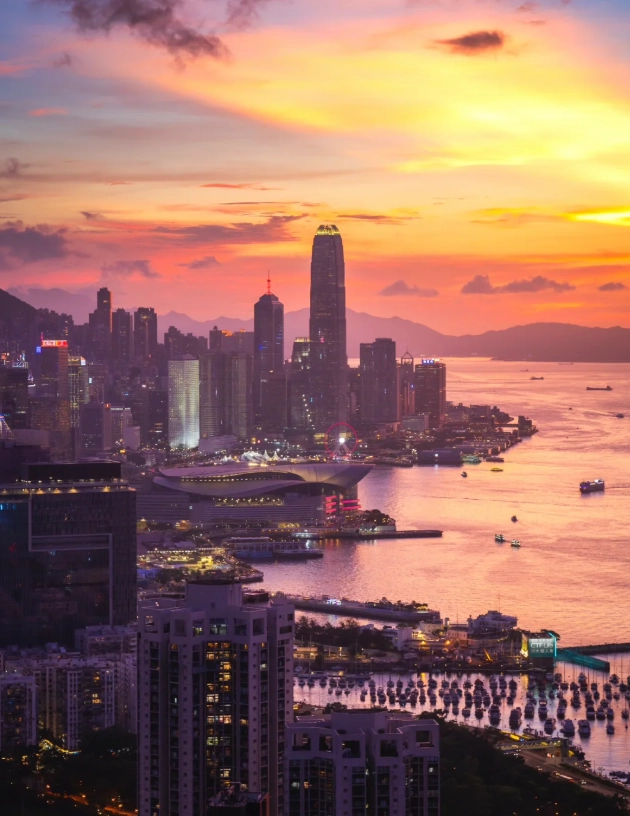
2-Day Itinerary: The Highlight Sprint
Day 1: Harbour and Peak. Start with the Star Ferry, then hop on the Peak Tram (avoid the 11 AM surge). In the afternoon, explore the HK China Ferry terminal area and take a 15-minute ferry to Cheung Chau Island for a relaxing walk. Back in Kowloon, visit the Ladies' Market before a daai siu lau (Dai pai dong) night snack.
Day 2: Culture and Street Food. Morning: Kowloon Walled City Park and the nearby Hawker's Market. Afternoon: take a bus to Shek O for a beach break, or if you prefer museums, the Hong Kong Heritage Museum in Shatin. Evening: pack in more local flavours in Mong Kok.
4-5 Day Itinerary: The Slow Explorer
Day 4: Walk the Dragon's Back. This world-famous and free trail gives you sweeping views without the tourist buses. Start early, bring water, and head to Shek O afterwards for a seafood lunch.
Day 5: Optional Macau or Tai O. Macau is a 1-hour ferry ride, but if you're not feeling the casinos, take a bus to Tai O, a nostalgic fishing village with stilt houses and a famous boat ride to spot the pink dolphins. You'll be back in time for a farewell dinner on Temple Street.
1-Day Itinerary: The Layover Dash
If you have a single day, don't try to conquer everything. Focus on the harbour loop: Star Ferry, then the Peak, then a wander in Mong Kok. That's the core experience, and anything extra is a later-day bonus.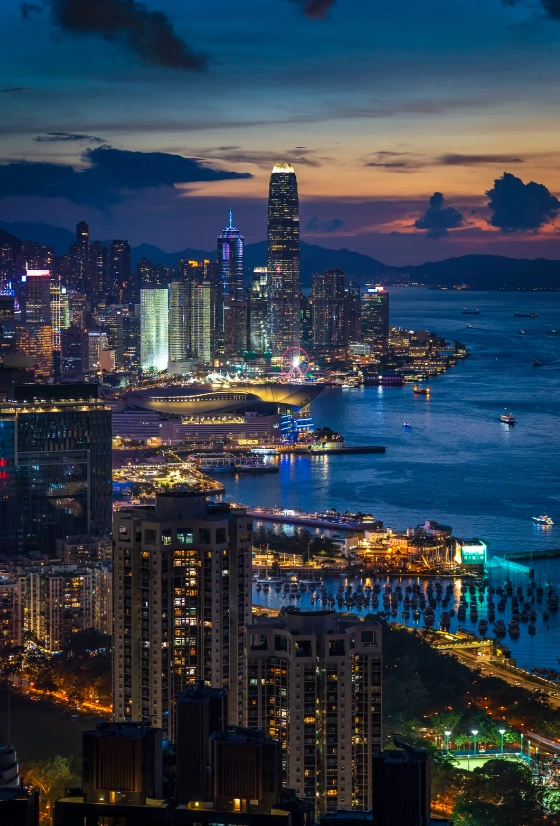
Getting Around Hong Kong: MTR, Taxis, and Octopus
Hong Kong's transport system is exceptionally efficient, and if you've been fighting with East Asian navigation, you'll love this.
Buy an Octopus card immediately. It's a smart card for MTR, buses, ferries, and even convenience stores. You can get it at any MTR station. A tourist version is available, but the standard card works just as well, and you can refund the deposit at the end.
The MTR is your fastest urban connexion. Trains come every few minutes, and signs are clearly bilingual. Use Google Maps to plan connections — it's surprisingly accurate in Hong Kong.
The Airport Express is a separate line that takes you from the airport to Hong Kong Station in about 24 minutes. It's pricier but worth it if you're in a rush. If you're on a budget, the S1 bus connects the airport to Tung Chung MTR station for a fraction of the cost.
Taxis are an option, but only for longer hauls. The city is not that big, and traffic jams are common. If you must take one, use the official red city taxis in urban areas. If you're unsure of the fare, ask before you get in.
Minibuses are an adventure, and they're also the most local thing you can find, but for your first visit, I'd skip them because stops aren't announced in English. Only use them if you've mastered Cantonese.
One more thing — Hong Kong's airport is efficient, but immigration lines can move slowly. If you're connecting to a domestic or regional flight, factor in a 30-minute buffer. After you collect your bags, grab an Octopus card at the MTR desk before leaving the arrival hall.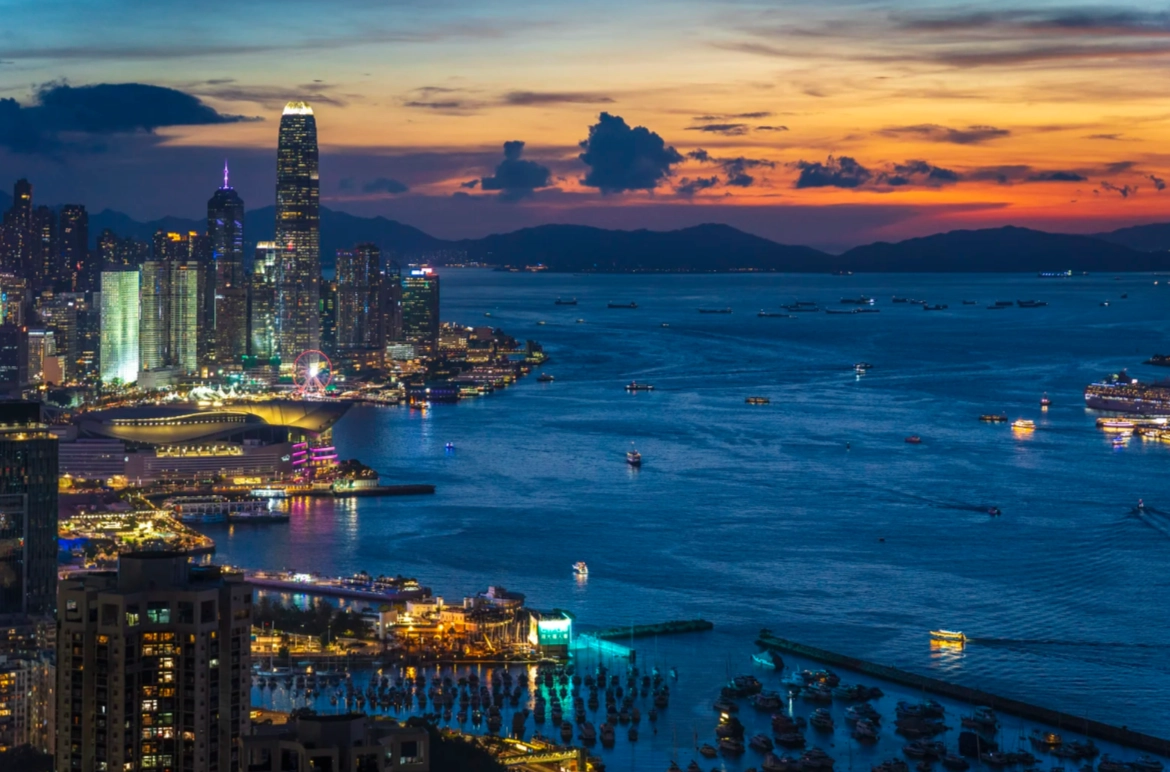
Practical Tips for Foreign Visitors: Payments, Connectivity, and Booking
Let's tackle the real headaches. First, payments are easier than you think. Credit cards are widely accepted, especially Visa, Mastercard, and Amex. However, cash is still king in street markets and small family-run shops. Withdraw some Hong Kong dollars at the ATM, and keep a hundred or two in your pocket. Many businesses use “Octopus” as payment, too, and it's a great way to avoid handling coins.
Second, your home country's apps will work. No need to install a VPN for Hong Kong. Google Maps, WhatsApp, and Facebook all work normally. Apple Maps works well too. Just download the MTR App for real-time transit updates.
Third, book major attractions in advance. For the Peak Tram, Disneyland, Ocean Park, and the Ngong Ping cable car, advance purchase saves you an hour of queueing. Use official websites or reliable third-party platforms like Klook or Trip.com. Always carry your passport when you enter these attractions — some have age or ID checks.
For visa questions, check your country's requirements with the National Immigration Administration and for tourism trends, you can glance at the UNWTO regional data.
Last but not least, be prepared for small cash-only situations. Many temples and tiny noodle stalls won't take cards. A translation app like Google Translate's camera mode is incredibly useful for reading menus.
Pack light layers, because air conditioning inside is aggressive. A light waterproof jacket is essential if you're here during typhoon season (June to August).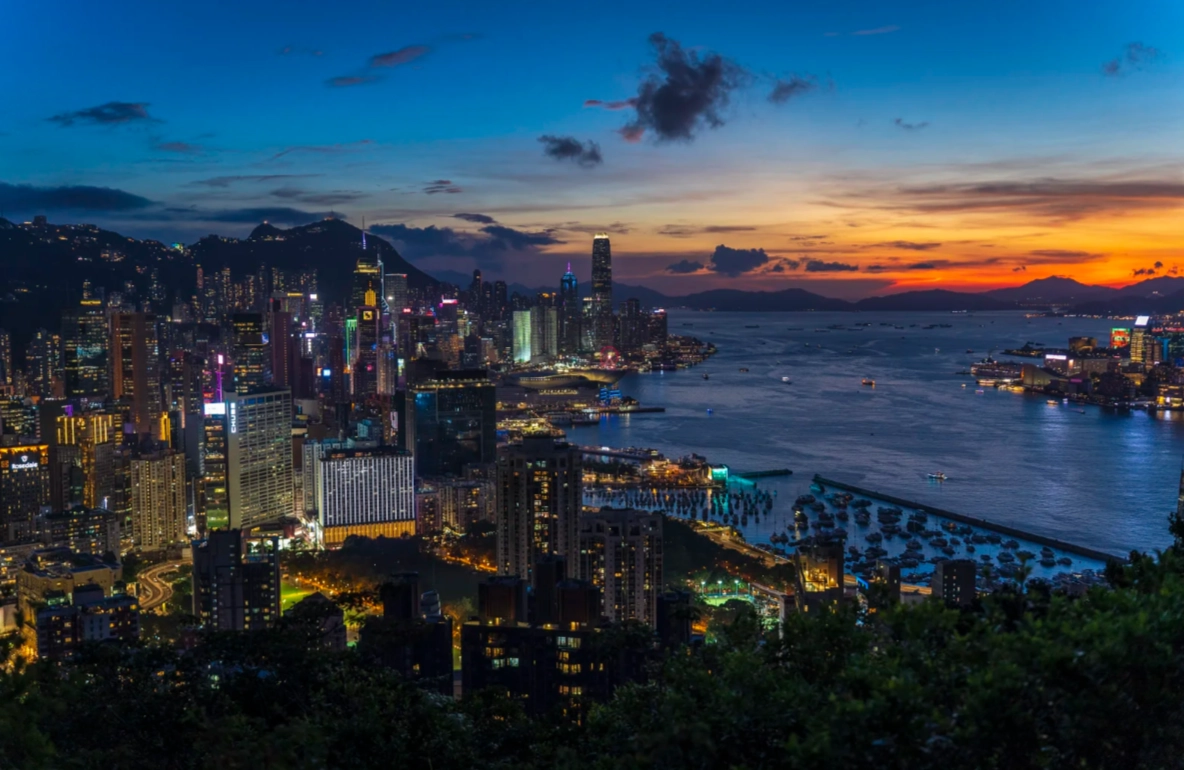
Where to Stay in Hong Kong: Best Neighborhoods for Short Trips
Your neighbourhood selection directly impacts how many days you'll truly enjoy. Here's my quick rundown of the best bases:
| Neighbourhood | Vibe | Avg. Price (per night) | Best For |
|---|---|---|---|
| Tsim Sha Tsui (Kowloon) | Harbour views, tourist-friendly, close to transit | $150–$250 USD | First-timers, sightseeing |
| Central / Sheung Wan | Upscale, great restaurants, business hub | $200–$350 USD | Couples, foodies |
| Mong Kok / Yau Ma Tei | Buzzing, market-heavy, budget | $80–$150 USD | Budget travelers, street-food lovers |
| Causeway Bay | Retail paradise, close to parks | $150–$250 USD | Shoppers |
My personal tip: stay on the Kowloon side if it's your first time. You get the view of the skyline across the harbour, and the MTR connections are just as convenient. If you want a taste of old Hong Kong, look for a boutique guesthouse in the Yau Ma Tei area — it's gritty but full of character.






No comments yet.