 Chen Liu
Quick Navigation
After 12 years of guiding travelers through China, I can say Hubei is the province people overlook — and that's exactly why you should go. Most tours blast through here to catch a Yangtze cruise, but they miss the best bits: ancient Taoist mountains, wild nature reserves, and food that will make you forget about dumplings.
I've had clients cry at the Three Gorges Dam's sheer scale. I've also had clients who tried to 'wing it' without booking tickets and ended up staring at a fence. So here's the real deal on what to do in Hubei — with the practical steps you need to make it happen without losing your mind.
Bottom line? You need at least four days to feel the province properly. Two in Wuhan, one in Yichang for the dam, and one for Wudang or Shennongjia — pick based on your fitness and weather tolerance. If you're short on time, skip Enshi; it's stunning but far from the main rail lines.
Why Hubei Should Be on Your Radar
Hubei sits right in China's middle, with the Yangtze River cutting through it. It's not just Wuhan — though Wuhan is a great starting point. This province packs in UNESCO sites, hiking trails, and a food scene that locals swear is the best in China.
The real draw for me is the variety. You can go from futuristic skyscrapers to misty peaks in a single day. But that variety also means planning is key. Most foreign travelers get overwhelmed because they only read about Beijing or Shanghai. Hubei rewards those who dig deeper — and who are willing to navigate a few obstacles.
How to Get Around Hubei?
First, the good news: Hubei's main cities are connected by high-speed rail. Wuhan to Yichang takes about 1.5 hours on the fast train, and Wuhan to Shiyan (for Wudang) is roughly 2 hours. Air travel is an option too, but I'd stick to trains — they're more reliable and the stations are easier to navigate.
Book your train tickets in advance via China Railway's official platform. Foreigners need your passport number at booking. The station gates scan your passport directly, so don't lose it.
Once you're in a city, the metro is your best friend. Wuhan's metro covers most sights. Download the AMap app (it has an English mode) or use Apple Maps in China — Google Maps won't get you far.
For trips between towns or to sights like Enshi Grand Canyon, consider hiring a private driver via your hotel or a tour app. It's more comfortable than negotiating with taxis.
Top Things to Do in Hubei by Region
This is the meat of your trip. I've split Hubei into five regions, each with its own flavor. You don't have to hit them all — but these are the ones I recommend after years of trial and error.
Wuhan — The Gateway City
Start your Hubei journey in the provincial capital, where river lights meet ancient towers. Wuhan is often just a layover, but it deserves a night and a half.
Start with the Yellow Crane Tower, a symbol that has inspired poets for centuries. Admission is around 80 RMB for adults, but check the official WeChat mini-program or use Trip.com for the latest price. You'll need your passport to book. Go early — before 8:30 AM — to beat the school groups and get the morning light.
Then walk or cycle along the Yangtze riverfront or take a ferry across to Wuchang for a local feel. The ferry costs a few yuan, and it's the best 10-minute sightseeing ride in town.
In the evening, head to Hubu Lane for street food. Grab a bowl of hot dry noodles (热干面) — sesame-paste noodles that will ruin you for other noodles. My rule: find a shop with a long queue and no English menu. That's usually a good sign.
If you only have 24 hours in Wuhan — and that's often all people give it — here's how I'd use every minute. Get an early start at the Yellow Crane Tower (before 8 AM). Then take the Yangtze River ferry to the Wuchang side, where you can walk the Hubei Provincial Museum (free, but book a time slot with your passport). Finish your day at the Yangtze River Bridge at sunset — it's the longest river bridge in China, and the view is incredible.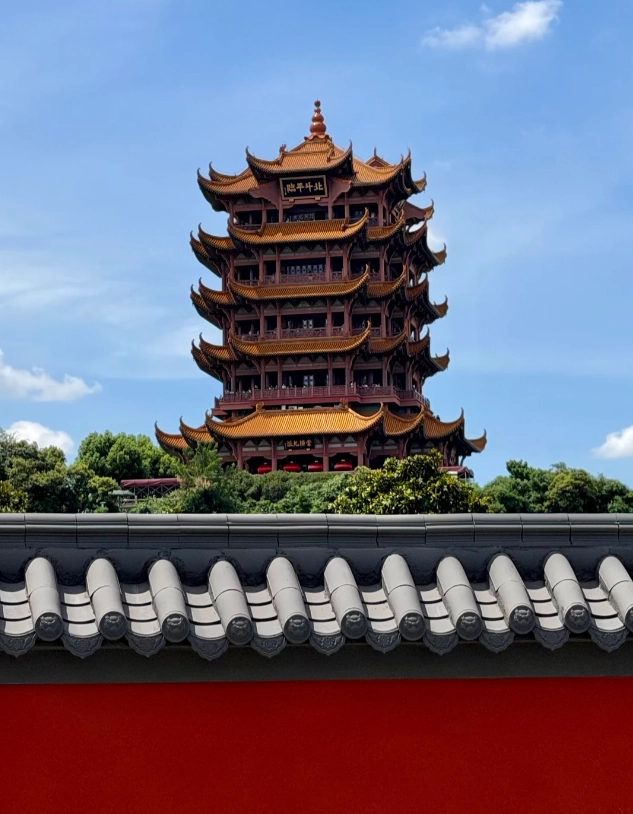
Yichang — The Three Gorges Dam and More
The Three Gorges Dam is the world's largest power station, and looking at it makes you feel tiny. Book your visit at least a day in advance — it's free but you must reserve a spot with your passport. Do it through Trip.com or the official dam website.
Most tours start from the tourist center, where you board a shuttle bus. Don't lose your ticket — you'll need it for security checks. Go on a clear day if possible; on foggy days the dam's scale gets lost.
If you have extra time, skip the crowded observation deck and walk some of the riverside trail. It's less crowded and gives you a better sense of the river's power.
Enshi — Canyon Hikes and Tujia Villages
Enshi Grand Canyon is a jaw-dropping slot canyon walk, but it requires serious legs. You'll be walking up and down for 4-6 hours. The narrowest point is barely 2 meters wide with cliff walls on both sides. Admission is around 150 RMB, plus bus and cable car tickets. Bring water and a small snack — the restaurants at the top are overpriced and mediocre.
My honest opinion? If you've already seen Zhangjiajie or Tiger Leaping Gorge, Enshi might feel redundant. But if you want a less-crowded alternative to Zhangjiajie, this is it. Be prepared for lots of stairs and no escape in the middle.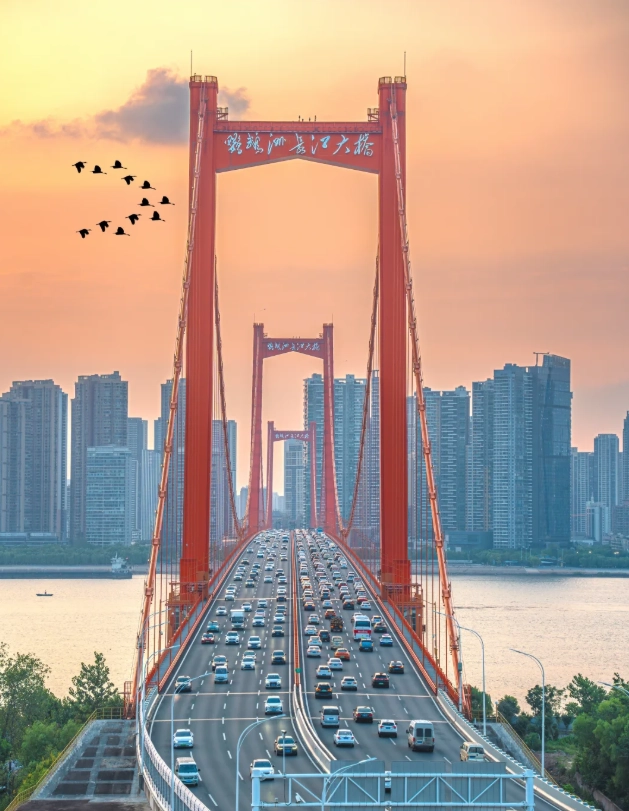
Wudang Mountain — A Taoist Peak
Wudang is a UNESCO World Heritage site that feels like stepping back into a wuxia movie. The mountain is packed with Taoist temples, and the mist often makes it look otherworldly.
Spend at least one night on the mountain to catch sunrise. The cable car helps but doesn't get you all the way — you'll still climb. Check the UNESCO heritage list for more context.
The best time to visit is spring or autumn. Summer is foggy and hot; winter is slippery. Also, note that the main temple complex closes around 5 PM, so plan to see it before that.
Shennongjia — The Wild Side
Shennongjia is a national park with pristine forests and possible 'yeti' sightings. It's more of a nature reserve than a spot with monuments. If you love hiking, this is your place. But beware: the weather changes fast. Pack a good rain jacket and layers.
Most international travelers skip it because it's remote. To reach Shennongjia, you'll fly or take a long bus from Wuhan or Shiyan. It's a lot of effort, but the reward is quiet trails and starry skies.
If you're into wildlife or photography, this should be on your list. Otherwise, it might be better to stick to the more accessible destinations.
| Attraction | Admission | Best Time to Visit | Time Needed | Nearest Hub |
|---|---|---|---|---|
| Yellow Crane Tower | Check official platform | Early morning or late afternoon | 2–3 hours | Wuhan city center |
| Three Gorges Dam | Free (reservation required) | Clear days | Half day | Yichang city |
| Enshi Grand Canyon | Check official | Spring (Apr–Jun) and Autumn (Sep–Nov) | 4–6 hours | Enshi city |
| Wudang Mountain | Check official | Spring and Autumn | 1–2 days | Shiyan city |
| Shennongjia | Check official | Summer and Autumn | 2–3 days | Shiyan or flight to Shennongjia airport |
What to Eat in Hubei?
Hubei cuisine is 'heavy' on flavors and history, with a nod to river and mountain ingredients. You've already met hot dry noodles. Don't miss:
- Duilian jiguan (莲藕排骨汤) — lotus root and pork rib soup, a local comfort food that's slightly sweet.
- Yichang bangren (宜昌拌人) — a spicy cold dish made with wheat gluten. It sounds odd but it's addicting.
- Wuchang fish — steamed with ginger and scallion, simple and fresh.
- Duck neck (鸭脖) — a bar snack across China, but Wuhan does it best. Try the spicy braised version.
Find restaurants that are busy but not absolute chaos. Use the Dianping app (in Chinese) with a translator if you can — it's the Yelp of China and shows real reviews from locals.
Where to Stay in Hubei — Quick Picks
Choose your base based on your itinerary, not on marketing photos. For Wuhan, stay near the metro line 2 or 4, ideally around Jianghan Road or Chu River Han Street. Budget about 300-500 RMB for a mid-range hotel. For Yichang, stay near the East Railway Station to easily catch trains.
If you're doing Wudang, consider staying on the mountain itself for sunrise. But book early — there are only a few hotels up there, and they fill up.
I always tell my clients to find a hotel with 24-hour front desk. That way, even if your train arrives at 11 PM, you can still check in smoothly.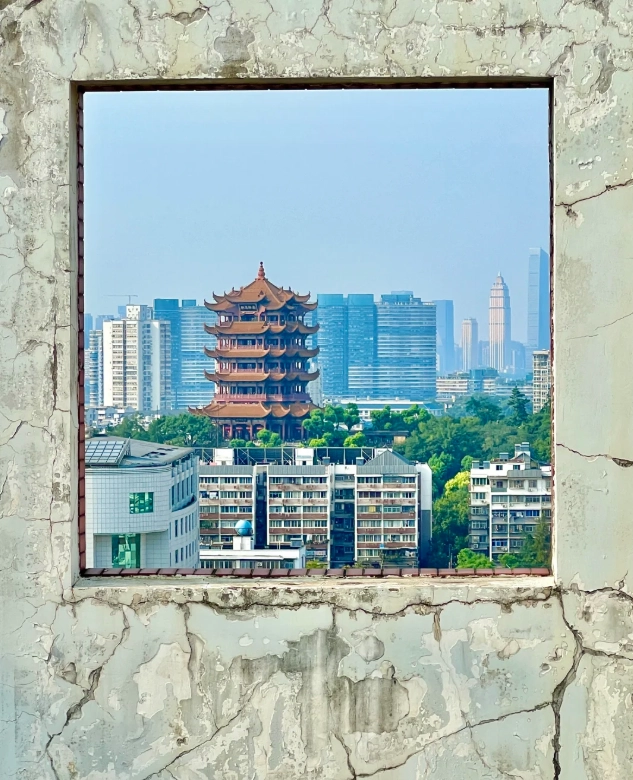
Cultural Etiquette and Safety in Hubei
Understand a few key rules to avoid looking like a confused tourist. First, don't take photos of military installations or the Three Gorges Dam from restricted areas. Second, always carry your passport — many places require it for entry. Third, when in doubt, don't talk about politics; locals will appreciate your discretion.
Safety-wise, Hubei is very safe for travelers. I've walked alone late at night in Wuhan without any issues. The biggest risks are pickpocketing in crowded markets and online scams when booking tours. Use reputable platforms and don't hand over cash to strangers.
Make sure your visa and entry permissions are in order — see the National Immigration Administration’s official website for the latest requirements.
FAQ: What to Do in Hubei
This content has been fact-checked to ensure informational precision.






No comments yet.