.jpeg) Prof. Jian Chen
Prof. Jian Chen
⚡ Quick Navigation
I’ve been guiding travelers in China for eight years. And the number one headache? Paying for things. “My card doesn’t work.” “The merchant said ‘cash only’ but I have no yuan.” — I hear this every week. That’s why I always tell my groups: get the Alipay Tour Pass before you land. It’s not perfect, but it’s the closest thing to a local wallet without a Chinese bank account. Let me walk you through exactly how it works, where it stumbles, and how I’ve saved my clients hours of frustration.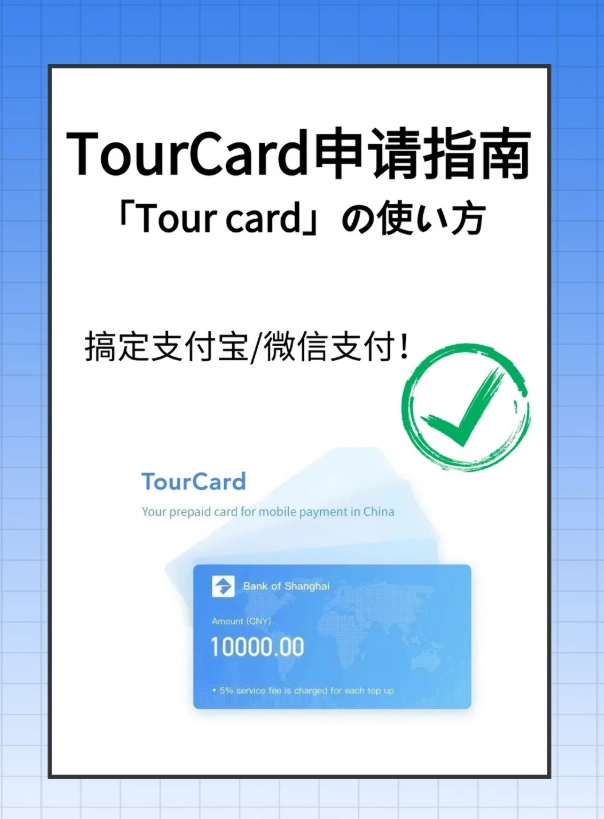
What Is Alipay Tour Pass and Why Do You Need It?
Alipay Tour Pass is a prepaid virtual card inside the Alipay app, designed specifically for international visitors. You load it with foreign currency (USD, EUR, GBP, etc.) using your overseas credit or debit card, and it converts to Chinese yuan at a rate shown upfront. Then you scan QR codes to pay at millions of merchants across China — from street food stalls to luxury hotel checkouts.
The big win? You don’t need a Chinese phone number or bank account. Activation takes about 10 minutes, all inside the app. But here is the catch: if you run into trouble, customer support is almost entirely in Chinese. That’s where local knowledge matters.
How to Get and Activate Alipay Tour Pass (Step by Step)
Where to Download and Register
First, download the Alipay app from your app store (iOS or Android). DON’T download “AlipayHK” or any regional version — get the main one. Use your international phone number to register. You’ll get an SMS code. If that fails (some numbers outside China don’t receive SMS), try using your hotel’s Wi-Fi or a local SIM (China Mobile/Unicom).
Once registered, tap the “Tour Pass” banner on the home screen — it’s usually near the top, with a little plane icon. If you don’t see it, search “Tour Pass” in the app. The mini-program will open in English.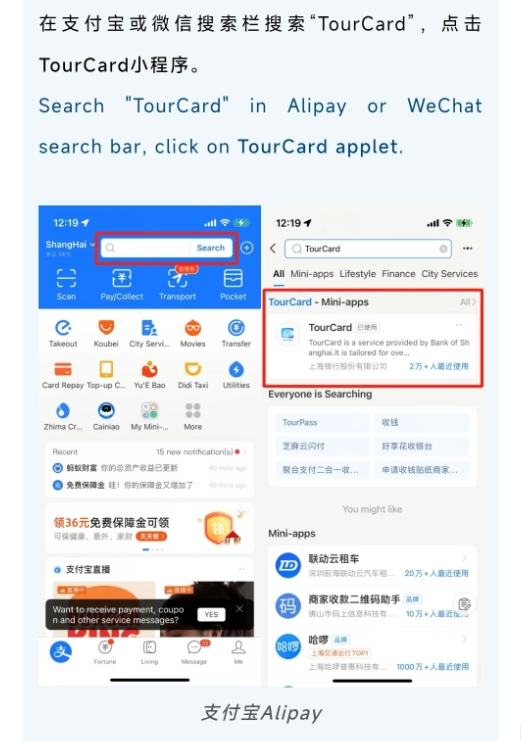
How to Top Up with International Cards
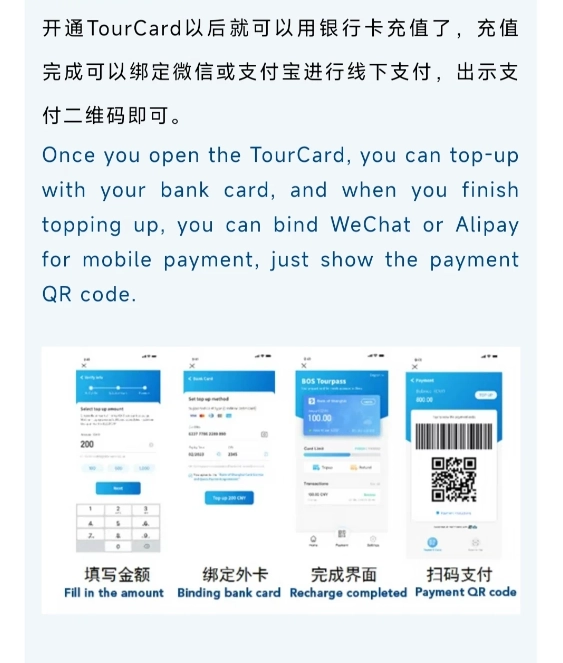
Inside Tour Pass, click “Top Up”. Enter an amount (¥100 to ¥20,000). Your card will be charged in your home currency. I’ve used Visa and Mastercard from the US and Europe — both work. Amex sometimes gets declined; use a backup card if that happens. The exchange rate is about 2-3% above the mid-market rate (Alipay’s fee built in).
Once topped up, the balance appears instantly. You can start paying right away. But listen — do not top up more than you need for 2 weeks. Unused money can be refunded, but the process takes 7–10 business days and incurs a fee (more on that later).
Verifying Your Identity (Passport Required)
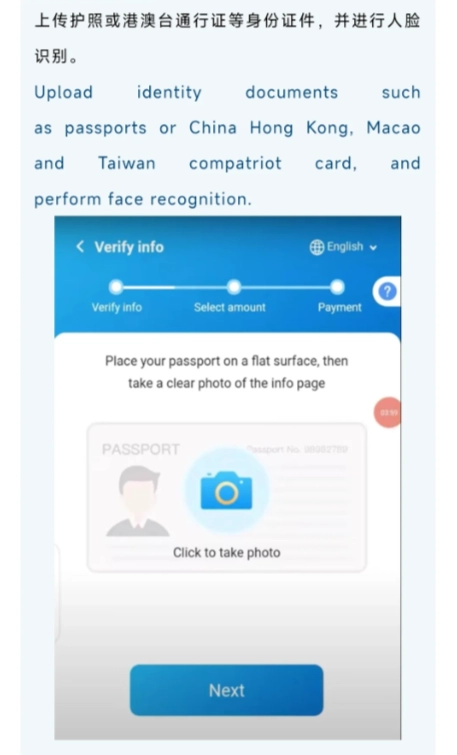
For amounts over ¥1,000 (or sometimes randomly), Alipay will ask for a photo of your passport. This is normal. Use your phone camera to take a clear picture of the data page. The scan takes 1–2 minutes. If it fails, try good lighting and no glare. I’ve seen it reject folded corners — flatten the passport. After approval (usually instant), you’re good.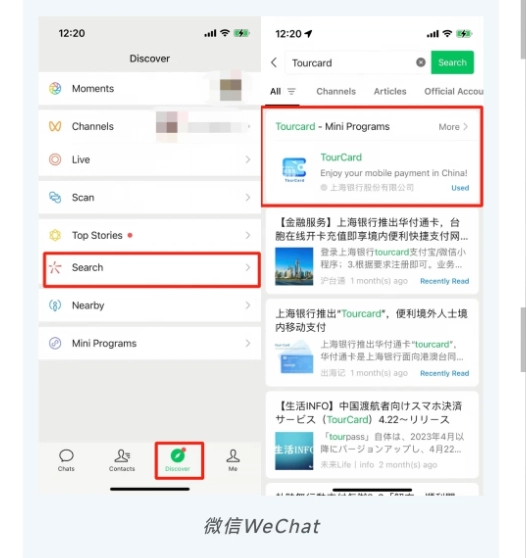
Real Costs: Exchange Rates and Fees You Must Know
Let’s be honest — the rate isn’t the best. But for convenience, it’s worth it. Here’s a breakdown based on my actual top-ups:
| Amount (RMB) | Paid in USD (approx.) | Hidden Fee | Good for |
|---|---|---|---|
| ¥100 | $14.20 | ~$0.30 | Quick test, small stalls |
| ¥500 | $70.80 | ~$1.50 | 3–4 days of meals+transit |
| ¥2,000 | $283.00 | ~$6.00 | 1 week including shopping |
The rate fluctuates daily. I once topped up when the rate was 7.1, then three days later it dropped to 7.0 — no way to lock it. Also, your home bank may charge an additional “foreign transaction fee” (usually 1–3%). Check with them before you travel.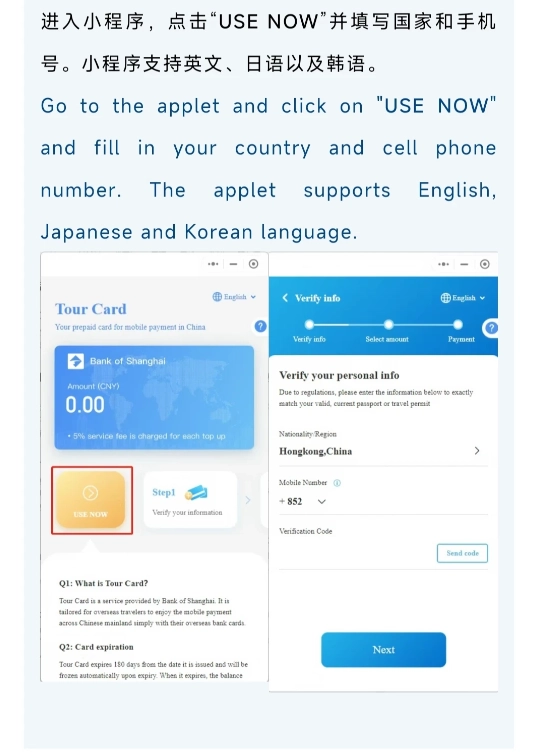
Using Alipay Tour Pass: Where It Works and Where It Fails
It works almost everywhere that accepts Alipay — which is most places in major cities: KFC, McDonald’s, 7-Eleven, subway ticket machines, tourist attractions (like the Forbidden City and the Great Wall), and even some small vegetable markets. To pay, open Alipay, tap “Pay”, and show the QR code to the merchant’s scanner. Or you can scan their QR code and enter the amount.
But here are the pitfalls I’ve seen travelers hit:
- Some taxi drivers especially older ones in smaller cities — still prefer cash. Always ask “Zhifu bao keyi ma?” (Can I use Alipay?). If they shake their head, hand over cash.
- Street food vendors that use a personal WeChat QR code (not Alipay). WeChat Pay and Alipay are not cross-compatible. If you see only a green WeChat code, you need WeChat Pay. Tour Pass only works with Alipay codes.
- High-end restaurants sometimes process payment via a waiter’s handheld device — that’s fine, just show your code.
- Subway ticket machines in Shanghai, Beijing, and Guangzhou accept Alipay QR scans. But those in, say, Xi’an or Chengdu may require cash or a special transport card. Carry small bills just in case.
How to Withdraw Remaining Balance (Refund Process)
Let’s face it — this part is a bit painful. If you have leftover money in your Tour Pass and you’re leaving China, you can get it refunded to the original card. Here’s how:
- Open the Tour Pass mini-program.
2. Tap “Withdraw” (or “Refund”).
3. Enter the amount (minimum ¥1).
4. Confirm. The money goes back to your card in your home currency.
But expect a delay of 7–10 business days. And they charge a 5% fee of the refunded amount. Yes, 5%! So if you have ¥500 left, you’ll get about ¥475 back (minus exchange rate differences). That’s why I advise not overloading. Better to spend it on snacks at the airport — you can use Tour Pass at most duty-free shops.
One more thing: if your card has expired or been cancelled since you topped up, the refund may fail. You’ll need to contact Alipay support — which is, again, mostly in Chinese. Ask your hotel front desk to call them for you. I’ve done this for stranded guests.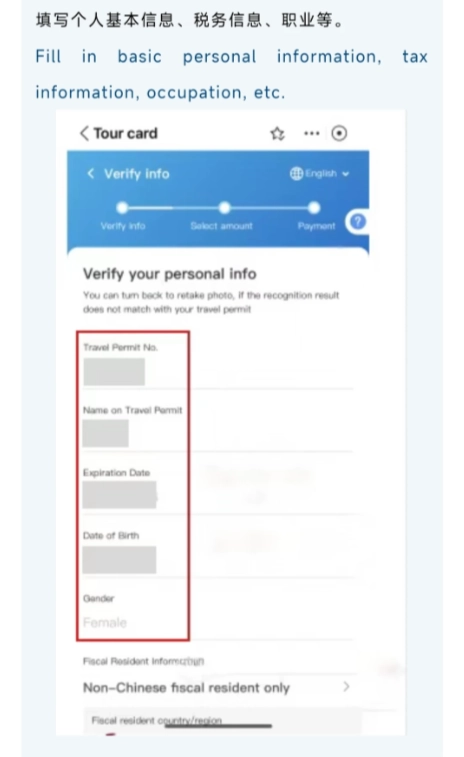
Alipay Tour Pass vs WeChat Pay vs Cash: Which Is Best?
| Payment Method | Setup Difficulty | Coverage | Fees | Refund Ease |
|---|---|---|---|---|
| Alipay Tour Pass | Easy (10 min) | Wide, but not WeChat QR | 2–5% hidden + 5% refund | Slow, with fee |
| WeChat Pay (Tour Card) | Moderate (needs WeChat account) | Even wider, especially street stalls | Similar exchange markup | Same issues |
| Cash | None | Everywhere, but change may be dirty | 0% | N/A |
| International Credit Card | None | Only high-end hotels, some shops | Foreign transaction fee + bad rate | N/A |
My honest take? Use Alipay Tour Pass for your main wallet, carry ¥300–500 in cash for emergencies, and accept that you’ll lose a few dollars on fees. It’s the most practical combo for a 1–2 week trip. If you’re staying longer (over a month), consider opening a local Chinese bank account — but that’s a whole different guide.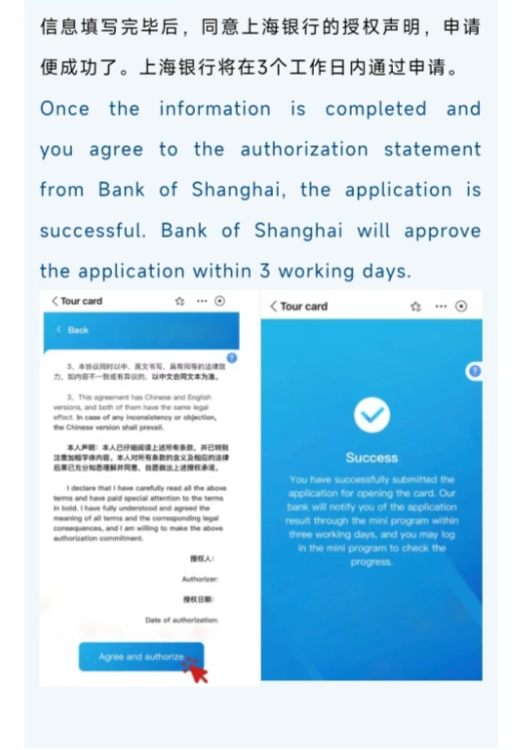
Real Questions from Travelers I’ve Guided
 The rate shown in Tour Pass seems higher than Google’s — should I exchange cash at a bank instead?
Verified and fact-checked by the editorial team.








No comments yet.