 Tao Xu
Quick Look: What's Inside
- Why a Classic Chongzuo Itinerary Still Works Today
- How to Plan Your Classic Chongzuo Itinerary: The 3-Day Breakdown
- Where to Stay: Base Camps for Your Chongzuo Journey
- What to Eat and Where: Local Flavors on the Route
- How to Handle Payments, Booking, and Internet in Chongzuo
- FAQ: Classic Chongzuo Itinerary Questions Answered
Rain dripped off my cap — again. I was standing at the edge of Detian Waterfall for the third time this month, but my client's face lit up like it was their first. That's the thing about a classic Chongzuo itinerary: it keeps delivering.
When you book a classic Chongzuo itinerary, you're signing up for rice terraces, rivers, and waterfalls — but also for dodging selfie sticks and figuring out why your credit card won't work. Most first-timers get stuck at the payment stage before they even see a mountain.
Here's the truth: the classic route from Nanning to Detian Waterfall and Ming Shi Pastoral can be done in three days without a tour bus, but only if you start by 8 AM, book your tickets on Trip.com (not the WeChat mini-program), and carry cash for the local noodle stalls.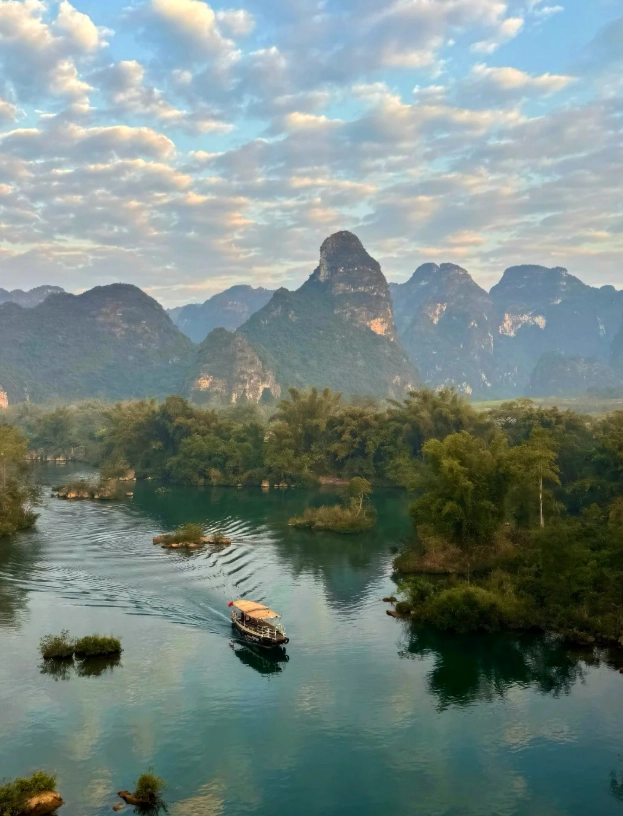
Why a Classic Chongzuo Itinerary Still Works Today
Chongzuo may not be as famous as Guilin, but that's exactly why you should go. The classic Chongzuo itinerary hits three distinctly different landscapes: the karst peaks of Ming Shi, the cross-border power of Detian Waterfall, and the ancient rock art of Huashan. You get UNESCO sites, rural villages, and Vietnam staring back at you — all without the tour bus armies of Yangshuo.
The Obvious Gems, Minus the Crowds
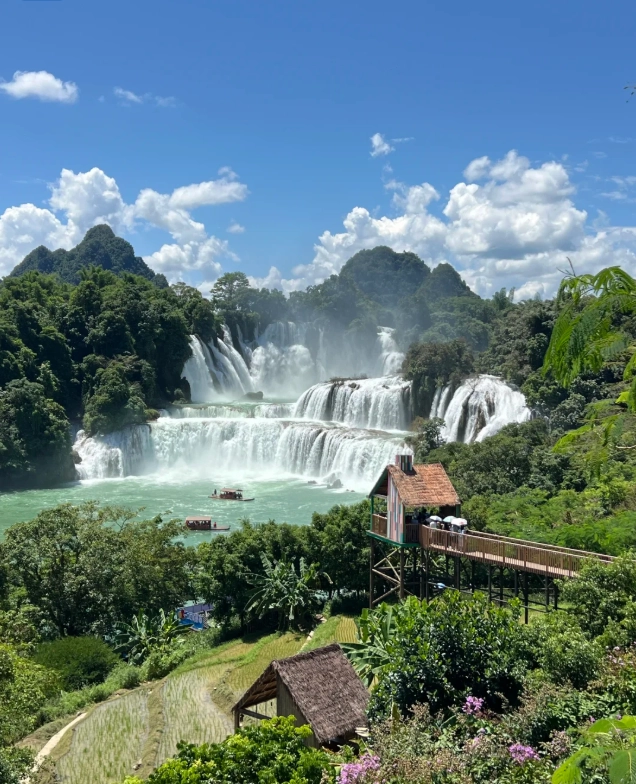
Detian Waterfall is the main draw. It's the largest transnational waterfall in Asia, shared with Vietnam. Most tour groups show up between 11 AM and 2 PM, so I always start my classic Chongzuo itinerary at 7:30 AM to have the front-row paths almost to myself. The morning light also makes the water glow a clearer blue.
Then there's Ming Shi Pastoral — a 12-kilometer river valley lined with bamboo, cornfields, and those postcard-worthy karst peaks. Locals call it 'small Guilin,' but honestly, it's more peaceful. A bamboo raft ride here is the quintessential Chongzuo experience, but you can also rent a bicycle and do it at your own pace.
The Underrated Rock Art
Many classic Chongzuo itineraries skip the Huashan Rock Art, but that's a mistake. These 2,300-year-old petroglyphs spread across cliffs along the Ming River. To see them, you need to take a boat from the visitor center. Unlike the other spots, this one requires a solid two hours of your afternoon—plan accordingly.
On my last visit, I watched a French couple spend an hour just staring at the painted warriors. The scale is staggering—you can't capture it with a phone camera.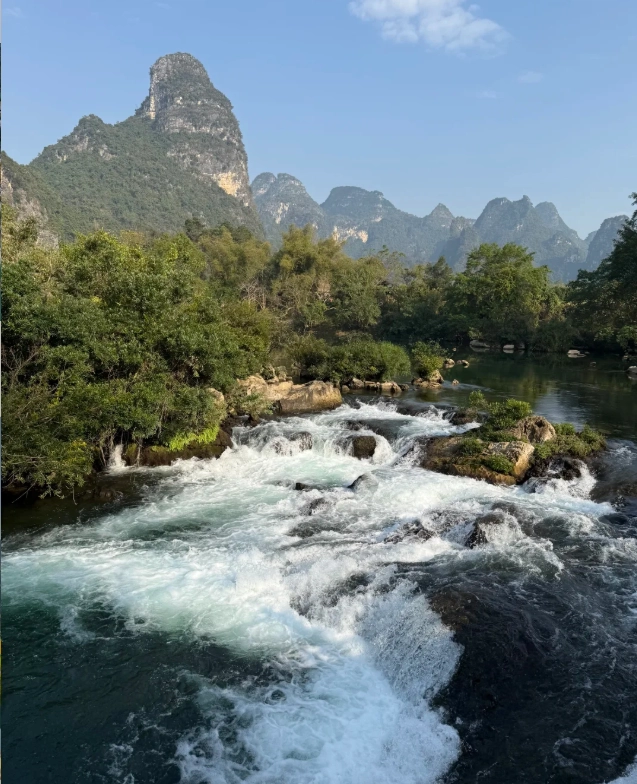
Pro Tip: If you only have two days, drop the rock art and extend your time at Ming Shi. The art is impressive, but the logistics are trickier—the boat schedule is unpredictable, and you might lose a half-day waiting.
How to Plan Your Classic Chongzuo Itinerary: The 3-Day Breakdown
Here's the exact itinerary I've refined over dozens of trips. It's designed to keep you ahead of the crowds and resting at the right moments. The core is simple: Day 1 for travel, Day 2 for the waterfall, Day 3 for the slow stuff.
Day 1: Nanning to Chongzuo, Then Straight to Ming Shi
Start your classic Chongzuo itinerary in Nanning. The fastest way is to hire a private driver (400–500 CNY) or take a direct overnight bus from Langdong Bus Station that drops you in Daxin County. There's also a train to Pingxiang, but it doesn't connect well to the scenic areas.
- Take an early bus or driver from Nanning to Daxin (2.5 hours).
- Check into your homestay in Ming Shi village.
- Ride the bamboo raft at 3 PM.
Once you reach Daxin, grab lunch at a local spot—the pickled bamboo shoot noodles are a regional must. Then drive 40 minutes to Ming Shi Pastoral. Book a bamboo raft ticket at the entrance, but skip the long queue by buying online via Trip.com in advance.
Plan to be on the raft by 3 PM. The late-afternoon light turns the river into a mirror, and the farmers are often out in the fields. By 5:30 PM, you'll be done. Check into a homestay right in Ming Shi village so you can wake up to fog over the peaks.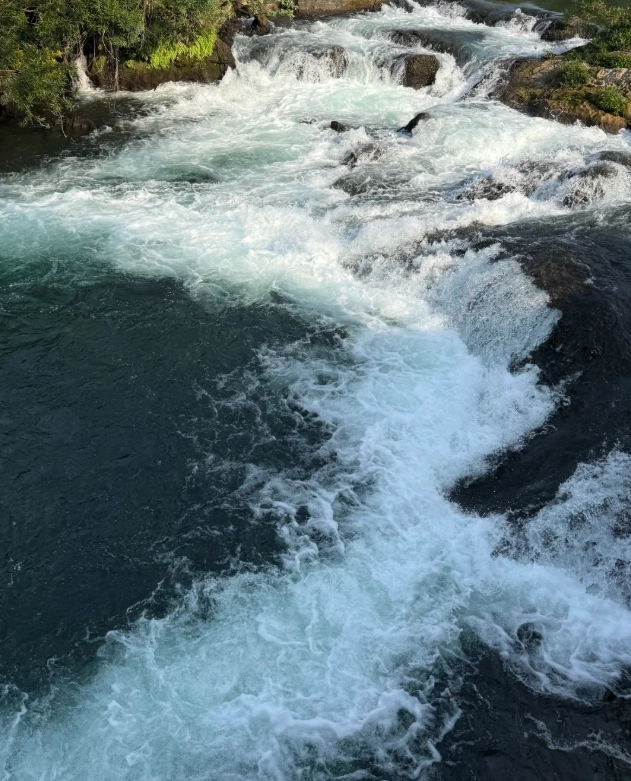
Day 2: Detian Waterfall Early, Then a Leisurely Afternoon
Get up at 6:30 AM, eat some rice porridge, and head to Detian Waterfall. The drive from Ming Shi is about 40 minutes. Arrive before 8 AM, and you'll beat both the tour buses and the heat. Enter the park, take the electric sightseeing bus to the border viewpoint, and walk the loop that brings you to the waterfall's base.
- Arrive at Detian and take the sightseeing bus.
- Walk the waterfall loop and catch the bamboo raft for a closer view.
- Hike the trail for an aerial perspective.
Pack a small raincoat—the mist will soak you. After an hour of photos, take the bamboo raft ride to the middle of the river for the full effect. Then walk the hiking trail up the side for a aerial view.
By noon, you'll have seen everything. Head back to the parking lot and grab a late lunch at one of the stalls selling Vietnamese coffee and banh mi. Then, if you're not tired, drive to the nearby 500-year-old village of Guichun and wander its stone lanes—most itineraries skip it, which is why it's so peaceful.
Sleep in the same homestay for a second night, or, if you want to save a day, drive back to Nanning that evening. That's a full 5-hour drive, though, so I'd rather stay.
Day 3: Huashan Rock Art or Pingxiang Border Town
Day 3 gives you a choice. If you want the UNESCO site, drive south to Huashan Rock Art (about 1.5 hours from Daxin). Arrive at the visitor center by 9 AM to catch the first boat. The boat ride takes 30 minutes, then you get an hour at the base of the cliffs. You'll be done by noon.
- Drive to Huashan Rock Art or Pingxiang border town.
- Explore the chosen site for 2–3 hours.
- Return to Nanning or extend your stay in Chongzuo.
The alternative is to drive to Pingxiang, the border town with Vietnam. You can visit the Friendship Pass and even walk across to the Vietnamese side for a visa-free day trip (if you have a Vietnamese visa—verify this before planning).
After either option, return to Nanning or stay in Chongzuo city if you have another day. Most travelers end at Nanning, so plan your flight or train accordingly.
Insider Advice: Don't try to squeeze both Huashan and Pingxiang into one day. I once tried it and spent 4 hours on the road—your bladder will hate you.
Where to Stay: Base Camps for Your Chongzuo Journey
Picking the right base can make or break your classic Chongzuo itinerary. Here's my quick comparison of the most common options.
| Area | Distance to Detian | Est. Price per Night | Best For |
|---|---|---|---|
| Ming Shi Village | 40 min drive | 300–600 CNY | Scenery lovers, photographers |
| Daxin County Town | 1 hr drive | 200–400 CNY | Budget travelers, food access |
| Chongzuo City | 2.5 hr drive | 250–500 CNY | Day trippers, last night of trip |
| Detian Park Hotel | Inside the park | 600–900 CNY | Sunrise chasers, splurge |
For most people, I recommend a homestay in Ming Shi Village. You'll be surrounded by the same karst peaks you came to see, and the evening is dead quiet except for frogs. My favorite is a small guesthouse called 'Ming Shi Mountain View' — the owners speak no English, but they'll serve you fresh local breakfast and even call a driver for you.
If you're on a tight budget, stay in Daxin town. It's not scenic, but you'll find plenty of noodle shops and easy transport to both Detian and Huashan.
Watch Out for These Accommodation Red Flags
Homestays often lack soundproofing—bring earplugs if you're a light sleeper. Also, check if the place has a lift; some older buildings in the countryside are walk-up only. Ask the owner to confirm they have stable hot water; some rural villages use solar heaters. If you're sensitive to WiFi, ask for their router speed—many homestays have inconsistent connections.
- Homestays often lack soundproofing—bring earplugs if you're a light sleeper.
- Check if the place has a lift; some older buildings in the countryside are walk-up only.
- Ask the owner to confirm they have stable hot water; some rural villages use solar heaters.
- If you're sensitive to WiFi, ask for their router speed—many homestays have inconsistent connections.
What to Eat and Where: Local Flavors on the Route
A classic Chongzuo itinerary isn't complete without tasting the local cuisine. It leans sour and spicy, with heavy use of river fish and wild herbs. Here are the three dishes you shouldn't miss, plus where to find them.
Detian's Vietnam-Style Snacks
Right at the Detian Waterfall entrance, there's a row of shops selling Vietnamese goods. Grab a Banh Mi loaded with pickled vegetables and pâté (10–15 CNY) — it's the perfect camping snack. The coffee here is also legitimately Vietnamese, served with condensed milk.
Daxin's Fish Noodle Soup
In Daxin town, look for a shop called '老韦鱼粉' (Lao Wei Fish Noodle). It's a hole-in-the-wall, but their fish noodles in a sour-spicy broth are legendary locally. Order it with extra chives and a side of fried river prawns. Prices start at 12 CNY.
The owner doesn't speak English, so I always show a photo on my phone. It opens at 7 AM and often sells out by 11 AM.
Chongzuo City's Street BBQ
If you're spending a night in Chongzuo city, walk along the Jiangjin Road food street. Try the grilled eggplant with garlic and the roast goose—it's a regional specialty. Prices are high for locals, but you'll still be under 50 CNY per person.
Just remember to carry cash for these street vendors; they rarely accept cards.
How to Handle Payments, Booking, and Internet in Chongzuo
This is where most foreign travelers trip up. Let me save you the headaches.
Payments: Alipay and WeChat Are King
In Chongzuo, cash is your backup, but mobile payment is expected. I always tell my clients to set up Alipay and link their international Visa or Mastercard before arriving. Once you're in the countryside, most shops have a QR code, but many won't take physical cards.
If you don't have Alipay, you'll need to rely on cash—make sure you have 500–800 CNY in small notes. Some homestay owners will help you exchange if you're generous with tips.
Booking: Use English-Friendly Platforms
For a classic Chongzuo itinerary, you'll need to book:
- Detian Waterfall tickets: Trip.com has a dedicated section for border areas.
- Ming Shi bamboo rafts: Klook often sells these with instant confirmation.
- Train tickets (if you take the train from Nanning): Use the official 12306 website with your passport.
Never rely on the WeChat mini-program—it's all in Chinese, and half the time it requires a Chinese ID. I've seen tourists get stuck at the entrance because they didn't have a ticket. Save yourself the drama.
Internet and Navigation
Google Maps doesn't work in China. Download Apple Maps or the AMap Global app before you go. Both have English interfaces and offline maps. For translation, use Apple Translate or the offline pack for Chinese in the Baidu Translate app.
You also need a VPN. Without it, you can't use Google, Facebook, Instagram, or WhatsApp—only local apps. Many homestays have routers that don't block VPNs, but it's safer to buy a China-specific SIM card from a vendor in Hong Kong or on Amazon.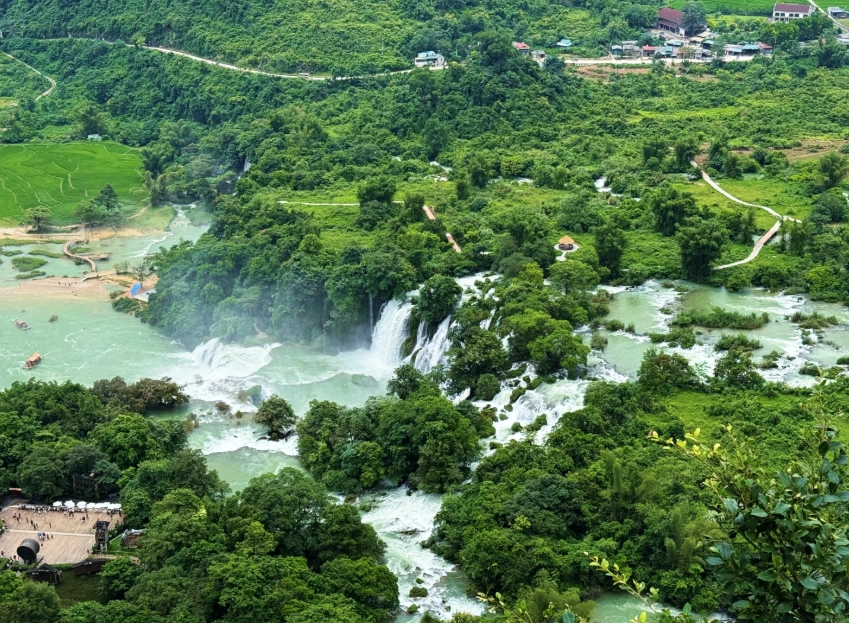
Pro Tip: Download the offline map of Daxin County in apple maps before you lose signal. The roads can be patchy, but offline navigation still works.
FAQ: Classic Chongzuo Itinerary Questions Answered
Here are the questions I get asked most often by travelers planning their own trip.
How do I get from Nanning to Detian Waterfall without a car?
Take a bus from Langdong Bus Station to Daxin County (every hour, ~2.5 hours, ~60 CNY). From Daxin, catch a minibus to the Detian parking lot (10 CNY, 1 hour). The last minibus back is at 5 PM, so start early. Or, join a group tour from Nanning—that's the easiest for solo travelers.
Is Detian Waterfall safe for solo travelers?
Yes, but stick to the marked paths. The waterfall area is well-maintained, and you'll see uniformed staff at every lookout. The bigger risk is your belongings getting wet—keep your phone in a waterproof pouch.
Can I do the classic Chongzuo itinerary in one day?
Technically yes, but you'll miss out. From Nanning, it's a 3-hour drive to Detian. If you start at 6 AM, you can be at the waterfall by 10, spend 2 hours, drive to Ming Shi for an hour, and return by 9 PM. It's rushed and you'll skip the rock art. I never recommend it—your photos will look like everyone else's.
Are there ATMs in the countryside?
Yes, but rare. You'll find Bank of China or Agricultural Bank machines in Daxin town, but not near the scenic spots. Withdraw cash in Nanning before leaving—sure bet.
What should I wear for the bamboo raft ride?
Wear quick-dry clothes. The raft can splash, especially near the waterfall. I always carry a zip-lock bag for my socks. And don't bother with a rain jacket—it'll be humid inside.
That's the classic Chongzuo itinerary I've refined over years of leading private trips. You don't need a tour bus or a translation app for everything—just a bit of planning, some cash, and the willingness to wake up earlier than the tour groups. Stick to this plan, and you'll see why I keep coming back to this overlooked corner of Guangxi.
Verified and fact-checked by the editorial team.






No comments yet.