 Tao Xu
What's Inside This Guide?
You've seen the tourist selfie sticks at Guilin's Elephant Trunk Hill. Now follow me to Chongzuo, where the karst peaks are so sharp they could pop a tire, and the rice paddies glow gold in late afternoon. This is Guangxi without the crowd, and the Guangxi 144 hour visa gives you just enough time to taste it.
Last spring, I guided a couple from Australia through this exact route. They landed in Guilin, hopped a train to Chongzuo, and spent 144 hours negotiating waterfalls, border towns, and the best sticky rice I've ever eaten. Trust me—your visa is the easy part; the hard part is deciding which banana pancake to try first.
Here's my no-nonsense guide to nailing your 144 hours in Chongzuo, with exact times, transport hacks, and the insider mistakes to avoid.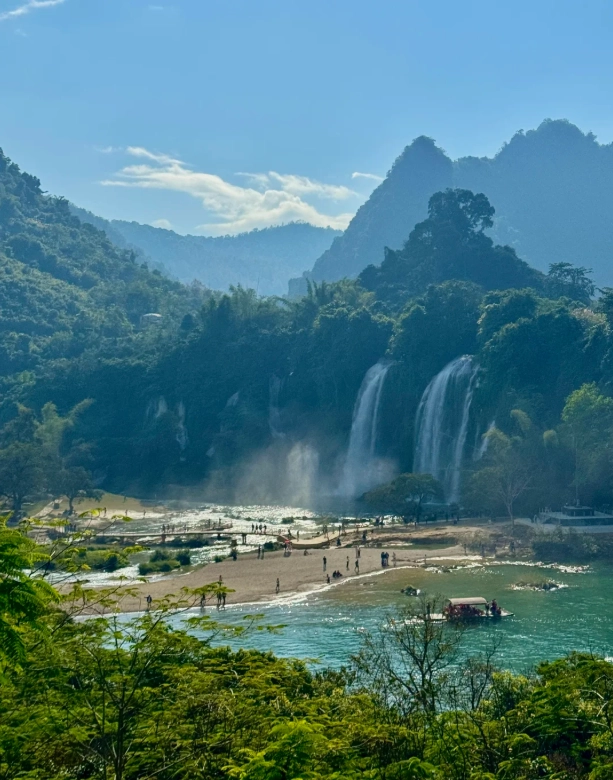
What Is the Guangxi 144-Hour Visa-Free Transit?
The Guangxi 144 hour visa isn't technically a visa—it's a transit waiver. It lets citizens of 53 countries stay in Guangxi for up to 144 hours (that's six full days), without applying for a regular tourist visa, as long as you're on your way to a third country. For example, you could fly into Guilin from Singapore, spend six days hiking around Chongzuo, then catch a flight out to Bangkok.
The catch: you must enter and exit through designated ports. In Guangxi, the main air entry point is Guilin Liangjiang International Airport (KWL). You can exit from another Guangxi port, like Nanning Wuxu Airport (NNG), or sometimes from the Youyi Pass land border if you're heading to Vietnam. But here's the gotcha—I've seen mixed experiences at Youyi Pass. Some travelers fly through, others are blocked because customs officials are unsure.
Why Chongzuo Deserves Your 144 Hours
Let me be blunt: if you've already booked your 144-hour stopover in Guangxi, you might be tempted to stay in Guilin and surround yourself with tourists from every corner of the globe. Don't. Chongzuo is the ground-level secret that local travelers keep to themselves.
Picture this: instead of a curated park, you get a working borderland where water buffalo stroll past limestone monoliths and women in conical hats haul bamboo baskets on the river bank. The scenery is as dramatic as Guilin's, but the authenticity is off the charts. And at Detian Waterfall, you're looking straight into Vietnam, which is a lot cooler than it sounds when you're standing on a bamboo raft getting misted.
Plus, the food. Chongzuo's cuisine borrows from Vietnam—think fresh spring rolls and pho with Chinese personality. Prices are half of what you'd pay in touristy cities, and honest local cooks are happy to explain their recipes with a mix of Mandarin and hand gestures.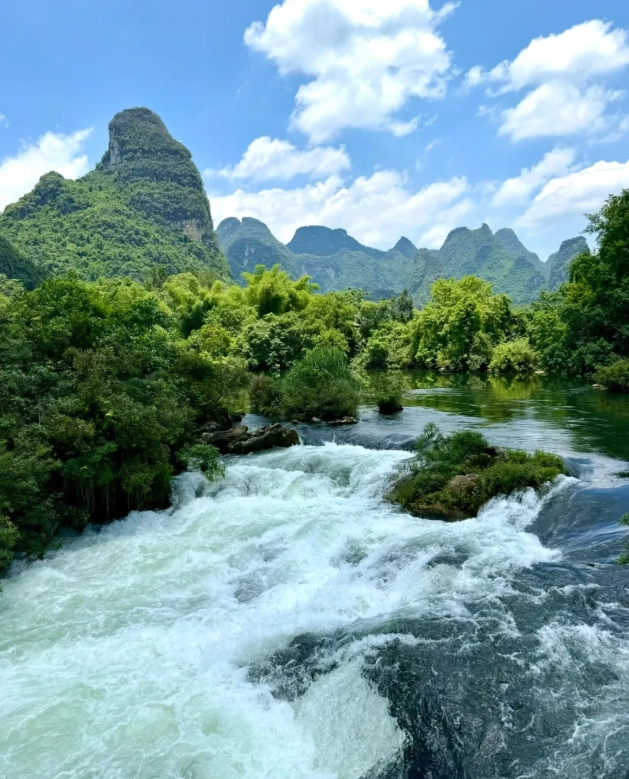
The Ultimate 144-Hour Chongzuo Itinerary
Your 144 hours is a fantastic window, but don't try to see everything. This is my sweet spot—a 4-day, 3-night plan that hits the heavy hitters without making you feel like a wind-up toy.
| Day | Morning | Afternoon | Evening | Transport |
|---|---|---|---|---|
| Day 1 | High-speed train from Nanning to Chongzuo (~1h20m) | Arrive, lunch at local market, visit Mingshi Tianyuan | Stay in Daxin County (homestay near Mingshi) | Private driver or Didi |
| Day 2 | Detian Waterfall (3-4 hours) | Visit Shuolong Town & the border viewpoint | Drive back to Chongzuo city | Hired car (400-500 RMB for the day) |
| Day 3 | High-speed rail to Pingxiang (40 min) | Youyi Pass & border market | Return to Chongzuo, try local BBQ | Train & taxi |
| Day 4 | Stroll around Chongzuo city, old town | Food hunt for forgotten snacks | Catch train back to Nanning or Guilin | High-speed rail |
What about Day 5 and 6? If you're not in a hurry, add a day trip to Tongling Gorge (通灵大峡谷) or relax in a mountain lodge. Most of my clients prefer to end with a lazy morning in a tea house. Your call.
Here's a crucial time-saving tip: book your high-speed train tickets as soon as your visa is confirmed. Train seats between Nanning and Chongzuo fill up quickly, especially during Chinese holidays. Use Trip.com or the official 12306 app with your passport to reserve in advance.
Alternate: 24-Hour Express Chongzuo
If your connection is short, focus only on Detian Waterfall. You can take a direct bus from Chongzuo West Station to Detian at 9am, see the falls by noon, and head back. Is it tight? Yes. Worth it? For the photo of the world's second-largest transnational waterfall, absolutely.
Top Attractions in Chongzuo Under the 144-Hour Visa
1. Detian Waterfall (德天瀑布)
This is the crown jewel. My clients always gasp when the vista opens at a bend in the road—a 70-meter-high curtain of water crashing down from the Vietnam border. It's not just big; it's dynamic, with three tiers and a natural mist bowl.
- Address: Detian Village, Shuolong Town, Daxin County, Chongzuo, Guangxi
- Tickets: Around ¥80 for adults, ¥40 for students & seniors 60+. Children under 1.2m free.
- Booking: All visitors need to book with a passport. The easiest way for foreigners is via Trip.com or Klook, which confirm your spot and send a QR code.
- Hours: 8:00–17:30 (last entry 16:30)
- Best photo window: 10am–1pm when the sun hits the falls directly. After 3pm, the water is backlit and looks muddy.
My insider move: skip the shuttle bus from the parking lot. Instead, walk the dedicated trail along the river—it takes 20 minutes and puts you at the heart of the falls with almost no crowds. Wear shoes with slip, the mist makes the path wet.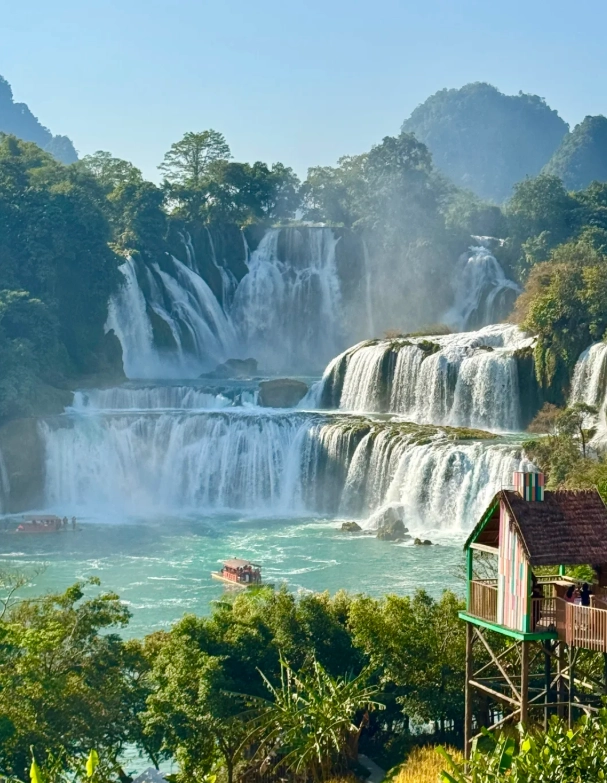
2. Mingshi Tianyuan (明仕田园)
Mingshi means "bright stone," and this river valley looks like a Chinese painting. Rice paddies, lime hills, and little bridges dot the landscape. It's photogenic, but more importantly—it's quiet. You can rent a bicycle for ¥20/hour and pedal along the river path without seeing another foreigner for miles.
- Address: Mingshi Village, Shuolong Town, Daxin County, Chongzuo
- Ticket: ¥80 (includes a bamboo boat ride). The boat is actually a bit of a turkey shoot—you'll see the same views from the bank, but it's still a fun way to spend an hour.
- Best time: Late afternoon (after 4pm) when the farmers are out, and the light turns golden.
- How to combine with Detian: Both are in the same grand scenic area, about 1 hour apart by car. You can easily hit both in one day if you start early.
Watch out: The village also has a "fun park" section with ziplines and a glass bridge. It feels out of place. Skip it unless you're with kids.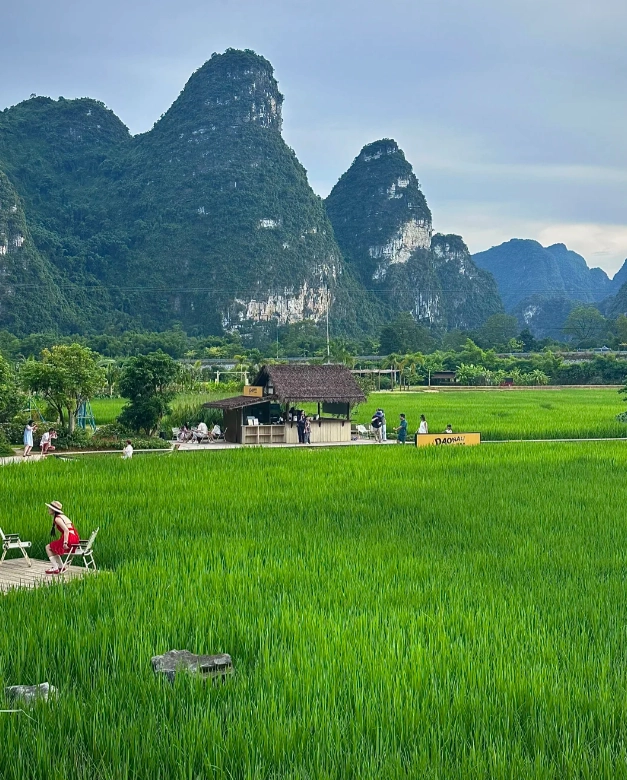
3. Youyi Pass (友谊关) and Border Breakfast
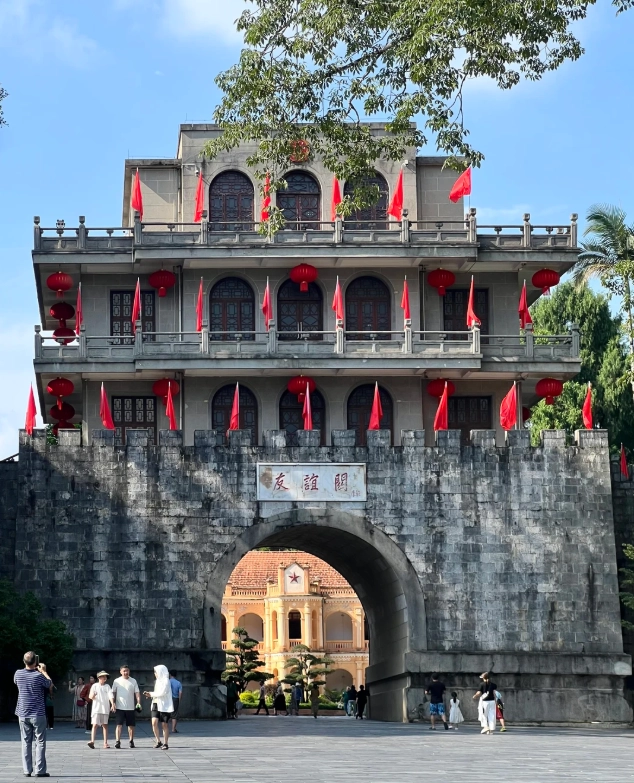
You can't cross into Vietnam without a visa, but you can stand at the Chinese border gate and soak in the chaotic beauty of a border town. Youyi Pass (Colloquially "Friendship Pass") is one of China's nine famous passes, and walking the ancient stone ramp makes you feel like a trading caravan guide.
- Address: Pingxiang City, Chongzuo
- Access: High-speed rail from Chongzuo to Pingxiang (40 min, ¥20). Then taxi to the pass (10 min).
- Cost: ~¥30 for the scenic passage; the museum inside is extra but has great historical exhibits.
- Food: Don't miss a bowl of Vietnamese-style pho at a shack near the border. It's the real deal—beef bone broth, plus fresh basil and lime.
4. A Quick Add-On: Tongling Gorge
If you're craving waterfall #2, Tongling Gorge (通灵大峡谷) is about 2 hours from Chongzuo city. It's a deeper ravine with a 188-meter-high waterfall, but the ticket price is steep (¥95) and the crowds are unpredictable. My verdict: if you've already seen Detian, skip it. You'll get your waterfall fix and save the petrol money.
Where to Sleep in Chongzuo
For your 144 hours, I recommend splitting between a stay near Mingshi (for sunrise views) and a night in Chongzuo city (for food and transit). Here's a comparison of my favorite picks, based on my own stays.
| Hotel / Area | Distance to Attractions | Est. Price per Night | Best For |
|---|---|---|---|
| Mingshi Riverside Homestay | Inside Mingshi Scenic Area | ¥300-500 | Photographers, nature lovers |
| Shuolong Town Guesthouse | 15 min from Detian | ¥150-250 | Budget backpackers, early birds |
| Chongzuo Grand Metropark Hotel | City center, near train station | ¥400-600 | Comfort seekers, business |
| Pingxiang Border Hostel | Near Youyi Pass | ¥80-150 | Border curious, social travelers |
Hotel booking tip: China's largest booking sites (Qunar, Fliggy) require a Chinese bank card. For foreigners, always filter by "Foreigner Friendly" on Trip.com or Airbnb, and book at least 48 hours in advance. Many guesthouses have staff that speak zero English, but the translation app will save you.
What about Wi-Fi? The best hotels have unrestricted VPN-savvy connections. But don't rely on it—free Wi-Fi at Chongzuo South Station works fine for WeChat and Aeroflash, but not so much for YouTube. Have your VPN installed before you arrive.
Eat Like a Local in Chongzuo
Chongzuo's food is a wild fusion of Vietnamese street food and Cantonese braised dishes. Here are the three non-negotiables:
- Woody Leaf Sticky Rice (黄姜饭): A yellow-hued rice, cooked in mustard-leaf juice, served with grilled pork. The pork's smoky char and the rice's earthy aroma are a perfect pair.
- Vietnamese-Spring Rolls (越南春卷): Crispy, fresh, loaded with shrimp and herbs. At any market, you'll see them rolled on demand. I always ask for extra fish sauce—addictive.
- Chongzuo BBQ (崇左烧烤): The night market near the old city is a haze of smoke and spice. Try grilled eggplant with scallion oil and the local sweet beer. Not spicy, but addictive.
If you only have time for one eatery, go to 老友米粉 at Chongzuo West Road—my group stops there every month. It's a hole-in-the-wall with a picture menu, making it a stress-free order. Prices are around ¥15-20 per bowl. They accept WeChat and Alipay, but no credit cards.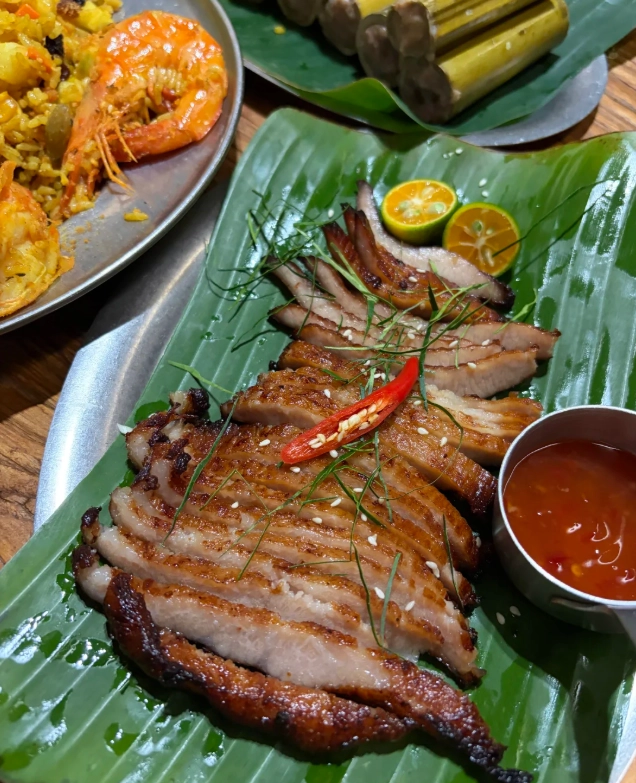
Getting Around: Transport & Logistics
From Guilin or Nanning to Chongzuo
High-speed rail is your best friend. The route from Nanning East Station to Chongzuo (Local name: Chongzuo Railway Station) takes 1 hour 20 minutes, with trains running from 7am to 9pm. You can also hop from Guilin West to Nanning first (2.5 hours), then transfer. Total time from Guilin to Chongzuo: about 4 hours.
Local Transport
Inside Chongzuo, you'll rely on taxis and Didi (China's Uber). Taxis are metered, but many drivers don't speak English. Always have your destination written in Chinese. I'll share a trick: use the Apple Maps app on your iPhone to plot a route—it works with high accuracy in this region and gives you the exact Chinese characters to show the driver.
For the Mingshi-Detian area, you're better off hiring a private driver. I always recommend asking your hotel to book one—it's about ¥400-500 for a full day, including waiting time. That's split between a couple of people, it's cheaper than the bus and far more flexible.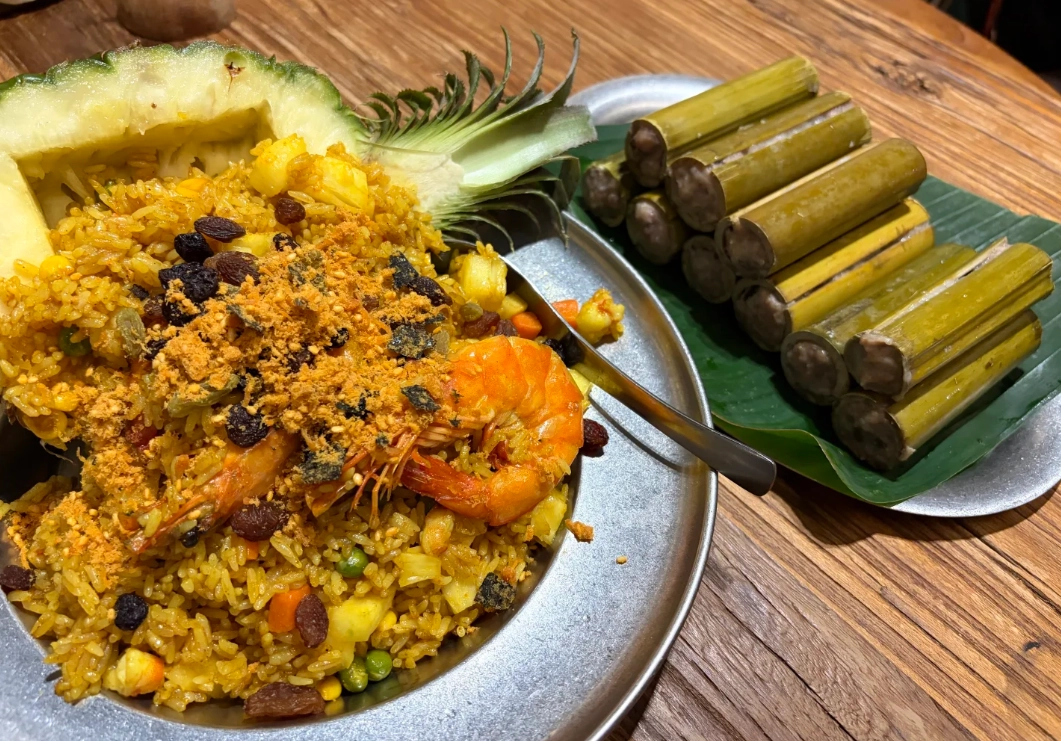
Payment Setup
You'll need Alipay or WeChat with your international card attached. You can link a Visa or Mastercard directly in the app. In Chongzuo, cash is king to locals, but for anything official (like train tickets), card payment works. I've never had one traveler unable to pay with Alipay here.
Language & VPN
Translation is your safety net. Download the Baidu Translate app or Apple Translate before you arrive. And yes, bring a properly working VPN. Your hotel or train station Wi-Fi might block Google—actually, Google won't have your back, but Apple Maps and iTranslate will.
Visa Mistakes to Avoid
- Mistake #1: Forgetting your boarding pass. Immigration might ask to see your outgoing flight ticket within 144 hours. Keep a printed or digital copy on your phone at all times.
- Mistake #2: Assuming Youyi Pass works as an exit. It's a zoo of gray area. I saw a couple get stuck for hours at customs because they didn't have the right documents. My rule: treat Youyi Pass as an attraction, not an exit.
- Mistake #3: Relying on Google Maps. It's still unusable in China. Switch to Apple Maps or Amap (with the English global option). And here's a pro tip: before you leave home, save offline maps of Daxin County and the border town—they will save your butt in areas with weak signals.
- Mistake #4: Not carrying your passport at all times. I know it sounds paranoid, but every major attraction requires your passport for ticket scanning. You can't use the entrance with a photo of it.
FAQ: Your Ghost Questions, Answered
This content has been fact-checked to ensure informational precision.





Used a bunch of these visa-free transit guides over the years and this one is one of the best. It's not just a list of sights—it gives you the right pace. Staying near Chongzuo Railway Station saved us tons of time, and the tip to hit the Longhu bend in late afternoon was pure magic. We had the viewpoint almost to ourselves. Will definitely come back to explore more of Guangxi.
If you're on the fence about the 144-hour visa, just do it. This Chongzuo route is perfect for photographers—I filled two memory cards. The boat ride on the Ming River at golden hour was surreal: buffalo grazing along the banks, limestone peaks mirrored in the water, and hardly any other tourists. The visa instructions in this article were clear enough that we got through customs in under 20 minutes. Highly recommend.
Honestly the best decision we made during our China layover. This itinerary turned our 144-hour visa into a proper adventure instead of a rushed stopover. Renting a scooter from Pingxiang and looping the karst valleys was unforgettable. The guide recommended a little homestay facing a cone-shaped mountain, and we woke up with mist rolling over the rice fields right outside our window. Every detail felt spot on.
This was a solid first stop for our 144-hour visa trip. The scenery is every bit as epic as the photos, and the little noodle place near the old bridge in Chongzuo was a lovely surprise. Four stars because the 'easy hike' in the guide became a muddy crawl after rain, and there aren't many English signs once you're inside the park. But the view from the top? Worth every step. Give yourself more time than you think you need.
Stunning part of Guangxi, but I have mixed feelings about this itinerary. The karst mountains around Chongzuo are gorgeous—sunset at Detian Waterfall was hands down the best moment. However, the transport tips felt a bit outdated: we wasted a morning looking for a 'green bus' that no longer seemed to run, and the visa checklist didn't mention printing the hotel confirmation for border check. It cost us almost two hours at the checkpoint. Manage your expectations and double-check everything before you go.