 Ling Wu
What's Inside This Guide
- Why a Chongzuo Layover Is Worth It
- How to Reach Detian from Chongzuo Station on a Layover
- The 6-Hour Chongzuo Layover Itinerary: Step by Step
- Can You Really See Detian Waterfall During a Chongzuo Layover?
- Mingshi Pastoral: A Worthwhile Side Trip
- Where to Eat During a Chongzuo Layover
- Foreigner's Toolkit: Money, Wi-Fi, and Paperwork
- FAQ: Chongzuo Layover Itinerary Questions
I'm standing at Chongzuo Railway Station, staring at the clock. Six hours until my next train. One bag. No idea how to reach the falls.
Sound familiar? This Chongzuo layover itinerary is for exactly you — the traveler who refuses to waste a single layover window. But here's the catch: most foreigners think Google Maps will save them. It won't. And the official taxi line? Forget it — the drivers will quote you triple.
Here's the truth: you can walk out of the station, grab a private car, and see the world's fourth-largest transnational waterfall — if you know the one trick. I've done this route at least a dozen times with my clients. Let me show you exactly how.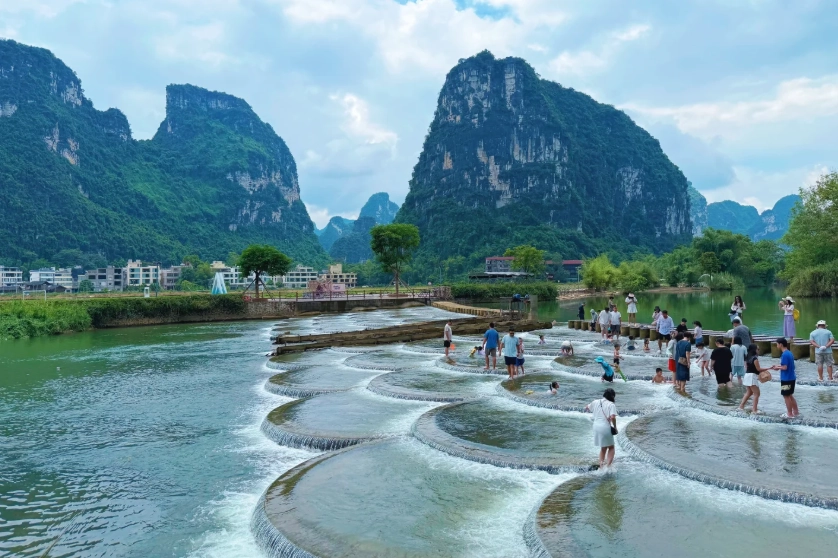
Why a Chongzuo Layover Is Worth It
Chongzuo is the gateway to some of China's most dramatic border landscapes, yet almost no English-language guide covers it properly. The region sits on the China-Vietnam border, and its star attraction, the Detian Waterfall, is a joint effort of nature and geopolitics — the fall's flow is shared between the two countries. For a layover, this is pure gold. You don't need a full day to feel the spray on your face.
I remember the first time I brought a group of backpackers here. They expected a 'mini version' of Guilin. What they got was a riverside gorge with a thunderous vertical drop, and they spent two hours just staring from the rail. That's when I knew this spot should be on every Southeast Asia travel loop — but it's still off the beaten path for most foreigners.
How to Reach Detian from Chongzuo Station on a Layover
The biggest fear? Missing your train. But trust me, it's manageable. Let me break down your transport options in a table.
| Option | Time (one way) | Cost (per person) | Best For |
|---|---|---|---|
| Private car with driver | About 1.5 hours | 300–400 RMB for the car | Groups of 2–4, flexibility |
| Bus from Chongzuo Bus Station | Around 2 hours + 1-hour shuttle | About 60–80 RMB total | Solo travelers on a budget |
| Ride-hailing (like Didi) | About 1 hour 40 minutes | 200–300 RMB one-way | Groups with good signal |
Now, here's the insider scoop: the easiest and most reliable way is to book a private car. Many locals sell 'day-trip packages' right outside the station exit. The trick? Look for drivers wearing official tourism vests — they usually work with registered companies. I always ask for the driver's license plate and take a photo before setting off.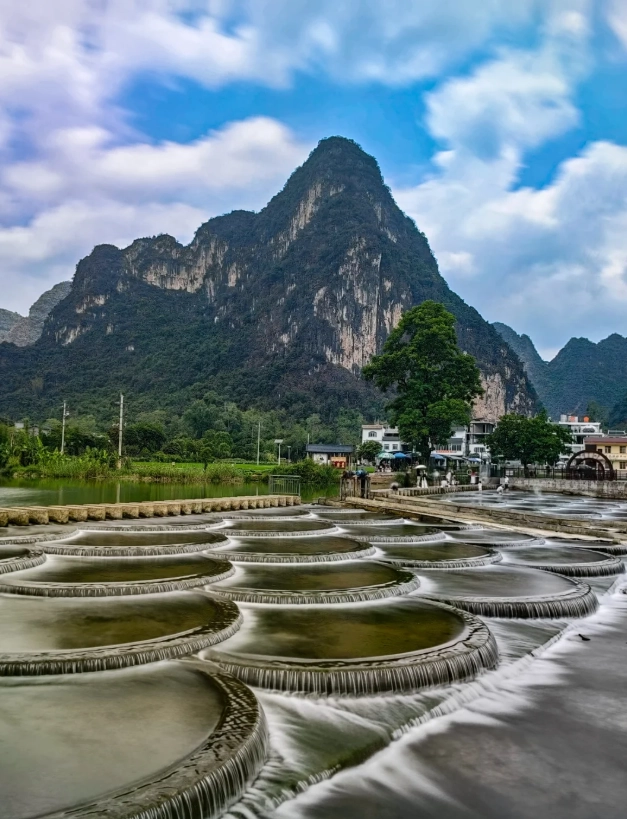
Pro Tip: If you're using Didi, set your destination to 'Detian Waterfall Scenic Area.' But be warned — drivers from Chongzuo city often refuse the trip because it means deadheading back. Offer a 50 RMB tip to sweeten the deal, and they'll usually accept.
One more thing: the bus station is about 15 minutes by taxi from the railway station. If you choose the bus, expect a longer overall journey — you'll need to transfer to a shuttle at the scenic area entrance. For a 6-hour layover, the extra hour or two of bus travel is a risk. I only recommend the bus if you have a full day or you're on a shoestring budget.
The 6-Hour Chongzuo Layover Itinerary: Step by Step
Let me walk you through the exact timeline I'd use with my own clients. This is tailored to a 6-hour layover at Chongzuo Railway Station. If you have longer, add more time at Mingshi.
- 10:00 — Arrive at Chongzuo Railway Station. Exit the station and immediately hunt for a driver. Don't browse souvenir shops. You've already confirmed your car by phone or via your hotel the night before? Even better.
- 10:15 — Depart for Detian Waterfall. Use the time to buy snacks and extra water. The ride takes about 1.5 hours. I always tell clients to sleep — you'll need energy.
- 11:45 — Arrive at Detian Waterfall Scenic Area. Head straight to the ticket counter. If you've booked online, show your passport. The entrance is just steps away.
- 12:00–13:30 — Explore Detian Waterfall. Follow the trail to the main viewing platforms. Take the bamboo raft ride if you want a closer look — it's extra but worth it.
- 13:30 — Lunch break. There's a food court inside the area. Grab a quick Vietnam-style pho or local rice noodles.
- 14:00 — Depart for Mingshi Pastoral. It's about 30 minutes by car.
- 14:30–15:30 — Stroll Mingshi Pastoral. This is the 'Guilin-like' karst landscape. You can rent a bike or just walk the riverside path.
- 15:30 — Head back to Chongzuo Station. Give yourself an extra 30 minutes for unexpected delays.
- 17:00 — Arrive at station with 1 hour to spare. Grab a coffee and catch your train. Easy.
Now, let me be honest — this is a tight schedule. If you have any physical limitations or want a relaxed pace, drop Mingshi entirely. Detian alone deserves a full 2 hours. I'd also suggest this alternative: start with Mingshi early morning, then hit Detian before the tourist wave. But with a 6-hour window, the timeline above is your best shot.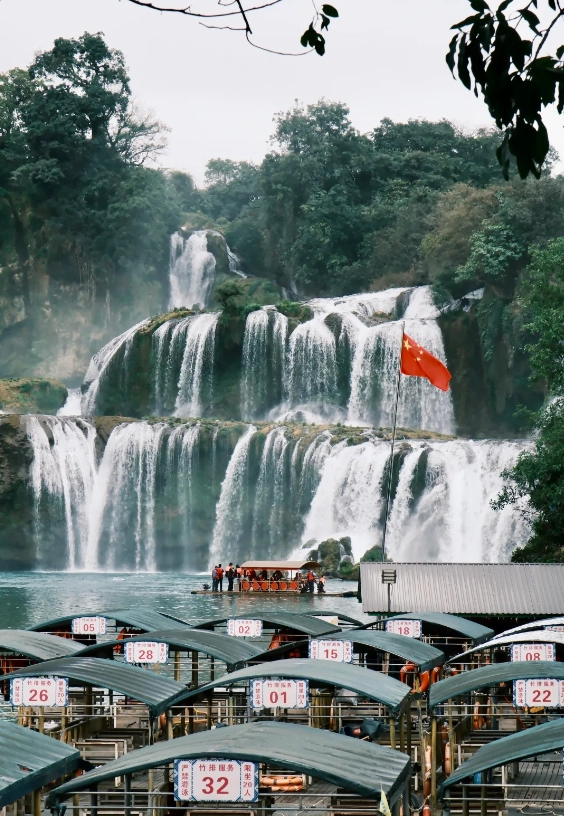
What If You Only Have 4 Hours?
Skip Mingshi. Go straight to Detian, take the shuttle bus to the upper viewpoints, and take the raft for a quick loop. You can be back at the station in 4 hours with margin to spare. Trust me — this is the safer option for tight connections.
I should add: the itinerary assumes you have a driver waiting on standby. If you're using a metered Didi, the return trip could take a bit longer because the driver might not know the shortcut. That's why I always pre-arrange the round trip with the same driver — it saves 15–20 minutes on the way back.
Can You Really See Detian Waterfall During a Chongzuo Layover?
Yes — if you follow the plan I outlined above. But there are a few practical details that can make or break your visit. Let me save you the annoyance.
Ticket and Entry
You must purchase tickets with your passport. Online booking is available on Trip.com or in the official WeChat mini-program. The ticket price fluctuates with the season — usually between 80 and 110 RMB. The shuttle bus inside the area costs around 30 RMB and takes you from the entrance to the main falls. You can also walk, but it's a solid 20 minutes uphill.
My advice: take the shuttle up, walk down. It saves energy and still gives you plenty of view time.
Best Time to Visit
The waterfall is biggest during the rainy season (May–September). During the dry season, it can shrink to a trickle. If you're visiting in winter, still go — it's pretty, just not monstrous.
Golden window? Aim to be at the main viewing platform by 11:30 AM. Before that, the sun hits the wrong side of the falls, leaving half in shadow. I've photographed there countless times — after midday the light is stunning.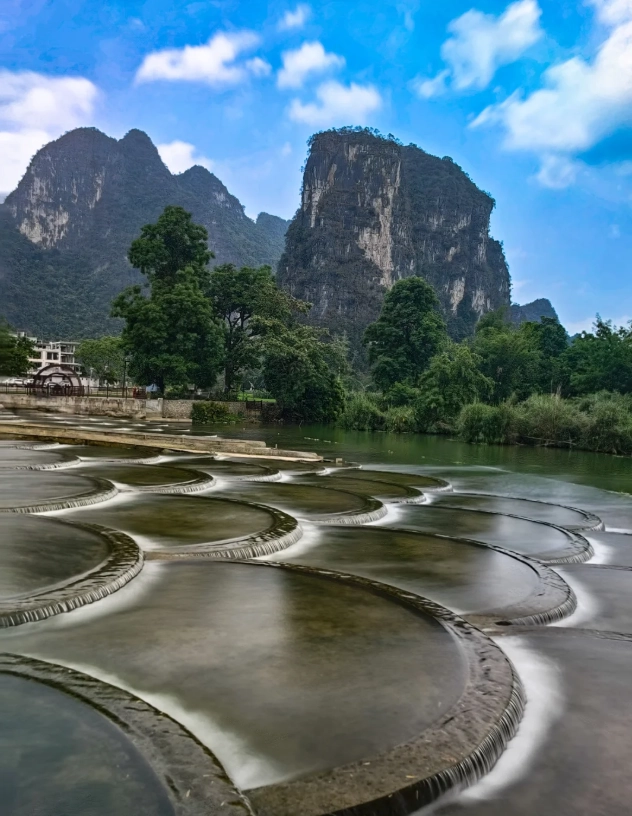
What to Expect Inside
- Two viewpoints — the lower one near the water, and the upper one on the boardwalk. The lower one is where everyone takes the hero photo.
- Bamboo raft ride (about 30 RMB) takes you to the middle of the river right in front of the falls. You'll get wet — bring a rain cover.
- Border crossing — the 'Vietnam side' is just a riverbank; you cannot walk over without a visa. Don't be fooled by locals offering to 'take you across' for a fee.
One thing that surprised me on my first visit: the area has a 'kuan' (wide) viewing platform that feels like it's hovering over the water — it's actually the foundation of an old border patrol path. It can get slippery when wet, so watch your step.
Mingshi Pastoral: A Worthwhile Side Trip
If you've ever dreamed of cruising down a Li River but wanted zero crowds, Mingshi Pastoral is your answer. It's a peaceful valley with rice paddies, rivers, and karst peaks — essentially a living ink painting.
The scenic area has a paid zone (around 80 RMB) and a free public walkway. I actually prefer the free walkway. Rent a bike from a kiosk near the entrance — 20–30 RMB gets you two hours — and cycle along the river. You'll see the same peaks as the paid boat, minus the price tag.
Time tip: The light here is best in the late afternoon. Our itinerary puts you there around 14:30, which is just right. The sun glints off the rice paddies and the hills turn golden.
If you have extra time, the boat ride (about 45 minutes) is peaceful and photogenic. But for a layover, a quick bike stretch is enough. I also recommend the little bridge near the entrance — it's the classic spot for that 'fishing boat in the mist' shot, and it's free.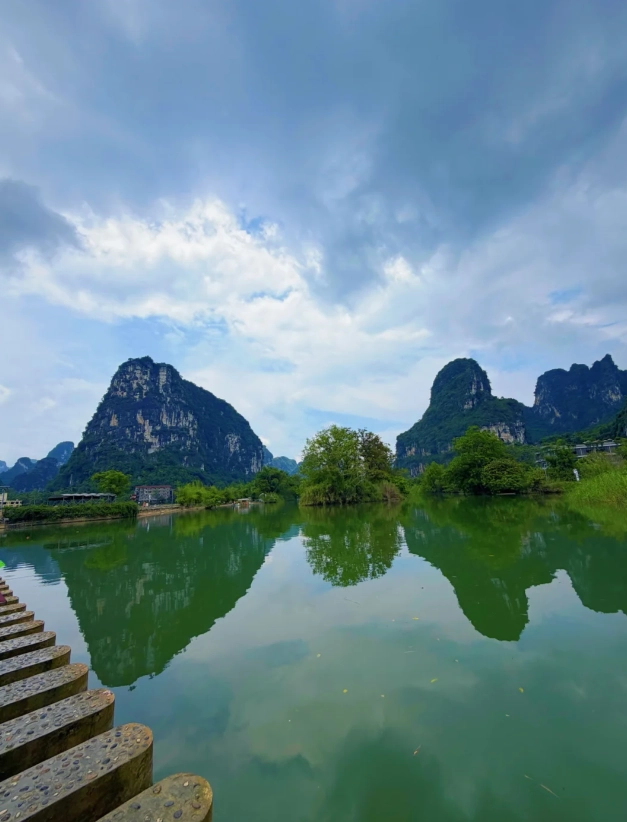
Where to Eat During a Chongzuo Layover
You don't have time for a fancy sit-down dinner. But that doesn't mean you should settle for a sad convenience store sandwich.
- Inside Detian area: There's a small food street right before the main viewing platform. Look for the stall selling 'chicken powder' (鸡肉粉) — a bowl of rice noodles in a light broth topped with shredded chicken. It's about 20 RMB and shockingly good.
- At Chongzuo Station: The station itself has a few noodle shops and a KFC. If you're craving something local, ask for 'Laoyou noodles' (老友粉) — a sour and spicy noodle soup that's a Nanning specialty.
- Bring a backup: Always carry a few protein bars. You never know if the food stalls are closed on slow days.
One more thing — most food vendors only accept phone payments. Cash might be refused. Make sure your WeChat or Alipay is linked to your card before you arrive at the scene.
Foreigner's Toolkit: Money, Wi-Fi, and Paperwork
This section is the exact reason my clients stop panicking. Here's what you need to know:
Payment
Alipay and WeChat Pay are the ONLY realistic payment methods. International credit cards are rarely accepted outside major hotels. Before your trip, link your Visa/Mastercard to Alipay (it's easy with the 'Tour Pass' feature). If you haven't done it yet, do it at the airport Wi-Fi — it takes 5 minutes and saves your whole trip.
Navigation
Google Maps is mostly useless in China. It shows wrong directions and often puts you on roads that don't exist. Instead, use Apple Maps (which works surprisingly well in China) or the English beta of AMap (also called Gaode Maps). I personally use Gaode for precise routes to rural areas like Detian.
VPN and Communication
Here's the hard truth — most Western websites (Google, WhatsApp, Instagram) are blocked. Install a reliable VPN BEFORE you land. Without it, your hotel Wi-Fi might even fail to load Google Translate. For offline translation, download the 'Chinese Simplified' pack in Google Translate (ironically, you'll need VPN to get it).
Yes, this is the most annoying part of traveling in China. I've seen clients spend an entire afternoon trying to set up a VPN after landing. Don't be them. Get it sorted at home, and test it.
Booking Tickets
Detian Waterfall now requires a ticket reservation. You can book on Trip.com with your passport number. If you're struggling, ask your hotel receptionist to help — they're used to this. Also, bring the physical passport — it's required for entry.
FAQ: Chongzuo Layover Itinerary Questions
Yes — if you arrange a car in advance and stick to the timeline I outlined. The total driving time is about 3 hours round-trip, leaving 3 hours for sightseeing. It's tight but absolutely doable. If your layover is less than 5 hours, I'd recommend skipping Mingshi and focusing only on the falls.
Book a private car through your hotel or use Didi with a tip. Outside the station, drivers may quote 500+ RMB, but a fair market price is around 300 RMB for the round trip. Always agree on the total price before getting in, and pay after you return to the station. I've seen foreigners overcharged by double because they didn't settle on the fare beforehand.
Yes. Your passport is your ID for buying tickets, hotel check-ins, and even some train stations. Keep it on you — not in your luggage. Some scenic areas also require the physical passport for entry, not just a copy.
Don't panic. The station has free Wi-Fi, but it may not work with foreign apps without a VPN. If you have no VPN, ask a local to help you connect to the station's Wi-Fi (it usually requires a Chinese phone number). Better plan: before your trip, download the offline map of Chongzuo on Gaode, and have a hotel or friend's phone number to call in case of emergency.
Absolutely. Chongzuo is a small city with low crime rates. The biggest risk is tourist-trap pricing, not personal safety. Practice the same street smarts you would anywhere: keep valuables secure, don't flash cash, and use official transport whenever possible.
Verified and fact-checked by the editorial team. This content is based on first-hand travel experience in Guangxi, China, and aligns with current transport and ticketing systems as of the latest known information.





I was skeptical a 6-hour stop could do Detian justice, but this guide nailed it. From Chongzuo we got to the park in under 90 minutes. The path was a little slippery after rain but the trip leader kept an eye on everyone. The waterfall itself is jaw-dropping - you can feel the vibration in your chest from the second viewpoint. We even had time to buy some dragon fruit from a stall by the exit. If you're debating whether to do this on a layover: yes. Book it. You'll be tired but thrilled.
This itinerary is exactly the kind of stress-free thing you need on a layover. My driver had a sign with my name at the arrivals curb, gave cold water in the car, and planned the route so we saw the waterfall in the best morning light. The highlight was the bamboo raft: being on the river looking up at the falls and then suddenly crossing into that open area where you see all three levels. It's a genuine once-in-a-lifetime view. I also appreciated that they left time for a coffee before heading back. A perfect balance for six hours.
Honestly one of the best layover ideas I've had. I booked the Chongzuo Layover Itinerary with zero expectations and it absolutely delivered. We did Detian first, before the tour groups arrived, and I got right up to the waterfall rail with the mist soaking my sunglasses. The roar was so loud we couldn't hear the guide, but honestly you don't need words. Lunch was a simple local meal - not fancy but fast, and the fried spring rolls were great. Finished with Boardwalk #3 for photos and got back to the station with time for coffee. If you have a 6h window, this is the move.
Solid itinerary for a tight layover, with one asterisk. The driver was on time and the route from Chongzuo station was clear. We reached Detian before 10am, which was key - no crowds yet. Walking down to the river gave you the full sensory experience: thunderous water, misty path, green mountains. We only had to skip the bamboo boat to catch the return shuttle. I wish the guide had told us the exact meeting point at the entrance; we wasted 15 minutes looking for him. Still, worth it for a quick taste.
I wanted this itinerary to work because the photos of Detian are insane. The waterfall itself is gorgeous - the sound of it pounding, the spray, the karst peaks around. But the 6h promise felt misleading. Our guide picked us up late, the park shuttle line was insane, and by the time we got through we had barely two hours at the actual sight. The local lunch option was a roadside place with lukewarm noodles, not worth it. If you are flexible with time and lower your expectations about lunch, it is okay. Just don't expect to see the Vietnam side or take your time.