 Chen Liu
I can't count the times a traveler showed me a soaked ticket stub from Detian Waterfall in July. They'd waited three hours in a downpour for a glimpse of the cascade, only to see brown water and thick fog. That's Chongzuo for you — one wrong month and your dream trip turns into a soggy logistics puzzle.
So, what actually is the Chongzuo best time to visit? After living and guiding here for years, my answer hasn't changed: late September to early November. The rain backs off, the humidity drops, and the waterfall still roars with post-monsoon power. But there's a catch — the first week of October forms a Chinese national holiday wall of humans. Skip that, and you'll have the karst peaks nearly to yourself.
Here's the deal: I'm about to hand you a month-by-month cheat sheet, insider booking hacks, and the exact tech setup to avoid crying into your phone screen. No fluff, just the stuff I tell my own clients.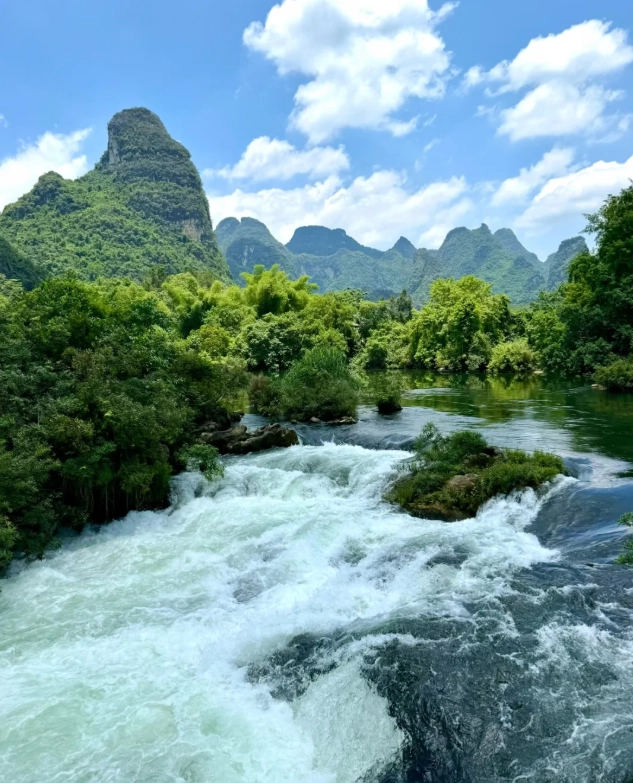
Why Does Chongzuo's Weather Make or Break Your Trip?
Chongzuo sits in the southwest of Guangxi, hugging the border with Vietnam. Its subtropical monsoon climate means you get two flavors: a long, wet summer from April to September, and a shorter, drier period from October to March.
But don't expect crisp winter air — even January hovers around 15°C at night. The bigger issue is humidity. From May to August, the air feels like a wet blanket. Add that to daily thunderstorms, and you'll understand why locals joke that the weather app is a suggestion, not a rule.
Here's the kicker: many travelers blindly head here in July because they see "visiting China in summer" guides. They forget that this region gets a chunk of its annual rainfall in that month. I've had tours where we had to skip the top of the mountain at Detian because the path turned into a river. That's not a memory worth paying for.
What Is the Best Time to Visit Chongzuo?
For a hassle-free trip with pleasant weather and visible waterfalls, target late September through early November. Specifically, I'd say the sweet spot is October 8 to November 20. After October 7, the National Day crowds vanish, flight prices drop, and the weather remains golden.
Fall also brings something special: the jasmine rice terraces (though Chongzuo isn't famous for those) and the clear skies over the Karst landscapes. You'll sweat less than in summer, but still feel comfortably warm during the day. Pack a light jacket for evenings.
If you can't make autumn, then March to April is your backup. The rainy season hasn't fully kicked in, and the greenery is lush. Just be ready for occasional showers and a bit of chill in the mornings.
Whatever you do, avoid July and August unless you enjoy sauna sessions and mud puddles.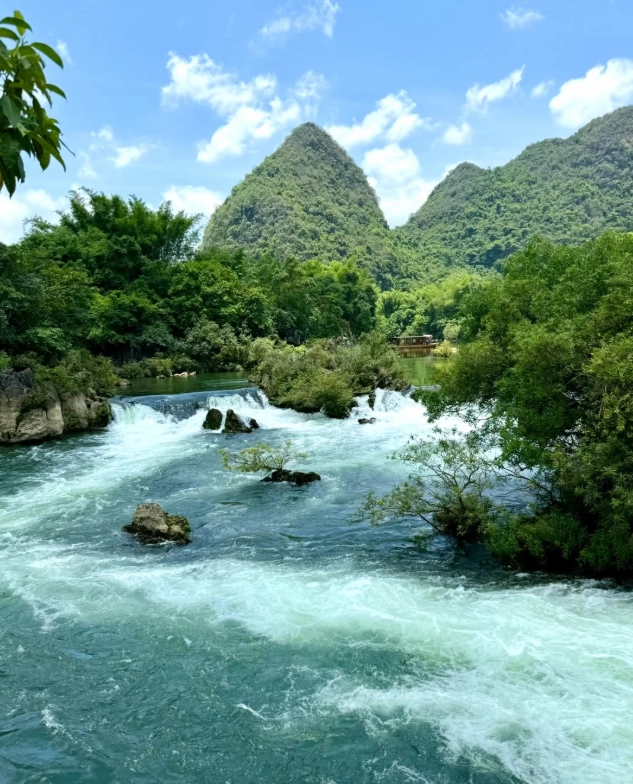
Month-by-Month Weather in Chongzuo: Crowds and Conditions
Let me give you a quick reference table. These are based on my on-the-ground observations and local climate data — but remember, weather is weather. Always check the longer forecast.
| Month | Avg Temp (°C) | Rainfall Level | Crowd Level | Detian Waterfall Condition | Best For? |
|---|---|---|---|---|---|
| Jan | 12-18 | Moderate | Low | Moderate flow; clear water | Budget travelers |
| Feb | 13-20 | Moderate | Low | Similar to Jan | Winter sun seekers |
| Mar | 16-24 | Low to Moderate | Low-Mid | Clear water; decent flow | Spring scenery |
| Apr | 20-28 | Moderate | Mid (May Day spikes) | Increasing flow; slight murk | Those who don't mind showers |
| May | 24-31 | High | Mid | Powerful but cloudy | Not recommended for photos |
| Jun | 26-33 | Very High | Mid | Extreme power; brown water | Thrill seekers (but risky) |
| Jul | 27-34 | Extremely High | Low-Mid | Guaranteed wet, but wild | Only if you're forced |
| Aug | 26-33 | Very High | Low-Mid | Same as July | Same as July |
| Sep | 24-31 | Decreasing | Low-Mid | Strong flow; clarity improves | Late month is great |
| Oct | 19-27 | Low | High (first week) | Perfect volume and clarity | The best month |
| Nov | 15-23 | Low | Low | Still good, but tapering | Second best |
| Dec | 12-20 | Moderate | Low | Slower, clear | Quiet escapes |
Obviously, the "best" month depends on your priorities. If you're a photographer chasing crystal-clear water, April is better than June. But for sheer beach-like comfort, October rules.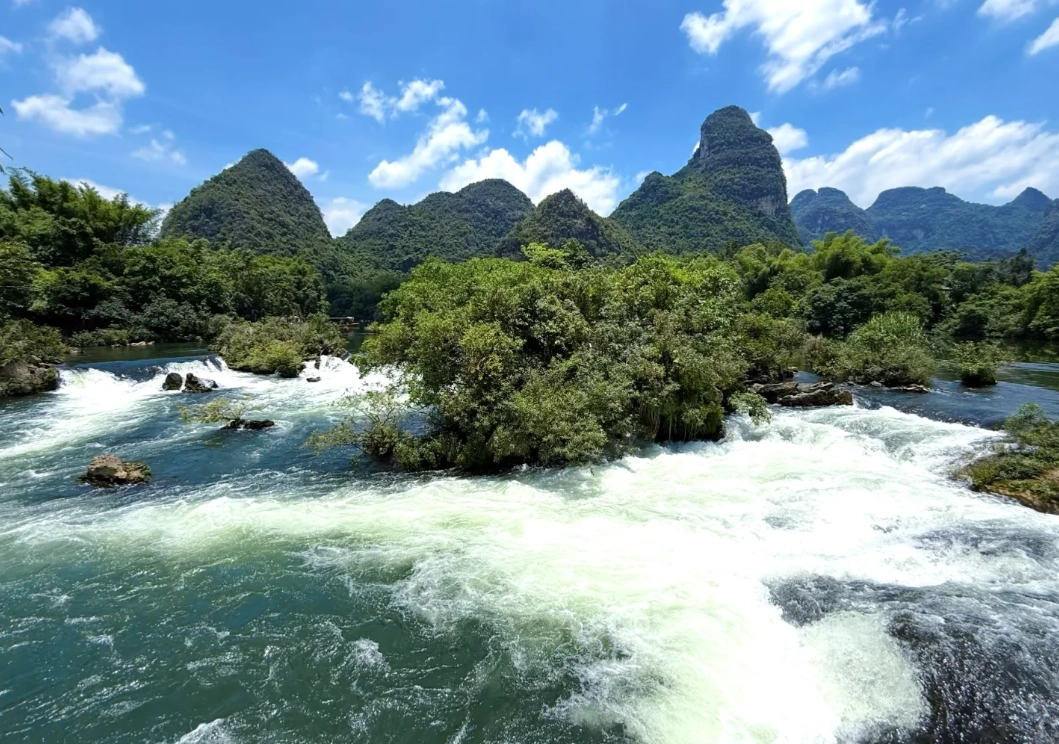
How Do Seasons Change Detian Waterfall?
Detian Waterfall — the spectacular falls that span the China-Vietnam border — is the main reason most people come to Chongzuo. Its beauty shifts dramatically with the seasons.
The waterfall draws its water from the Guichun River. During the wet season (May to September), it turns into a thundering beast, but the water carries sediment, turning it into a milky-brown froth. Not exactly postcard material. The viewing platforms get slippery, and mist can soak you within minutes.
In contrast, autumn showcases the waterfall at its most photogenic. The flow remains strong (usually at about 80% of monsoon levels), but the water clears up, and you can see the blue sky behind the cascades. I always tell my clients: try to visit before 11 AM, when the sun is on the right side for photos. After noon, the falls are backlit, and you'll squint into your own lens.
Insider Advice: The Chinese side doesn't let you cross the bridge midway unless you have a border pass. The best full view is from the viewing deck near the ticket gate, not from the boat ride. Save the boat money for lunch.
Also, the ticket office requires your passport — there's no way around it. The WeChat mini-program is in Chinese-only, but you can ask your hotel to pre-book for you. Or use a platform like Trip.com to avoid the linguistic gymnastics.
How Do Chinese Festivals Impact Your Chongzuo Visit?
Here's a trap that catches many foreigners off guard: Chinese national holidays. There are two big ones: Chinese New Year (usually late January or February) and National Day (October 1-7). Both create massive domestic tourism surges.
If you arrive in December and plan to stay through Chinese New Year, be aware that everything from trains to hotels gets booked out months in advance. And the crowds at Detian can be shoulder-to-shoulder by 9 AM.
For the best balance, book between September 25 and September 30, or after October 7. That way you get the tail end of summer heat without the Golden Week stampede.
Also, the Dragon Boat Festival (June) and Mid-Autumn Festival (September or October) create smaller bumps in travel. Always check the lunar calendar before locking in dates.
Essential Travel Tips for Foreigners in Chongzuo
Now, let's deal with the practical stuff that can make or break your trip:
- Payment: Forget about cash in most places. Small shops might not accept international cards. Your lifeline is Alipay or WeChat Pay connected to a Visa or Mastercard. For that, you'll need a VPN to initially activate the account from inside China. Once set up, it works fine.
- Navigation: Google Maps is blocked and unreliable. I recommend Apple Maps — it works surprisingly well in Chinese cities and uses English names. Or download AMap (高德地图) and switch it to English mode. For the driver, you can show the Chinese address on AMap.
- Getting to Chongzuo: The nearest airport is Nanning Wuxu International Airport (NNG). From Nanning, the fastest option is the high-speed train to Chongzuo; check schedules on Trip.com or the official 12306.cn — it takes roughly 1.5 hours and costs about 150 RMB. From Chongzuo Railway Station, a taxi to the city center takes about 15 minutes.
- Visa and Booking: You'll need a valid Chinese visa (L visa for tourism). For attractions, book tickets in advance using your passport name. Use Trip.com or Klook if the official WeChat app confuses you.
- Language barrier: Outside of major cities, English is rare. Download Baidu Translate or Apple's Translate app and download the Chinese language pack for offline use.
How Do Seasons Affect Your Budget and Booking?
The same room in a Chongzuo guesthouse can cost 300 RMB in November but jump to 800 RMB during October 1-7. If you're flexible, you can save a fortune by shifting your dates by a week or two.
In the shoulder months (March, April, September, November), you'll find prices about 20-30% lower than peak. Besides accommodation, flights to Nanning are cheaper outside of summer school holidays.
My pick for budget travelers: Late November. The weather is still fine, though a bit chiller, and you'll have the waterfalls almost to yourself.
FAQ: Your Chongzuo Timing Questions Answered
1. What's the worst time to visit Chongzuo?
Honestly, July and August. The rain turns roads into canals, and the humidity zaps your energy. The mist at Detian can completely obscure the view, making it not worth the muddy hike. If you're stuck with those dates, at least plan indoor activities like the local history museum or a tea house in Chongzuo old town.
2. How many days do I need to see the highlights?
If you just want Detian and Mingshi Fields, two full days is enough. Day 1: Detian Waterfall (morning) plus the border market in the afternoon. Day 2: Mingshi Scenery (rent a bicycle or e-bike). Add a third day if you want to explore the Friendship Pass or the old town.
3. Is there a way to avoid the crowds at Detian?
Yes, go in the late afternoon — after 3 PM. Most tour buses leave by 2 PM, so you'll have the walkways to yourself. The light is softer too. Just check the closing time, usually around 5 PM, and plan to arrive by 3:30.
4. Can I visit Chongzuo without speaking Chinese?
It's challenging but doable. Use translation apps, show written addresses to taxi drivers, and book everything online. For meals, point at menu photos. The locals are patient, and younger folks usually understand basic English.
5. Is Chongzuo safer than other Chinese cities?
Yes, it's generally very safe, even at night. You'll see police officers around major tourist spots. Just keep your belongings secure in crowded areas.
Now, one last thing — I always tell my clients to bring a rain jacket even in the dry season, because the weather can surprise you. And always carry your passport; you need it for train tickets and hotel check-ins.
That's it! You now have the complete Chongzuo timing playbook. Book wisely, pack smart, and get ready for one of China's most underrated landscapes.
This content has been fact-checked to ensure informational precision.





As someone who hates heat and crowds, this was my favourite stop in Guangxi. We arrived in early December, and it was perfect. The waterfall spray felt refreshing rather than humid, and the viewpoints were empty enough that I could just stand there and listen to the water thundering over the falls. The local noodle shop owner even told us a hidden sunrise spot near the karst hills. The whole trip felt calm, spontaneous, and totally uncrowded. Five stars, absolutely recommend it.
I almost skipped Chongzuo because I kept reading how hot and packed it gets in summer. So glad I didn’t. We went in late November, and the border-town vibe was exactly what I wanted: chill, easy, no queues anywhere. The air had that dry autumn smell, and we walked across Friendship Pass without waiting a single minute. Even the souvenir stalls were relaxed. If you want to actually feel the landscapes instead of being herded past them, this is the window. Five stars.
This was the exact definition of beating the heat and the crowds. We visited from October 10th to 14th, right after the National Day rush, and it felt like we had Chongzuo to ourselves. The karst peaks along the Ming River looked unreal in the golden morning light, and our bamboo raft driver even stopped so we could take photos without other boats in the frame. Detian was roaring but not overrun. Not one sweaty minute. Five stars, no hesitation.
Came mid-November for a long weekend, and honestly it was almost perfect. Crisp air, blue skies, and only a handful of other travelers around. We walked the Detian boardwalk in about two hours without fighting for photo spots. The Ming River karst peaks looked sharp in the morning light. Only complaint: because it’s low season, some restaurants and shops close early, so dinner options in town were limited. Still, a solid 4-star visit.
Detian Waterfall is undeniably spectacular, but I made the mistake of going in late April thinking I’d beat the worst of it. It was muggy as hell, and by 10am the viewing platforms were shoulder-to-shoulder with tour groups. The mist from the falls just made everything sticky. I get why people say come in the off-season, but this wasn’t exactly peaceful. Maybe November would’ve been better. Three stars because the scenery carries it—the heat and crowd management don’t.