 Ling Wu
Quick Answers
- What Is the Friendship Pass Vietnam Border Crossing?
- How to Cross the Friendship Pass Vietnam Border Crossing: Step by Step
- Friendship Pass Vietnam Border Crossing: Best Time to Cross
- Getting to the Friendship Pass Vietnam Border Crossing
- Money, Phones, and Payments at the Border
- My Insider Tips to Skip the Hassle
- FAQ About the Friendship Pass Vietnam Border Crossing
Let me paint you a picture. You’ve just stepped off a sleeper bus from Hanoi. It’s 7 a.m., the air smells like diesel and instant noodles. A man waves a laminated sign at you: “China? China?” Your phone battery is at 20%. You have no idea where to go.
Chaos is normal at the Friendship Pass Vietnam border crossing. But it doesn’t have to be. Most first-timers Google “Friendship Pass Vietnam border crossing” and get outdated forum posts. They end up overpaying for a motorbike taxi, fumbling with cash, and missing the one counter that processes foreigners.
Here’s the secret: the entire crossing, from Vietnamese exit to Chinese entry, can be done in under 90 minutes if you go to the correct windows first. I’ve guided countless groups through this border. Below, I’ll break down every step, the common pitfalls, and exactly how to beat the crowds — all based on my first-hand experience.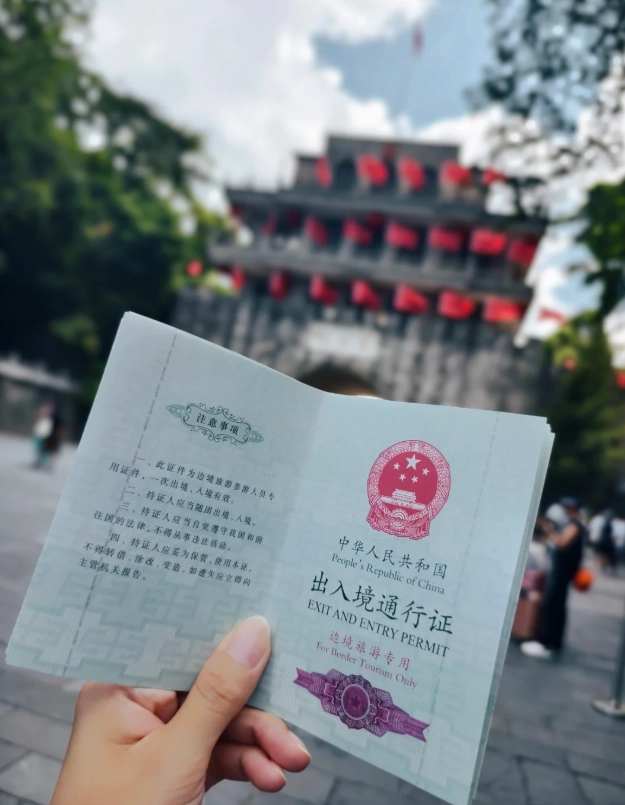
What Is the Friendship Pass Vietnam Border Crossing?
Friendship Pass (Youyi Pass) is one of the busiest land border crossings between Vietnam and China. It connects Pingxiang City in Guangxi Province with Dong Dang in Lang Son Province, Vietnam. More than just a functional gateway, this crossing sits on the site of a historic pass that has witnessed centuries of trade and conflict.
Why It Matters for Travelers
For backpackers and budget travelers, Friendship Pass is often the cheapest and most efficient way to overland between Vietnam and China. Flights between Hanoi and Nanning can be pricey and indirect. Overland, you can travel overnight from Hanoi, cross the border in the morning, and catch a train to Nanning by afternoon.
The crossing itself is compact — you literally walk from one country’s immigration hall to the other in about 500 meters. That sounds easy, but the lack of clear signage and the swarm of touts make it confusing for first-timers. I’ve seen travelers walk in circles, trying to find the right queue.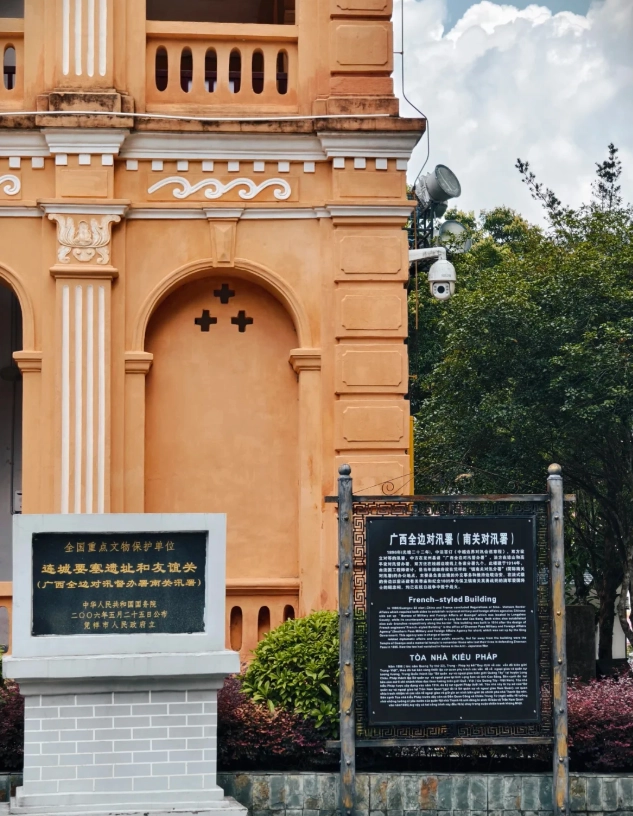
How to Cross the Friendship Pass Vietnam Border Crossing: Step by Step
Crossing takes about 60–90 minutes total if you arrive prepared and follow the flow. The entire process involves exit procedures on the Vietnam side, a short no-man’s walk, and entry procedures on the China side. Here’s exactly how to do it:
Step 1: Prepare Your Documents
Your passport needs at least 6 months validity, and you must have the appropriate visa for your destination country. For most foreign nationals, a Chinese visa must be obtained in advance. Vietnam side—if you’re entering Vietnam, many nationalities get visa exemption for 30 days, but always check the latest rules with the Vietnamese embassy.
I always tell my clients to bring a printed copy of their hotel bookings and an onward ticket. While not always checked, border officers may ask for proof of itinerary.
Step 2: Exit Vietnam
As you approach from Vietnam, the first building is the Vietnamese immigration hall. It’s usually a squat, beige structure. Head inside, fill out the departure slip (if not already done), and line up for passport control. There are often two lines — one for Vietnamese nationals, one for foreigners. Pick the foreigners’ line; it moves faster.
Pro Tip: Don’t stop at the currency exchange kiosk here — the rates are terrible. Wait until you’re on the Chinese side.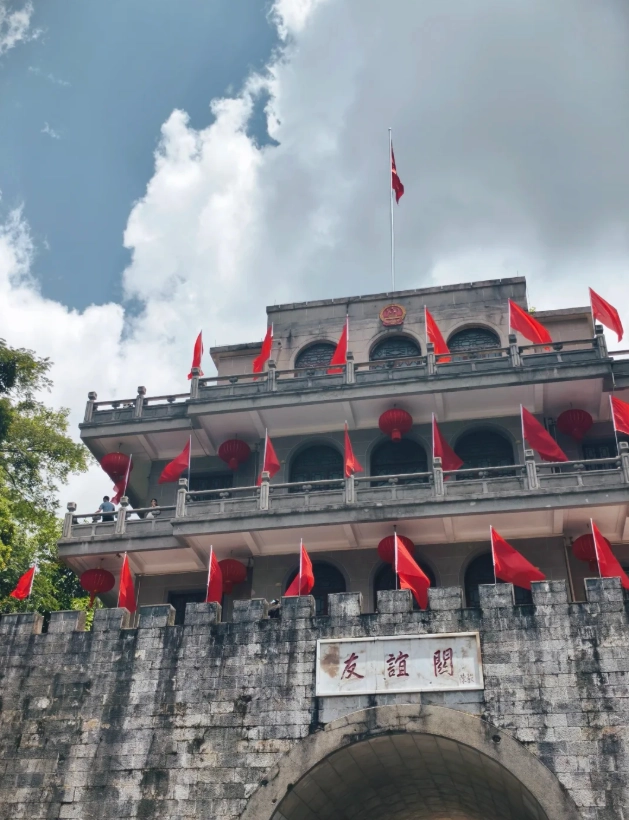
Step 3: Walk Across the No-Man’s Land
After exiting Vietnam, you’ll walk along a roped path for about 5–10 minutes. This stretch is surreal — you’ll see trucks parked on either side, drivers lounging, and weavers carrying goods on their backs. It’s a great photo op, but keep moving; the Chinese side is where the real process begins.
Step 4: Enter China
The Chinese entry hall is much larger and more modern. Fill in the arrival card — there are English and Chinese versions. As a foreigner, you must go to the “Foreigners” counter. Have your visa, passport, and arrival card ready. The officer may ask your purpose of visit and where you’re staying. Answer clearly and confidently.
Note: Chinese immigration now uses facial recognition and fingerprinting for all foreigners. It’s quick but wait for the green light signal before proceeding.
Step 5: Complete Customs and Declarations
After passing immigration, you’ll hit customs. If you have nothing to declare, follow the green channel. In recent years, China has placed scanners and random checks. Don’t bring prohibited items like fresh fruit or meat — they will be confiscated.
Insider Advice: Once you exit the building, you’re officially in China! Go through the sliding doors, and you’ll see a small plaza with a golden statue of a dragon horse. That’s your meeting point if you’re getting picked up.
Friendship Pass Vietnam Border Crossing: Best Time to Cross
The absolute best time to cross is early morning, between 8 a.m. and 10 a.m., before the tour groups and cargo traffic pile up. If you arrive at the Vietnamese exit gate when it opens at 7:00, you can breeze through both sides in less than an hour.
Avoid crossing during noon (12–1 p.m.) when border guards take lunch breaks and lines get long. Also, steer clear of 4–6 p.m. — this is when many buses from Hanoi arrive, creating a flood of travelers.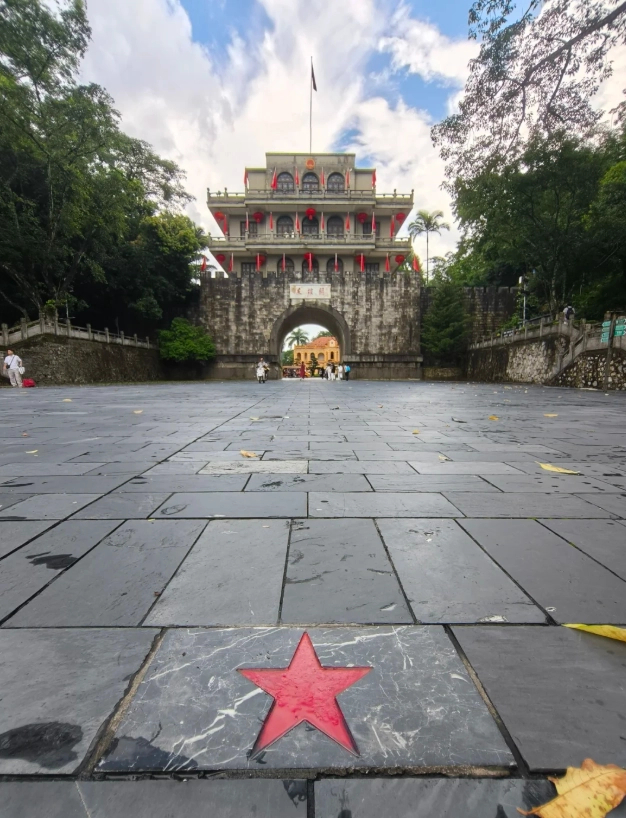
Here’s a quick comparison table to help you strategize:
| Time Slot | Wait Level | Best For |
|---|---|---|
| 7:00–10:00 | Low | Fast entry, empty halls |
| 10:00–12:00 | Moderate | Still manageable, tour groups arriving |
| 12:00–14:00 | High (due to lunch breaks) | Not recommended |
| 14:00–16:00 | Moderate | Better than lunch, but afternoon buses begin |
| 16:00–18:00 | Very High | Avoid unless necessary |
Pro Tip: Always check Vietnamese public holidays. If it’s Tet (Lunar New Year), the border can be clogged with returning workers. Same for Chinese National Day (October 1–7). I once crossed during Tet and waited three hours — not fun.
Getting to the Friendship Pass Vietnam Border Crossing
From Vietnam, the most common starting point is Hanoi; from China, you’ll likely come from Nanning or Pingxiang. Both routes have straightforward public transport options, though the Vietnam side requires a bit more patience.
From Vietnam: Hanoi to Friendship Pass
Sleeper buses from Hanoi’s My Dinh bus station run daily to Lang Son, the capital of Vietnam’s border province. The journey takes about 4–5 hours and costs around 150,000–200,000 VND (~6–8 USD). From Lang Son, you hop on a local minibus or taxi to the Dong Dang border gate (about 10 km).
Alternatively, you can catch a direct shuttle from Hanoi to the border (often advertised at hostels). They’ll drop you right at the Vietnamese exit. Be sure to book at least a day in advance, especially during peak season.
My personal tip: Take the earliest bus (around 6 a.m.). That way you’ll arrive at the border by 10:30–11:00, just before the worst crowds.
From China: Nanning to Friendship Pass
China’s high-speed rail network reaches Pingxiang, making the trip from Nanning incredibly easy. Trains run from Nanning East Station to Pingxiang station several times a day. The journey takes roughly 1.5–2 hours, and tickets cost about 80–100 RMB (~11–14 USD). You can buy tickets via Trip.com or the official 12306 app.
Once in Pingxiang, grab a taxi or local bus to the Friendship Pass Scenic Area, which houses the border crossing. A taxi takes about 30 minutes and costs around 50 RMB. The local bus (line 2) is cheaper (2 RMB) but takes longer and can be confusing for non-Chinese speakers.
Comparison of Transport Options
| Route | Mode | Duration | Cost | Best For |
|---|---|---|---|---|
| Hanoi → Friendship Pass | Sleeper bus + minibus | 5–6 hours | ~$10–15 | Budget travelers |
| Nanning → Pingxiang | High-speed rail | 1.5–2 hours | ~$11–14 | Efficiency & comfort |
| Pingxiang → Border | Taxi | 30 minutes | ~$7 | Speed |
Money, Phones, and Payments at the Border
Cash is king at the exact border point, but digital payments dominate as soon as you enter China. Here’s what you need to know to avoid getting stuck.
Currency Exchange at the Border
There are exchange kiosks on both sides, but rates are often poor. On the Vietnam side, they’ll accept US dollars, euros, and Vietnamese dong. On the Chinese side, you’ll find a bank ATM and a couple of exchange counters. I recommend withdrawing Chinese yuan (RMB) from the ATM rather than exchanging cash — ATM rates are better. Look for the Bank of China ATM just outside the customs hall.
If you arrive without RMB, it’s fine. The ATM works with international cards. Just be aware that it only dispenses 100 RMB bills, so carry a few smaller notes for buses and snacks.
SIM Cards and Connectivity
You can buy a Chinese SIM card at the border, but don’t expect it to work in Vietnam. The friendly telecom booths are located in the arrival hall, often right before the exit. Providers like China Mobile and China Unicom offer tourist SIMs. Bring your passport for registration.
Important: Apps like Google, Facebook, and Instagram are blocked in China. I always recommend downloading a reliable VPN before you cross. For navigation, Apple Maps tends to work well in China, while Google Maps is unreliable. Download the AMap app (which has an English interface) for accurate directions.
Payment Methods in China
Once in China, Alipay and WeChat Pay are used for almost everything — cash is rarely accepted, especially for rickshaws or small shops. As a tourist, you can link your international credit card to Alipay by scanning your passport and adding the card. This process can be done on the spot with Wi-Fi. WeChat Pay is also an option, but Alipay tends to be friendlier for foreigners.
Don’t worry if you can’t set it up immediately. Keep some RMB cash for the first few hours. Most hotels will help you set up Alipay if you ask.
My Insider Tips to Skip the Hassle
After countless crossings, I’ve narrowed down the most critical tips to save you time, money, and stress. These are things you won’t find in official guidebooks.
- Carry your own pen. You’ll need to fill in arrival and departure forms, and the pens at the border are usually missing or dry. A simple ballpoint can save you 10 minutes.
- Ignore the touts. They’ll try to sell you “express” services or exchange currency at rip-off rates. Politely say “no” and walk straight to the official counters.
- Dress in layers. The border halls are freezing due to extreme air conditioning. I always wear a light jacket even in summer.
- Take a photo of your passport page. If you forget something, at least you’ll have a copy. But note: the Chinese customs may require physical passport for stamping.
- Use the free restrooms before you reach the Chinese side. The facilities after immigration are cleaner and free. The ones on the Vietnam side may charge a small fee.
FAQ About the Friendship Pass Vietnam Border Crossing
Verified and fact-checked by the editorial team.





I normally don't leave reviews, but this page deserves one. I was solo, carrying too much luggage, and scared of missing the connection to Lang Son. The step-by-step here made me feel like I had a friend telling me where to go. I arrived at 8am, avoided the tour wave, and was drinking coffee in Lang Son by 9:40. The descriptions of the crossing—the smell of diesel, the swirling crowd, the guy selling stamps—are all real. 5 stars.
Honestly the best breakdown of Friendship Pass I've found online. It reads like someone who actually stood in that sweaty corridor and took notes. The 'beat the crowds' part isn't an exaggeration—I got there at 7:45 and was through before the bus groups arrived at 9:30. The author even mentions the exact spot where you swap your yellow slip for a red one, which no other source says. If you're nervous about this border, read this before you go.
This guide absolutely nailed it. I crossed Friendship Pass on a Monday morning and followed the exact routine: stand on the left at the first stamping window, keep your exit card in your passport, don't walk through the green corridor until you see the bilingual sign. I went from the Vietnam side to the China side in under 30 minutes while big tour groups were stuck in a maze. The warning about luggage scanners and cash exchange saved me from getting ripped off too. Highly recommend.
Solid guide with a few useful details I hadn't seen elsewhere. I used the advice about going straight to the biên phòng office instead of following the crowd to the first counter—that saved me maybe 15 minutes. The tip about having a printed hotel address in Vietnamese and Chinese helped too. I didn't give it 5 stars because the directions to the parking lot were a little vague, and I had to circle twice. Still, it's worth reading before you cross.
This article is mostly practical, but I came away a little disappointed. On the day I crossed, the Vietnamese side didn't open until 8:15, so my 'beat the crowds' plan fell apart. The description of the queues near the gate was accurate though—shouty porters, motorbikes weaving through luggage, heat bouncing off the concrete. It just didn't help me actually dodge any of that. Maybe it works better on a quiet weekday.