 Wei Zhang
Quick Navigation — What's Inside
I'll be honest — when I first brought a group of foreign travelers to Danzishi Old Street, I wasn't sure what they'd think. It's not as famous as Ciqikou, and the name doesn't ring a bell like Hongya Cave. But by the end of the evening, every single person told me it was the highlight of their Chongqing trip. Why? Because Danzishi offers something rare: a genuine slice of old Chongqing life, stunning riverside views of the Yangtze, and none of the elbow-to-elbow chaos you get at the big-name spots.
Here is the catch — this place is a bit tricky to navigate if you don't know the ropes. Google Maps goes haywire, the entrance hides behind a modern shopping complex, and most English guides skip it entirely. That's exactly why I put this guide together. Stick with me, and you'll not only find the street easily — you'll know exactly where to eat, when to snap that perfect photo, and how to avoid the few tourist traps that do exist.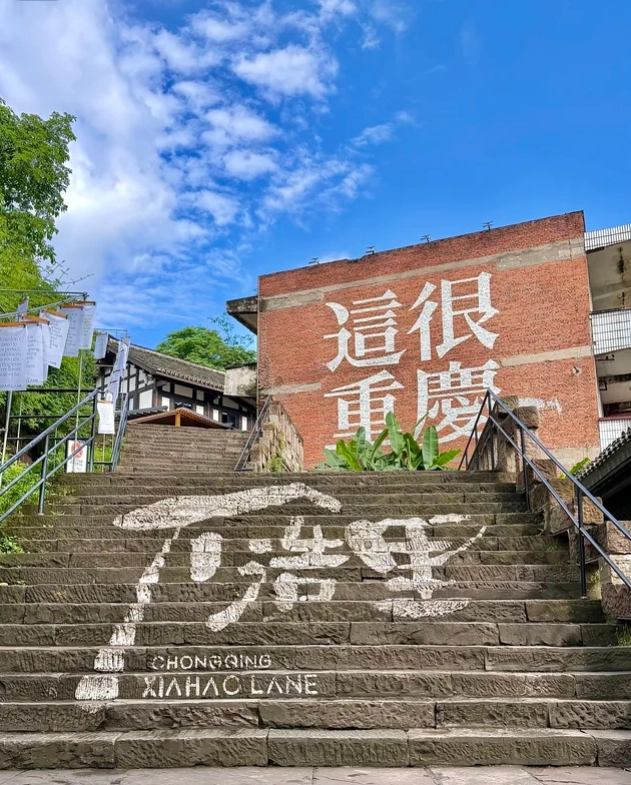
My bottom line upfront: Go in the late afternoon (around 4 PM). Catch the sunlight bouncing off the old stone buildings, explore the alleys, then post up on a rooftop bar for sunset over the Yangtze. It's the perfect half-day escape from downtown. Now let's dive into the details.
Why Danzishi Old Street Deserves Your Time
It's not just another tourist street. Danzishi (弹子石) sits right where the Yangtze River meets the Jialing River — the same spot that made Chongqing a major trading port a century ago. The street itself was rebuilt a few years ago, but the vibe is authentic. Think: weathered stone steps, traditional diaojiaolou (stilted houses), and local teahouses where grandpas play mahjong. Plus, the view of the Chongqing skyline across the river is absolutely killer at night.
I've taken dozens of groups here, and the feedback is always the same: it feels real. You won't find tacky souvenir shops selling the same keychains as every other Chinese tourist spot. Instead, you'll find calligraphy studios, a small museum about the port history, and bakeries making traditional Sichuan flatbreads. Perfect for travelers who want substance over spectacle.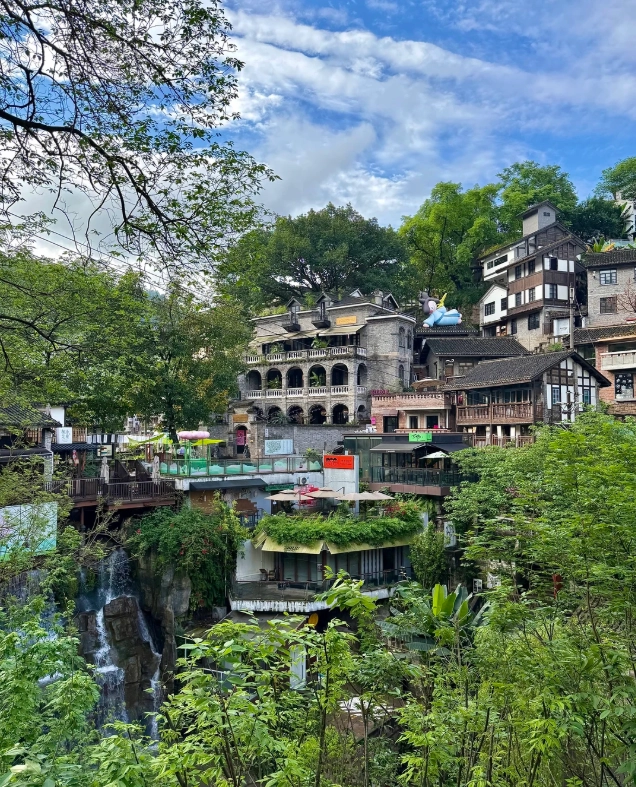
A Brief History: From Dock to Tourist Gem
Danzishi has been a transportation hub since the Qing Dynasty. The name "Danzishi" actually comes from a legend about a magical stone that could produce oil — but historically, it was a busy dock where merchants loaded and unloaded goods from boats. In the early 1900s, it became one of the earliest areas in Chongqing to have modern customs and foreign consulates. Some old Western-style buildings still stand, scattered among the Chinese traditional architecture.
The current "old street" is a careful reconstruction completed in 2018. The government hired local historians to ensure the layout and building styles matched old photographs. That's why it doesn't feel like a fake theme park — the alleyways follow the original slope, and many of the stones were salvaged from old demolished houses. Pro tip: Look at the ground — you'll see old stone carvings and even iron rings that used to tie up boats.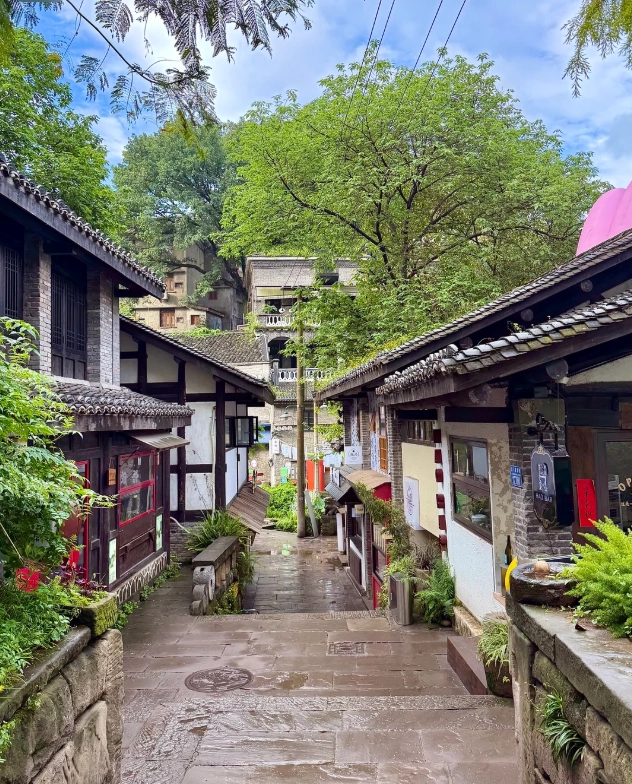
How to Get to Danzishi Old Street
Getting there is easier than most guides suggest. Here are your three best options:
- By Metro (Subway): Take Line 1 to Xiaoshizi Station (小什字), then transfer to Line 6 heading towards Chayuan. Get off at Danzishi Station (弹子石). Exit from Gate 2. Walk south for about 8 minutes along Danzishi Road — you'll see the old street entrance on your right, tucked behind a modern commercial complex. Take the escalator up two floors to reach the main level.
- By Taxi or Didi: Show the driver this: 弹子石老街 (Danzishi Old Street). The fare from Jiefangbei area is about 25-35 RMB (around $4-5 USD). Most drivers know it, but be specific — there's also a "Danzishi" metro station, not the same place. Ask to be dropped at the main archway on Danzishi Street.
- By River Cruise: A fun and scenic option. Some Yangtze river cruises stop at Danzishi pier. Check with your cruise operator. The pier is a 5-minute walk from the old street entrance.
Top 5 Things to See & Do
1. The Yangtze River Viewing Platform
This is where you'll get the postcard shot. A multi-level wooden deck juts out over the river, offering a panoramic view of the Chongqing skyline, the cable car crossing the river, and the Nanbin Road bridge. Best time: 5:30 PM to 7 PM, when the golden hour hits the buildings and the lights gradually come on. I always tell my groups: come here first, take your photos, then explore the alleys while the light is still good.
2. The French Catholic Church (St. Joseph's)
A surprising piece of European history. Built in 1907, this Gothic-style church stands on a hill within the old street compound. It's still active — locals attend mass on Sundays. The stained glass windows depict scenes from the Bible, and the courtyard has a beautiful garden. Free entry, but dress modestly. If you're lucky, the caretaker might let you ring the bell.
3. Danzishi Old Street Museum
Small but packed with local history. Located in a restored courtyard house, the museum displays old photographs, navigation tools, and models of the port as it looked in the 1920s. English descriptions are limited, but you'll get the gist. Admission: 20 RMB (about $3 USD). Takes about 20 minutes to go through.
4. The Calligraphy Alley
Tucked away behind the main street. A narrow lane lined with studios where local artists practice traditional Chinese calligraphy and painting. You can watch them work, and many will sell their pieces for very reasonable prices (50-200 RMB). Don't haggle aggressively — these are genuine artists, not street vendors. I still have a small mountain landscape I bought here five years ago.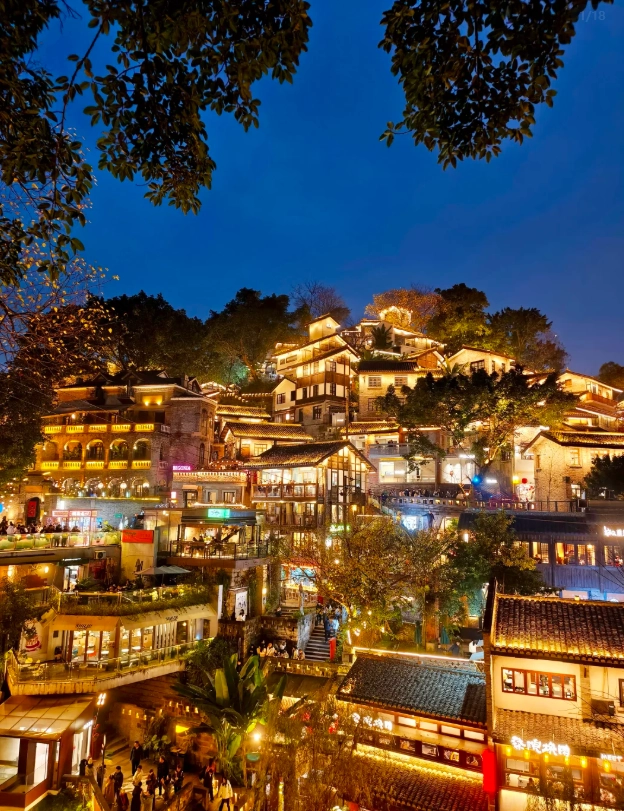
5. Night View from the Rooftop
My personal favorite. Several restaurants and bars on the upper level of the old street have outdoor terraces overlooking the river. The best is a place called River View Lounge — order a local Chongqing beer or a jasmine tea, and watch the city lights dance on the water. Arrive by 7:30 PM to snag a front-row table.
Where to Eat: Local Eats on Danzishi
You're in Chongqing — you have to eat spicy. But don't worry, there are mild options too. Here are three places I always recommend:
| Restaurant | Specialty | Price per person | Great for |
|---|---|---|---|
| Old Street Noodle House | Chongqing small noodles (小面) with beef brisket | 25-35 RMB | Quick lunch or snack |
| Shan Cheng Hotpot | Traditional Chongqing hotpot with spicy broth | 80-120 RMB | Group dinner; get the tripe and duck blood |
| Riverside Teahouse | Sichuan snacks (dan dan noodles, wontons) | 40-60 RMB | Afternoon break; they have English menu |
A quick note on payment: Street food stalls and smaller shops usually accept only Alipay or WeChat Pay. Cash is rarely used. If you haven't set up international version of Alipay, ask your hotel front desk to help you link your card. Most mid-range restaurants like Shan Cheng Hotpot will accept Visa/Mastercard — but always ask first. I've had friends get stuck with no cash and no mobile payment. Don't be that person.
Practical Tips for a Smooth Visit
- Opening hours: The old street itself is open 24/7 (it's a public space). Shops and museums typically open from 10 AM to 9 PM. The viewing platform and rooftops are accessible at all times.
- Best time to go: Late afternoon (4 PM onwards) to catch the sunset and transition to night. Avoid noon — it's hot, humid, and the retroflective stone pavement bakes you.
- What to bring: Comfortable walking shoes (lots of steps!), a reusable water bottle, and your phone with a translation app. VPN is essential if you want to access Google or Instagram — get it before you arrive in China.
- Crowds: Weekdays are quiet. Weekends get busy, especially in the evening. But even at peak, it's nowhere near the madness of Ciqikou.
- Accessibility: The old street is built on a slope with many stairs. There are some ramps, but wheelchair users will find it challenging. The main viewing platform is reachable via elevator from the parking lot level.
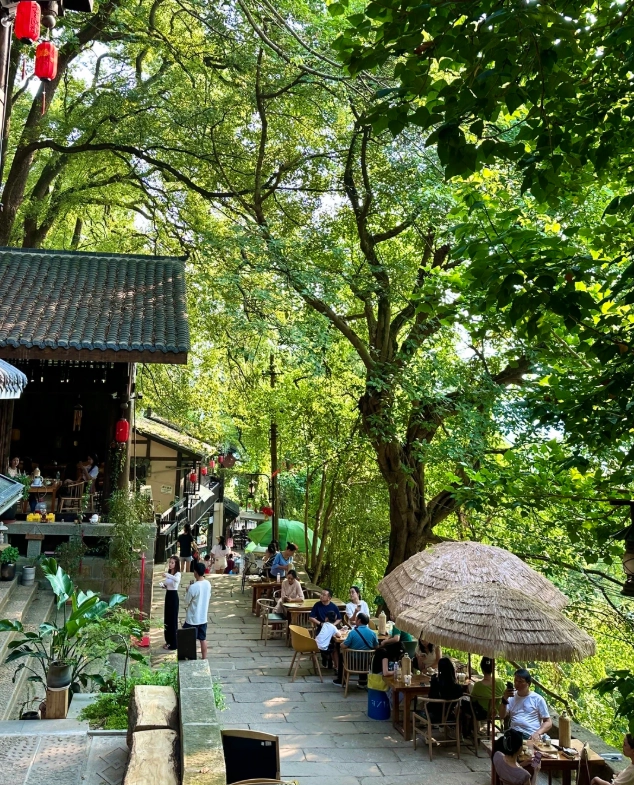
Insider Advice: The public restrooms near the museum entrance are usually clean. The ones inside the shopping mall next door (Danzishi Paradise Walk) are even better — go there if you need a proper rest.
Frequently Asked Questions
This content has been fact-checked to ensure informational precision.





Maybe I came with wrong expectations, but this felt like a polished souvenir street more than an actual old town. Most of the buildings look restored or even rebuilt, and the shops are full of the same mass-produced trinkets and candy you see everywhere. My friends loved the night view, and okay, the skyline is impressive, but I wanted atmosphere and history. There are some information boards, but they’re easy to miss among all the snack smells and loud music. The hotpot skewers were overpriced and pretty average too. Fine if you need one great photo, but I wouldn't call it a must-do.
A good half-day stop, though not perfect. The old street has a lot of character and the view across the river is fantastic at dusk. That said, parts of the site were under construction, and a couple of historic buildings seemed abandoned instead of actively preserved. I also found the food court a bit generic—mostly the same sort of snack stands you see all over Chongqing. The entrance area was a little hard to navigate too. Still, I really enjoyed sitting by the water with a cold drink and watching the sky change colors. Definitely worth it if you’re nearby, but I wouldn’t travel across town just for this.
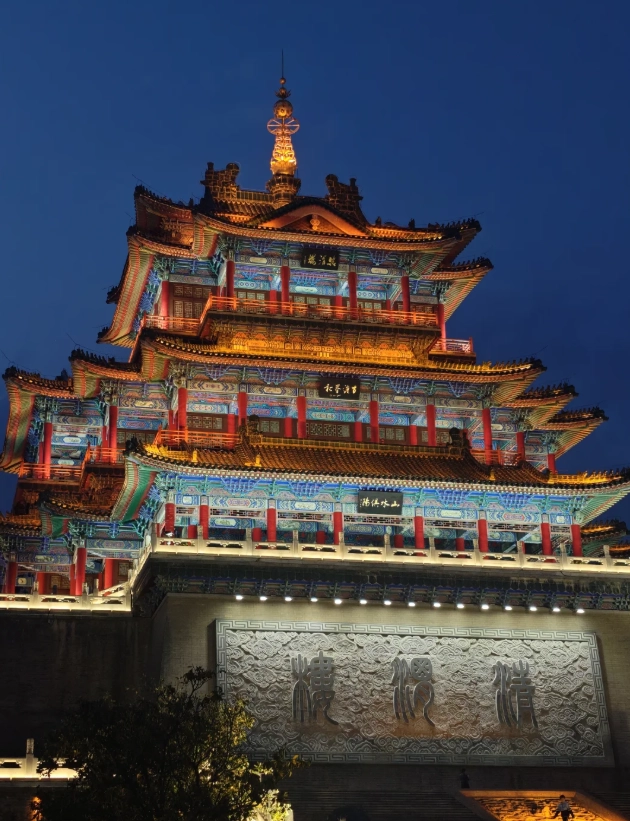
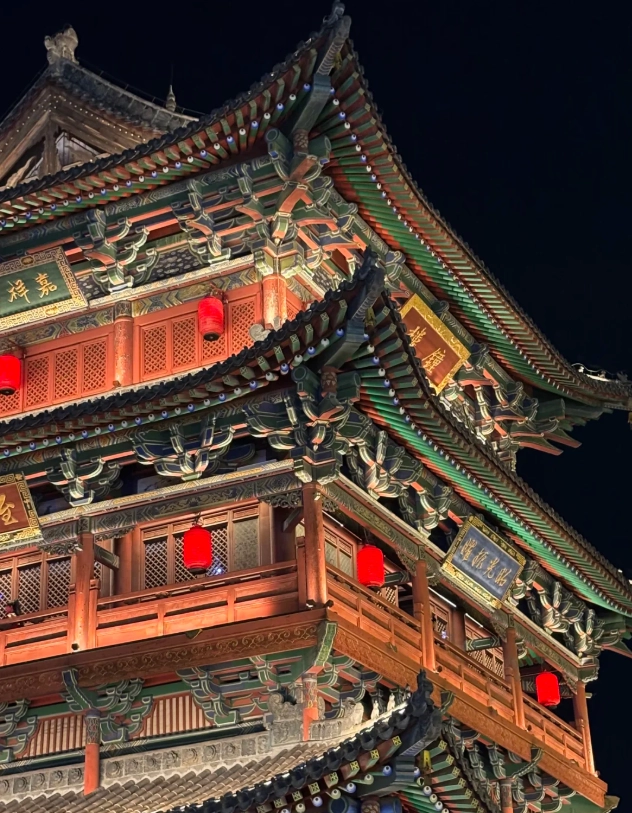
Went mainly for photography and came away stunned. From the riverside walkway you can see both the Yangtze and Jialing meeting in the distance, with the bright modern towers of Chongqing right across the water. I must have taken fifty shots before even getting to the old street itself. The historical architecture is nicely lit after dark—especially the restored arches and stone carvings. It’s not as polished or commercial as some other old streets, which I liked. A few shops were closed when I visited, but that just made the atmosphere more peaceful. Perfect spot for a slow evening stroll and a unique angle on the city skyline.
Honestly didn't expect this place to be this nice. We arrived from Danzishi metro station and followed the signs to the old street. It was still early evening, so the lanterns were just starting to glow. I loved the old French barracks and the shady alleyways with little plaques explaining the history. Compared to Hongya Cave, it felt way more relaxed and less chaotic—you can actually take in the Yangtze view without being squeezed by crowds. The street was well kept, and there are plenty of little tea houses and snack spots along the route. If you want a beautiful, slightly more local alternative for Chongqing's night views, don't skip this place.
I've lived in Chongqing for years and still bring every visitor here. Go just before sunset, walk down the old stone steps, and you’ll see the whole skyline light up across the river. The restoration mixes old brick walls, shikumen doorways, and modern little shops without feeling fake. We grabbed a bowl of dan dan noodles from one of the small stalls and watched the lights on Raffles City turn on one by one. The river breeze, the faint smell of oil and chili, the reflections on the water—it’s pure magic. One of the best night views in the city, and free to wander.
I was blown away by how well designed this place is. It's not just a tourist trap — you can tell they actually preserved the original layout of the street and integrated the new buildings so well. The walk down to the riverside is absolutely gorgeous, with little pavilions where you can stop and take in the view. I snapped some insane photos of the cable car crossing right above the rooftops. Everything felt clean and safe, even at night. The only issue is that it's quite popular, so if you want a crowd-free experience go early or go late. But honestly, even with people around, the atmosphere was spot on. Highly recommended!
This is the kind of place that makes me fall in love with Chongqing all over again. I went on a weekday afternoon, so it wasn't too crowded. The stone steps, the wooden doors, the old courtyard trees — it all feels very authentic even though it's been restored. There's a small museum about the old wharf and trade route that's free to enter, and I learned a lot about how the city’s shipping history shaped this area. The real highlight though is watching the lights turn on as dusk falls. I found a quiet spot next to an old ginkgo tree and just sat there for an hour. Zero regrets. If you only visit one old street in Chongqing, make it this one.
What a gem! I've lived in Chongqing for two years and somehow only made it to Danzishi now. The mix of old-school Sichuan architecture and modern light installations is just perfect. I took the cable car from the other side and arrived right at the top of the street, then walked all the way down through the alleys. Every turn gave me a new angle of the river and the bridges. There was a little shop selling sugar paintings and the old man there let me try to spin my own — he laughed at my attempt but gave me a free one anyway. The food stalls near the lower exit had the best spicy tofu pudding I've had in months. Can't wait to bring my parents here.
I came here specifically for the night views and I wasn't disappointed. The way the old stone walls and rooftops light up after dark is really atmospheric, and you get a perfect silhouette of the city skyline across the river. It gets busy in the evening, so I'd suggest going a bit later — around 9pm it started to calm down and I could actually enjoy the breeze while walking. The stairs are a killer (bring comfy shoes), but every few levels has a little balcony to catch your breath. Only gave 4 stars because the coffee at one of the cafes was painfully overpriced for what it was. Still, a magical evening overall.
Honestly, I wanted to love this place more than I did. The restored old buildings are beautiful from a distance, and the view of the Yangtze from the upper terraces is genuinely stunning at sunset. But the whole street feels a bit too polished and commercial for my taste — every other shop is a tea place or a gift shop with the same stuff. I also found the signage for the historical bits a bit confusing; I walked past a few plaques without realizing they were the "sights." It's worth a short visit if you're in the area, but I wouldn't make a special trip. A solid 3 for the views alone.