 Fang Wang
Quick Guide: What's Inside
- What Is a Chinese Tea Ceremony?
- Why Bother? — The Real Reasons
- Where to Go: Top 3 Spots for an Authentic Ceremony
- How to Book as a Foreigner — Step by Step
- Etiquette: Do's and Don'ts (With Cheat Sheet)
- What Actually Happens During a Ceremony
- Common Mistakes That Even Seasoned Travelers Make
- FAQ: Your Burning Questions Answered
- Final Tips to Nail Your Tea Experience
I still remember the first time a Chinese friend poured tea for me — it felt like a dance. Fast forward a decade, and I've been guiding travelers through China's tea houses, watching them fumble with tiny cups and get confused by the constant refills. Let me save you from that awkwardness.
Booking a Chinese tea ceremony experience isn't as straightforward as Googling 'tea ceremony near me'. Most English sources are outdated. I've navigated the real deal — from Hangzhou's Longjing villages to Kunming's tea markets — and here's what actually works.
Here's the truth: the best Chinese tea ceremony isn't in a fancy hotel. It's in a local's living room or a dusty teahouse in a hutong. But getting there requires knowing the right apps and the right etiquette. This guide cuts through the noise.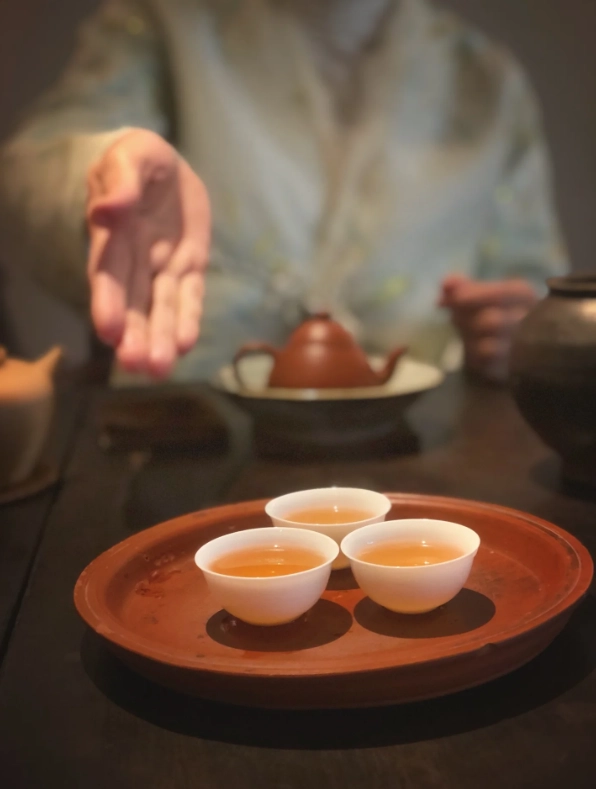
What Is a Chinese Tea Ceremony?
A Chinese tea ceremony (功夫茶 or 茶道) is a ritualized way of preparing and serving tea that emphasizes mindfulness, hospitality, and the appreciation of flavor. Unlike the more formal Japanese chado, Chinese ceremonies vary wildly by region — from the elaborate Gongfu tea ceremony popular in Fujian and Guangdong to the simple yet elegant Longjing tea brewing in Hangzhou.
The term "Chinese tea ceremony" can refer to several styles:
- Gongfu Cha (功夫茶) — "Kung Fu Tea" — uses small clay teapots and multiple short infusions. It's all about coaxing out layers of flavor from oolong or pu'er tea.
- Gaiwan brewing — A lidded bowl used for green or white teas, common in casual settings.
- Tea tasting — Often part of a tea market experience where you sample different leaves before buying.
Don't expect a silent, choreographed performance like in Japan. Chinese tea ceremonies are more social — chatting while sipping is perfectly normal.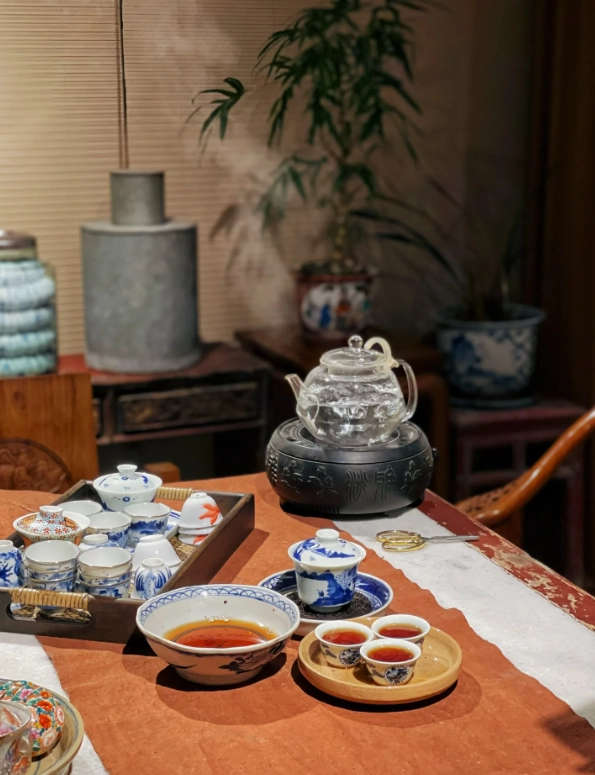
Why Bother? — The Real Reasons
Experiencing a Chinese tea ceremony isn't just about drinking tea; it's a window into Chinese hospitality, philosophy, and regional identity. Here's why it's worth your time:
- Connect with locals: Tea is the social lubricant of China. Sharing a pot with a host breaks down barriers faster than any guidebook.
- Understand taste: Chinese tea has incredible diversity — from smoky Lapsang Souchong to buttery Jin Jun Mei. A ceremony teaches you to appreciate those notes.
- Escape the tourist trail: Most ceremonies happen off the beaten path. You'll see a side of China most visitors miss.
I've seen travelers who booked a typical "tea house tour" leave disappointed because it felt rushed and commercial. The real magic happens when you sit with someone who genuinely loves tea.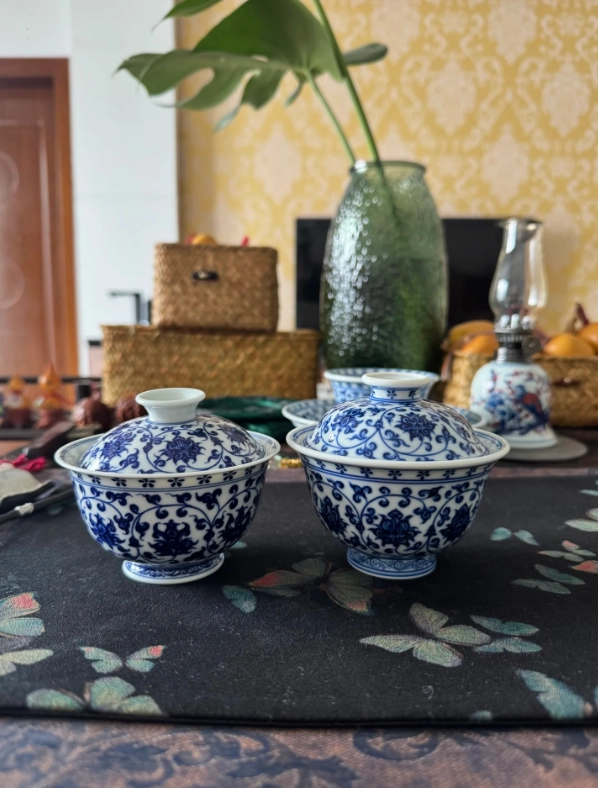
Where to Go: Top 3 Spots for an Authentic Chinese Tea Ceremony
1. Hangzhou — Longjing Tea Plantations
Hangzhou is the birthplace of Longjing (Dragon Well) tea, one of China's most famous green teas. The tea villages in the hills west of West Lake offer immersive experiences.
- Location: Longjing Village (龙井村), about 40 minutes by taxi from Hangzhou city center. Use Apple Maps or Gaode (Amap) to navigate to "Longjing Village". Avoid Google Maps — it shows wrong locations.
- Best time to go: Late March to early May (tea-picking season) or September–October for the autumn harvest.
- How to book: Many family-run farms don't have websites. Your best bet is to ask your hotel concierge to call ahead, or use Trip.com to book a half-day tour that includes a ceremony. Expect to pay ¥100–300 per person for a tasting session.
- Payment: Cash is still king in the villages. Alipay works but international credit cards rarely do. Bring enough cash.
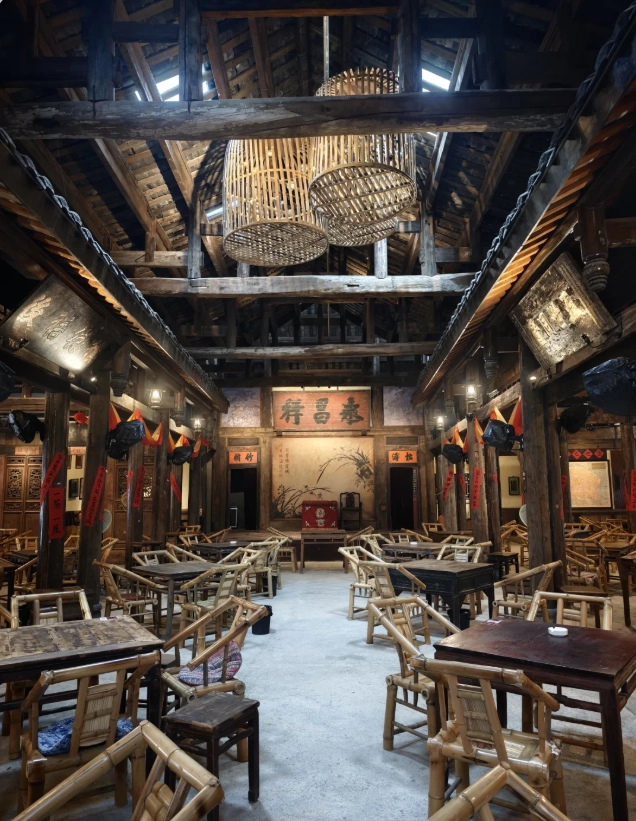
Pro Tip: The most famous temple "Longjing Temple" is touristy and expensive. Instead, walk 10 minutes further up the hill to Shifeng Mountain — locals go there, and the tea is better.
2. Fujian — Wuyi Mountain (Rock Tea)
Wuyi Mountain is the home of Yancha (岩茶), or rock tea, including the legendary Da Hong Pao. The tea ceremony here is deeply rooted in the rocky terrain.
- Location: Wuyishan National Park, about 1 hour flight from Shanghai or Xiamen. High-speed train to Wuyishan North Station works too.
- Experience: Many tea farmers offer tastings right inside their caves or cottages along the Nine-Bend River. You can book through the Wuyishan tourism website (English version available) or through Klook.
- Cost: ¥200–500 for a private session, including multiple infusions of different Yancha varieties.
- What to watch out for: Some agents sell "tasting" that is really a sales pitch. Ask before booking whether it's purely cultural or product-focused.
3. Yunnan — Kunming Tea Markets
Kunming is the gateway to Pu'er tea and the ancient tea horse road. The tea markets here are chaotic and wonderful.
- Location: Jinuo Tea Market (雄达茶城), about 15 minutes from Kunming city center. Ask your taxi driver to take you to "Xiongda Tea Market".
- How to experience: Walk into any small stall and ask for a "tasting" (品尝). Vendors will brew tea for you for free — it's standard practice. If you buy tea, the ceremony is complementary.
- Language: Few stall owners speak English. Use Baidu Translate (app) or bring a photo of the words "Can I taste this tea?" in Chinese.
- Payment: WeChat Pay or Alipay is expected. Cash is fine but less common.
How to Book as a Foreigner — Step by Step
Booking a Chinese tea ceremony without speaking Chinese used to be a nightmare. Now it's manageable with the right tools.
- Use English-friendly platforms: Trip.com and Klook both list tea ceremony experiences in major cities. Filter by reviews and check if the booking includes a real ceremony, not just a buffet-style tea tasting.
- Ask your hotel concierge: High-end hotels often have partnerships with local tea houses. They can call and reserve for you. Tip: ask for a "gongfu tea ceremony" (功夫茶) specifically.
- Try WeChat mini-programs: If you're tech-savvy, search for "Tea Ceremony" in WeChat mini-programs (switch to English interface). Many offer English booking options. But be warned — the UI can be confusing. If you get stuck, ask a younger Chinese friend to help.
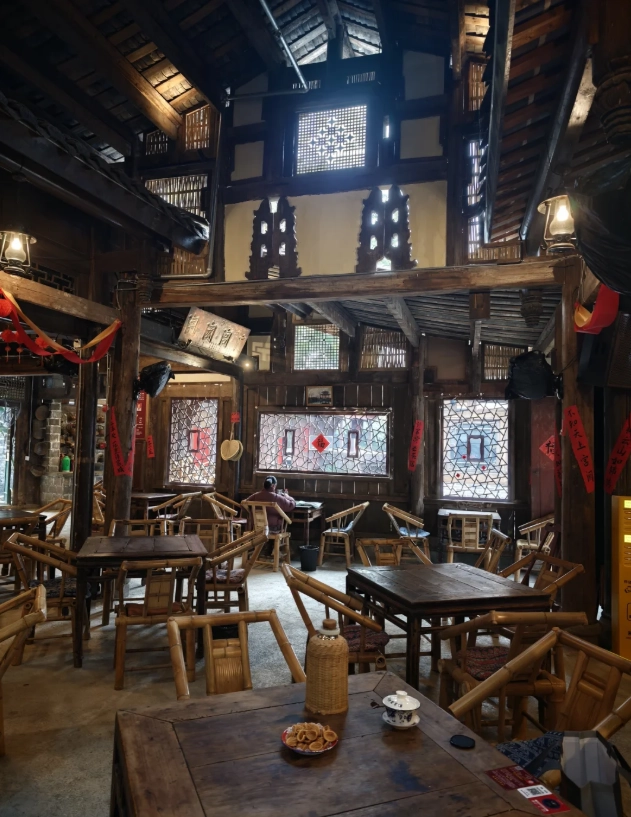
- Walk-in at a tea house: In major cities like Beijing, Shanghai, or Chengdu, there are tea houses that welcome drop-ins. Look for ones with English menus. Example: Tea Art Museum in Beijing (hourly ceremony for ¥150).
Etiquette: Do's and Don'ts (With Cheat Sheet)
Missteps can be awkward but locals will forgive you. However, following these guidelines will earn you respect.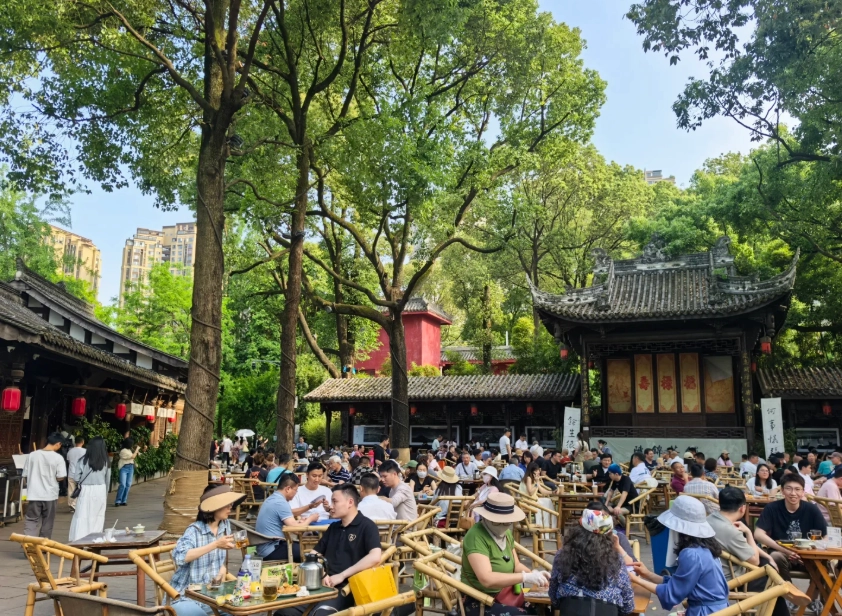
| Situation | Do | Don't |
|---|---|---|
| Receiving tea | Use both hands to hold the cup; lightly tap the table twice with your index finger (a silent thank-you). | Blow on the tea loudly — instead, sip slowly. |
| Pouring tea | Always fill other's cups before yours; pour until the cup is 2/3 full (full cup is rude). | Turn the teapot spout toward anyone. |
| During the ceremony | Smell the lid first, then appreciate the tea in small sips. | Gulp down the tea or ask for sugar/milk. |
| Conversation | Compliment the tea; ask about its origin. Enthusiastic participation is welcome. | Talk loudly on your phone. |
What Actually Happens During a Chinese Tea Ceremony
Here's a typical flow if you book a Gongfu ceremony — it might vary slightly but the core steps remain.
- Warming the teaware: The host heats the teapot and cups with hot water to remove any odor.
- Rinsing the tea leaves: A quick wash with hot water that's immediately discarded — this "awakens" the leaves.
- First infusion: Water is poured over the leaves, left for 10–30 seconds, then poured into a fairness pitcher. The host then distributes tea to everyone.
- Tasting: Sip slowly, roll the tea in your mouth, swallow. Notice the aftertaste (回甘). The host may ask for your impression.
- Multiple infusions: The same leaves are steeped again — each infusion reveals different flavors. Gongfu ceremonies often have 6–10 rounds.
Time commitment: A proper Gongfu ceremony takes at least 1 hour. Don't rush it.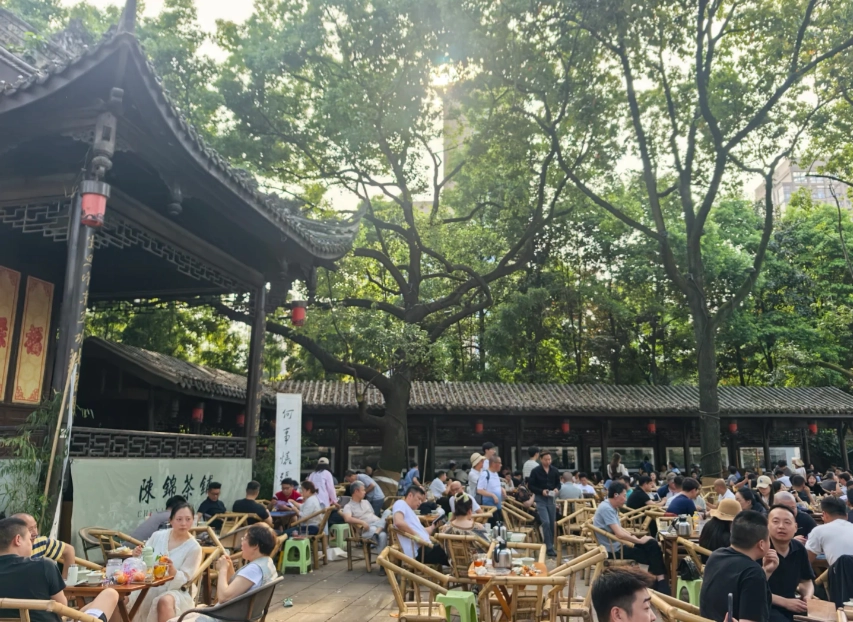
Common Mistakes That Even Seasoned Travelers Make
I've seen these errors repeatedly. Avoid them and your experience will be 10x better.
- Mistake #1: Booking a ceremony at a tourist trap near the Forbidden City. These are often ¥300+ and the tea is mediocre. Instead, go to a local tea market.
- Mistake #2: Using Google Maps to find tea houses. Google Maps in China is inaccurate and often shows closed or relocated businesses. Use Apple Maps (which uses Chinese data) or Gaode (Amap) with the English interface.
- Mistake #3: Expecting a quiet, zen-like atmosphere. Chinese tea ceremonies can be noisy and chatty — it's a social event. Embrace it.
- Mistake #4: Not bringing a power bank. You'll need your phone for translation and maps. China's battery-sharing stations (like ChargeSPOT) are everywhere but require Chinese app registration.
FAQ: Your Burning Questions Answered
Final Tips to Nail Your Chinese Tea Ceremony Experience
Take these last pieces of advice from someone who's been to over 50 ceremonies across China.
- Timing matters: Best time to go is mid-morning (10–11am) when tea houses are quiet and the host is relaxed. Avoid lunchtime and late afternoon.
- Bring a small gift: If you're visiting a private home, bring a small souvenir from your home country — it's a lovely icebreaker.
- Record the experience: Ask permission before taking photos or videos. Most hosts will allow it, but it's polite to ask first.
- Stay hydrated: Tea is a diuretic. Drink water between infusions to avoid a caffeine buzz.
- One last thing: Don't be afraid to ask questions. Chinese tea masters love sharing their knowledge. "Where does this tea come from?" is a great conversation starter.

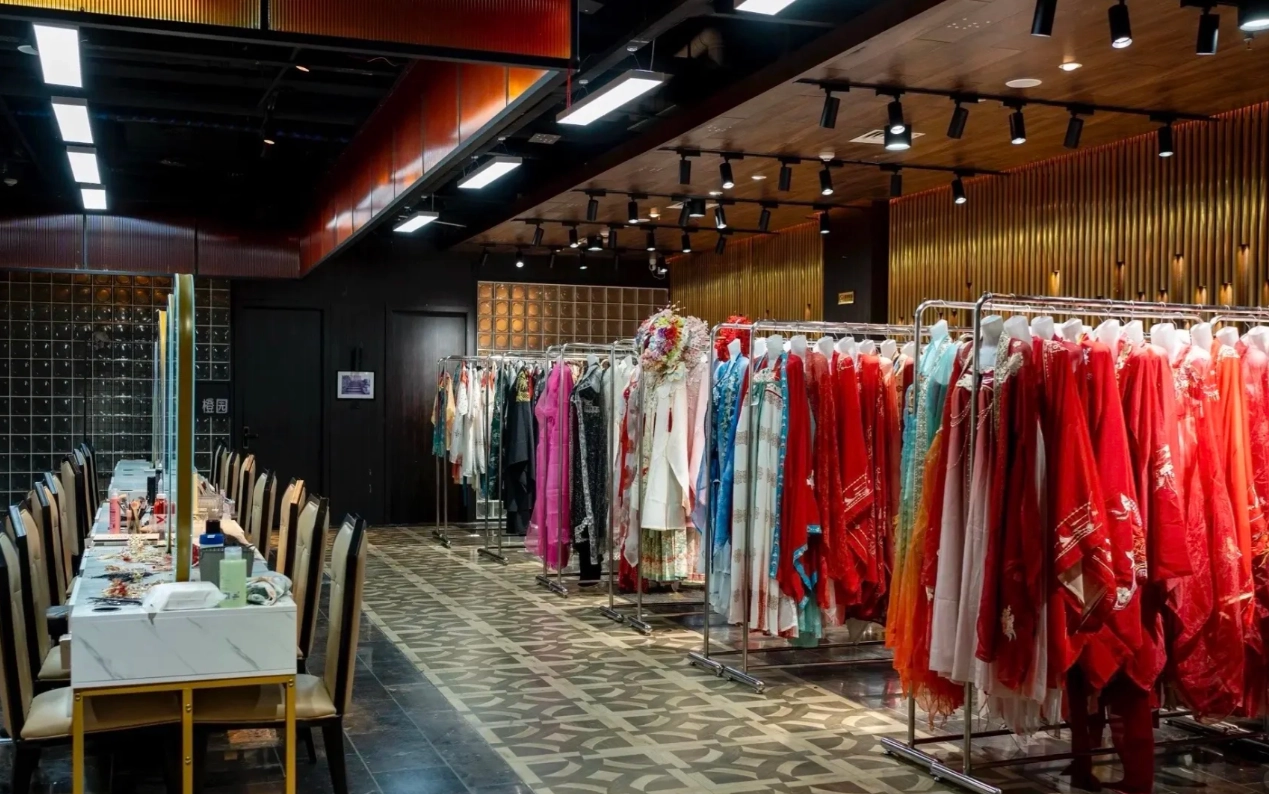
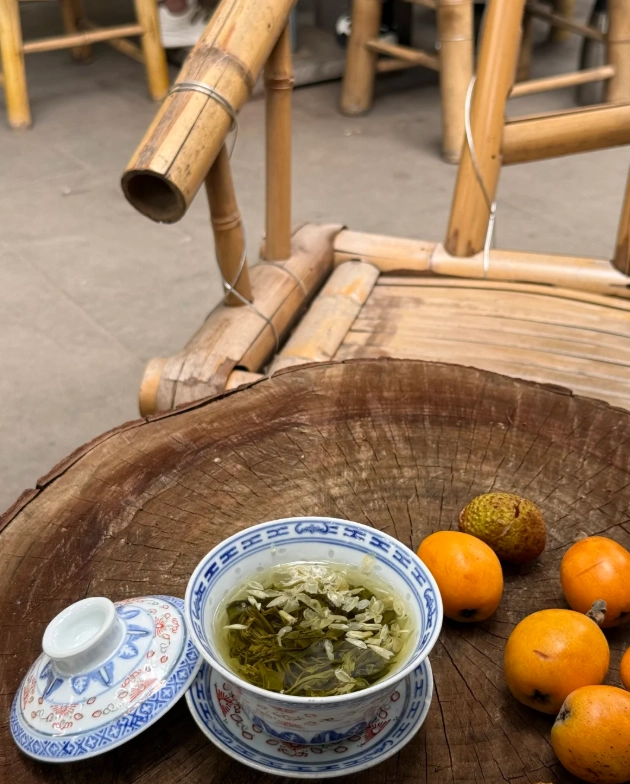





Booked this as a surprise for my wife and we both loved every minute. The ceremony felt authentic and unhurried, and the tea master’s stories about traveling through Fujian made it personal and fun. We even got to practice pouring the tea ourselves. The snacks paired perfectly with the teas too. If you want a calm, local-style experience away from the tourist crowds, this is it. Already recommended it to two friends going next month!
Such a peaceful and immersive experience. The room was minimally decorated with soft lighting and the gentle sound of water boiling in the background — instantly relaxing. I loved how the tea master explained the origin of each leaf and showed us the proper way to hold, smell, and sip. The last tea, a ripe pu-erh, tasted very different from anything I’ve had before. It’s not cheap, but for me the quiet focus and personal attention were absolutely worth it.
This was honestly the highlight of my trip! The host was so warm and passionate, and she walked us through every step of the ceremony with so much care. The aroma of the oolong as the hot water hit the leaves is something I’ll never forget. We tried four different teas and each one felt like its own little journey. I came in a stranger but left feeling like I actually understood tea culture a little better. Highly recommend booking this if you’re in the area!
Overall a solid experience. The setting is calm and beautiful, and the tea was delicious. Our host was friendly and clearly knew a lot about Chinese tea culture. My only complaint is that it felt a bit expensive for what it was — about 90 minutes with three teas and some snacks. Still, I left with a better appreciation and a small bag of tea to bring home.
I really wanted to love this because the concept is great, but I left a little underwhelmed. The tea master was knowledgeable, but our group felt rushed and we didn’t get to ask many questions. The tasting itself was good, but the experience felt more like a scripted demo than a genuine local gathering. If you’re new to tea it’s fine, but I expected a bit more depth for the price.
We booked this on a recommendation from our hotel, and it exceeded every expectation. The venue is tucked away down a narrow lane, easy to miss, but once we stepped inside it was like entering another world. Our instructor was funny, down-to-earth, and incredibly knowledgeable. The aged pu-erh was the best tea I have ever tasted. I came in stressed and tired, and left completely relaxed. Highly recommend to any traveler trying to understand tea culture.
As someone who drinks tea every single day, I was a little nervous this would feel too touristy, but it was completely authentic. We tried three rounds of tea, each with a different character and story. The host noticed I was more into floral notes and switched the third tea to a jasmine blend that absolutely blew me away. Small group, personal attention, and genuine passion. Worth every penny.
This was the highlight of my entire trip. Our tea master was so patient and warm, and she taught us how to brew oolong properly while telling stories about the tea leaves we were drinking. The space was a quiet little courtyard with soft music and incense, and I honestly lost track of time. If you want to slow down and feel like a local, book this. I left feeling peaceful and so happy.
Really enjoyed this! Our host was friendly and passionate, and the tea selection was impressive. We got to smell several teas and learn about the history of the ceramic pots. The only reason I am not giving 5 stars is that I wished we could have had a bit more hands-on practice with the pouring and brewing. Still, it was a calm and memorable experience, and the tea we shared was delicious.
It was a decent way to spend an hour, but I left a little disappointed. The tea master clearly knew a lot about tea, but the whole thing felt rushed and a bit scripted. We moved through the ceremony quickly and there wasn't much time to ask questions or really absorb what was happening. The tea itself was good, and the room was pretty, but I expected something more intimate and immersive.