 Ling Wu
Quick Navigation
I've been leading tours across China for over a decade, and I've lost count of how many times I've heard travelers say, “I wish I came here a month earlier!” Rice terraces are incredibly photogenic, but their beauty is fleeting—the water, the green shoots, the golden harvest—each phase lasts only a few weeks. Miss the window, and you'll stare at dry mud or half-harvested stubble. So let me save you from that disappointment. Here's exactly when to hit each iconic terrace, based on my own (sometimes costly) experience.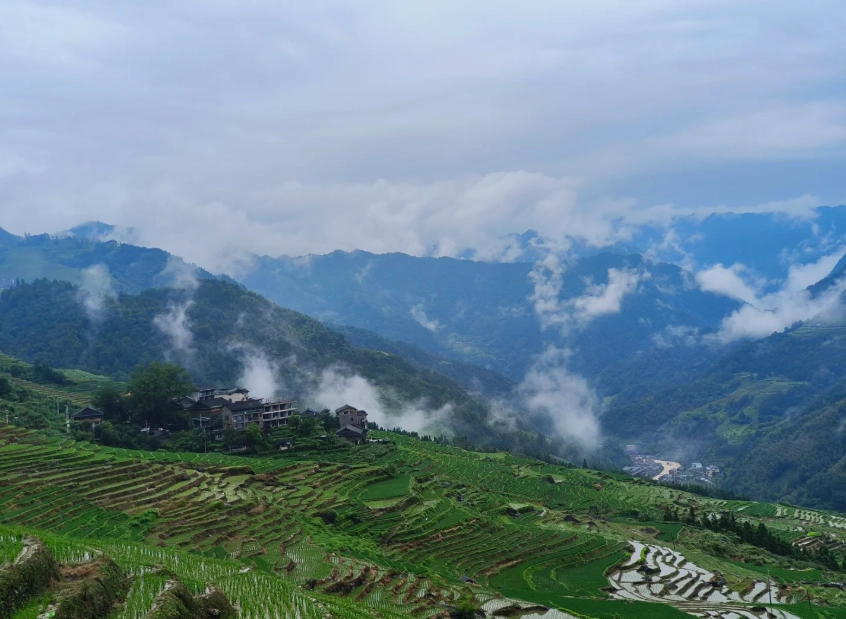
Why Bother with Rice Terraces?
Rice terraces are man-made marvels carved into mountainsides over centuries. They're not just farmland; they're living landscapes that change dramatically with the seasons. In spring, they're flooded with crystal water, mirroring the sky. In summer, they turn into a vibrant green carpet. Autumn brings golden waves before harvest. And winter? Yes, even winter can be stunning when mist wraps around the tiers. But the best time to visit China's rice terraces depends on what you want to see—and on avoiding the rain that can ruin your view.
Overall Best Time to Visit China Rice Terraces
Hands down, the sweet spot is late April to early June (for water reflections) and September to early October (for golden harvest). These windows straddle the transitional seasons: mild temperatures, less rainfall, and significantly fewer tourists than during Chinese national holidays (October 1–7, May Day). But here's the thing—each terrace has its own microclimate. I've been soaked in a downpour at Yuanyang in May while Longji stayed sunny.
Longji (Dragon's Backbone) Rice Terraces – Guangxi
Located about 2 hours from Guilin, Longji is the most accessible and popular. It consists of two main villages: Ping'an (older, more commercialized) and Dazhai (larger, quieter). The terraces are carved into the Longji mountains, with stunning views at sunrise.
Best Time for Water Reflections (Spring)
From mid-April to early June, the terraces are flooded and reflect the sky like giant mirrors. The water is usually let in around mid-May for rice planting, so mid-May to early June is ideal. I've seen photographers weeping with joy at the Jinkeng viewing platform around 6 AM. But be warned: mornings can be chilly (10–15°C) even in late May. Bring a fleece.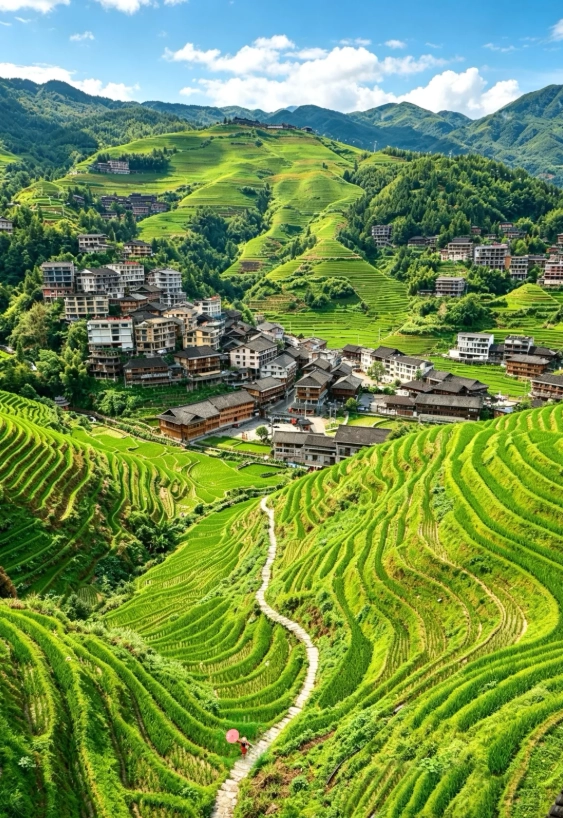
Best Time for Green (Summer)
July and August bring lush green rice shoots, but also heat and humidity. As a guide, I avoid leading groups here in July because you'll sweat buckets hiking up. However, the greenery is vibrant, and afternoon thunderstorms can clear the air, leaving dramatic clouds.
Best Time for Golden Harvest (Autumn)
The terraces turn golden from late September to mid-October, just before the harvest. This is my personal favorite—the hillsides look like molten gold. Harvest typically starts around October 10–20, so aim for the last week of September. But book accommodation early; it's a peak season for domestic tourists too.
| Season | Months | What to Expect | Pros/Cons |
|---|---|---|---|
| Spring (water reflections) | Apr–Jun | Cool mornings, dramatic reflections | Fewer crowds; chilly mornings |
| Summer (green) | Jul–Aug | Vibrant green, afternoon rain | Hot, humid; potential landslides on trails |
| Autumn (golden) | Sep–Oct | Golden terraces, clear skies | Peak domestic tourism; higher prices |
Ticket info: Longji charges 80 RMB per person (as of 2025). You need to show your passport – they'll scan it at the entrance. Payment: WeChat/Alipay preferred; cash is accepted but change may be problematic. Booking is not required in advance (just show up), but during holidays, it's wise to arrive before 10 AM to avoid the queue. Getting there: From Guilin, take a bus to Longji from the Guilin Bus Station (2h, ~50 RMB). Or hire a private car (around 400 RMB) – I recommend the bus unless you're in a group. Once at the parking lot, you'll need to take a shuttle (20 RMB) or hike 30 minutes to the village. I always tell my clients to wear hiking shoes; the steps are uneven and can be slippery.
Yuanyang (Hani) Rice Terraces – Yunnan
These are the postcard terraces, with endless layers reflected in a single frame. Located near Yuanyang County, about 6–7 hours south of Kunming. The altitude (1800m) means cooler weather year-round. The best time to visit Yuanyang rice terraces is from December to March, when the terraces are fully flooded and the sunrise is jaw-dropping.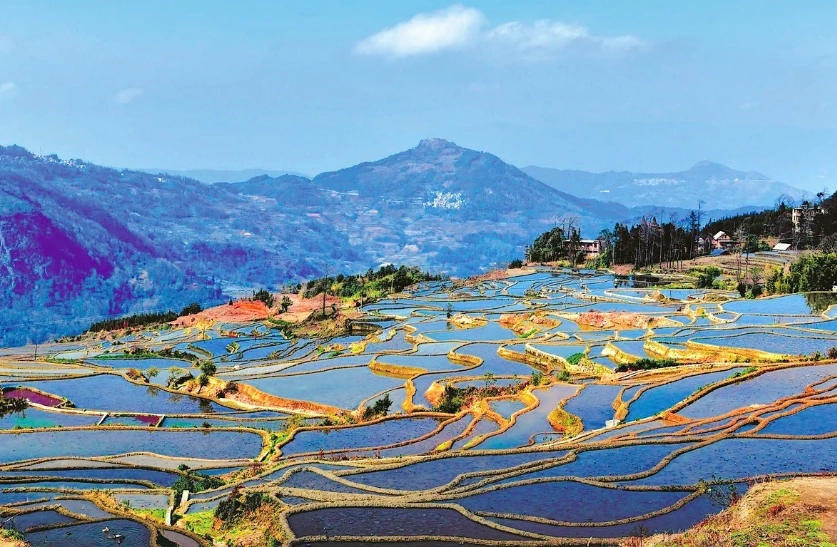
Why Winter is Best (Dec–Mar)
From late November to March, the water sits in the paddies before spring planting, and the angle of the sun creates incredible reflections. I've stood at Duoyishu viewing platform at 7 AM in February, watching the sky turn from pink to orange while the terraces mirrored every shade. The temperature ranges from 5–15°C, so pack thermal layers. Also, the region is prone to fog—especially in January. I've had mornings where the view was completely white. If that happens, wait until 10 AM; it usually burns off.
| Viewing Platform | Best Time of Day | Highlight |
|---|---|---|
| Duoyishu | Sunrise (6:30–7:30 am) | Iconic layered reflections |
| Bada (also known as Yi) | Sunset (5:30–6:30 pm) | Golden colors on the terraces |
| Laohuzui (Tiger Mouth) | Late afternoon | Steep terraces with dramatic shadows |
Ticket info: Yuanyang has a combined ticket for 70 RMB (valid for multiple days) covering all main platforms. Buy it at the ticket office near the entrance to the scenic area. You must have your passport. Payment: WeChat/Alipay or cash. Getting there: From Kunming, take a bus to Yuanyang (7h, 250 RMB) or fly to Jianshui and then bus (3h). The roads are winding—dramamine is a good idea. Once in Yuanyang, you can hire a local driver for the day (200–300 RMB) to shuttle between platforms. I always hire the same driver, Mr. Li, but you can find them at the bus station.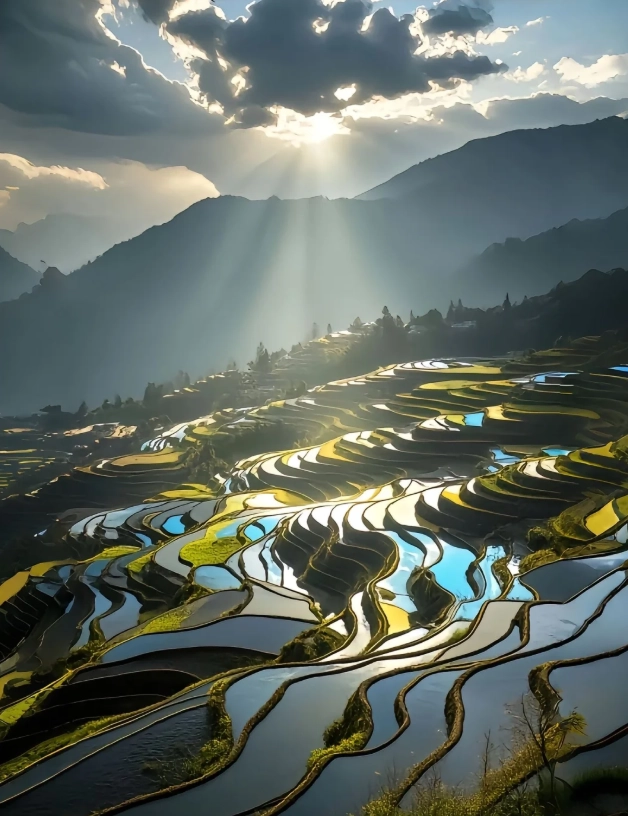
Other Terraces Worth Your Time
Beyond the big two, China has many other incredible terraces. Here are two that I personally love, though they require more effort to reach.
Jiangling & Huangling Terraces – Wuyuan, Jiangxi
Best time: late March to mid-April (rapeseed flowers in yellow) and late September to mid-October (harvest). Wuyuan is famous for its ancient villages and terraced fields filled with rapeseed flowers in spring. The contrast of yellow flowers against green terraces is mind-blowing. Tickets: 60 RMB for Jiangling, 100 RMB for Huangling (includes cable car). Getting there: take a bus from Wuyuan County to Jiangling (1h). I recommend staying overnight in a village to catch early morning mist.
Jiaju & Zhonglu Villages – Danba, Sichuan (not strictly rice, but barley terraces)
If you want an off-the-beaten-path experience, the Tibetan-style terraces around Danba are spectacular from May to June (green) and October to November (golden). The Jiaju Tibetan Village is a UNESCO World Heritage site. Getting there is tricky—from Chengdu, take a bus to Kangding, then another to Danba (total 10h). But the views are worth it. I guided a small group there two years ago, and we had the whole valley to ourselves.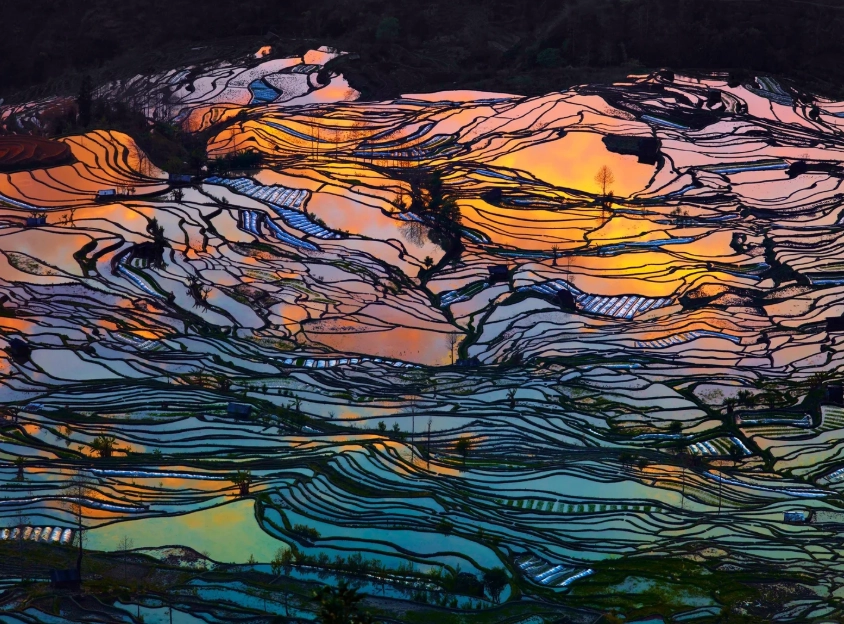
Photography Tips for Rice Terraces
You don't need a fancy camera—my iPhone 14 Pro takes stunning shots—but timing and technique matter. Here's what I've learned from hundreds of photo stops:
- Shoot during the golden hour (sunrise and sunset). Midday light is harsh and flattens the layers.
- Use a polarizing filter to reduce glare on water and boost color saturation.
- Include a person (farmer with a hat) for scale. The terraces are huge, and a human figure adds context.
- Check wind conditions—reflections are best when the water is still. Early mornings are usually calm.
- Bring extra batteries and memory cards. You'll take hundreds of shots.
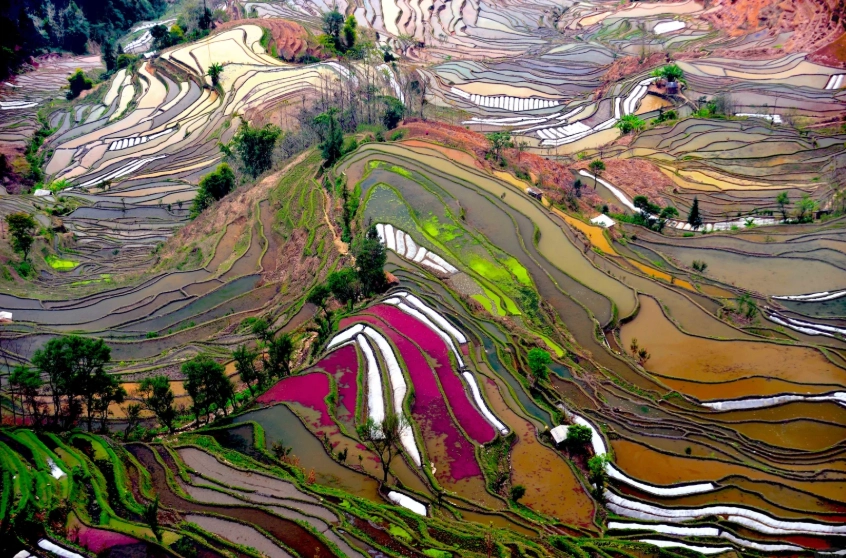





I came in late July because everyone said the terraces would be green, but honestly I didn’t feel the magic. The rain made the paths slippery and muddy, and when we got to the main observation deck, it was packed with tour groups taking selfies. The terraces themselves were pretty, but just so much smaller and less impressive than I’d imagined from the photos. Maybe I got unlucky with the weather and picked the wrong season – I think you really need to come either in spring when they’re flooded or in autumn when they’re golden. If I’d done more research, I’d have chosen a different time.
Beautiful scenery and impressive to see in person. We visited in late September, so we caught the golden rice and harvest atmosphere. The main issue was how developed the place has become – endless souvenir stalls, constant offers from women trying to sell you things, and a long queue for the shuttle bus. The views from the more famous spots are stunning, but I preferred the quieter viewpoints around Dazhai. If you’re expecting a peaceful mountain hike, you’ll need to walk away from the crowds. Still a solid 4 and worth the journey.
This place is pure magic. I almost didn’t go because I thought it would be touristy, but booking a rustic room right in the terraces changed everything. I woke up early and walked the paths between the rice paddies as the fog lifted. The air smelled fresh and earthy, and the farmers were already out working. Later in the day the crowds arrived at the big viewpoints, but if you wander even a little, you escape them completely. Late September was perfect – the rice was turning gold and the weather was mild. Honestly the best few days of my trip.
I’m a photographer, so I planned my trip around the flooded rice terraces in April. The views at Duoyishu Village in Yuanyang were unreal – at dawn the terraces became giant mirrors reflecting the changing sky, and then a sea of clouds rolled in below the ridges. Yes, it was cold and I had to wait almost two hours, but when the light hit, it was completely worth it. A local lady from the guesthouse walked me to a hidden spot away from the main platform, and I had the whole scene to myself. This is one of those places that makes you just stop and breathe.
Went to Longji Rice Terraces in mid-October after seeing photos online, and it honestly exceeded every expectation. We stayed in Ping'an village the night before, then hiked up to the Number One viewpoint before sunrise. The whole valley was covered in golden rice, no tour buses yet, just the sound of roosters and wind. After the sun came up, the mountains looked like they were glowing. I’ve been to a lot of scenic spots in China, but this one felt the most magical. If you’re going, do the overnight stay and go early - you’ll have the place almost to yourself.