 Ling Wu
📌 Quick Jump
Ever stepped onto a Macau bus and realized you have no idea where you're going? I've been there. Literally. My first time I hopped on route 26A thinking it would take me to the Ruins of St. Paul's — ended up near the border gate. Embarrassing.
This Macau bus guide is born from my own confusion and countless trips helping tourists navigate Macau's public transport system. The biggest pain point? No Google Maps accuracy here — drivers rarely speak English, and stops are announced in Cantonese and Portuguese. But once you get the hang of it, buses are your cheapest, most authentic way to explore the city.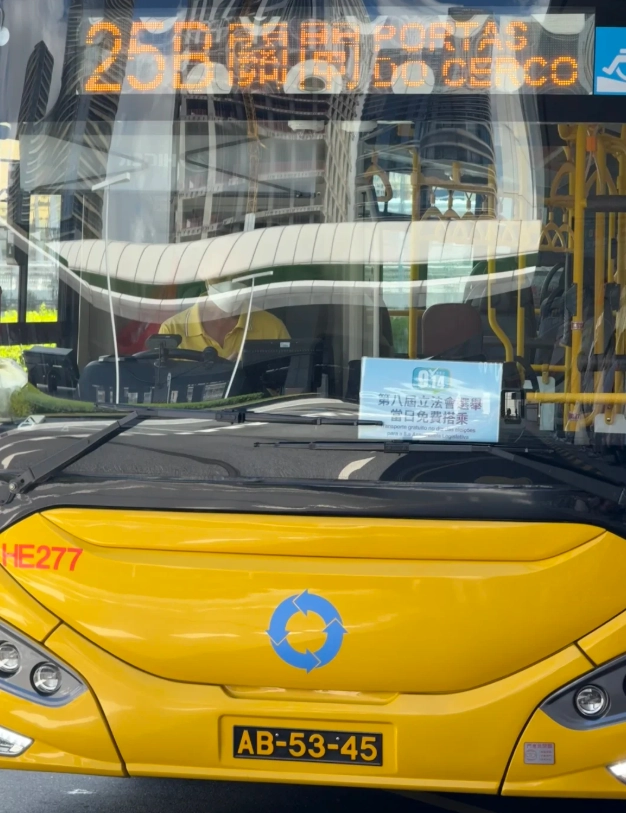
👉 Golden rule: Always carry exact change (MOP 6) or get a Macau Pass card. Forget about credit cards on buses — they don't work. And please, don't rely on Google Maps for real-time bus info — it's often outdated.
Why Bother with Macau Buses?
Macau is compact, but distances between major attractions — like the Historic Centre, Taipa Village, and the Cotai Strip — can be deceptive. Taxis are expensive (and sometimes hard to flag during peak hours). Shuttle buses from casinos are free but only serve casino areas. Public buses? They cover every corner, cost only MOP 6 per ride (about USD 0.75), and run from 6:00 AM to midnight, with some night routes.
Honestly, I've saved hundreds of dollars over the years just by using buses. And it's a great way to see local life — school kids, grandmas carrying groceries, everyone jams together. You'll feel less like a tourist.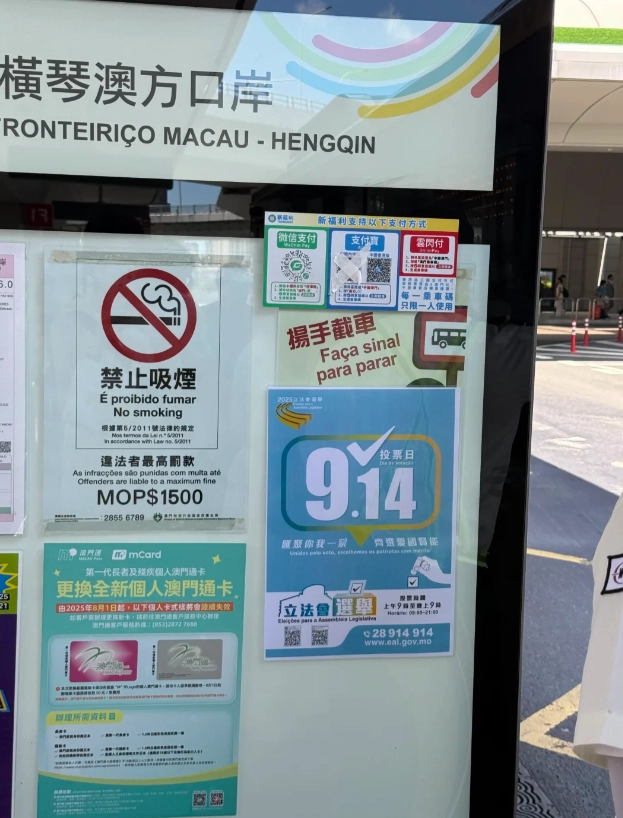
Getting Started: Payment & Cards
Cash vs. Macau Pass
Every bus accepts coins (MOP 1, 2, 5, 10) and MOP 10 notes. But drivers don't give change — so you need exact fare. I always carry a small coin pouch. A better option: buy a Macau Pass (similar to Hong Kong's Octopus). You can get one at any 7-Eleven or convenience store for MOP 30 (non-refundable deposit plus stored value).
| Payment Method | Fare | Notes |
|---|---|---|
| Cash (exact coins/notes) | MOP 6 per ride | No change given; must have exact amount |
| Macau Pass (card) | MOP 3 (half price!) | Tap on reader; same for transfers within 45 min |
| Alipay/WeChat Pay | MOP 6 (but only for mainland Chinese accounts) | Foreign Alipay usually not accepted on buses |
| Credit/Debit Card | Not accepted | Even contactless cards don't work |
My tip: Get a Macau Pass as soon as you arrive. You can also use it at convenience stores, some restaurants, and even ferries. Topping up is easy — at any OK便利店 or 7-Eleven, just say “add value” and hand over cash. The pass itself has no expiry.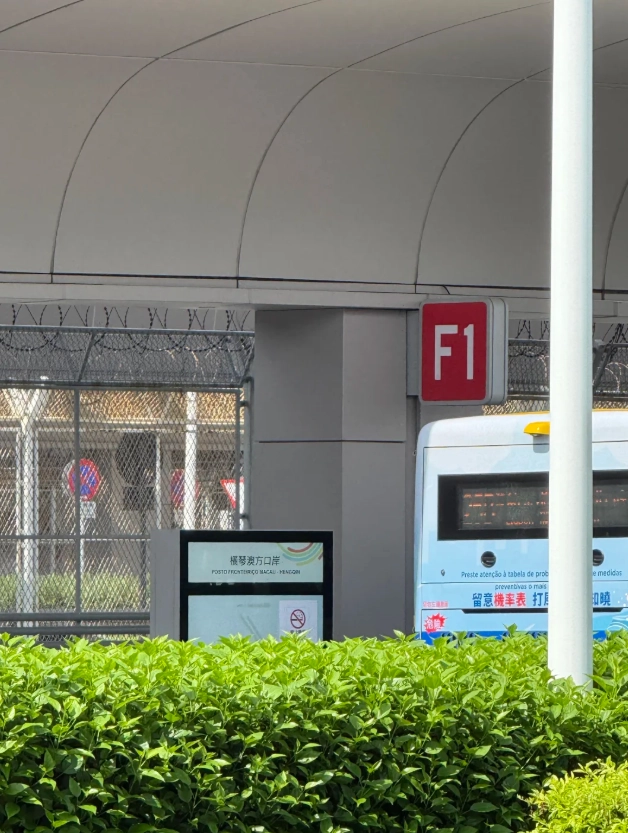
Where to Buy Macau Pass
Head to a 7-Eleven at the airport, ferry terminal, or any busy street. You'll need to pay cash — no international cards accepted for purchase (another pain point, I know). If you have a friend with a local Alipay, they can help, but simplest is cash.
Key Bus Routes for Tourists
Macau's bus system has about 80 routes, but you only need a handful. Here are the ones I use most when guiding friends:
| Route | Main Stops | Frequency | Typical Ride Time |
|---|---|---|---|
| 3 | Barra (Macau Tower) → Senado Square → Border Gate | Every 5-8 min | 30 min end to end |
| 21A | Barra → Taipa Village → Coloane Town | Every 10-12 min | 45 min |
| 26A | Barra → Taipa (casino area) → Hac Sa Beach | Every 8-10 min | 50 min |
| MT1/MT2 | Taipa Ferry Terminal → Cotai Strip (Venetian, City of Dreams) | Every 6-10 min | 15 min |
| 101X | Border Gate → Barrier Gate → Lotus Bridge (Hengqin) | Every 15 min | 20 min |
Route 3 is your best friend for historic Macau. It passes right by Senado Square (a 2-minute walk from Ruins of St. Paul's). Route 21A connects the old town to the more laid-back Coloane island — great for a beach afternoon.
Pro tip: Buses to Cotai (the glitzy casino strip) are usually less crowded in the morning (before 11 AM). After 6 PM, expect standing room only.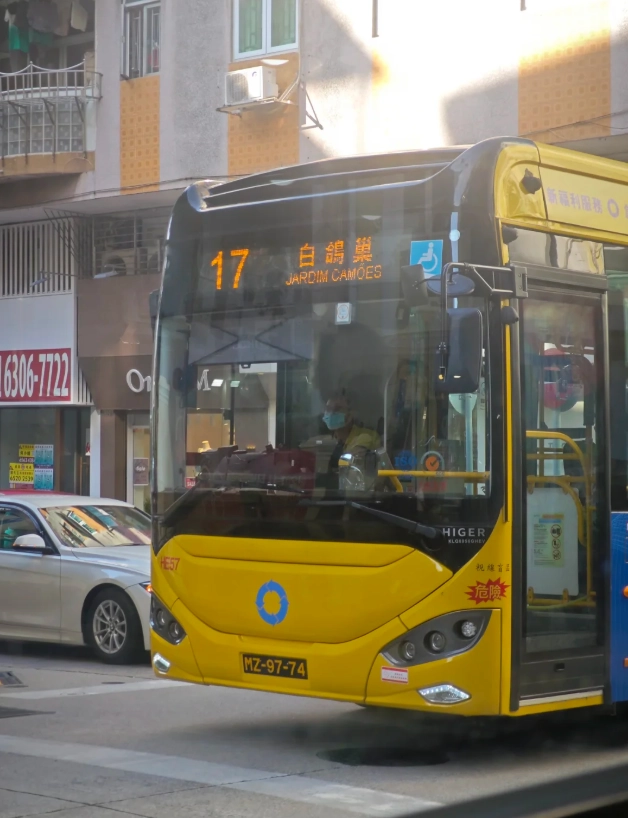
Navigation Tools That Actually Work
Google Maps is a mess here. It shows bus routes but often has wrong stop locations or missing real-time updates. What I personally use:
- Apple Maps — surprisingly good for walking directions and bus info. It uses local data from Macau's transport bureau and updates regularly. Not perfect, but reliable enough.
- Moovit — an app that specializes in public transit. It has Macau data, shows live bus positions (when available), and you can search by stop name or landmark. It's free and has English interface.
- Macau Buses Official App — called “Macau Bus” (developed by DSAT). It's in Chinese only, but you can search by route number and see the bus's current location on a map. I keep it open in the background.
⚠️ Important: Once you open any navigation app, make sure you have a VPN (if you're from countries where Google is blocked). Also download offline maps — bus coverage is spotty in tunnels.
Reading Bus Stops
Each bus stop has a sign with the stop name in Chinese and Portuguese, plus the route numbers that stop there. Stops are announced in Cantonese first, then Portuguese, and sometimes a whispered English version. I never understand the English — it's heavily accented. My trick: watch the bus's digital display (if it has one) or follow the route on Apple Maps. I also count stops from a major landmark.
If you're unsure, sit near the driver and show them the name of your destination in Chinese. I always carry a card with key places written in Chinese (like 大三巴 for Ruins of St. Paul's, 威尼斯人 for The Venetian). Drivers are usually friendly and will wave you when it's your stop.
Common Tourist Mistakes (And How to Avoid)
I've seen so many tourists make the same errors. Let me save you the headache:
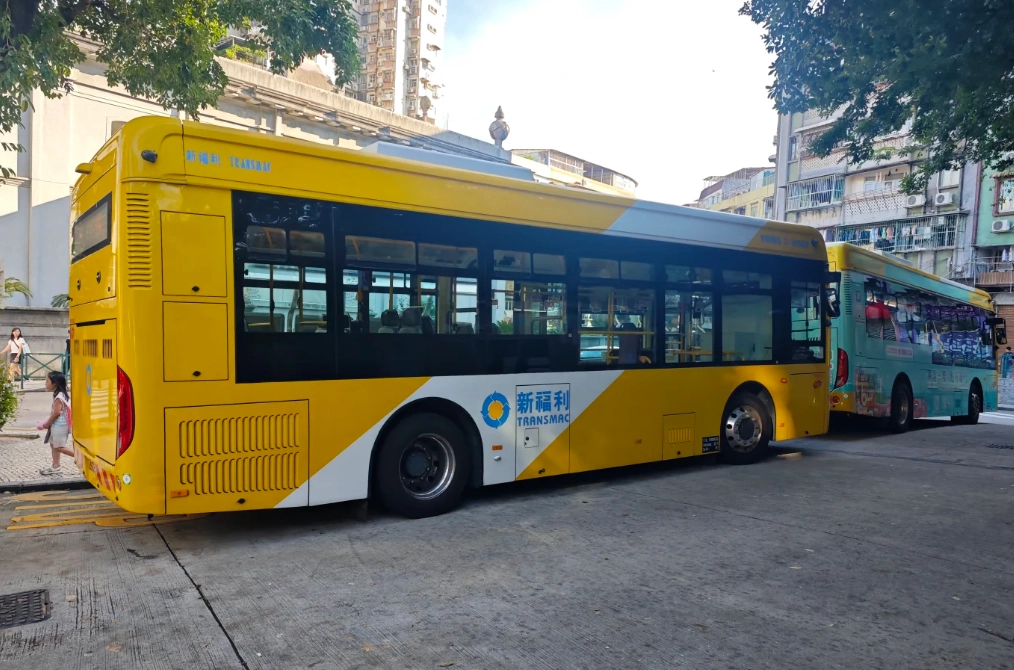
- Boarding at the wrong door: In Macau, you usually enter through the front door and exit through the back. On single-door buses (smaller ones), you just use the same door. But on articulated buses, it's strictly front-in, back-out. I once saw a lady try to board through the back door — driver refused to move until she got off.
- Not pressing the stop button: Buses don't automatically stop at every station. You must press the red button or strip near the doors before your stop. If you miss it, the bus just keeps going. I always press it one stop early — just in case.
- Using the wrong currency: Macau uses Macanese Pataca (MOP), but Hong Kong Dollars (HKD) are widely accepted at 1:1 at casinos and shops. On buses, however, only MOP coins or Macau Pass work. Don't try to pay with HKD — drivers will refuse (and they can't change).
- Thinking bus stops are clearly marked: They are, sort of — but many stops are just a pole with a sign. In heavy rain or crowds, it's easy to miss. I memorize a landmark near my stop (like “the Watsons pharmacy”).
- Ignoring night routes: Regular buses stop around midnight. If you're out late at the casinos, look for “N” routes (e.g., N3). They run all night but are less frequent (every 20-30 min). And the fare is the same — MOP 6 cash or MOP 3 with Macau Pass.
One more thing — bus drivers in Macau are not shy about honking and driving aggressively. It's normal. Don't panic. Just hold on tight.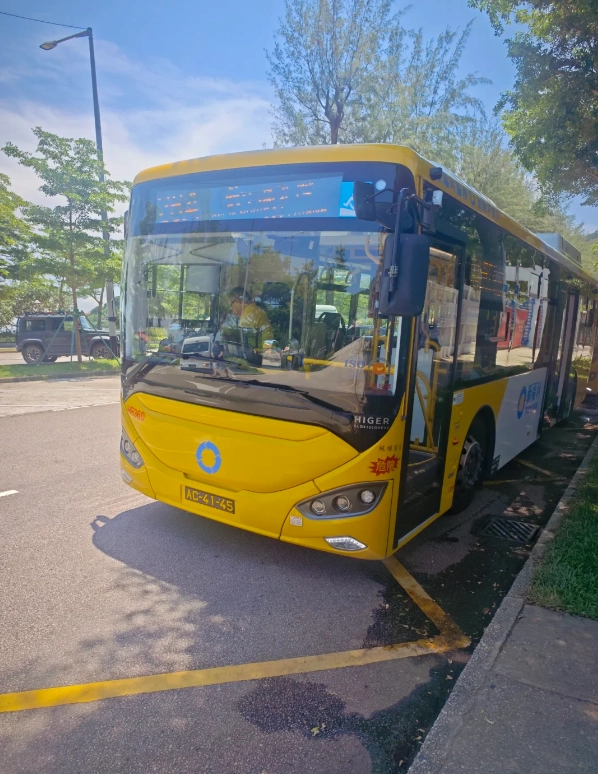
FAQs
Verified and fact-checked by the editorial team.






As a budget traveler who doesn’t speak a word of Cantonese, this article was a total lifesaver. The tip to keep the Chinese characters of your destination on your phone screen made everything click—my bus driver actually waved me over when my route pulled up. I saved so much time and stress compared to trying to hail taxis or figure out the casino shuttles. This is the only refresher you need before getting on a Macau bus. 10/10.
I almost skipped this because I usually hate tourist blogs, but this one is spot on. The section about walking over from the border and using the free casino shuttle to get closer to the old town is genius. I grabbed a coffee at the lobby of a hotel, then took a regular bus to Coloane for my egg tart run. No stress, no overpaying, and I felt like a local the whole time. Highly recommend if you want to explore Macau without blowing your budget.
This guide is an absolute gem. I followed the tip about catching the bus just outside the barrier gate instead of the crowded terminal stop, and I saved a solid 40 minutes. The instructions were clear enough that I felt confident getting around without speaking any Cantonese. I actually used the bus twice in one day and spent less on transport than a single taxi ride. If you’re visiting Macau, do yourself a favor and read this before you arrive.
Pretty solid guide overall. The tip about using the Macau Pass mobile app was a lifesaver—tapping onto the bus with my phone was so much smoother than digging for coins. The only reason I’m not giving it a full 5 is that it doesn’t list the exact fare for every route, so I had to open a separate website to check the 21A. Still, this guide helped me get from the ferry terminal to A-Ma Temple quickly and without a crazy taxi fare. Worth a read if you are visiting Macau for the first time.
I really wanted to like this Macau bus guide, and there are a couple of decent money-saving tips buried in here. But I found the route descriptions confusing, especially around the Largo do Senado stop. The part about avoiding taxis is true, but I got lost trying to find the right bus outside the terminal because it didn’t explain which exit to use. Maybe it reads better on a phone, but on my laptop it just felt incomplete. Still, I did save a few dollars by taking the bus instead of a taxi, so it wasn’t a total waste.