 Tao Xu
What's Inside? Quick Jumps
First time in Haikou? Let me save you the headaches I had with my first group. I've been guiding travelers here for years, and the biggest mistake people make is arriving with a stack of cash and expecting to just hop in a taxi. That plan? It'll melt under the Hainan sun within an hour. Here's the real deal: to travel to Haikou smoothly, you need digital payment, a VPN, and a willingness to ditch the printed map.
This guide isn't a generic list. It's built from dozens of trips, missed buses, sweaty queues, and those moments when a local shopkeeper saved me with a nod and a gesture. Ready? Let's dive in.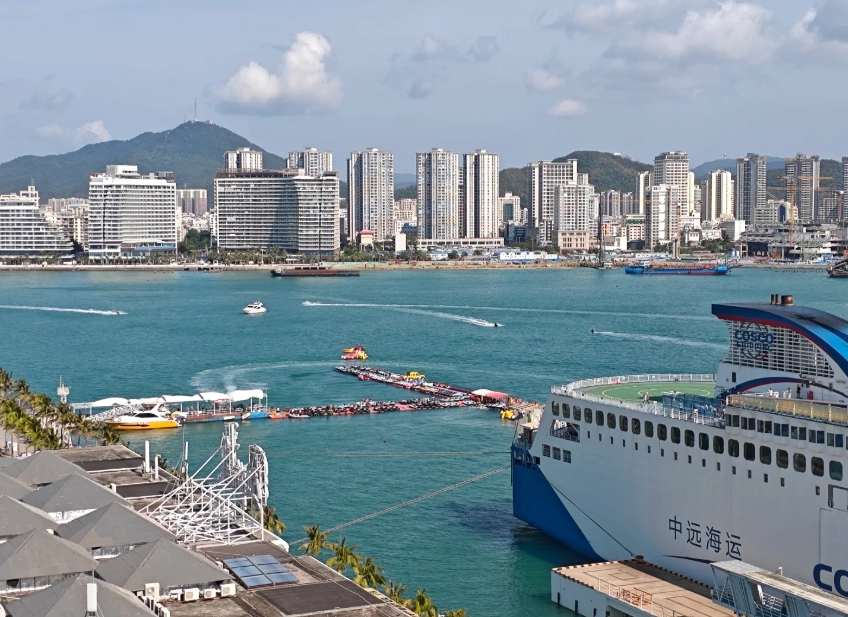
Getting to Haikou: By Air, Train, or Ferry
By Air: Haikou Meilan International Airport (HAK)
Most international visitors fly into Haikou. The airport is about 25 km east of the city center. After landing, don't rush to the taxi line unless you have Alipay or WeChat Pay ready — taxis here rarely accept international credit cards. Instead, grab a Didi (Chinese Uber) on your phone. The app works with international cards via Alipay, or you can ask a hotel concierge to call one.
By Train: High-Speed Rail from Mainland China
The train station in Haikou (Haikou East Railway Station) connects to cities like Guangzhou, Shenzhen, and even Beijing (yes, overnight sleeper). The bridge crossing the Qiongzhou Strait is a sight — but the train actually boards a ferry! It's wild. Tickets can be booked via Trip.com (English-friendly) or the official 12306 app (Chinese only, so skip that).
By Ferry: From Guangdong Province
If you're adventurous, ferries run from Zhanjiang (Port of Hai'an) to Haikou's Xiuying Port. It's cheap but slow (about 1.5-2 hours). I'd only recommend this if you have time to kill and enjoy sea air. Bring motion sickness pills — the strait can get choppy.
| Transport Mode | Time (from Guangzhou) | Cost (approx.) | Best For |
|---|---|---|---|
| Flight | 1.5 hours | $60-150 | Speed and convenience |
| High-speed train | 3-4 hours | $40-70 | Scenic route and reliability |
| Ferry + bus | 6-8 hours | $15-25 | Budget travelers (but tiring) |
Best Time to Visit Haikou: When to Go and When to Run
Haikou has a tropical monsoon climate. That means hot and humid year-round, with a rainy season from May to October. The sweet spot? November to March. Temperatures hover around 20-25°C (68-77°F), and humidity drops. I once dragged a group here in August — big mistake. Sweat pouring, everyone grumpy, and we spent more time inside shopping malls than at the beach.
Getting Around Haikou: Buses, Didi, and E-bikes
Didi (Ride-Hailing)
This is your best friend. Download the DiDi app (it's in English now, or you can use the mini-program in Alipay). Select your destination — I always use the Chinese name because Google Maps is useless here. Show the driver the screen if needed. Pay through Alipay. Simple.
Public Buses
Cheap (1-2 yuan) but confusing for non-Chinese speakers. However, buses 37, 41, and 43 connect the railway station to downtown. I'd only use them if you have a Chinese friend along. Otherwise, stick to Didi.
E-bike Rentals (Hello Bike / Meituan)
You'll see loads of blue and yellow shared e-bikes. Scan the QR code with Alipay, and you're off. Great for short distances, but wear a helmet (though locals rarely do). One caveat: parking spots are picky — you must park in designated areas or get fined. I've seen tourists accidentally leave them in no-parking zones and get charged 20 yuan.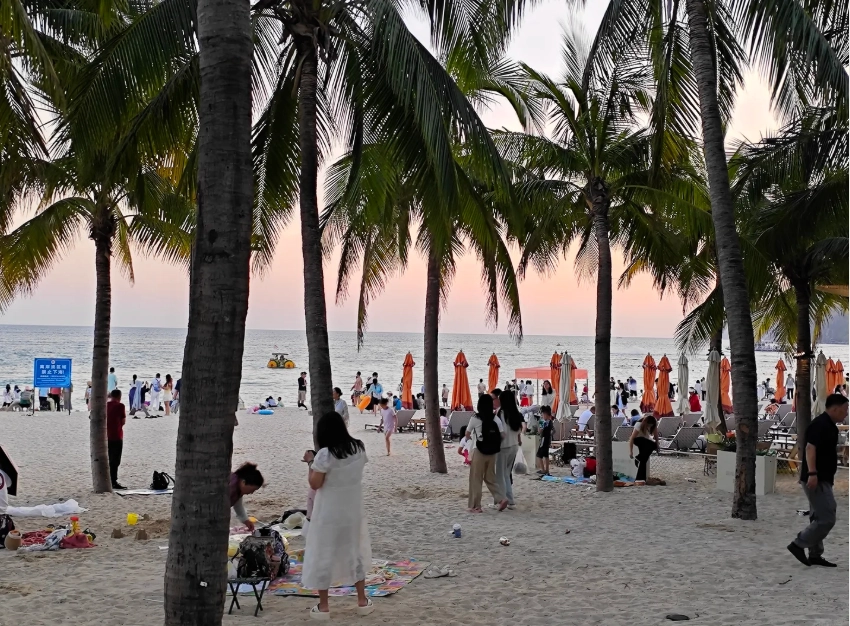
Must-See Attractions in Haikou (With Insider Details)
Holiday Beach (假日海滩)
Address: 滨海大道, Haikou. Free entry. This is the iconic beach, but it's crowded on weekends. Go early (before 9 am) or late (after 4 pm) to avoid the heat and people. There's a long promenade for walking. Umbrella rental costs about 30 yuan. No lifeguards after 6 pm, so be careful.
Volcanic Cluster Geopark (雷琼海口火山群世界地质公园)
Address: 秀英区石山镇. Ticket: 60 yuan (adults). Must pre-book on Trip.com. It's about 20 km southwest of the city. Take Didi (30 min, 40 yuan). The park showcases ancient volcanic cones and lava tunnels. Wear comfortable shoes — there are stairs to the crater. And bring water because there's almost no shade at the top. I had a guest faint once from heat — not fun.
Qilou Old Street (骑楼老街)
Address: 博爱路. Free to walk. This is where Haikou's colonial history lives. The arcaded buildings are photogenic, but the real charm is in the tiny shops selling local snacks and dried seafood. Try the mango with chili powder from a street vendor — weird but addictive. Bargaining is expected.
Haikou Clock Tower
Address: 长堤路与博爱路交叉口. Just a spot for a quick photo. Best shot at sunset from the other side of the river. Not worth a special trip, but it's on the way to Qilou.
| Attraction | Entrance Fee | Reservation Needed? | Suggested Time |
|---|---|---|---|
| Holiday Beach | Free | No | 2-3 hours |
| Volcanic Cluster Geopark | 60 yuan | Yes (Trip.com) | 3-4 hours |
| Qilou Old Street | Free | No | 1-2 hours |
| Haikou Clock Tower | Free | No | 15 min |
Where to Eat in Haikou: Skip the Tourist Traps
Here's the honest truth: the area near Qilou Old Street is full of overpriced restaurants targeting tourists. Walk 10 minutes into the side streets. I always take my groups to Dongmen Market (东门市场) — it's a wet market but the surrounding food stalls have the freshest seafood. Order a bowl of Wenchang chicken rice (文昌鸡饭) — tender, oily, perfect. No English menus here, so just point and smile.
Another gem: Boat-shaped Noodles (船形粉) at a tiny shop called Lao Cheng (老陈) on Jiefang West Road. It's a Hainan specialty — rice noodles in a rich broth with pork liver and peanuts. Cost: 12 yuan. Cash only.
Where to Stay in Haikou: Best Areas for Tourists
Haikou Bay Area (Holiday Beach vicinity)
Best for beach lovers. The hotels here are resorts with pools and sea views. Marriott Haikou (滨海大道) is reliable, about $80-120/night. Free Wi-Fi, English-speaking staff at front desk.
Downtown (Guomao Area)
Best for foodies and nightlife. Niccolo Haikou Hotel is fancy but worth it for the rooftop bar. Cheaper option: Ibis Styles Haikou — clean, basic, $30/night. Ask for a room facing the courtyard (quieter).
If you're on a tight budget, hostels like Haikou International Youth Hostel (人民公园附近) offer beds for $10. But book ahead — they fill up fast during Chinese holidays.
Money & Payment Tips: Surviving Without Cash
As I said earlier, Alipay is king. Set it up before you arrive. Link your foreign card, add a top-up if needed. Most street vendors use QR codes; even the guy selling coconuts has one. I've seen tourists stuck because their card was declined — avoid that misery.
ATMs are everywhere (Bank of China, ICBC). They accept Visa/Mastercard for cash withdrawals, but the atm might charge a fee. Keep about 200 yuan in small bills for emergencies (like the boat-shaped noodle shop that only takes cash).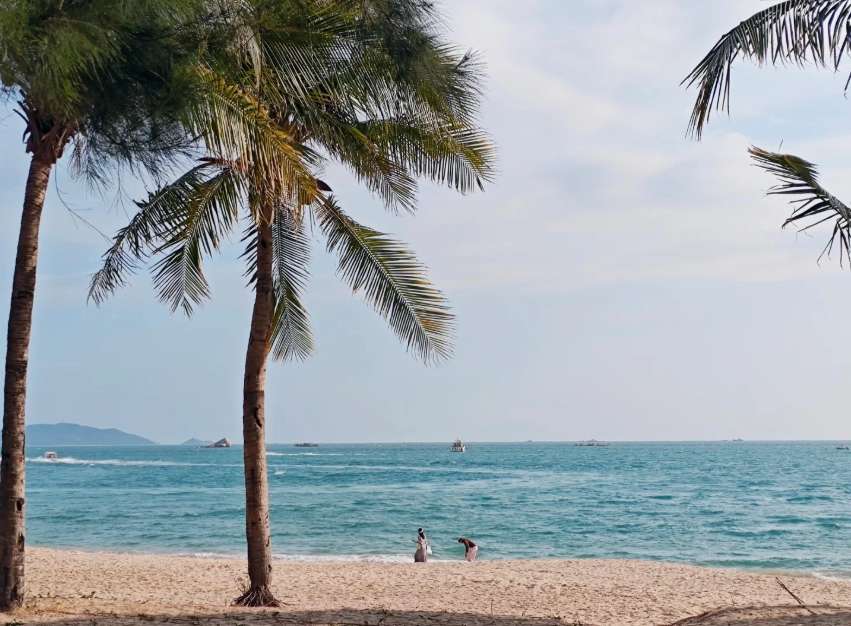
Frequently Asked Questions
Verified and fact-checked by the editorial team. Details reflect current practices as of the latest update.






I read this on the ferry over to Haikou and it saved my trip. The 'eat where the locals queue before 11am' tip led me to a tiny noodle shop I would’ve walked straight past, and the reminder to check the local weather app for sudden rain before hiking near Qiushui Fountain really paid off. I love how the writer focuses on real neighbourhoods instead of just listing sightseeing buses. Straightforward, practical, and genuinely fun to read. 5 stars.
As someone who grew up on Hainan, I’m picky about travel guides, but this one nails it. It doesn’t just say 'avoid weekends' — it tells you exactly when the Qilou crowds thin out and which shady side of Renmin Park to take. The advice about renting a bike before 9am? Honestly, I’d never thought of that and I’ve lived here for years. My early morning ride along the port was gorgeous. Highly recommend to anyone visiting in summer.
This article completely changed how I planned my Haikou stopover. The 'sleep late, explore at 6am' trick worked magic — I had Baishamen Beach almost to myself, and the sea breeze made the 33°C actually bearable. I also tried the recommended old city walking route and it felt authentic, not touristy. Best 10 minutes I spent before my trip. If you're coming in summer, read this first.
Solid read for avoiding Haikou’s midday heat. I loved the suggestion to visit Qilou after sunset — the old arcades looked beautiful in the orange light and there was finally some breeze. Only wish they had included more specific food stalls near the ferry terminal, because that’s where I landed and I had to guess. Still, the crowd-timing advice saved me from walking into a mess on Binhai Path during rush hour. Worth a look before you go.
I wanted to like this guide, but after following the 'secret morning market' tip I still ended up in a sweaty mob. The advice to rent a scooter and head north is okay, but there’s no mention of bike lane closures or how strict parking rules are in Haikou. Also, the link to the map didn’t work on my phone. It’s useful if you already know the city, but as a first-timer I needed more practical logistics. Decent, but not the local shortcut I hoped for.