 Wei Zhang
Look, everyone tells you to go see the pandas in Chengdu. What they don't tell you is how to do it right. I've lost count of the tourists I've met at the exit gate, red-faced and exhausted, saying "We saw them... for about 30 seconds before they turned around and went to sleep." That's a planning failure, not a panda's fault. After a decade of shepherding families, couples, and solo travelers through these gates, I've perfected the art of the perfect panda day. This isn't just a list of facts you can find anywhere. This is your backstage pass, the stuff I tell my clients over breakfast before we head out.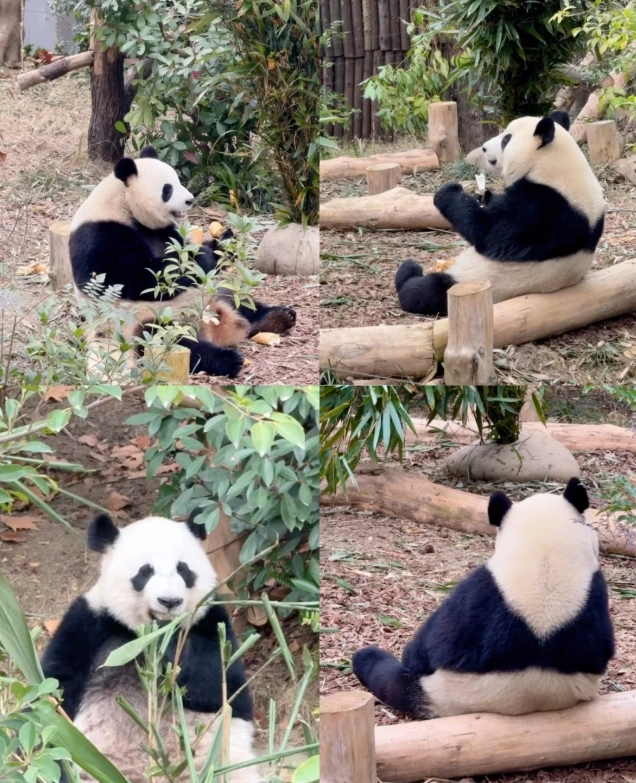
Your Panda Day Plan at a Glance
- Why This Base Beats the Rest (It's Not Just Pandas)
- How to Get There Without the Tourist Bus Hassle
- Tickets, Hours, and the Logistics Everyone Messes Up
- The Perfect Half-Day Itinerary (The Early Bird Strategy)
- Beyond Just Looking: How to Actually Interact with Pandas
- Your Burning Panda Questions, Answered
Why This Base Beats the Rest (It's Not Just Pandas)
First, let's clear something up. This isn't a zoo. It's a world-leading research and conservation facility. The difference is night and day. In a zoo, animals are exhibits. Here, the 100+ acre parkland is designed to mimic their natural habitat. You're walking through bamboo forests and hillsides, watching them behave (mostly eat and sleep, let's be honest) in a setting that's as close to wild as captivity gets for breeding and research purposes.
The other secret? The red pandas. Most visitors are so panda-focused they rush past the red panda enclosures. Big mistake. These fiery, cat-like creatures are often more active, playful, and visible than their larger, lazier cousins. The walk-through enclosure is a highlight—you're literally on a raised path with red pandas climbing trees around you. I've seen more kids light up here than at the giant panda nurseries.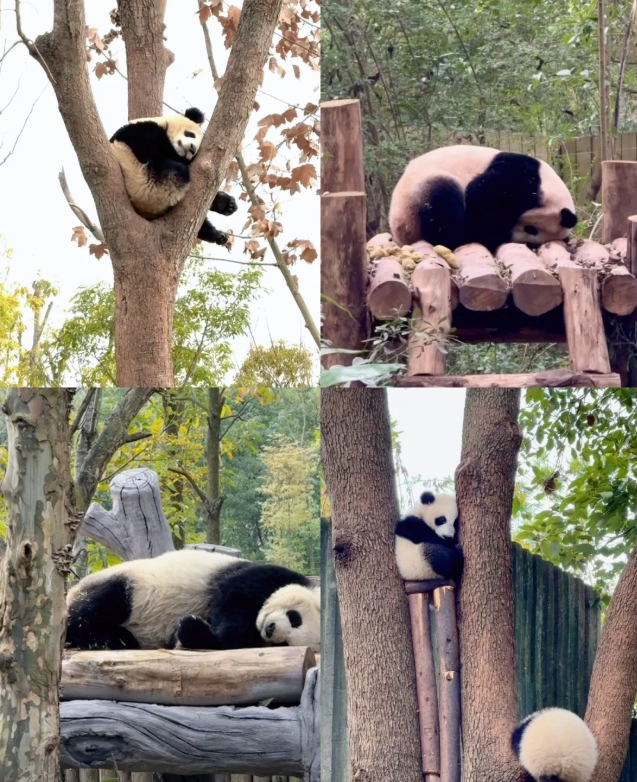
A Quick Reality Check
Managing expectations is key. You are not guaranteed to see pandas tumbling around playfully. Their activity peaks are feeding times (morning). By 10:30 AM, the famous "panda pile-up" of sleeping fluffballs begins. This is why timing is everything.
How to Get There Without the Tourist Bus Hassle
You have three main options, and your choice depends entirely on your tolerance for hassle and group size.
Option 1: The Metro (My Top Pick for Solo/Couple Travelers)
Take Chengdu Metro Line 3 to Panda Avenue Station. Get out at Exit A. This exit is crucial—the others land you on the wrong side of a busy road. Exit A deposits you right at the footbridge leading to the official shuttle bus point. Look for the green electric shuttle buses. The ride to the base's south gate costs 2 RMB, takes 5 minutes, and runs constantly. Total travel time from Tianfu Square: about 45 minutes. It's cheap, efficient, and you avoid traffic.
Option 2: Didi or Taxi (Best for Families or Groups of 3-4)
Ask the driver for "Xiongmao Jidi Nan Men" (South Gate). The address is 1375 Xiongmao Avenue, Chenghua District. From downtown, it's a 30-45 minute ride depending on traffic, costing 40-60 RMB. Pro tip: Book your Didi for the return trip in advance as you're leaving the base. The cell signal can be spotty near the gates, and hundreds of people are trying to do the same thing at once.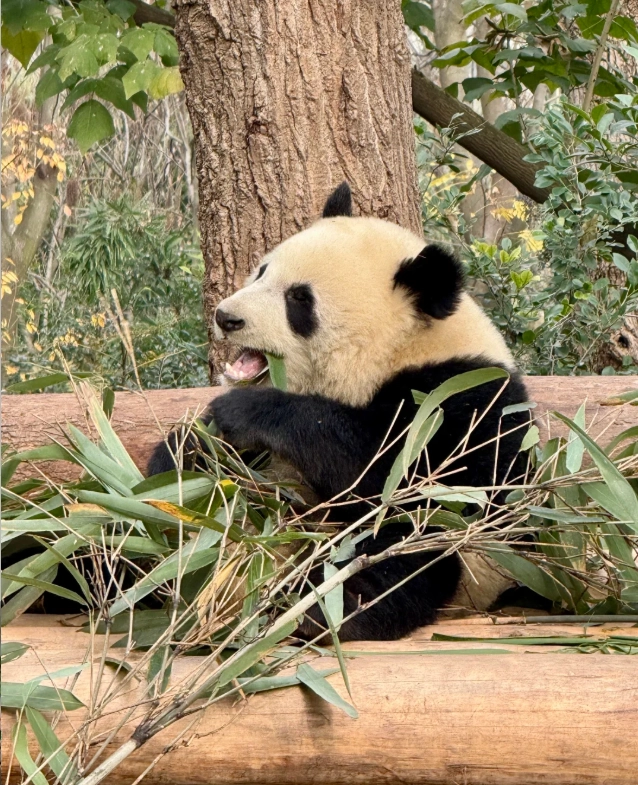
Option 3: Tourist Bus (The Least Recommended)
Various buses like the "Panda Express" leave from tourist centers. They're often packed, make multiple stops, and lock you into their schedule. I've never found them to be worth the minor convenience.
Tickets, Hours, and the Logistics Everyone Messes Up
Here are the cold, hard facts you need to plan your day.
| Item | Details | Insider Note |
|---|---|---|
| Ticket Price | Adult: 55 RMB. Child (1.3m-1.4m): 27 RMB. Under 1.3m: Free. | Buy online (WeChat: "Chengdu Panda Base" or official site). The ticket booth lines, especially on weekends, can waste 30+ minutes of prime panda-viewing time. |
| Opening Hours | 7:30 AM - 6:00 PM (last entry at 5:00 PM). Year-round. | The 7:30 AM opening is non-negotiable for a good experience. Be at the gate by 7:15 AM. The difference between 7:30 and 9:00 AM crowds is apocalyptic. |
| Best Time to Visit | Weekdays, obviously. Avoid Chinese public holidays at all costs. | If you must go on a weekend, the early morning rule is doubly sacred. The park feels full by 10 AM. |
| Time Needed | Minimum 3 hours for a rushed look. A comfortable, thorough visit takes 4-5 hours. | The base is huge and hilly. Wear walking shoes. Seriously, I've seen people in heels looking utterly miserable. |
| Food & Drink | Several cafes and snack stalls inside. Prices are inflated (15-30 RMB for water/coffee). | Bring a water bottle. There are refill stations. Pack some snacks. The on-site food is mediocre at best. |
One logistical nightmare nobody mentions: the south gate vs. west gate dilemma. The south gate is the main entrance. The newer west gate is more modern but is at the top of the hill. If you enter there, your entire visit is downhill, which sounds nice but means you see exhibits in reverse order, often against the flow of crowds. I always, always recommend the South Gate. Start low, walk up, take the shuttle back down if you're tired.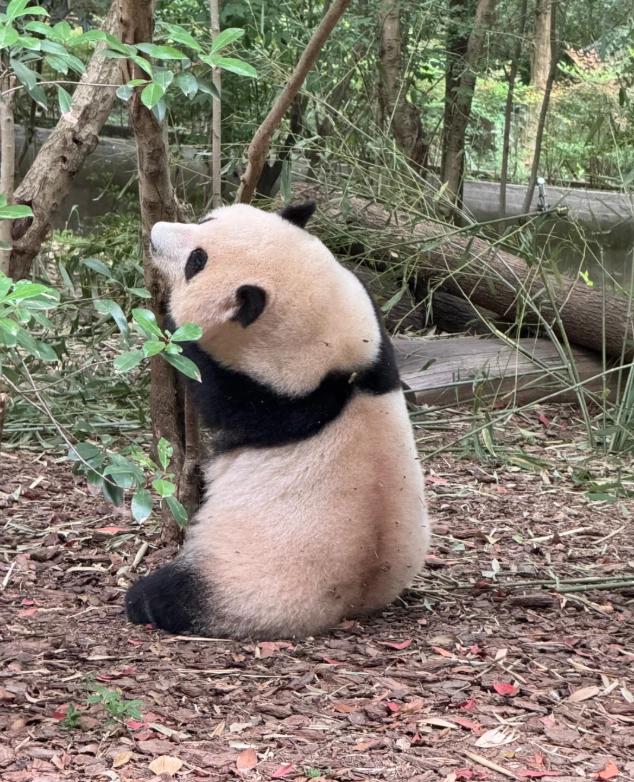
The Perfect Half-Day Itinerary (The Early Bird Strategy)
Let's say you only have one morning. Here's exactly what I'd do with you.
7:15 AM: Arrive at South Gate. Queue up. Have your digital ticket QR code ready on your phone.
7:30 AM: Gates open. Do NOT stop for the map or the souvenir shop. Walk briskly straight ahead and follow signs for the Panda Nursery (Moonlight Nursery House) and Infant Panda Enclosures. This is the farthest point of interest from the gate. Everyone else is stopping at the first adult panda villas. You're beating them to the most popular spot.
7:45 - 9:00 AM: You have the baby pandas almost to yourself. This is when they're being fed by keepers, tumbling around, and are most active. The glass is cleaner, the photos are unobstructed. Savor it.
9:00 AM: Start working your way back down the hill towards the entrance, visiting the adult panda villas (like Panda House 1 & 2). They'll still be munching on breakfast bamboo.
9:45 AM: Swing by the Red Panda Enclosures. They're also morning-active.
10:15 AM: Visit the Panda Museum (air-conditioned!) to learn about conservation. This is a great break as the sun gets hotter and the pandas begin their nap time.
11:00 AM: By now, the park is packed and the pandas are sleepy. Perfect time to head to the exit. Grab the internal shuttle bus (10 RMB) from any station back to the South Gate if your feet are tired.
This route is counter-intuitive—going farthest first—but it's the single biggest game-changer I recommend.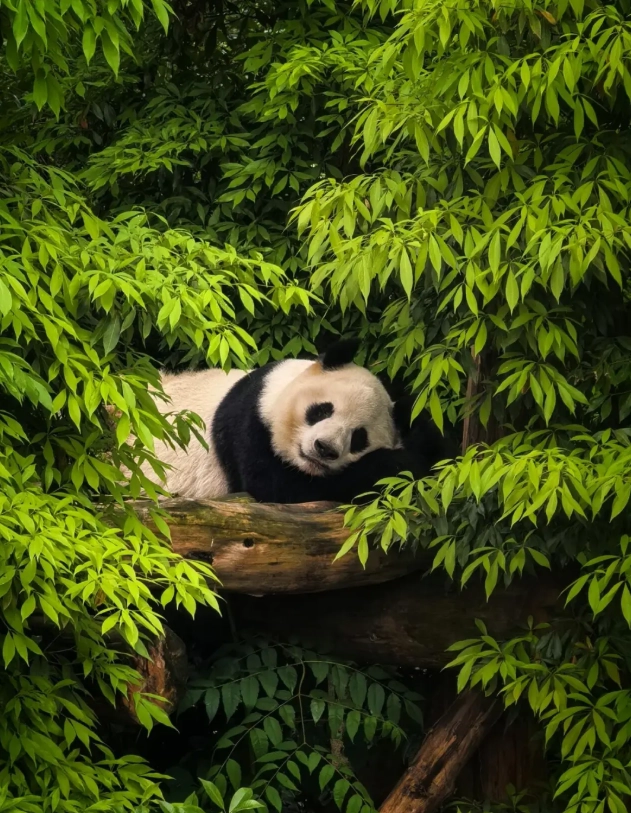
Beyond Just Looking: How to Actually Interact with Pandas
Seeing pandas is one thing. Getting close is another. The base offers paid programs, but they are strictly regulated, expensive, and must be booked well in advance.
The Panda Keeper Experience (The "Volunteer" Program):
This is the most immersive. You spend a half-day (usually morning) behind the scenes. Tasks include cleaning enclosures, preparing panda cakes (their fortified biscuits), and maybe observing a training session. You do NOT freely play with or hold adult pandas. That's a safety issue for both species. The cost is around 2000 RMB per person. You must book via their official international volunteer partner websites or through a verified tour agency (like the ones listed on the China Conservation and Research Center for the Giant Panda network). Spots are limited and often require a health check.
The Photo Opportunity with a Juvenile Panda:
This is the famous "hold a panda" photo. It's only available with a young panda (under a certain age and weight), under strict keeper supervision, for about 60 seconds. The cost is astronomical (around 3000 RMB+) and the ethics are debated. The money funds conservation, but the practice is controversial. If you choose to do it, book months ahead through official channels.
My personal take? For 99% of visitors, the satisfaction of a perfectly executed visit, seeing pandas behave naturally, and contributing through your entry ticket is more than enough. The keeper program is for true devotees with deep pockets.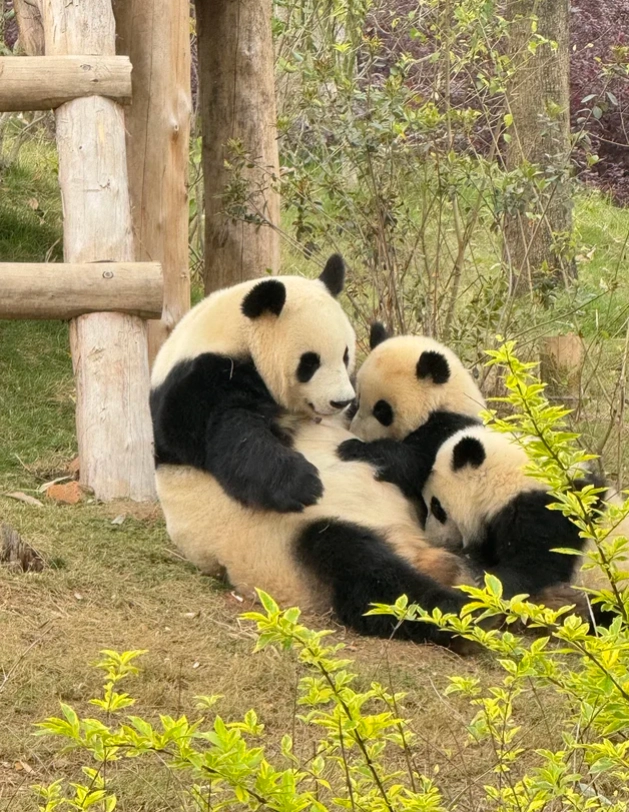
Your Burning Panda Questions, Answered
Is the Panda Base worth it if I only have half a day in Chengdu?
Absolutely, but only if you commit to the Early Bird Strategy I outlined. A half-day starting at 9 AM is a recipe for seeing crowds, not pandas. A half-day starting at 7:30 AM is a fantastic, concentrated experience. It's the first thing you do that day, no exceptions.
What's the one thing most tourists waste money on here?
The internal electric cart rental. They're slow, follow a fixed route with stops, and you spend time waiting for them. Unless you have mobility issues or very young children, walking is faster and lets you control your pace. You see more between stops.
I see tours offering "Panda Base and Leshan Giant Buddha" in one day. Is this possible?
Technically yes, but it's a terrible, rushed idea. Leshan is a 2-hour drive from Chengdu. Doing both means you'll hit the Panda Base at the worst possible time (mid-day) and be exhausted. I've never met a client who enjoyed that combo day. Pick one. If pandas are a priority, give them the morning they deserve.
Can I bring my own food for the pandas?
No. Never. This is the fastest way to get ejected. Their diet is scientifically managed. Human food or even the wrong type of bamboo can make them seriously ill. Feeding animals is strictly prohibited, with hefty fines.
What should I do if it's raining on the day of my visit?
Go anyway! Pandas are more active in cooler, drizzly weather. They often come out to play in the rain. The crowds will be thinner. Just bring a raincoat or umbrella—much of the viewing is along covered walkways.
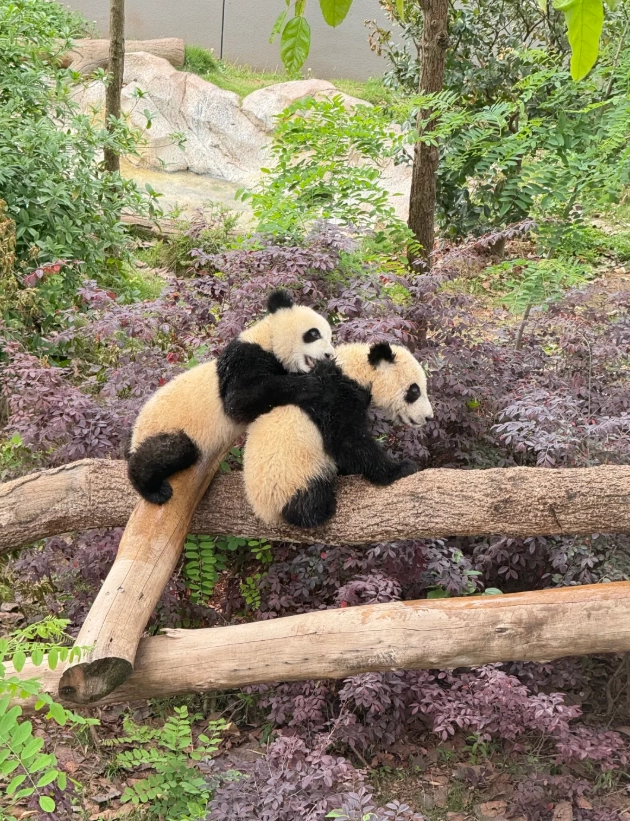 The Chengdu Panda Base is a marvel. It's the best place on earth to see giant pandas in a setting that prioritizes their well-being. Your visit can be a frustrating check on a list or a magical, well-orchestrated encounter with one of the planet's most beloved creatures. The difference is all in the details: the 7:15 AM arrival, the walk to the nursery first, the understanding that you're a guest in their home. Follow this guide, and you won't just see pandas. You'll understand them.
This article has been fact-checked against the latest official information and refined through years of on-the-ground experience.






No comments yet.