 Yan Zhou
Let's settle this right at the start. If you ask me for the single best time to visit Shanghai, I'll tell you it's a trick question. There isn't one perfect month for everyone. The magic—and the challenge—of this city is how completely it transforms with the seasons. Your perfect time depends entirely on what you want: blooming gardens, cool museum days, festive lights, or empty streets. I've guided groups through spring downpours and autumn heatwaves, and I've learned that timing is everything here. Get it right, and Shanghai feels like a custom-made adventure. Get it wrong, and you'll be sharing a sweltering Bund sidewalk with ten thousand other sweaty tourists.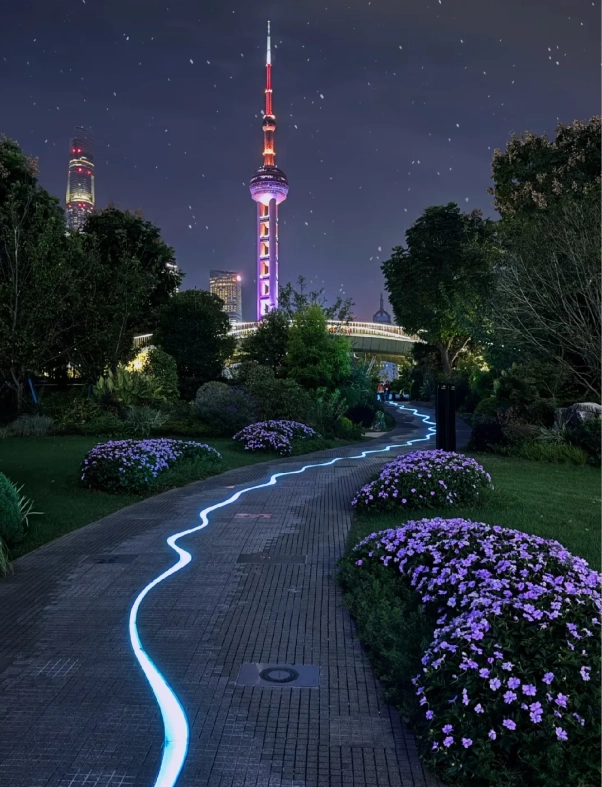
What's Inside This Guide
Shanghai's Weather and Four Distinct Seasons
Shanghai sits on a humid subtropical coastline. That means four real seasons, each with a strong personality. Forget the mild Mediterranean climate—here, summer punches you in the face with humidity, and winter's chill cuts through your coat. Spring and autumn are the negotiators, but even they come with conditions.
The city's rhythm is tied to this cycle. Locals plan their weekends around it. In late March, everyone flocks to Gucun Park for cherry blossoms. By July, you'll find them hiding in air-conditioned malls or sipping cold brews in shaded French Concession cafes. Come October, the streets fill again for evening strolls along the Bund. Understanding this rhythm is your first step to blending in, not just visiting.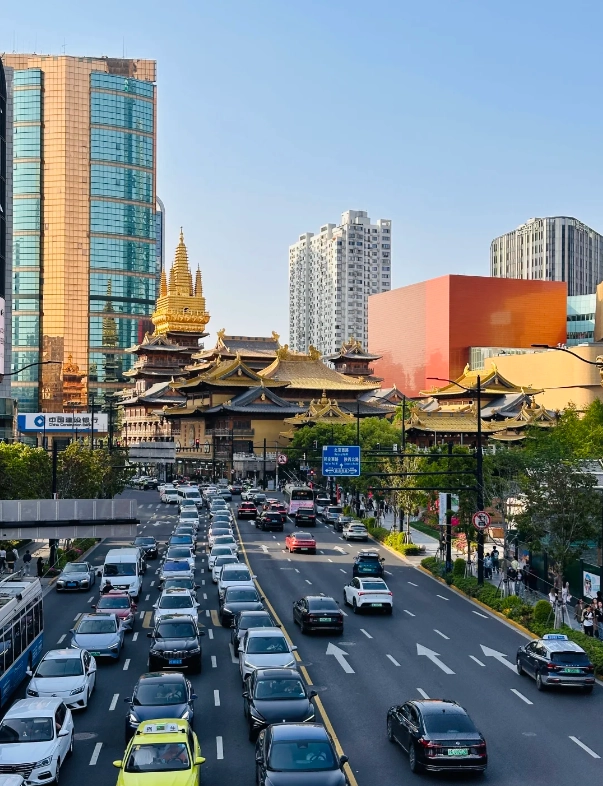
Spring in Shanghai: Blossoms and Showers
Spring, from March to May, is Shanghai's great awakening. It's arguably the most visually stunning time. The concrete jungle softens with pink and white blossoms. The air smells of damp earth and flowers, at least on the good days.
But here's the non-consensus truth most generic guides miss: Shanghai spring has a split personality. Late March to mid-April is prime time. The plum rains haven't started, temperatures hover between 10-20°C (50-68°F), and everything is in bloom. I always take my groups to Yuyuan Garden then. The ancient pavilions framed by flowering peach trees are a postcard come to life. Admission is about 40 RMB, and it opens at 8:30 AM. Get there for opening to beat the domestic tourist crowds that pour in by 10 AM.
Then comes the Plum Rain season (Meiyu), usually from mid-June to early July. This isn't your gentle drizzle. It's weeks of persistent, gray, drenching rain. The humidity skyrockets. Mold appears on shoes left in closets. It's a rough time for sightseeing unless your plan revolves entirely around indoor activities like the superb Shanghai Museum or the Propaganda Poster Art Centre.
What to Actually Do in Spring
Forget just walking around. Plan blossom-specific itineraries. The cherry blossoms at Gucun Park are worth the metro ride (Line 7 to Gucun Park Station). For a more local experience, visit Fuxing Park early in the morning to see retirees practicing tai chi under a canopy of fresh green leaves. Pack a compact umbrella—always. Not a flimsy disposable one, but a sturdy wind-proof model. The spring winds near the Huangpu River are no joke.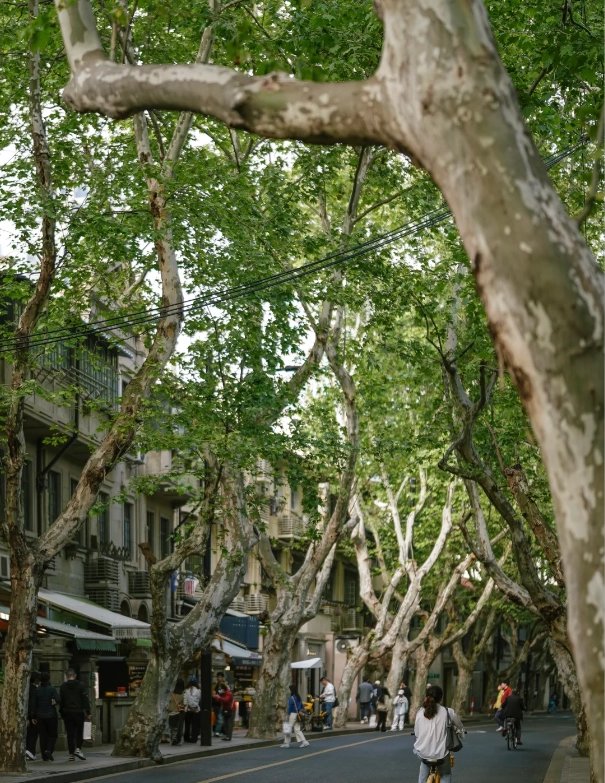
Summer in Shanghai: Heat, Humidity, and Festivals
July and August are the most challenging months. Temperatures regularly hit 35°C (95°F) with oppressive humidity. The air feels thick. Walking more than 15 minutes outdoors becomes a chore. This is the low season for a reason.
However, writing off summer completely is a mistake I see many independent travelers make. If you can handle the heat, you get advantages: thinner crowds at major landmarks (except for the Bund at night), and a vibrant, buzzing nightlife that starts the moment the sun sets. Summer is also festival season. The Shanghai International Film Festival in June is a major event. The city's many rooftop bars, like those at The Roof or Flair, are in their element.
The key is to adapt your schedule. Become nocturnal. Sightsee from 7 AM to 11 AM. Retreat to your hotel or a cafe during the brutal midday heat (12 PM - 4 PM). Re-emerge in the late afternoon. I often plan museum-heavy days for summer clients—the air conditioning is reliable and powerful.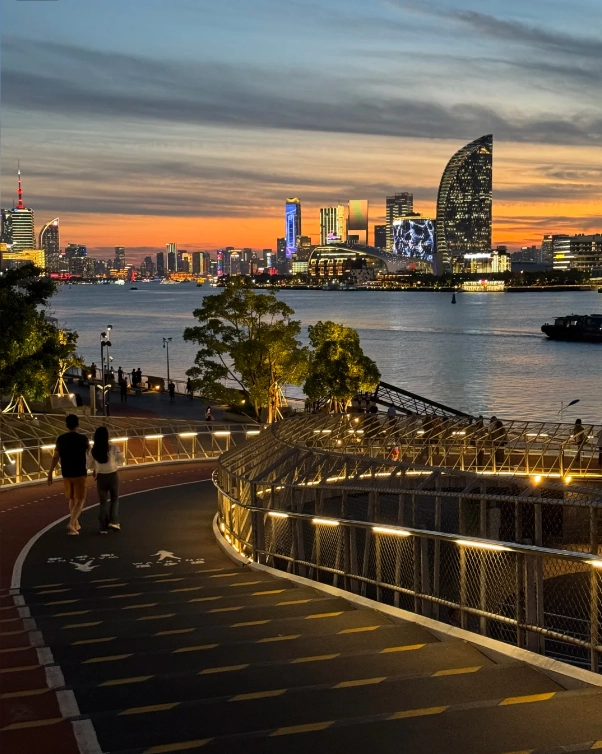
Autumn in Shanghai: The Golden Season
This is my personal favorite, and the consensus pick for the best time to travel to Shanghai. October and November are nearly perfect. The humid blanket of summer lifts. The sky is often a clear, brilliant blue—a rarity here. Temperatures are mild, ranging from 15-25°C (59-77°F). It's ideal for walking.
This is when Shanghai is most itself. You can comfortably explore the artsy warehouses of M50 on Moganshan Road, have a long, leisurely lunch on a Xintiandi terrace, and then walk along the Bund as the skyscrapers of Pudong light up at dusk. The light in autumn is magical, especially for photographers. The ginkgo trees lining Julu Road and other streets turn a stunning gold.
The one significant drawback is the National Day Golden Week in early October. Avoid the first week of October like the plague. The entire country is on holiday. Train tickets vanish, hotel prices triple, and every single attraction is a sea of people. If you're coming in autumn, aim for mid-October onwards.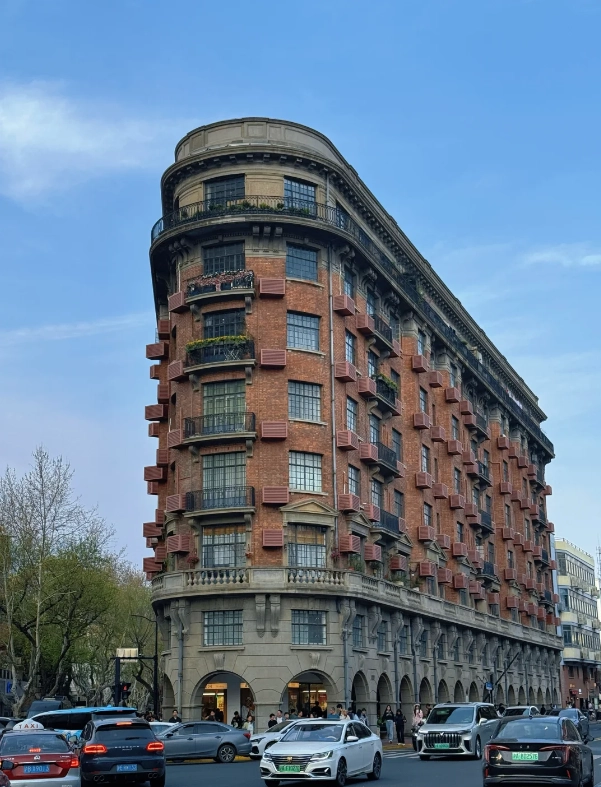
Winter in Shanghai: Quiet and Crisp
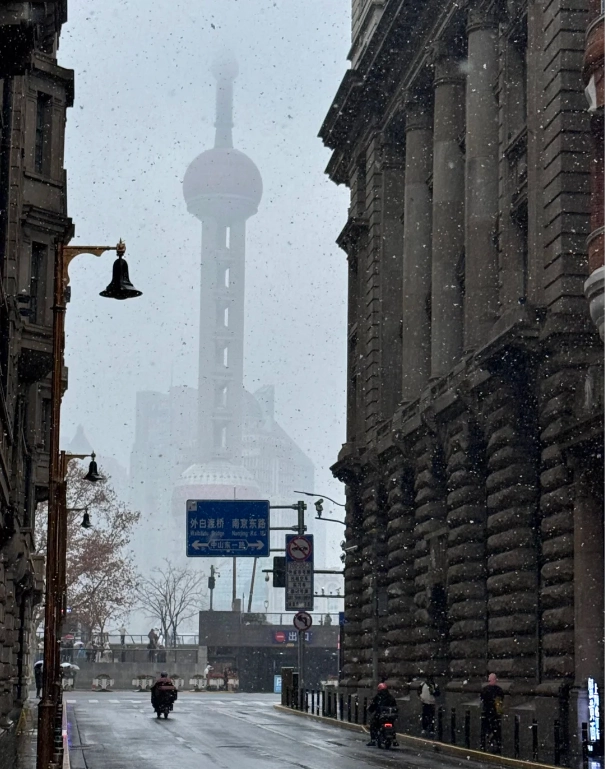
December through February is Shanghai's off-season. It's cold, often between 0-10°C (32-50°F), and the dampness makes it feel colder. The trees are bare, and the sky is frequently overcast. But hear me out—winter has a stark, quiet beauty and major practical benefits.
Crowds are at their absolute thinnest. You can have views from the Shanghai Tower observation deck almost to yourself. Hotel rates are at their lowest. And the city doesn't hibernate. Instead, it moves indoors into a network of cozy, warm spaces. The malls are extravagantly decorated for Christmas. Hot pot restaurants are packed and full of steam and laughter. Visiting the Zhujiajiao Water Town on a crisp, cold day, with fewer tourists, feels more ancient and atmospheric.
Just pack properly. You need layers, a warm, wind-proof coat, a scarf, and waterproof shoes. Central heating is not standard in many older buildings, so the indoors can sometimes feel as cold as the outdoors. The upside? You'll experience a more local, less performative version of the city.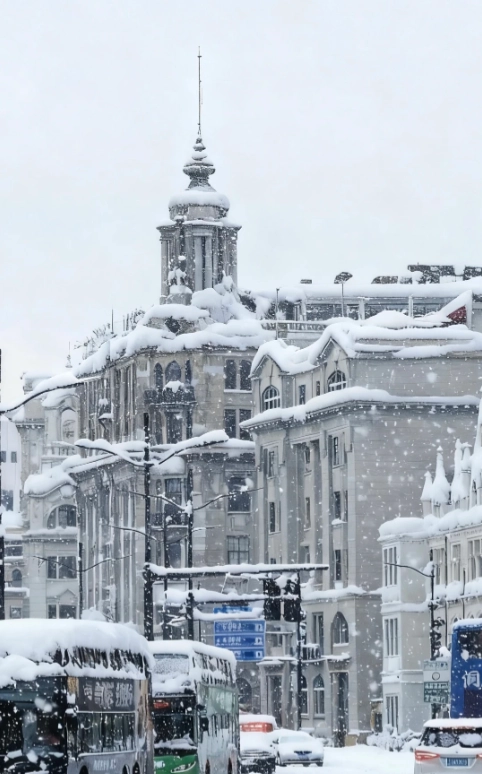
A Quick Month-by-Month Breakdown
To make it visual, here’s how the year typically shapes up. This is based on a decade of checking forecasts and watching visitor patterns.
| Month | Weather Vibe | Crowd Level | Why Go / Why Avoid |
|---|---|---|---|
| March | Cool, warming up. Unpredictable late-month showers. | Medium, rising. | Go for the first spring blossoms. Watch for sudden cold snaps. |
| April | Generally pleasant, mild. Best spring weather. | High. | Go for ideal sightseeing weather. Avoid the Qingming Festival holiday crowds. |
| May | Warm, humid by month's end. Very green. | High. | Go for garden visits. Great for outdoor dining before the true heat hits. |
| June | Hot, humid. Plum Rain begins. | Medium-High. | Go for the film festival. Pack rain gear and moisture-wicking clothes. |
| July | Hottest, most humid. Frequent thunderstorms. | Medium (mostly domestic tourists). | Plan indoor/evening activities. Hydrate constantly. Not for heat-sensitive travelers. |
| August | Similar to July. Oppressive heat. | Medium. | Same as July. A good time for budget travelers who don't mind the climate. |
| September | Heat starts to break. Less humid, more comfortable. | Medium-High. | A great shoulder month. Summer crowds leave, autumn crowds haven't arrived yet. |
| October | Excellent, mild, dry. Perfect weather. | Extremely High first week, then High. | Go for the best overall conditions. Avoid absolutely the first 7 days (National Day). |
| November | Crisp, cool, often sunny. Light jacket weather. | Medium-High. | My top recommendation. Fantastic weather, beautiful fall colors, fewer crowds than October. |
| December | Cold, damp. Can be gray. | Low-Medium. | Go for lower prices, festive decorations, and quiet attractions. |
| January-February | Coldest, occasional frost. Chinese New Year variable. | Low, except for Chinese New Year. | Go for the deepest discounts and solitude. Note: Many small businesses close for Chinese New Year. |
Your Shanghai Travel Questions, Answered
Is the rainy season in Shanghai a complete deal-breaker for travel?
Not if you plan strategically. The constant damp is unpleasant for long outdoor walks, but it makes museum-hopping ideal. The Shanghai Museum, the Power Station of Art, and the Natural History Museum are world-class and perfect rainy-day shelters. Buy a good pair of waterproof shoes—not just water-resistant—and a packable rain jacket. The rain is rarely torrential, just persistent. You can still enjoy the city's incredible food scene and indoor markets like the Yu Garden Bazaar.
I want to avoid huge crowds but still have good weather. When should I book?
Target the shoulder seasons: late September or mid-to-late November. Late September has a high chance of pleasant weather after the summer heat breaks, but before the October holiday rush. November is almost guaranteed to be crisp and clear. Both periods see a significant drop in tourist numbers compared to the peaks in April and October, while still offering comfortable conditions for exploration.
How bad is the pollution, and does the time of year affect it?
Air quality has improved dramatically but can still be an issue. Winter (Dec-Feb) is typically the worst due to atmospheric conditions and heating. Summer can also see hazy days. Autumn and spring generally have the best air quality, with clear days more common after a strong wind or rain. I recommend using a reliable air quality app like IQAir. On a bad day, adjust your plans—visit an indoor attraction with good air filtration or take a day trip to a water town outside the city center.
 Is Chinese New Year a good or bad time to visit Shanghai?
It's a double-edged sword. The city is beautifully decorated, and there's a unique festive energy with some cultural events. However, it's one of the most challenging times logistically. Millions of people are traveling. Train and plane tickets are nearly impossible to book, prices surge, and many small, local restaurants, family-owned shops, and services close for a week or more as people return to their hometowns. For a first-time visitor, I generally advise against it unless you're specifically coming for the festival experience and have booked everything well in advance.
What's one thing I should pack regardless of the season?
Comfortable walking shoes. This is a walking city in the best seasons, and even in the worst, you'll do more walking than you think between metro stations and attractions. Beyond that, season-specific items are crucial: a serious raincoat for spring/summer, high-SPF sunscreen and a portable fan for summer, versatile layers for autumn, and a proper thermal layer and warm hat for winter. The local saying is true: Shanghai doesn't have a weather forecast, only a wardrobe suggestion.
Choosing the best time to travel to Shanghai isn't about finding a universal perfect date. It's about matching the city's seasonal personality to your own travel style. Want vibrant energy and flowers? Brave the spring showers. Prioritize perfect comfort and photo opportunities? Book for autumn. On a tight budget and don't mind the cold? Winter reveals a serene side of the city. Just know what you're signing up for. Do that, and you'll have a fantastic time in this endlessly fascinating metropolis, no matter when your plane lands.
This guide is based on firsthand experience and observation of Shanghai's climate and tourism patterns over many years. Details regarding attractions and general seasonal characteristics are accurate as of the last observation period.






No comments yet.