 Qiang Huang
Planning a trip to Shanghai can feel overwhelming. The city is massive, a dizzying blend of hyper-modernity and deep history. The common mistake? Trying to see everything in a frantic rush, ending up exhausted and missing the city's true rhythm. I've made that error myself on early visits. A great 5-day Shanghai itinerary isn't about checking boxes; it's about finding a balance. It's about pairing the vertigo of Pudong's towers with the quiet hum of a morning in the Old City, and understanding how these pieces fit together.
This plan is built from my repeated visits and walks through the city's neighborhoods. It accounts for practicalities like metro lines and walking distances, and it leaves room for you to wander. You'll get the iconic photos, sure, but you'll also find those quieter moments that make Shanghai stick with you.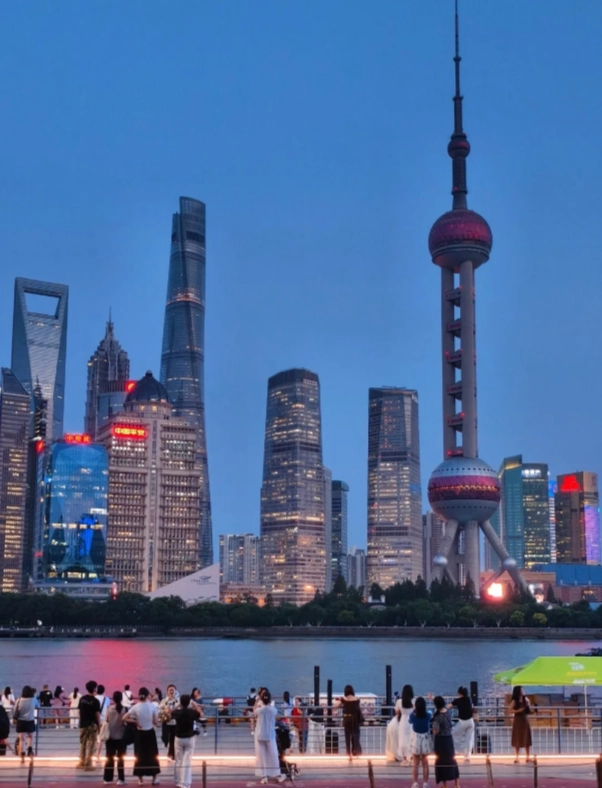
Your Quick Navigation Guide
Day 1: The Bund & Pudong – Modern Icons
Start with the postcard view. Take Metro Line 2 or 10 to East Nanjing Road Station. Walk east towards the river. Your first glimpse of the Pudong skyline across the Huangpu River is a moment. The Bund itself is a 1.5-kilometer stretch of colonial-era architecture. Don't just look across the river—look at the buildings behind you. The former HSBC headquarters (now Pudong Development Bank) at No. 12 has a stunning mosaic ceiling dome inside that most people walk right past.
Afternoon: Cross the river using the Bund Sightseeing Tunnel (a quirky, slightly dated light show ride, about 50 RMB) or, better yet, take the metro (Line 2 to Lujiazui). Exit at Lujiazui Station and you're beneath the towers. The Shanghai World Financial Center (SWFC) or the Shanghai Tower offer the best observation decks. I prefer the SWFC's 100th-floor deck; the glass floor walkway delivers a genuine thrill. Tickets run around 180 RMB. Book online to skip some queues.
Evening: This is crucial. Return to The Bund for sunset. The buildings light up around 6 PM (times vary seasonally). The view from the Pudong side back towards the illuminated colonial facades is arguably more impressive than the daytime view. For dinner, the alleys behind East Nanjing Road, like Fuzhou Road, have local eateries. I found a spot called Jia Jia Tang Bao (90 Huanghe Road) specializing in soup dumplings (Xiaolongbao). It's no-frills, you might queue, but it's authentic and cheap. A basket is about 20 RMB.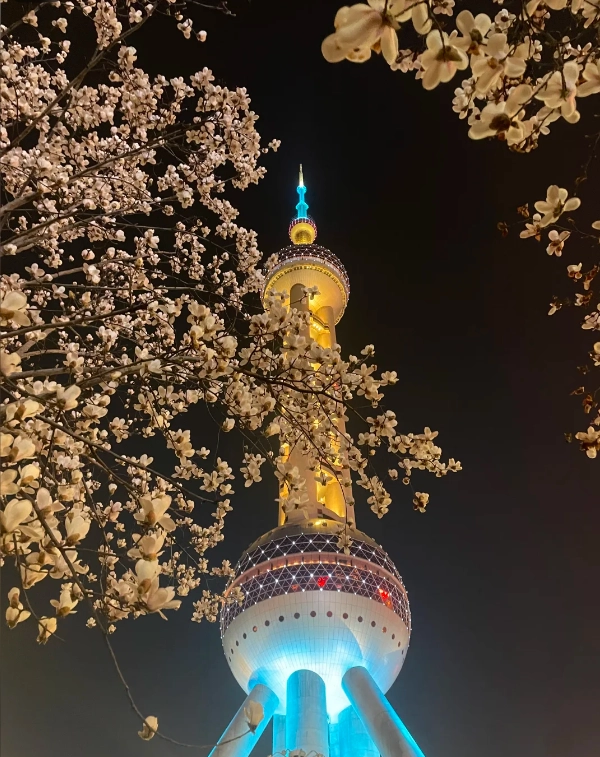
Day 2: Old Shanghai – Temples and Markets
Head to Yu Garden (Yuyuan) (Metro Line 10, Yuyuan Garden Station). Arrive right at opening (8:30 AM) to experience the classical Ming-dynasty garden before the tour groups swamp it. The ticket is about 40 RMB. The intricate rockeries, ponds, and pavilions are a world away from the skyscrapers. The adjacent Yuyuan Bazaar is kitschy but fun for souvenirs. The zigzag bridge is a classic photo spot.
Midday: A 10-minute walk south leads you to the Shanghai Old Street (Fangbang Middle Road). It's a reconstructed but charming street selling traditional crafts, tea, and antiques. It feels more managed than truly old, but it's a pleasant stroll.
Afternoon: Walk 15 minutes west to the City God Temple (Chenghuang Miao). The temple complex (10 RMB entry) is active and smoky with incense. It's a sensory immersion into local religious practice. From here, dive into the surrounding residential lanes. This is the real Old City. Laundry hangs overhead, people play mahjong, and small noodle shops operate out of ground-floor apartments. There's no map for this—just pick a lane and wander. You'll feel the city's pulse.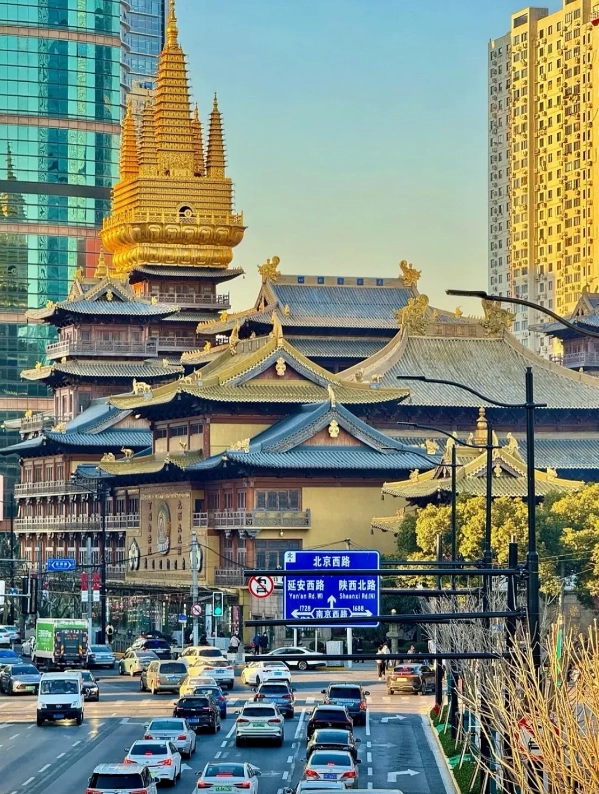
Day 3: French Concession – Artsy Vibes
This is my favorite area. Take Metro Line 1, 10, or 12 to South Shaanxi Road Station. Start on Fuxing Road or Fenyang Road. The tree-lined streets, European-style villas, and boutique shops define the Concession's laid-back charm.
Must-Visit Spots:
- Tianzifang: Enter from Lane 210, Taikang Road. This labyrinth of narrow alleys is filled with art studios, craft shops, cafes, and bars housed in old shikumen (stone-gate) buildings. It's touristy but retains a creative, chaotic energy. Get lost in it.
- Propaganda Poster Art Centre: This is a hidden gem. It's in the basement of an ordinary apartment building (868 Huashan Road, Room BOC). Finding it feels like a spy mission. The collection of Mao-era propaganda posters (about 25 RMB entry) is fascinating and offers a stark look at 20th-century Chinese history.
- Xintiandi: A polished, upscale restoration of shikumen buildings. It's full of international restaurants and bars. It's clean, expensive, and feels a bit like a museum piece compared to the raw energy of Tianzifang. Good for a coffee break.
Evening: The French Concession is Shanghai's dining and drinking heart. For a memorable meal, try Lost Heaven (38 Gaoyou Road) for Yunnan minority cuisine in a moody, exotic setting. Expect to spend 150-250 RMB per person.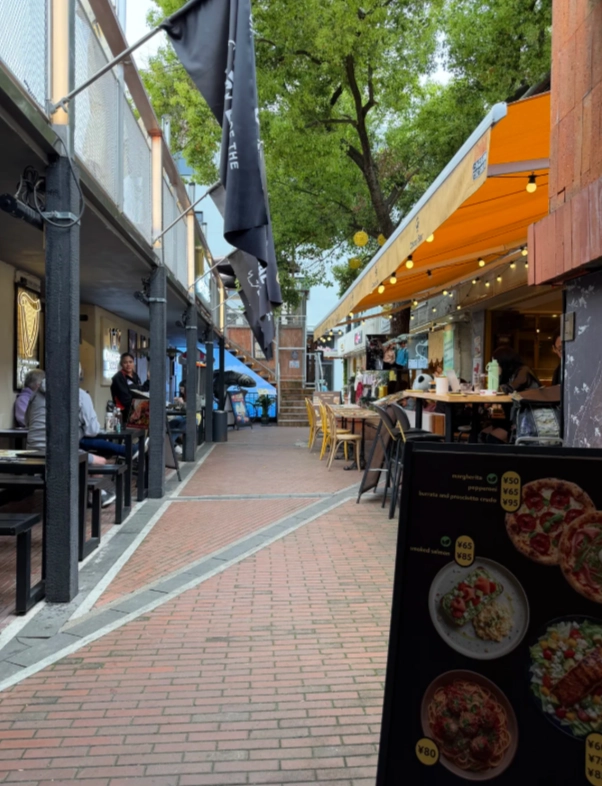
Day 4: Museums and Water Towns
Choose your own adventure based on your energy level.
Option A: Museum Deep Dive (In the City)
The Shanghai Museum in People's Square (Metro Line 1, 2, 8, People's Square Station) is world-class for ancient Chinese art—bronzes, ceramics, calligraphy. Admission is free, but you need to book a timed entry slot online in advance. Plan for at least 3 hours. Afterward, visit the nearby Urban Planning Exhibition Centre to see the enormous scale model of future Shanghai. It puts the city's ambition into physical perspective.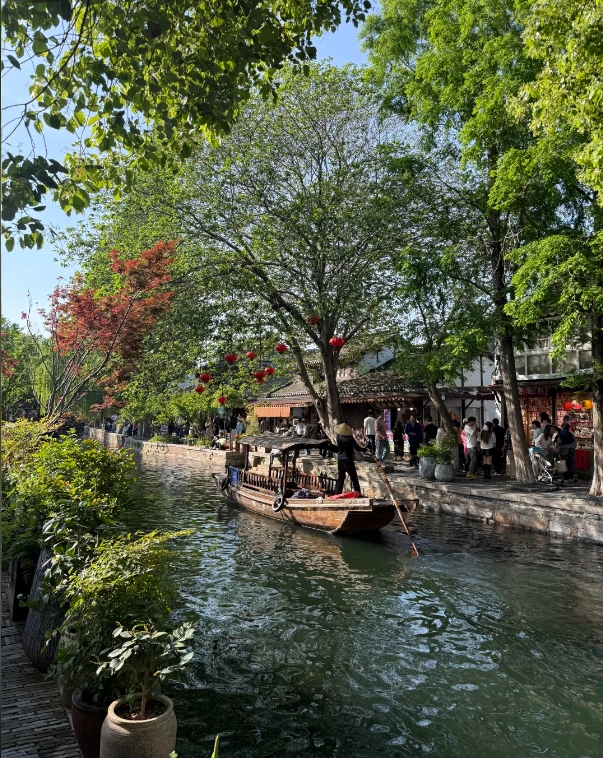
Option B: A Day Trip to a Water Town
If you need a break from the metropolis, a water town like Zhujiajiao is doable. Take the metro Line 17 directly to Zhujiajiao Station (about 1 hour from central Shanghai). It's a classic canal town with stone bridges and old houses. It's undeniably commercialized, but if you go on a weekday and explore the quieter canals away from the main thoroughfare, you can find pockets of calm. The main street is packed with vendors selling pork trotters and rice wine. A boat ride (about 150 RMB per boat) is the best way to see it.
I lean towards the museum option unless you're truly craving a smaller-town vibe. The logistics are simpler.
Day 5: Shopping & Local Neighborhoods
Use your last day to explore a distinct neighborhood and pick up gifts.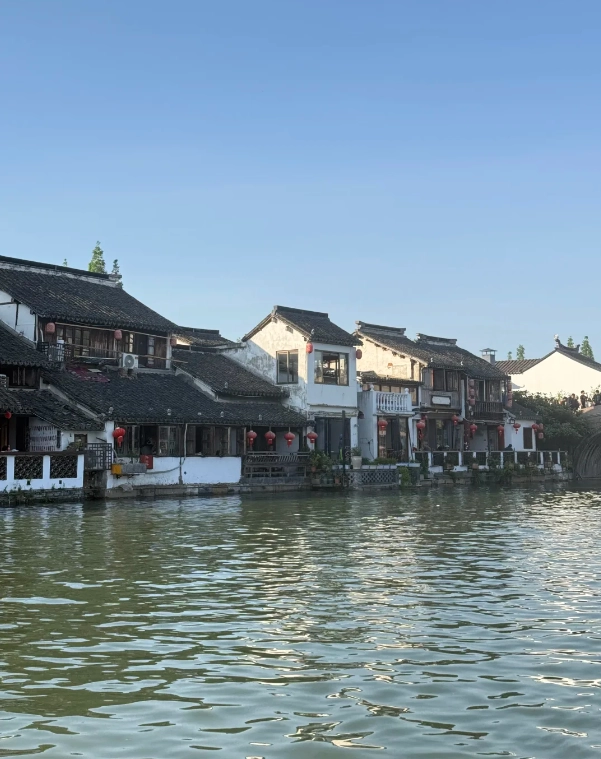
Morning: Head to Jing'an Temple (Metro Line 2, 7, Jing'an Temple Station). The sight of a magnificent golden Buddhist temple (50 RMB) rising amidst modern skyscrapers is uniquely Shanghai. It's an active monastery, and the incense and chanting create a powerful atmosphere.
Afternoon Shopping:
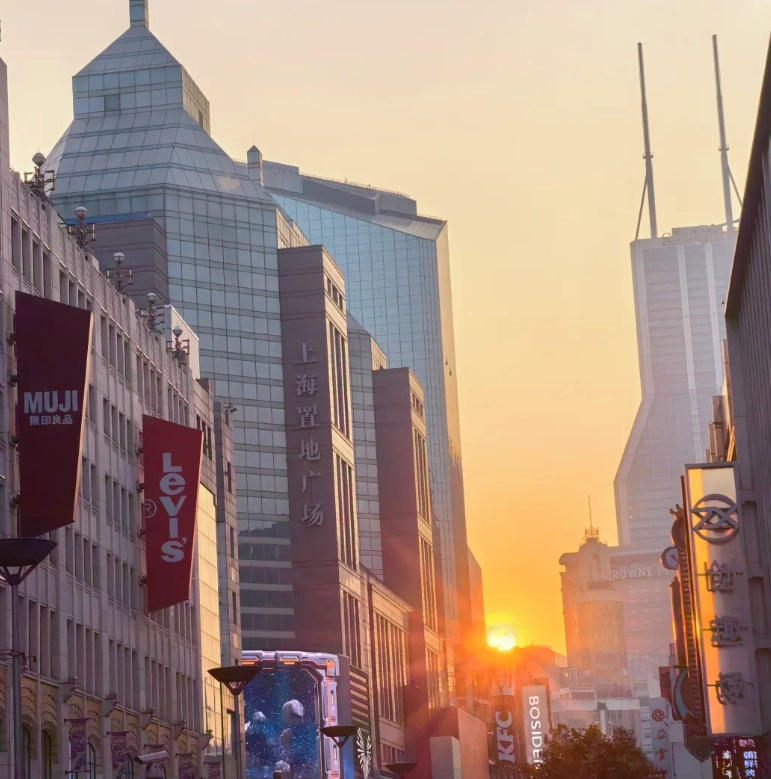
- For High-End & Souvenirs: West Nanjing Road and the plaza around Jing'an Temple house luxury malls like Plaza 66.
- For Local Design & Quirky Finds: Return to the French Concession streets like Anfu Road or Wukang Road. You'll find independent clothing designers, ceramic studios, and concept stores.
- For Electronics & Everything Else: The Science and Technology Museum area (Metro Line 2) has several multi-story markets, but be prepared to haggle vigorously.
Final Evening: Consider a performance. The Shanghai Circus World's ERA: Intersection of Time acrobatics show is breathtaking. Tickets start around 300 RMB. Book ahead. For a last supper, explore the bustling food scene around People's Square or have a final cocktail at a rooftop bar, reflecting on the city's incredible contrasts.
Where to Stay in Shanghai
Location is everything. Here’s a breakdown based on your travel style:
| Area | Best For | Vibe & Convenience | Example Hotel (Approx. Nightly Rate) |
|---|---|---|---|
| The Bund / People's Square | First-time visitors, iconic views | Central, major metro hub, walkable to key sites. Can be noisy and tourist-heavy. | Les Suites Orient, Bund Shanghai (Luxury, 2000+ RMB) |
| French Concession | Foodies, ambiance lovers, photographers | Charming, great dining/nightlife, slightly less central but well-connected by metro. | Puli Hotel and Spa (Luxury Boutique, 1800+ RMB) |
| Jing'an | Balanced travelers, shoppers | Upscale, fantastic transport links (Lines 2 & 7), mix of modern and traditional. | Four Seasons Hotel Shanghai (Luxury, 2200+ RMB) |
| Pudong (Lujiazui) | Business travelers, modern skyline fans | Ultra-modern, close to financial district and observation decks. Feels disconnected from old Shanghai at night. | Park Hyatt Shanghai (Ultra-Luxury, 2500+ RMB) |
| Xujiahui | Budget-conscious travelers, families | Major transport hub (Lines 1, 9, 11), lots of shopping malls, more local feel, good value. | Courtyard by Marriott Shanghai Xujiahui (Mid-Range, 800 RMB) |
My personal recommendation? Stay near a major interchange station on Metro Line 1, 2, or 10. The French Concession or Jing'an areas offer the best blend of character and convenience for this itinerary.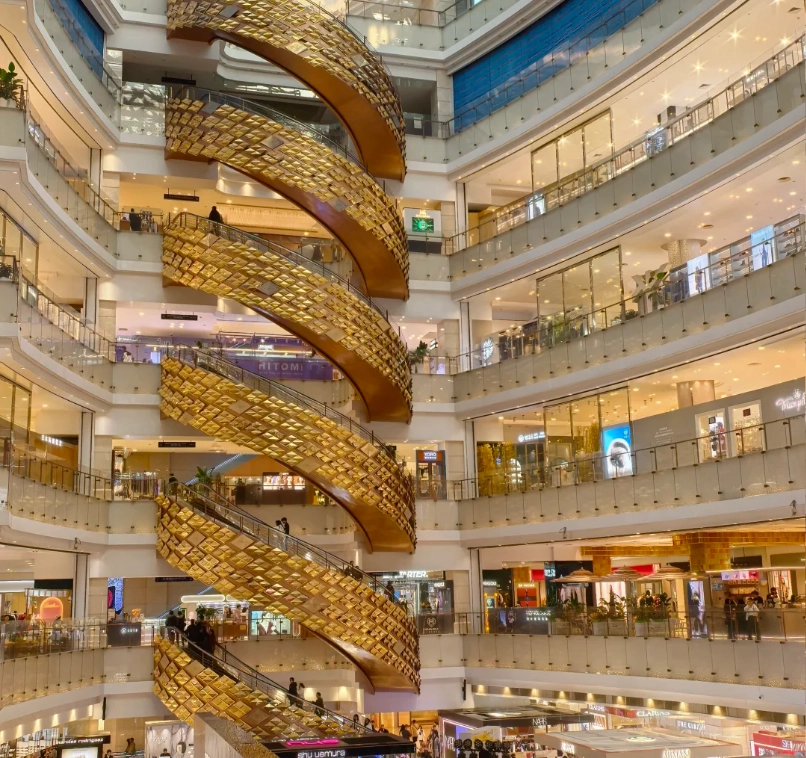
Getting Around Shanghai
The metro is your best friend. It's clean, efficient, and signs are in English. Buy a Shanghai Public Transportation Card at any major station or use the Metro Daduhui app on your phone to scan QR codes at the gates. Taxis and DiDi (China's Uber) are plentiful and affordable for short trips, but traffic is brutal during rush hours (7-9 AM, 5-7 PM).
A major pro-tip: Use Apple Maps or Amap for navigation. Google Maps does not work reliably for public transport routing in mainland China.
Shanghai Itinerary FAQ
Is 5 days in Shanghai too long?
Not at all. Five days allows you to move beyond the frantic top-10 list pace. You can explore distinct neighborhoods in depth, take a day trip, and actually sit in a café to people-watch. The city's layers—historical, cultural, culinary—unfold with a bit more time. A 3-day trip often feels rushed, forcing you to skip either the deep history or the modern wonders.
What's the biggest mistake people make when planning their Shanghai days?
Underestimating travel time and over-packing each day. Shanghai is geographically vast. Jumping from The Bund to the French Concession to Pudong all in one morning is exhausting and inefficient. This itinerary groups geographically and thematically linked activities together. Also, people forget to just walk. Some of the best discoveries are in the lanes between two marked attractions.
 How should I modify this Shanghai itinerary if I'm traveling with young children?
Slow down. Pick one major activity per day. Kids love the Bund Sightseeing Tunnel (it's silly), the acrobatics shows, and the boat rides in Zhujiajiao. The Propaganda Poster Centre might bore them. Swap a museum morning for the Shanghai Natural History Museum (in Jing'an Sculpture Park) or the Shanghai Ocean Aquarium in Pudong. Prioritize hotels near large parks like People's Park or Fuxing Park for run-around time.
What's a realistic daily budget for this 5-day Shanghai plan?
Excluding flights and accommodation, a comfortable mid-range budget is 400-600 RMB per person per day. This covers metro fares, one paid attraction (like an observation deck), meals at a mix of local joints and one nicer restaurant, and a few snacks or drinks. You can do it cheaper (under 300 RMB) by eating solely from street stalls and avoiding paid attractions, or spend much more on fine dining and luxury experiences.
What's the best time of year to use this Shanghai itinerary?
Spring (April-May) and Autumn (September-November) are ideal. The weather is mild and pleasant for walking. Summer (June-August) is hot, humid, and crowded, with frequent rain. Winter (December-February) can be chilly and damp, but it's less crowded and seeing The Bund shrouded in mist has its own dramatic appeal. Avoid the first week of October (National Day Golden Week) and Chinese New Year, when domestic travel peaks and everything is packed.
This plan is a framework, not a rigid script. Shanghai rewards curiosity. Use the metro map, wear comfortable shoes, and don't be afraid to ditch the plan for an interesting side street. That's often where the real magic happens.





No comments yet.