 Chen Liu
What's Inside
Let me paint you a picture: you've booked your Peak Tram tickets online, arrived at 11 a.m., and now you're stuck in a 90-minute line under the Hong Kong sun. I see this every week. It's painful.
The best time to visit Victoria Peak isn't when most tourists go. Most guides say 'morning' or 'anytime,' but they ignore the reality of foreign travelers—no WeChat Pay, no VPN, and zero clue about the hidden shortcuts. I've been guiding here for years, and I can tell you: the difference between 10 a.m. and 4 p.m. is night and day.
Here's the truth: the best time to visit Victoria Peak is between 3:30 p.m. and 5:30 p.m. on a clear weekday. You get short queues, soft golden light for photos, and you can stay for sunset. After reading this guide, you'll know exactly when to go, how to book without a Chinese phone number, and where to stand for the perfect shot. Let's dive in.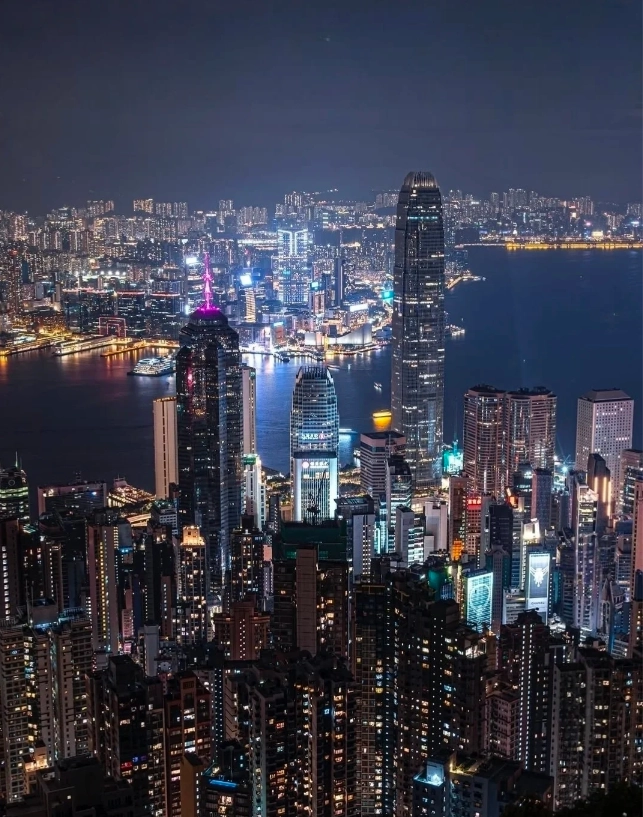
Why Timing Matters More Than You Think
Victoria Peak is the most visited attraction in Hong Kong. The Peak Tram alone carries over 7 million passengers a year. But here's the catch: the viewing platform at Sky Terrace 428 (the highest point) is not huge. On a busy day, it gets packed elbow-to-elbow. I've had clients who waited two hours for the tram, only to find the view blocked by selfie sticks. That's why timing is everything.
Also, Hong Kong's weather is famously fickle. From April to September, afternoon thunderstorms roll in fast. If you go in the morning, you might get blue skies, but by noon the clouds often swallow the skyline. Late afternoon tends to be more stable.
And don't forget the lighting. The best photos happen during the 'golden hour'—roughly 4:30 p.m. to 6:00 p.m. in summer (winter: 3:30–5:00 p.m.). The skyscrapers glow, the harbor sparkles, and you get that iconic shot without harsh shadows.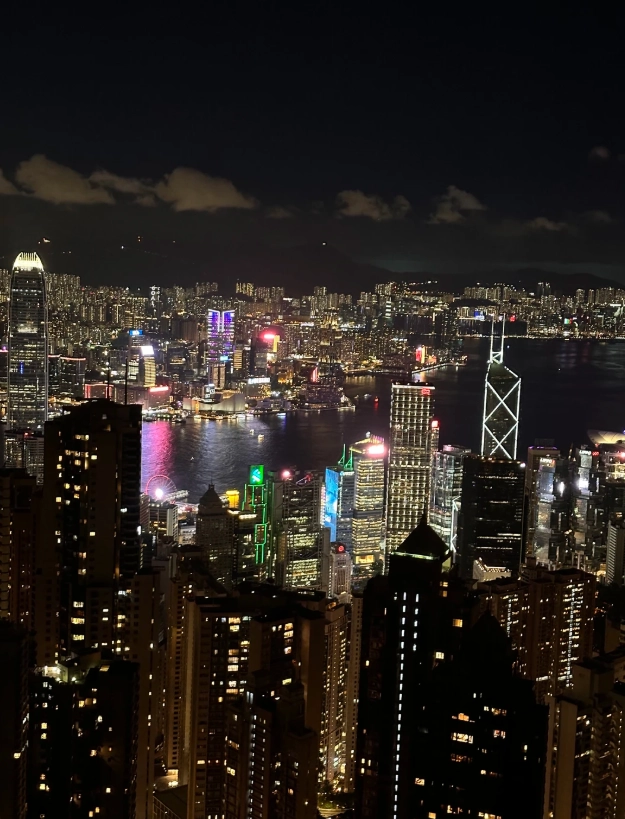
Best Overall Time: Late Afternoon
My go-to recommendation for first-timers: arrive at the Peak Tram Lower Terminus (Garden Road) by 3:00 p.m. on a weekday. Here's why:
- Queue length: 5–15 minutes vs. 60–90 minutes at peak hours (10 a.m. – 2 p.m. and weekends).
- Weather stability: Lower chance of rain compared to midday thunderstorms.
- Light: Start with city views in soft light, then watch the sunset around 5:45 p.m. (check local sunset time).
- Flexibility: You can stay for the night view after sunset without waiting long for the tram down—the queue is actually shorter after 7 p.m.
Weather & Seasons: When to Avoid Rain
Hong Kong has two main seasons that affect your visit:
| Season | Weather | Best Time of Day | Notes |
|---|---|---|---|
| October – February | Cool, dry, clear. Highs 18–22°C. | Anytime, especially late afternoon for sunset. | Peak tourist season. Book tram tickets in advance. |
| March – May | Humid, occasional drizzle. Highs 25–30°C. | Early morning (8 a.m. – 10 a.m.) or late afternoon. | Carry a light rain jacket. Fog is common in March. |
| June – September | Hot, humid, sudden thunderstorms. Highs 31–34°C. | Late afternoon (after 3 p.m.). Avoid afternoons. | Thunderstorms often clear by late afternoon. Bring a portable fan. |
I always check the Hong Kong Observatory's 7-day forecast before planning a trip. If the morning is clear but thunderstorms are predicted at 2 p.m., I'll push my group to go around 3:30 p.m.—storms usually pass quickly, and the air gets crystal clear afterward.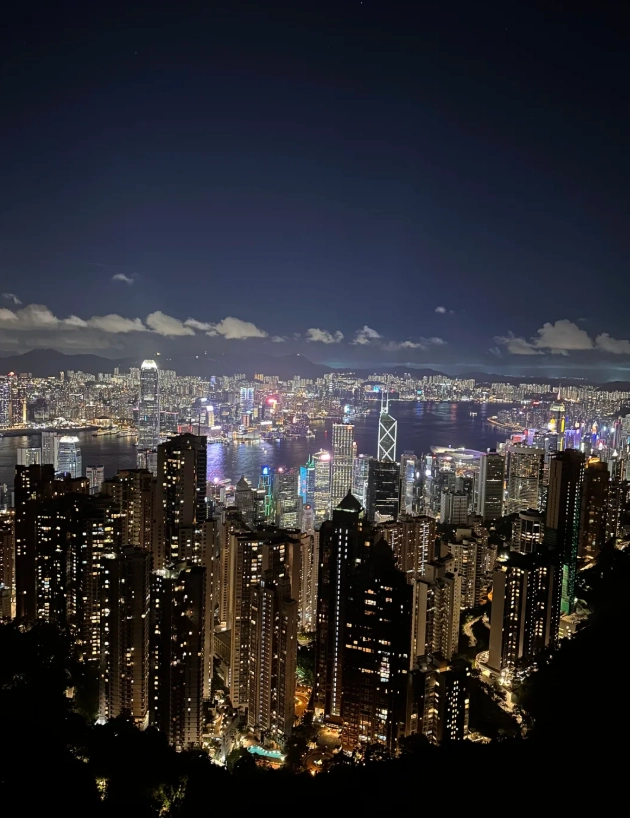
How to Avoid the Crowds (Real Numbers)
Let's get specific. Here's the crowd pattern I've observed over hundreds of visits:
| Time Slot | Weekday Queue (Tram) | Weekend Queue | Crowd on Sky Terrace |
|---|---|---|---|
| 8:00 – 9:30 a.m. | 10–20 min | 20–30 min | Moderate |
| 9:30 a.m. – 12:00 p.m. | 20–40 min | 60–90 min | Very crowded |
| 12:00 – 2:00 p.m. | 40–60 min | 90–120 min | Packed |
| 2:00 – 4:00 p.m. | 10–20 min | 40–60 min | Moderate |
| 4:00 – 6:00 p.m. | 5–10 min | 20–40 min | Building up |
| 6:00 – 8:00 p.m. | 15–30 min (down) | 30–60 min (down) | High for sunset |
| After 8:00 p.m. | 5–15 min (down) | 10–20 min | Low |
My trick: go up at 3:30 p.m., enjoy the view until sunset, then walk down the Old Peak Road (around 2 km, takes 40 minutes). It's a gentle descent through a tree-covered path, and you skip the tram queue completely. Plus, you get a different perspective of the island. Just bring comfortable shoes.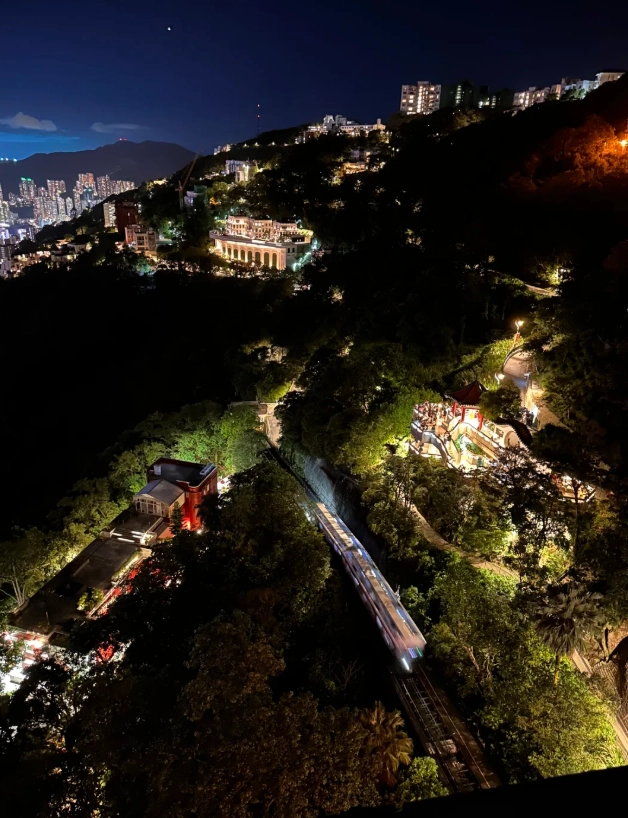
Sunset vs. Night View: Which Wins?
Honestly, both are stunning, but here's my honest take: if you can only pick one, pick sunset. The golden light makes the skyscrapers look like they're glowing, and the sky transitions from orange to pink to purple—it's magical. The night view is incredible too, but Hong Kong's light pollution can make the city look a bit hazy. For photos, sunset gives you more contrast.
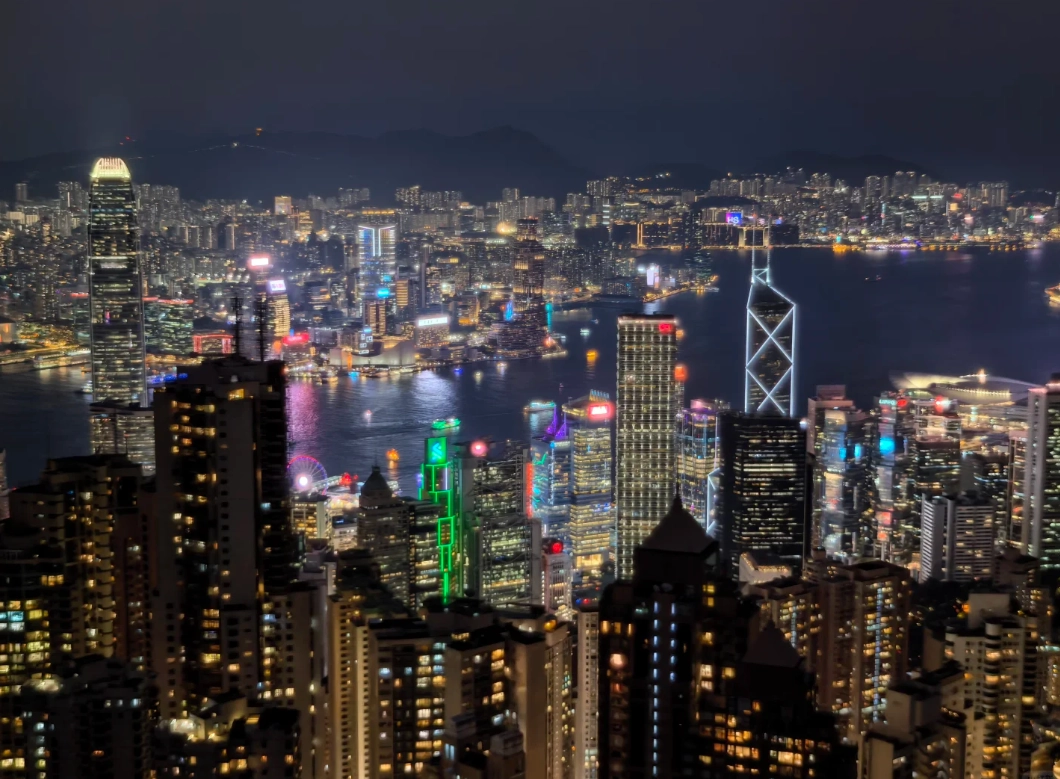
But if you're into urban photography, the night view from Sky Terrace 428 is unbeatable. The neon signs light up, and the Harbour looks like a glittering carpet. The best time for that? Right after the sun has set (around 6:30 p.m. in summer, 5:30 p.m. in winter). The sky still has a deep blue hue, not black.
One more thing: the wind on the Peak can be strong, especially in winter. Bring a jacket even if it's warm at ground level—I've seen shivering tourists in shorts up there!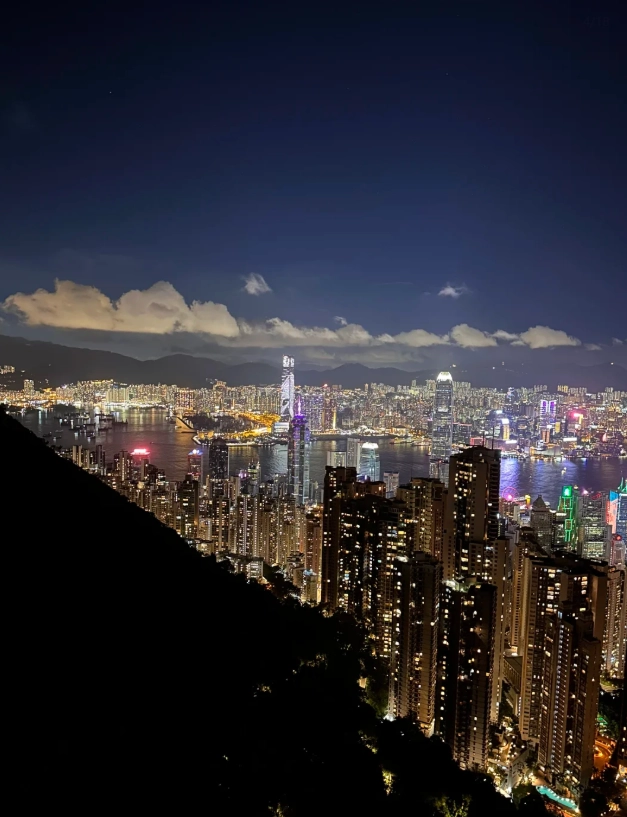
Practical Tips for Foreigners
Here's the stuff most online guides forget. I'm writing this specifically for non-Chinese visitors, because the system is not foreigner-friendly by default.
Payment: Get Ready for Alipay or Cash
The Peak Tram counter accepts cash (HKD) and credit cards, but the online booking system (thepeak.com.hk) requires a local payment method or Alipay. If you have a foreign credit card, it might not work. My advice: buy your ticket on Trip.com or Klook—both accept international cards and give you a QR code to scan at the gate. No need for a Chinese number.
At the Peak itself, most shops and restaurants accept Alipay and WeChat Pay, but cash is still king for small stalls. Always carry at least 200 HKD in your pocket.
Navigation: Forget Google Maps
Google Maps is blocked in China (including Hong Kong? No, Hong Kong uses a different internet environment—Google Maps works fine in Hong Kong! Actually, Hong Kong is a special administrative region and Google Maps is accessible. But for consistency, many foreign visitors still trust it. However, for walking directions, I recommend Apple Maps or Citymapper for Hong Kong. Bus routes and taxi times are more accurate.
To get to the Peak Tram Lower Terminus: take MTR to Central Station, exit at J2, then walk up Garden Road for about 10 minutes. Look for the big green sign that says 'Peak Tram.' If you get lost, just show this to a taxi driver: 香港中環花園道33號 (33 Garden Road, Central).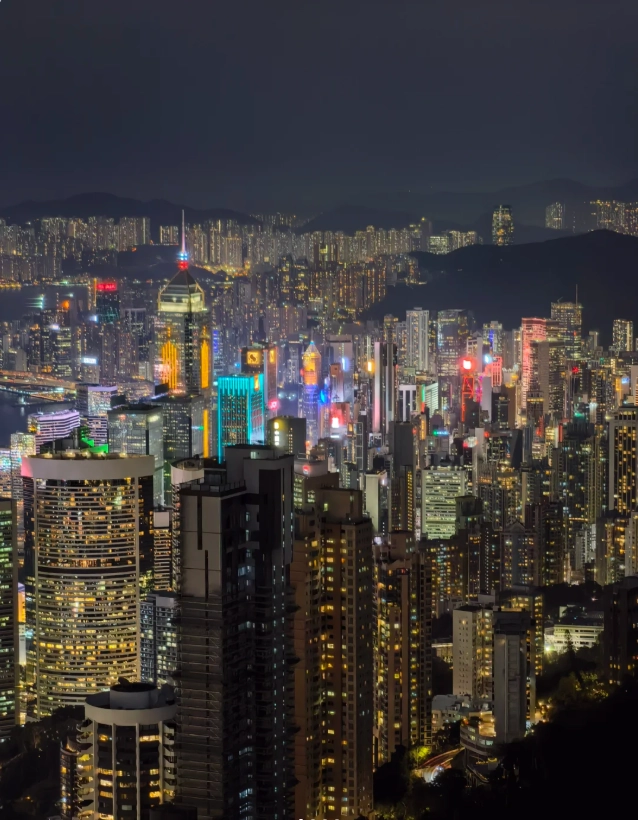
Language & Connectivity
Most signs at the Peak are bilingual (English and Chinese). The tram has an audio guide in English. But the staff speak basic English—enough to direct you. For translation, I use the Apple Translate app offline. Also, download a VPN before you come if you need to access certain apps (though in Hong Kong you likely won't need it).
What to Bring
- A light jacket (even in summer, the tram terminal and Sky Terrace are air-conditioned).
- Comfortable shoes (lots of walking, especially if you take the walking trail).
- Sunscreen and a hat (the sun is intense up there, even in late afternoon).
- A power bank (you'll be taking tons of photos and using maps).
Quick Answers to Common Questions
Verified and fact-checked by the editorial team.
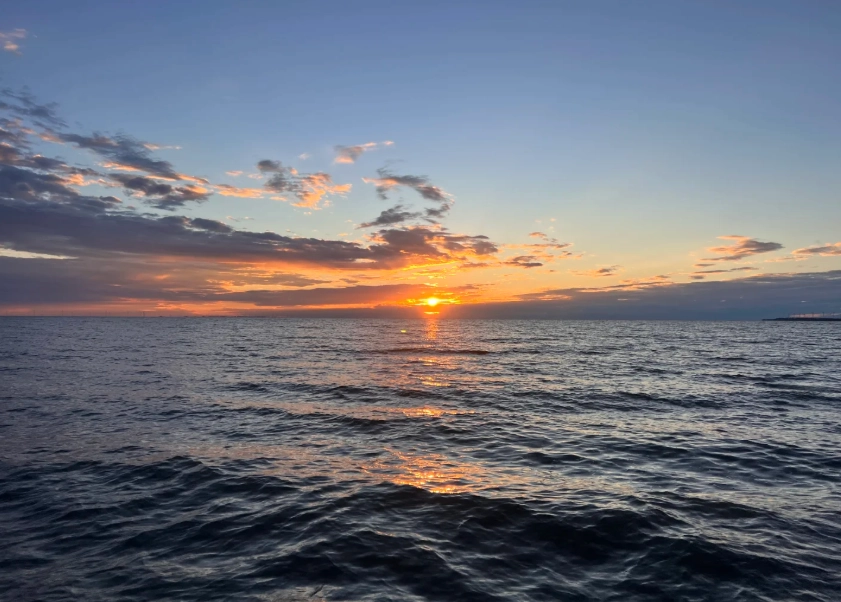





Couldn't agree more with the sunset strategy. Showed up at 5:15pm on a Saturday expecting chaos — but the trick is walking away from the main deck. Found an empty bench on the Barker Road path and watched the sun drop behind Lantau Island while the city hummed below. Felt like I had the whole peak to myself. Best view in Hong Kong, hands down.
Read the article before going and it was spot on. We took the bus up (tram was too crowded) around 5pm, did a short hike along Pinewood Battery, then watched the sunset from a quiet spot near the Peak Galleria. Perfect golden hour photos without fighting for space. The whole vibe was peaceful and romantic. Highly recommend planning your timing like this.
This is THE way to do Victoria Peak. Arrived at 4:45pm, walked the Lugard Road loop (almost no one there!) and got back to the Sky Terrace just as the sky turned orange and pink. The city lit up behind the mountains — absolutely magical. Zero crowd issues. If you follow this advice, you'll thank yourself. 5/5, no hesitation.
Managed to get the peak tram around 5:30pm on a Tuesday — still some queue but manageable. The sunset colors were gorgeous, blending into the city lights. Only gave 4 stars because the observatory deck had a few too many selfie-stick wielding tourists blocking the best angles. Still, a solid experience if you time it right.
Went up around 4pm hoping to catch the sunset without the maddening crowds. The view from the top was nice, but honestly the Sky Terrace was packed even at that hour. Spent most of my time elbowing for a spot near the railing. The sunset itself was beautiful, but the experience felt rushed and noisy. Maybe try a weekday instead?