 Tao Xu
What You’ll Learn Here
Alright, let's cut the crap. Hong Kong’s public transport is world-class, but for first-timers? It can be a maze. I’ve watched too many tourists spend half their trip figuring out the Octopus card. Here's the deal: you need the MTR, but not during rush hour. 7:30–9:30 AM and 5:30–7:30 PM? Avoid at all costs. And forget Google Maps – use Apple Maps or Citymapper. Now, let me show you exactly how to move around this city without wasting time or money.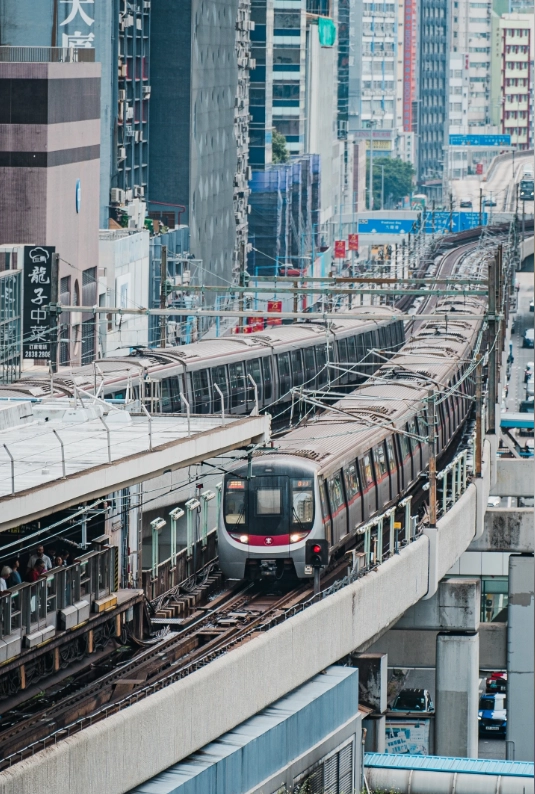
Octopus Card: The Single Key to Everything
The Octopus card is not just a transit card – it’s your wallet for convenience stores, vending machines, and even some taxis. I always tell my clients: buy one at the airport (arrival hall, Customer Service Centre) or any MTR station. You need HK$150 deposit (includes HK$50 refundable deposit and HK$100 stored value). For a 5-day trip, load HK$300–500; you can refund the unused balance (minus a HK$11 fee) at any MTR station before leaving.
I’ve seen tourists struggle with the Octopus because they didn’t know you can also use it on buses, the Peak Tram, and even some ferries. One more thing: don’t lose it. You’ll need it to exit the MTR if your fare exceeds the stored value – you can top up at any MTR station’s Add Value Machine (they accept cash and credit cards, but foreign cards sometimes fail).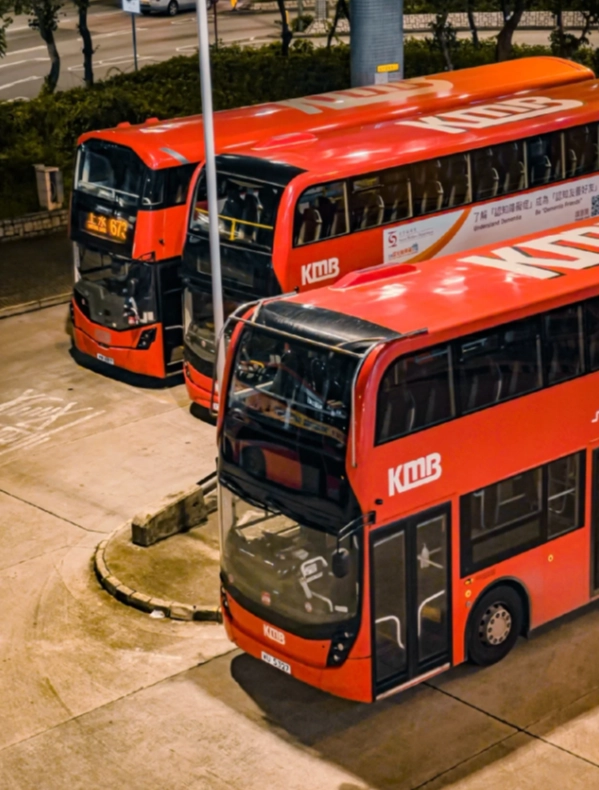
MTR: The Backbone of Hong Kong Transport
The MTR is fast, clean, and covers most tourist areas: Central, Tsim Sha Tsui, Mong Kok, Causeway Bay, and Disneyland. But here’s what no one tells you: the Tsuen Wan Line (red) is your best friend – it connects Tsim Sha Tsui to Mong Kok and Nathan Road. The Island Line (blue) runs along the north shore of Hong Kong Island.
Rush Hour Survival
If you must travel during peak, avoid Admiralty and Causeway Bay stations – they are absolute madhouses. I once had a client faint in the crowd (seriously). Better to take a bus or walk if your distance is short. Also, hold your phone tight; pickpockets are rare but happen in packed trains.
| Line | Color | Key Stops for Tourists |
|---|---|---|
| Airport Express | Lime green | Airport → Tsing Yi → Kowloon → Hong Kong Station (24 min, ~HK$115 one-way) |
| Tsuen Wan Line | Red | Central → Admiralty → Tsim Sha Tsui → Mong Kok → Tsuen Wan |
| Island Line | Blue | Kennedy Town → Sheung Wan → Admiralty → Causeway Bay → Chai Wan |
| Tung Chung Line | Orange | Hong Kong Station → Kowloon → Tsing Yi → Tung Chung (for Ngong Ping 360 cable car) |
The MTR runs from around 6 AM to 1 AM. Last trains are posted on platform screens. Don't rely on battery – take a photo of the last train timetable for your station. And if you’re traveling to Disneyland, the line is pink and named “Disneyland Resort Line” – it’s cute but can be crowded on weekends.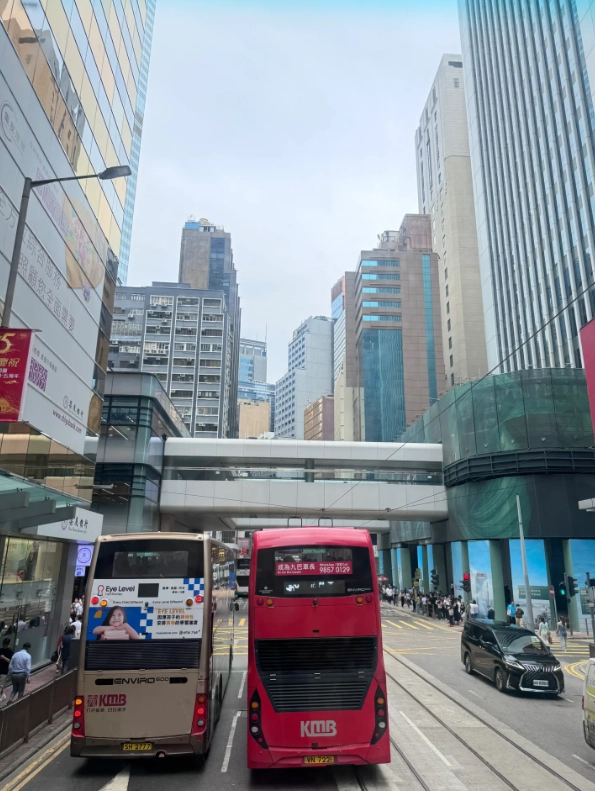
Buses: When the MTR Can't Reach
Buses cover every nook of Hong Kong, especially places like Stanley, Shek O, or the airport. The downside: complicated routes and no English announcements on some routes. I always recommend using the Moovit or Citymapper app – they show exact bus numbers and stops.
Here’s the tricky part: you tap your Octopus when boarding (and sometimes when alighting, for double-deckers). If you don’t tap off on certain routes, you’ll be charged the maximum fare. Always check the bus front: “Air-conditioned” means higher fare (but worth it). For the bus to the Tian Tan Buddha, take bus 23 from Tung Chung.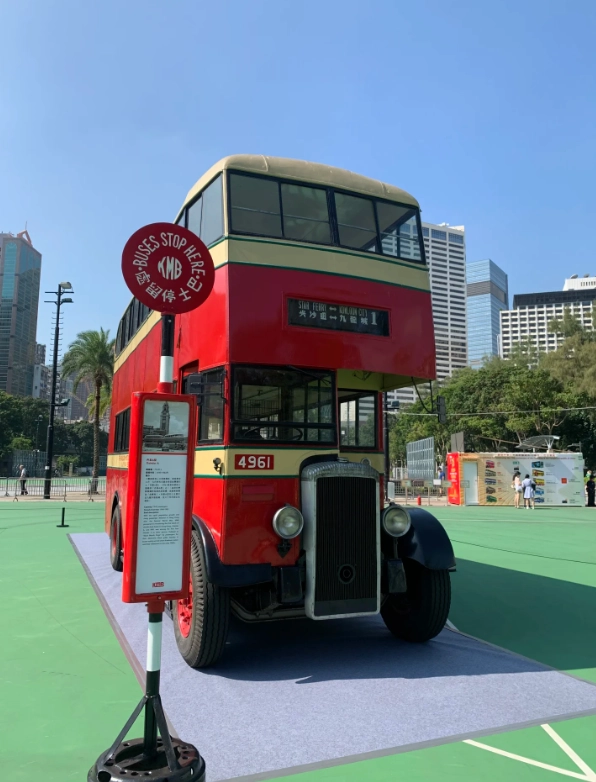
Taxis: Red vs Green, and How to Hail One
Hong Kong has three taxi colors: red (urban), green (New Territories), blue (Lantau). Red can go anywhere but is pricier; green only serves New Territories; blue only Lantau. All run on meter – base fare for red is HK$27, then HK$1.9 per 200m. Cross-harbor tunnels have surcharges (HK$15–50).
Hailing: stand on the street with your arm out – they stop. But don’t expect them to understand English. Show your destination in Chinese or use a taxi-hailing app like DiDi (they have an English version). Did you know? Tipping is not expected, but rounding up to the nearest dollar is fine.
One nasty surprise: taxi drivers often refuse short distances (especially in Tsim Sha Tsui during rain). Just step back and try another one, or use Uber – but Uber is more expensive. For groups of 3–4, taxis can be cheaper than MTR for short trips.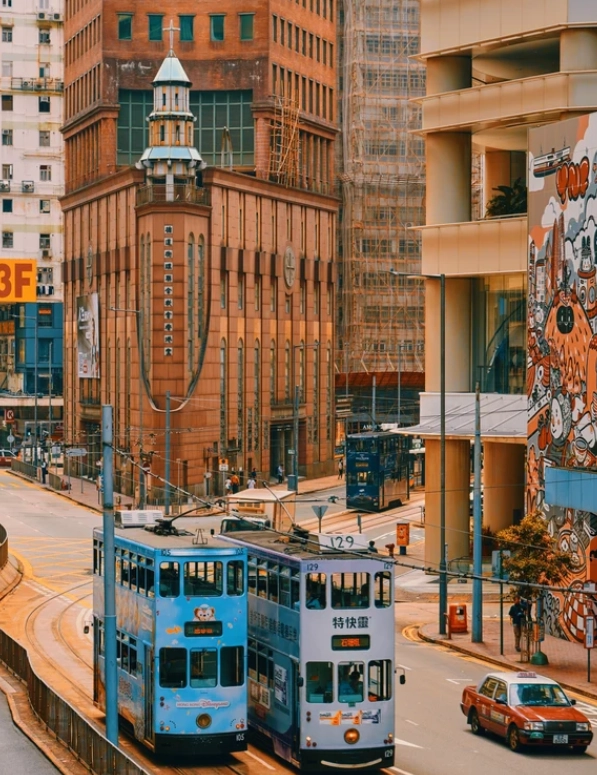
Ferries: The Star Ferry and Beyond
The Star Ferry is a must-do – it connects Tsim Sha Tsui to Central and Wan Chai. The upper deck costs HK$4 (cash or Octopus), lower deck HK$3.2. The best time: just before sunset for the skyline view. I always tell groups: sit on the right side (outbound from TST) for the best photo.
Other ferries: the one to Cheung Chau, Lamma, or Discovery Bay. Use the Octopus for all. The Central Pier is the hub. For Lamma, walk from Central Pier 4 – the ferry runs every 30–60 min; check schedule online. Important: some outlying ferries do not accept Octopus – bring some cash (in small denominations).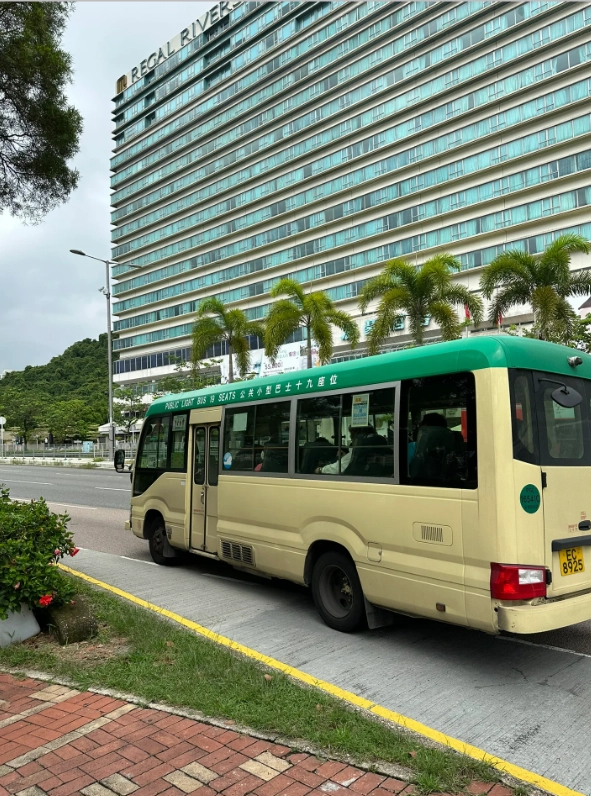
Airport Transfer: Express Train vs Taxi vs Bus
You have three options from the airport to the city. Prices as of 2024:
| Mode | Time | Cost (to Tsim Sha Tsui) | Best For |
|---|---|---|---|
| Airport Express | 24 min to Kowloon | HK$105 (online advance fare via Klook or Trip.com) | Solo travelers or those with light luggage; free shuttle bus to hotels |
| Taxi | 30–50 min (traffic) | HK$250–350 | Groups of 3–4 with heavy luggage; door-to-door |
| Cityflyer Bus (A21) | 45–60 min | HK$33 | Budget travelers; goes directly to Hung Hom via Nathan Road |
Heads-up: If you pre-book Airport Express tickets on Klook or Trip.com, you save about 10% and skip the ticket queue. Show your voucher on phone. For taxis, there’s an extra HK$6 per bag if placed in the trunk. I always take the Airport Express – it’s reliable and I hate traffic.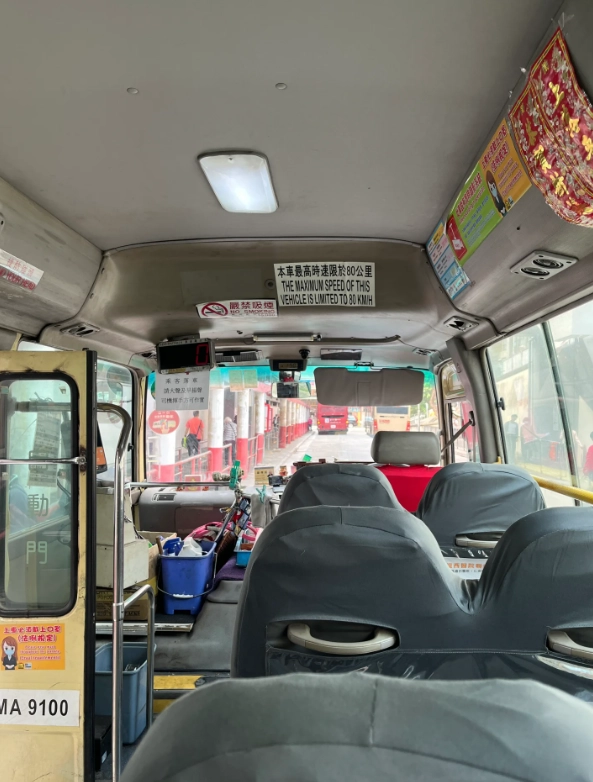
FAQ: Common Questions About Hong Kong Public Transport
Verified and fact-checked by the editorial team.







No comments yet.