 Jian Zhao
Let's get one thing straight. The Shaanxi Roujiamo you might have tried at a food court outside China? It's a pale imitation. The real thing, found in the backstreets of Xi'an, is a messy, glorious, soul-warming masterpiece. It's not just a snack; it's an experience woven into the fabric of local life. After countless visits and more roujiamo than I care to admit, I've learned that finding the perfect one is part skill, part luck, and mostly knowing where to look. This guide is about cutting through the noise and getting you to the good stuff.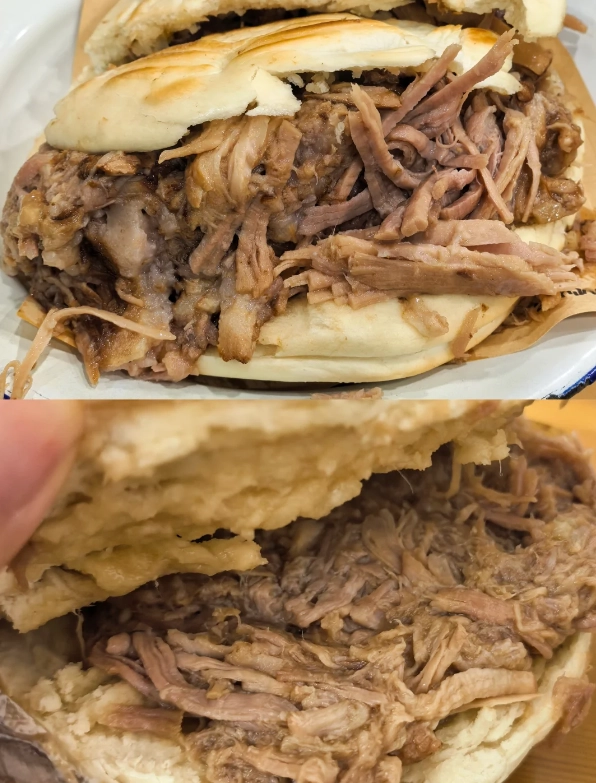
Trust me on this.
What’s Inside This Guide
What is a Real Shaanxi Roujiamo?
Calling it a "Chinese hamburger" does it a disservice. It sets up the wrong expectation. A hamburger is assembly. A great roujiamo is alchemy.
The magic happens in two parts. First, the "mo" (the bread). Authentic Shaanxi roujiamo uses "baiji mo". It's a flatbread cooked in a specific unglazed clay oven until it's crispy on the outside, soft and layered inside, with a slight smoky flavor. The other type, "tongguan mo", is flaky and pan-fried, almost like a puff pastry. It's delicious, but purists argue the baiji mo is the true classic. The bread must be fresh, warm, and sturdy enough to hold the filling without disintegrating.
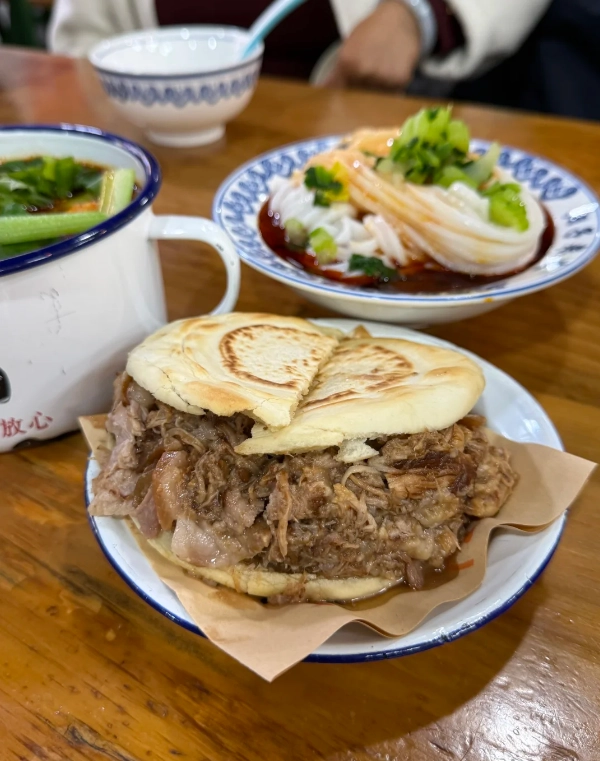
Then, the "rou" (the meat). This is where most imitations fail. It's not just pulled pork. It's typically pork belly or shoulder, stewed for hours in a complex broth laden with over 20 spices like star anise, cinnamon, ginger, and a local spice called huajiao (Sichuan pepper). The meat should be so tender it falls apart at the touch of a cleaver, juicy but not greasy, and deeply flavorful. The vendor chops it finely, mixes it with a ladle of that rich braising liquid, and stuffs it generously into the freshly split bread.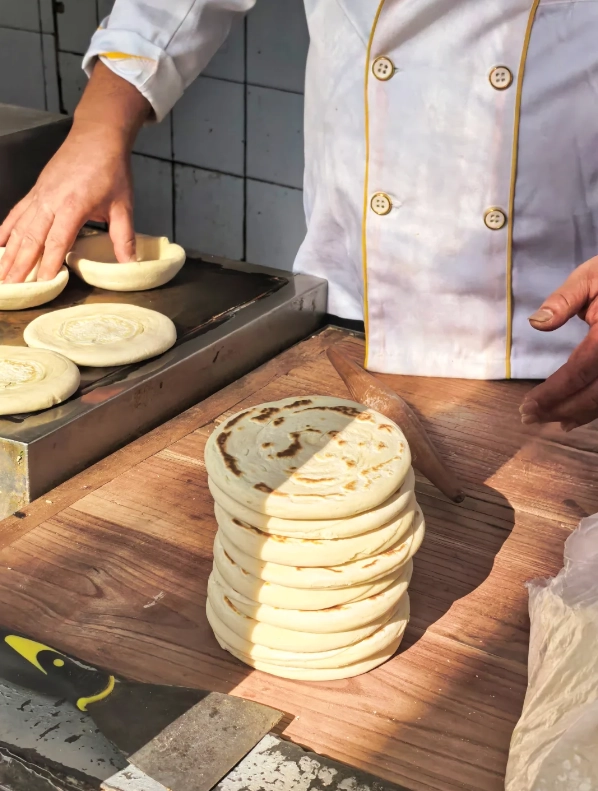
The texture is everything. The crunch of the mo gives way to the soft, steaming hot meat. Juice should drip down your hand—that's a sign of quality, not poor construction. If it's dry, you've been shortchanged.
Where to Find the Best Roujiamo in Xi'an
Forget the big, shiny restaurants on the main tourist drag. The best spots are often hole-in-the-wall joints with a line out the door, a single focus, and a proprietor who's been doing this for decades. Based on my last trip and many conversations with local friends, here are three places that consistently deliver.
| Shop Name | Address & Key Info | What Makes It Special | Price Range | Opening Hours |
|---|---|---|---|---|
| Lao Bai Jia (Old Bai's Home) | Beiyuanmen, Lianhu District (Inside the Muslim Quarter). Look for the long queue near the drum tower entrance. | This is the benchmark for many. Their pork is exceptionally fragrant, with a perfect fat-to-lean ratio. The mo is made on-site and has that ideal crispness. It's a no-frills, one-product operation. | ¥12 - ¥15 | 8:00 AM - 10:00 PM (but often sells out by evening) |
| Ziwulu Zhangji Roujiamo | Multiple branches. The one at 233 Ziwulu Road is a flagship. Easier to find than some hidden spots. | They offer both baiji mo and the flaky tongguan mo. Their braising liquid is legendary—deep, complex, and not overly salty. A great option if you want to try both bread styles. The environment is slightly more modern. | ¥10 - ¥18 (premium cuts cost more) | 7:00 AM - 9:30 PM |
| Qin Yu Roujiamo | Dongmutou Shi, near the City God Temple. It's a bit off the main tourist path. | This is a local's secret. Smaller, older, and feels untouched by time. The meat is chopped rougher, giving a more rustic, hearty texture. The flavor is robust and peppery. You come here for authenticity, not ambiance. | ¥10 - ¥12 | 7:30 AM - 8:00 PM |
A word on the Muslim Quarter. You'll see many stalls selling roujiamo. Be careful. Many use pre-made, steamed buns and stewed meat that's been sitting for too long. Lao Bai Jia is the exception that proves the rule. The rule is: look for the place making their own bread.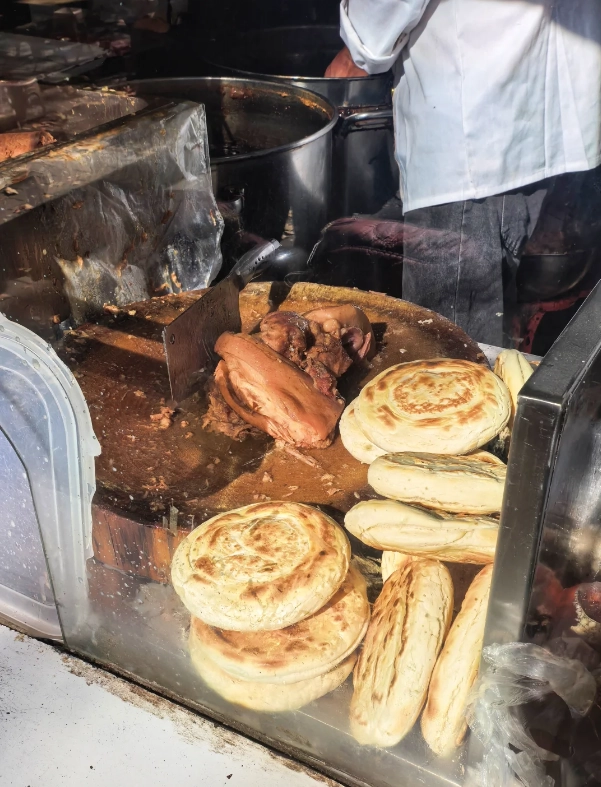
The Visual Clues of a Great Shop
When you're wandering, use these signs to spot a winner.
- A visible clay oven (huokao) with fresh mo being made. If you don't see it, they're probably reheating.
- A large, dark pot of simmering meat. The broth should look rich and dark, not watery.
- The sound of rhythmic chopping. That constant *thwack-thwack-thwack* on the wooden block is the music of a busy, good shop.
- A local crowd. If you see delivery drivers, shopkeepers, and elderly residents in line, you're in the right place.
How to Eat Roujiamo Like a Local
Ordering is just the first step. How you handle it matters.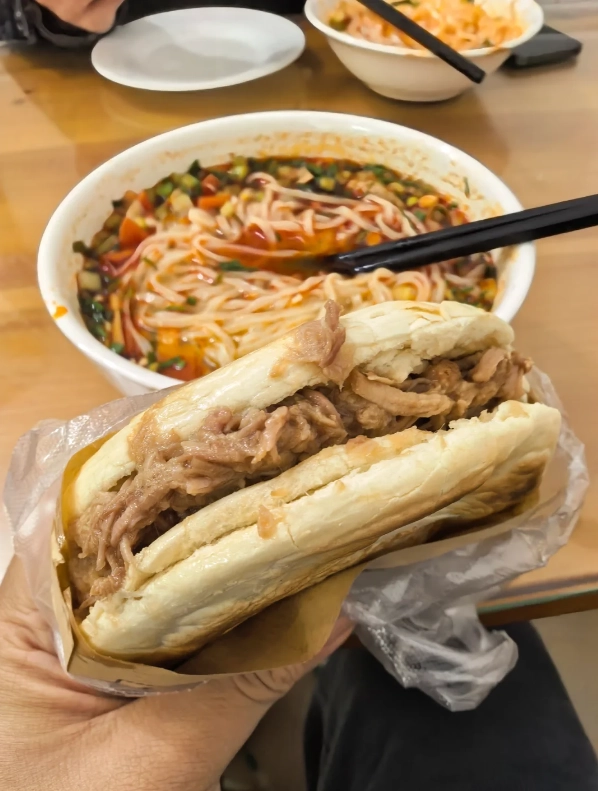
First, the order. When you get to the counter, just say how many you want: "Yi ge" (one) or "Liang ge" (two). They'll ask if you want "fei" (fatty) or "shou" (lean). My advice? Go for "feishou xiangjian" (half fatty, half lean). The fat carries the flavor and juiciness. Pure lean can be dry.
The hold. They'll hand it to you in a thin paper bag. Grip it from the bottom with the paper wrapped around. This catches the juices. Never hold it horizontally like a sandwich—that's a direct path to a stained shirt.
The pairing. A roujiamo is rich. You need something to cut through it. The classic combo is a bowl of liangpi (cold skin noodles) or a simple hu lu tou
Don't use utensils. It's street food. Embrace the mess.
Common Roujiamo Mistakes (And How to Avoid Them)
I've seen tourists make these errors time and again. Learn from them.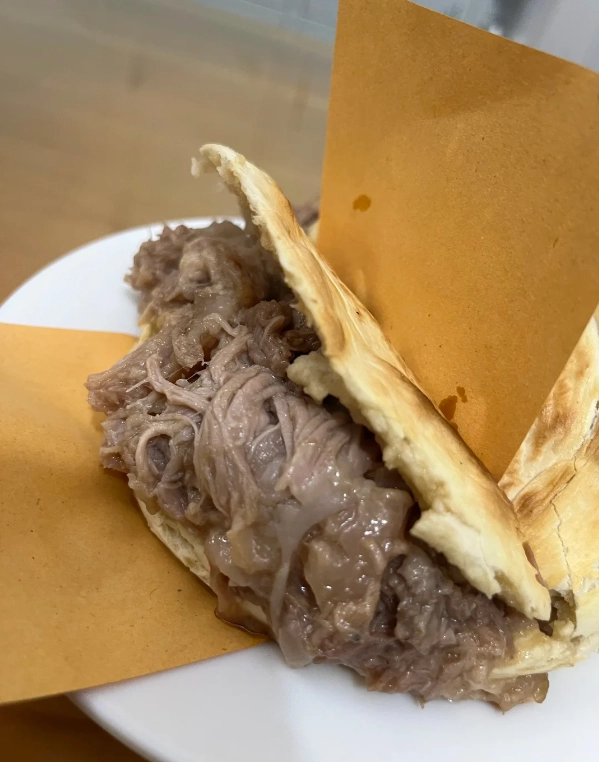
Mistake 1: Going for the prettiest shop. The most photogenic storefront with an English menu is often the most mediocre. The magic is in the grimy, busy, chaotic places where the only decoration is the sheen on the decades-old counter.
Mistake 2: Asking for extra sauce or vegetables inside. This isn't a Subway. The flavor balance is sacred. The only addition ever considered is a bit of green pepper chopped with the meat, and even that is divisive among purists. Just take it as it comes.
Mistake 3: Assuming all roujiamo are the same. There's a huge gulf between a mass-produced version and an artisanal one. The difference is in the time—the time stewing the meat, the time making the bread fresh for each order. If it's served in a plastic-wapped, pre-made bundle, walk away.
Mistake 4: Eating it slowly. The mo loses its crispness as the steam from the meat softens it. The optimal experience is in the first five minutes. Find your spot, then dig in immediately.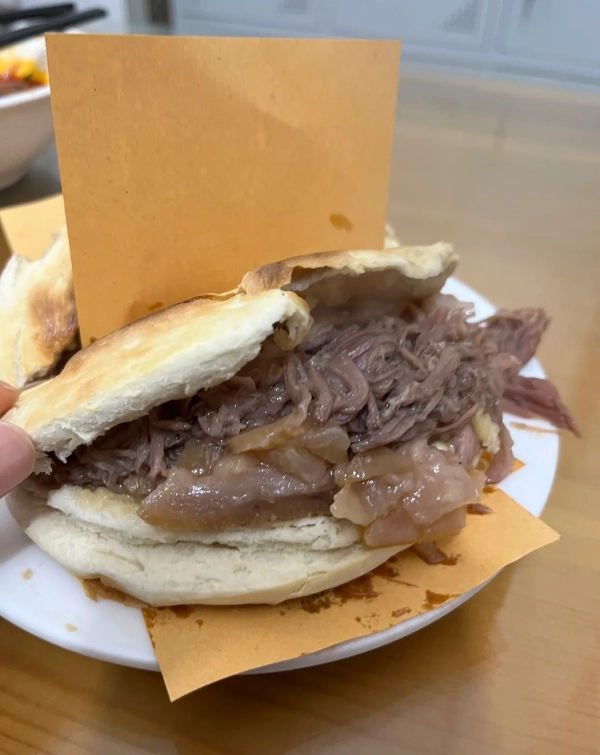
Your Roujiamo Questions Answered
 What's the best time of day to get a roujiamo to avoid the longest lines?
The final, unspoken rule of roujiamo? There's no single "best" one. It's about the one that hits the spot for you. Maybe you prefer the extra-crispy bread from one vendor or the more peppery stew from another. The joy is in the hunt, the first hot bite, and the satisfying mess left on your fingers. Use this guide as a starting point, then let your own taste buds lead the way. You can learn more about the rich culinary context of Shaanxi from resources like the Shaanxi Provincial Government website or the detailed entry on Wikipedia.
Now go get one. You're welcome.





No comments yet.