 Fang Wang
Quick Navigation
I still remember the first time I led a group to Nanputuo Temple. "Is this the right entrance?" one traveler asked, clutching a map that showed a completely different route. Google Maps had failed us again. But once we stepped through the side gate—the one locals use—the chaos melted into tranquility. That's when I realized: getting the perfect shot here isn't about gear; it's about knowing where to stand and when.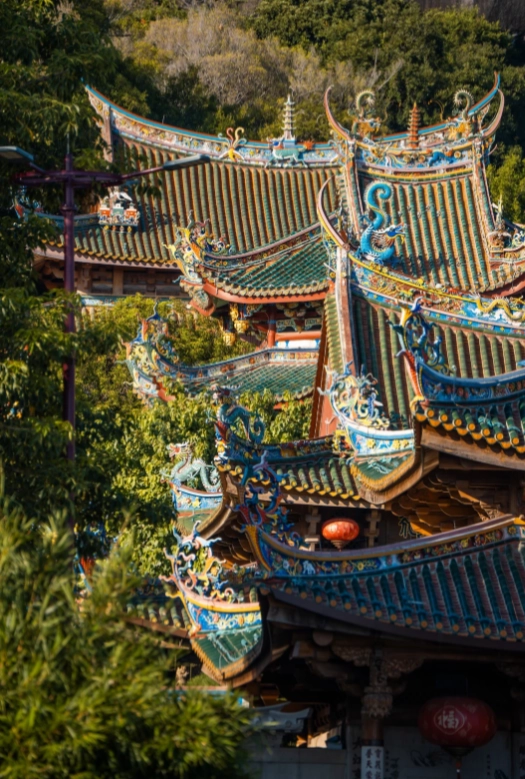
So if you're hunting for Nanputuo Temple photography spots, let me save you the trial and error. Most tourists rush to the main hall and miss the hidden gems. I've been guiding here for years, and I've seen people struggle with lighting, crowds, and even payment issues. Let's fix that.
The single most important tip: arrive at 7 AM. The temple opens at 3 AM for devotees, but photography-wise, the golden hour from 6:30 to 8 AM gives you soft light and few people. After 9 AM, tour buses arrive like clockwork.
Why Nanputuo Temple Is a Photographer's Dream
Nestled at the foot of Wulao Peak, this Tang-dynasty temple (rebuilt in the 1920s) offers a rare mix of architectural symmetry, natural frames, and cultural energy. The orange walls, green glazed tiles, and intricate carvings change character with the shifting light. And the reflection of the 42-meter pagoda in the lotus pond? Pure gold.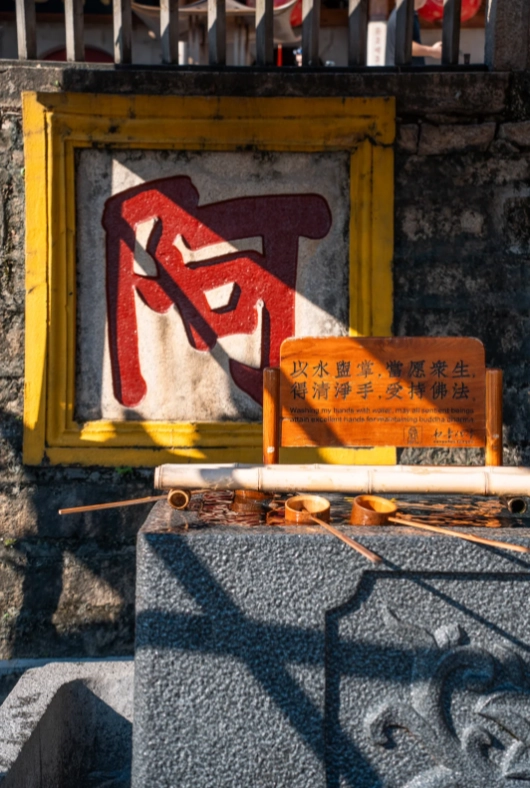
Top Photo Spots Inside the Temple Grounds
The Lotus Pond (Reflection Point)
Stand at the south end of the pond, facing north. Align the pagoda with the center of the water. Use a wide-angle lens (16-24mm) to capture both the reflection and the sky. Best after light rain when the water is still. Avoid afternoons—the wind picks up and ripples the reflection.
The Main Hall Steps (Symmetry)
Position yourself at the bottom of the main staircase. Shoot straight up the center to capture the layered eaves and the golden Buddha image inside. Mid-range zoom (24-70mm) works best. Time it: right after morning prayers end (around 8:30 AM) when devotees trickle out, but before the crowds flood in.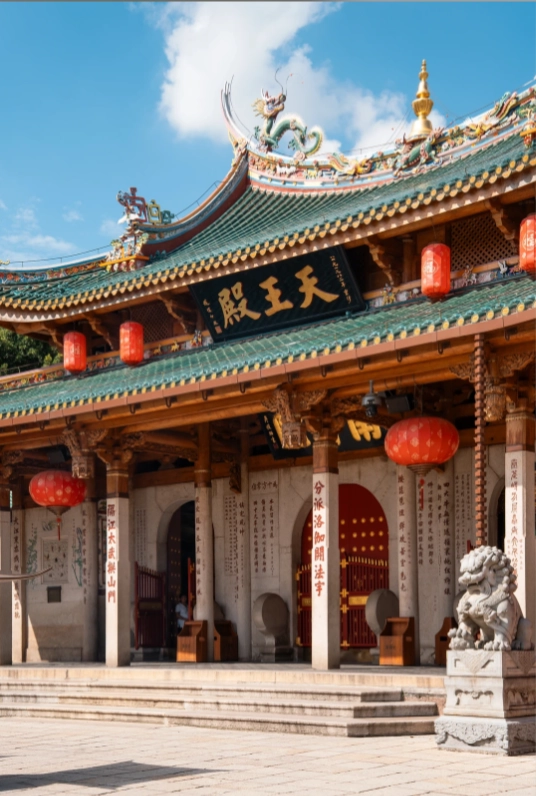
Hilltop Viewpoint (City + Temple)
A short climb behind the temple leads to a vantage point overlooking the entire complex and Xiamen University. Use a telephoto (70-200mm) to compress the buildings. Sunset is spectacular here, but beware—the trail gets slippery after rain. Bring a flashlight for the descent.
The Scripture Hall Interior (Details)
Inside the hall, the low light and red pillars create moody shots. Use a fast prime lens (35mm f/1.4) to capture the incense smoke and golden statues. No flash allowed. Tripods are permitted only in the courtyard—leave it outside the hall. The best time is 11 AM when a beam of sunlight hits the main altar from a skylight.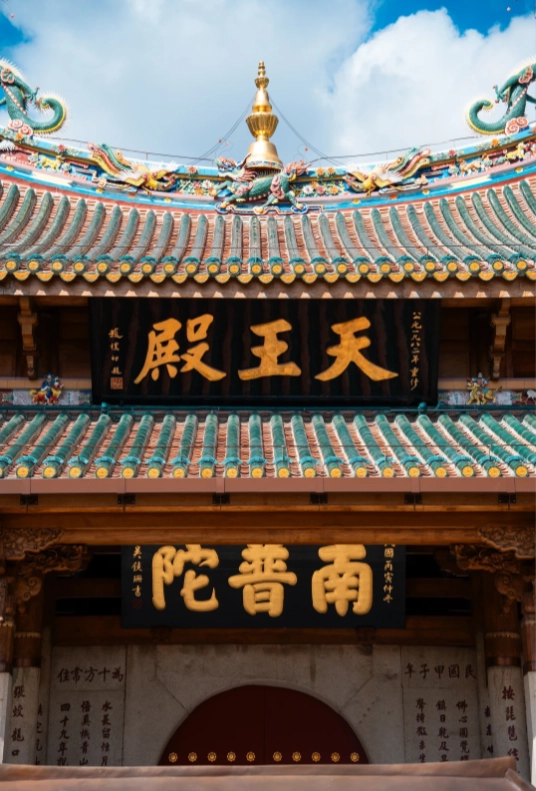
Best Time of Day for Photography
Golden Hour (6:30–8:00 AM)
Soft, warm light wraps the temple. The lotus pond reflects the pagoda with minimal wind. Crowds are thin. This is your prime window.
Blue Hour (Sunset – 30 min after)
The sky turns deep blue, lanterns glow, and the temple's outline remains. Perfect for long exposures (5–10 seconds) at the pond. Use a tripod.
Why Midday Is Your Enemy
Harsh overhead light creates unflattering shadows and washes out colors. Plus, the sun directly overhead makes the reflection pool a mirror of white sky. If you're stuck at midday, head indoors to the Scripture Hall or detail shots of carvings.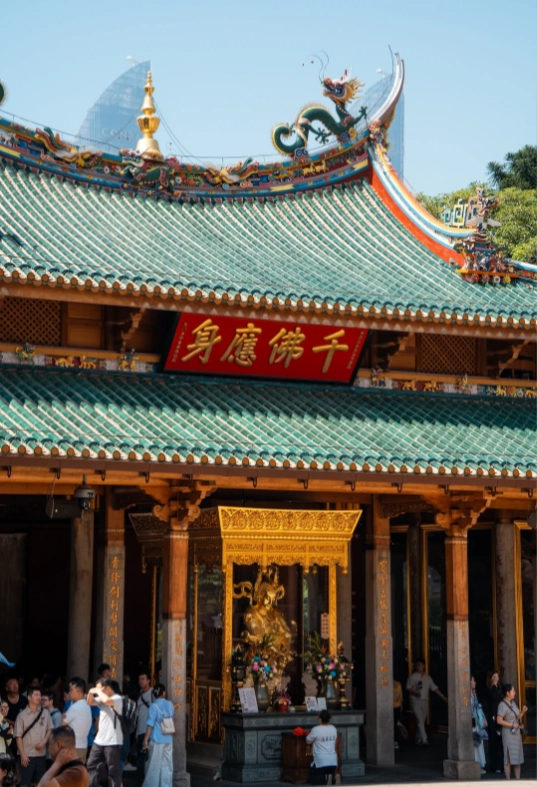
Practical Tips for Foreign Visitors
How to Book Your Entry
Entry is free, but you must reserve in advance. The official way is via WeChat mini-program "南普陀寺预约"—but it's entirely in Chinese. I always tell my clients to ask their hotel reception to handle it. Alternatively, show up with your passport and they'll help at the gate (if slots remain). Peak seasons (spring and autumn weekends) fill up fast. Pre-book a few days ahead.
Getting There
Metro Line 1 to Zhenghai Road Station (Exit 1). Walk south 15 minutes or take a quick taxi (5 minutes). Tell the driver "南普陀寺西门" (Nánpǔtuó Sì Xīmén). The side gate has a shorter queue. Apple Maps or Baidu Maps work—Google Maps is unreliable in China.
Payment Methods
Inside the temple, all food stalls and souvenir shops accept Alipay/WeChat Pay. Cash is not accepted at most stalls, but you can use cash for donations at the offering boxes. Bring your international card for backup (though rarely usable). I recommend loading your Alipay with some CNY before arrival.
How to Avoid Crowds and Get Clean Shots
Secret Entrance via Side Gate
Most foreigners enter through the grand south gate—and wait 20 minutes in line. The west side gate (opposite Xiamen University entrance) has a separate line that moves faster. Use it. I've tested this dozens of times: it saves 10–15 minutes on busy weekends.
Weekdays vs. Weekends
Tuesday to Thursday are quietest. Monday? The temple is open, but some halls close for maintenance. Avoid Saturday and Sunday completely unless you arrive before 7 AM. Chinese New Year and National Day (Oct 1–7) are a nightmare—I'd honestly skip those if photography is your goal.
The Lunchtime Lull
Between 12:00 and 13:30, tour groups disappear for lunch. The main courtyard empties out. Use this window for wide shots of the halls without people.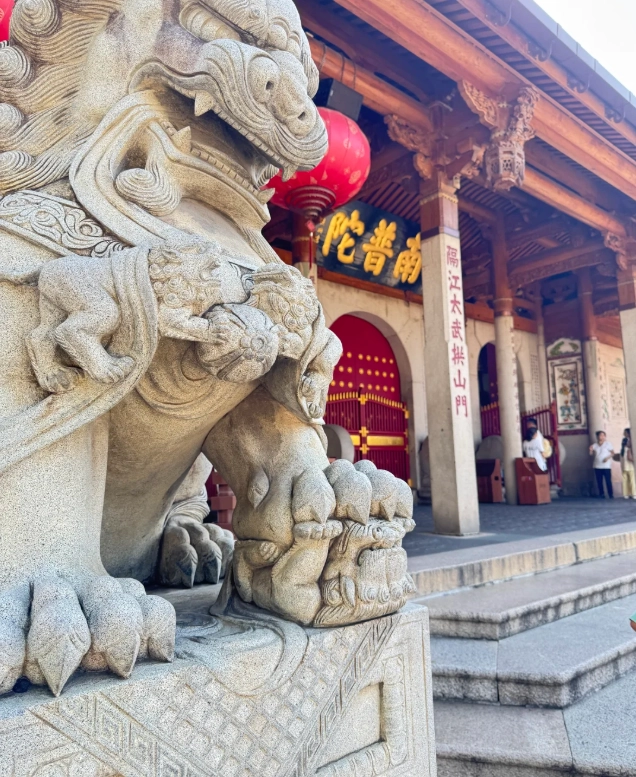
Camera Settings and Gear Recommendations
Best Lenses for the Temple
- Wide-angle (16-24mm): Essential for the lotus pond and architecture.
- Standard zoom (24-70mm): Versatile for most scenes.
- Telephoto (70-200mm): For the hilltop view and compressed details.
- Fast prime (35mm f/1.4 or 50mm f/1.8): Great for low-light interiors.
Tripod Policy
Tripods are allowed in outdoor areas but not inside the main halls. Set up at the lotus pond or hilltop. For blue hour shots, a tripod is invaluable. Collapsed tripods must be carried in a bag—some staff may stop you if it's protruding.
Dealing with High Contrast
The orange walls and dark interiors create a 5+ stop difference. Use HDR or bracket exposures. Sunlight spills into the main hall through skylights — meter for the highlights and let the shadows go dark for drama. Or expose for the shadows and recover highlights in post. A polarizing filter can cut glare on tiles and pond water.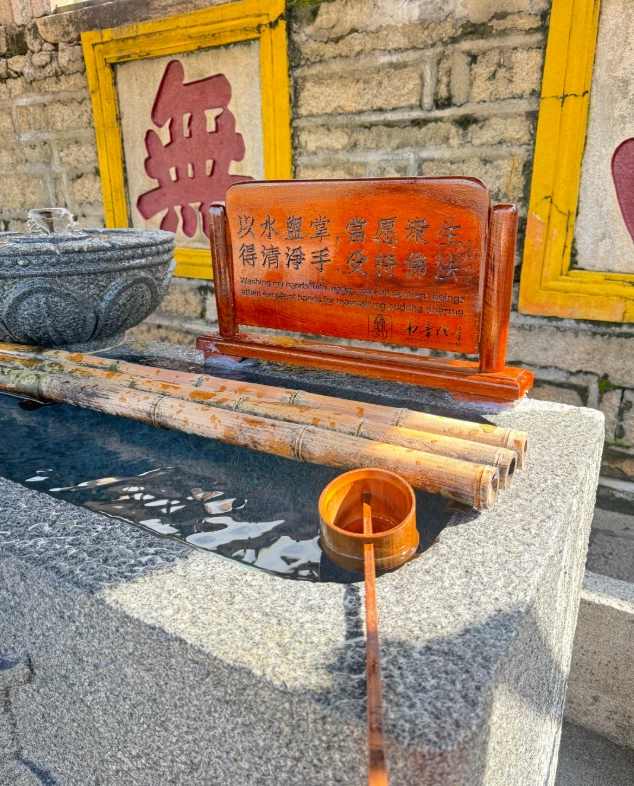





No comments yet.