 Fang Wang
What's Inside This Guide
Most visitors to Shanghai follow the same well-trodden path. They snap photos on the Bund, get lost in the Yu Garden crowds, and ascend one of the towering skyscrapers. There's nothing wrong with that. But if you want to understand the city's layered soul—the parts that pulse with local life, whisper forgotten histories, and inspire genuine creativity—you need to look beyond the postcard spots.
I've spent years exploring Shanghai's backstreets and overlooked corners. The places I'm sharing aren't just obscure for the sake of it. They are authentic slices of the city that offer a tangible experience you can't get from a guidebook listicle. They have texture, stories, and sometimes, a slight sense of discovery that makes travel memorable.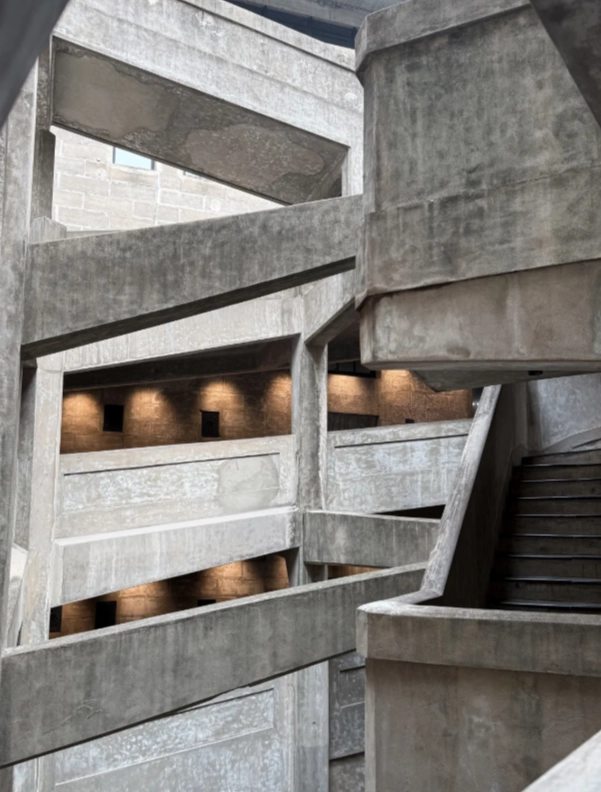
Why Seek Out Shanghai's Hidden Gems?
It's not about bragging rights. The real value lies in the experience. On my last visit to 1933 Old Millfun, I watched a local photographer patiently waiting for the perfect light to slice through the concrete labyrinth. He wasn't a tourist. He was there for the space itself, for its unique geometry and mood. That's the difference. Hidden gems offer a connection to the city's functional and artistic life, not just its curated tourist face.
You escape the oppressive crowds and commercial buzz. You engage with spaces that are used by artists, history buffs, and Shanghainese residents going about their day. The pace is slower. The interactions feel more genuine. You're not just observing Shanghai; for a moment, you're participating in it.
Top 5 Shanghai Hidden Gems You Shouldn't Miss
Here are five places I keep returning to, each offering a distinct flavor of Shanghai's secret life. I've included the nitty-gritty details you need to actually go there.
1. 1933 Old Millfun (1933 Laochangfang)
This is the crown jewel of Shanghai's hidden architecture. From the outside, it's a grim, grey Art Deco fortress. Step inside, and you're in a breathtaking concrete maze of ramps, bridges, and aerial walkways. It was originally a slaughterhouse, designed by British architects and famed for its ingenious, humane (for the time) layout. The echo of its past is palpable.
Today, it houses design studios, boutique shops, and cafes. The genius is in the details: the textured concrete walls, the circular open-air atrium where light pours in, and the narrow staircases that feel like secret passages. I spent an hour just watching the play of shadows on the walls. Avoid weekends if you can; weekdays are serene and perfect for photography.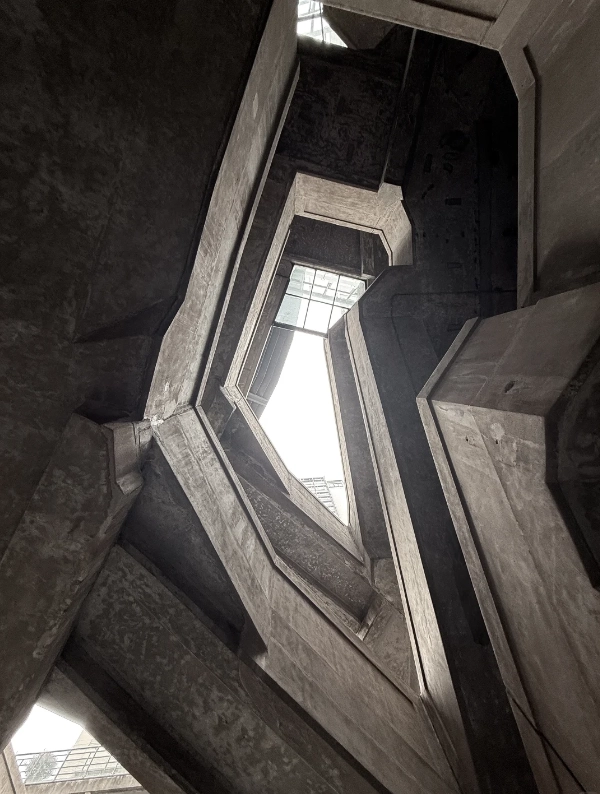
Plan Your Visit
Address: 10 Shajing Lu, Hongkou District. It's not on a major metro line, which adds to its offbeat feel.
Metro: Take Line 4 or 10 to Hailun Lu Station, then a 15-minute walk. Use a map app—the route isn't immediately obvious.
Opening Hours: The complex is accessible from roughly 9:00 AM to 10:00 PM, but individual shops and cafes have their own hours.
Admission: Completely free to enter and explore the main structure.
My Tip: Head to the top floors first for the best overview shots, then work your way down the spiraling ramps.
2. M50 Creative Park (M50)
While the Power Station of Art gets the big exhibitions, M50 is where Shanghai's contemporary art scene lives and breathes. Housed in a converted riverside textile mill on Moganshan Road, it's a sprawling compound of gritty galleries and artist studios. You can peek into working spaces, see art in progress, and often chat directly with gallery owners.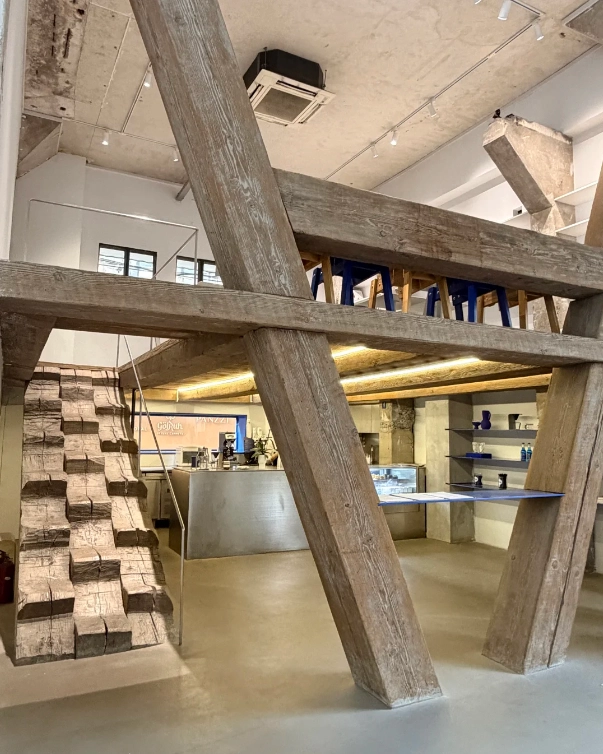
The art here is edgier, more experimental. You'll find everything from political paintings to surreal sculptures. Don't just stick to the main path; the best murals and hidden courtyards are tucked away in the alleys between buildings. I found a tiny studio where an artist was creating intricate sculptures from discarded electronic parts—something you'd never see in a mainstream museum.
Plan Your Visit
Address: 50 Moganshan Lu, Putuo District.
Metro: Line 13 to Jiangning Road Station, Exit 3, followed by a 10-minute walk.
Opening Hours: Most galleries open from 10:00 AM to 6:00 PM, Tuesday to Sunday. Many are closed on Mondays.
Admission: Free entry to the park and most galleries.
My Tip: Go hungry. There's an excellent, no-frills noodle shop just outside the main gate on Moganshan Lu that's packed with locals.
3. The Hidden Courtyards of the Former French Concession
Everyone walks down Fuxing Road or Hengshan Road. The trick is to look for the open gates. Behind many unassuming walls lie lilong (alleyway) housing complexes and shared courtyards. These are not manicured tourist spots like Tianzifang; they are living communities.
I once wandered through an open gate on Julu Road and found a quiet courtyard with bicycles stacked against shikumen doorways, laundry hanging overhead, and the sound of a radio playing from an upstairs window. It was a peaceful snapshot of daily life. Remember, these are people's homes. Be discreet, don't point cameras intrusively, and if a gate is closed, don't try to enter.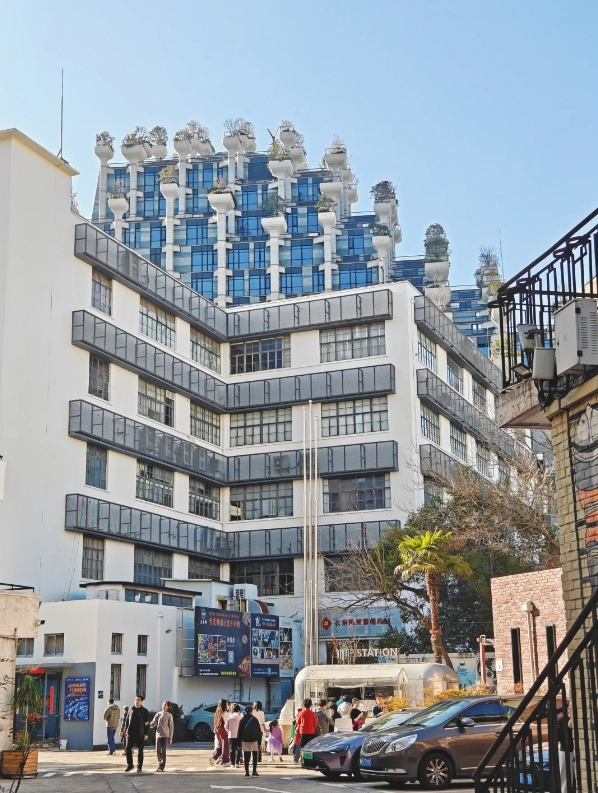
4. Shanghai Postal Museum
Housed in the stunning former Shanghai Post Office building on the north end of the Suzhou Creek, this museum is an architectural masterpiece that most rush past on their way to the Bund. The grand marble hall with its vaulted ceiling is worth the visit alone.
The real hidden gem is on the rooftop. After viewing the historical postal artifacts (more interesting than it sounds), take the elevator to the open-air terrace. You get a panoramic, unobstructed view of the Lujiazui skyline across the river—a unique and far less crowded perspective than from the Bund. It feels like a secret balcony over the city.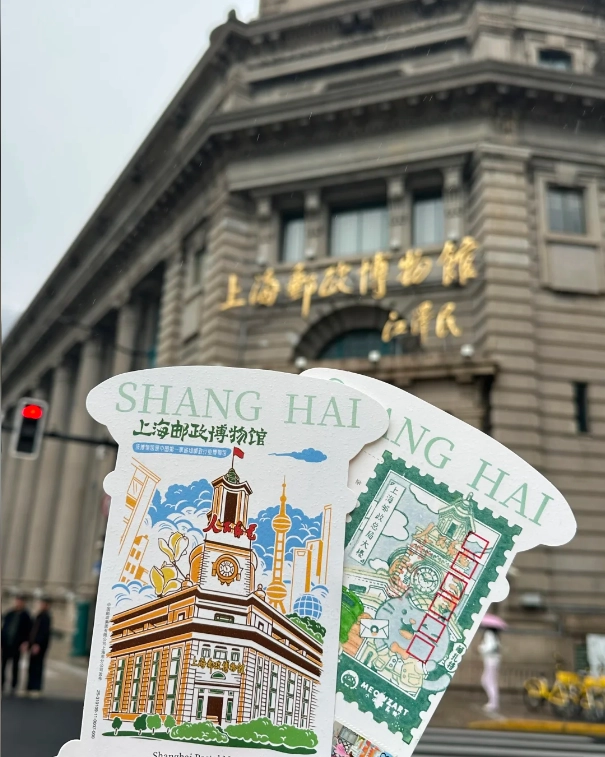
Plan Your Visit
Address: 250 Suzhou Bei Lu, Hongkou District.
Metro: Line 10 or 12 to Tiantong Road Station, Exit 3.
Opening Hours: 9:00 AM to 5:00 PM, Wednesday, Thursday, Saturday, and Sunday. Closed Monday, Tuesday, and Friday. (Yes, it's a quirky schedule—check before you go).
Admission: Free, but you may need to register your ID at the entrance.
5. Fuxing Park (Fuxing Gongyuan)
In a city of manicured public spaces, Fuxing Park retains a wonderfully unscripted, local energy. Early mornings are magic. You'll find ballroom dancers waltzing near the bandstand, people practicing tai chi under the trees, and groups engaged in intense games of Chinese chess. It's a vibrant, open-air social club.
I like to grab a coffee from a nearby shop and just sit on a bench. It's the best people-watching in Shanghai. The park's European-style layout (it was originally a French park) with its rose gardens and shaded paths makes it feel like a tranquil island. It's not exactly "hidden," but most tourists prioritize the more famous Yu Garden, leaving this one for the locals.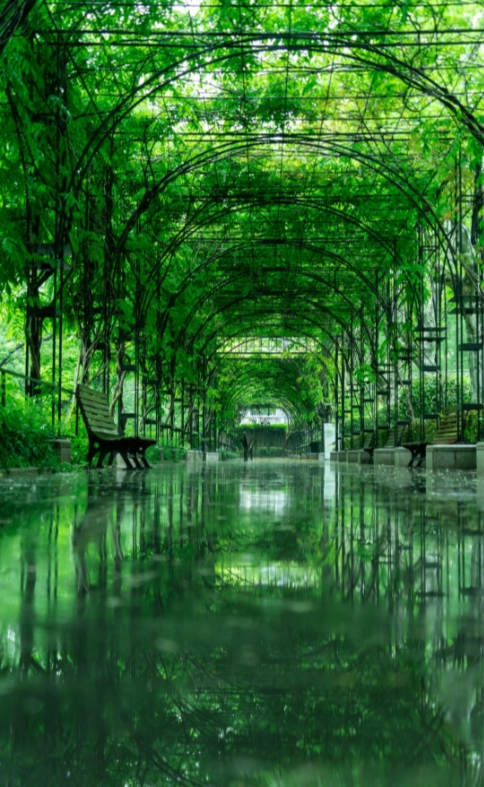
How to Plan Your Hidden Gems Itinerary?
You can't rush these places. Trying to cram all five into one day defeats the purpose. Here’s a more sensible approach based on geography and vibe.
| Itinerary Focus | Suggested Gems | Practical Notes |
|---|---|---|
| Half-Day: North of Suzhou Creek | Shanghai Postal Museum, 1933 Old Millfun | These are relatively close. Do the Postal Museum first for the morning light on the rooftop, then taxi to 1933 (a 10-minute ride). Wear comfortable shoes for walking on concrete. |
| Full-Day: Art & Atmosphere | M50 Creative Park, Fuxing Park, French Concession Courtyards | Start at M50 in the morning when galleries are fresh. After lunch, take the metro to the Former French Concession. Explore the streets, peek into courtyards, and end with a late afternoon rest in Fuxing Park. |
| The Solo Explorer Day | 1933 Old Millfun, then wander north along Suzhou Creek | After 1933, walk west along the recently renovated Suzhou Creek walkways. You'll pass old warehouses, local neighborhoods, and small parks rarely seen by tourists. It's improvised and rewarding. |
Navigation is key. While Shanghai's metro is excellent, some of these spots require a short walk from the station. Always have a working offline map like Google Maps or Maps.me. Taxis and ride-hailing apps (like Didi) are affordable and efficient for connecting dots that aren't metro-friendly.
What Are Common Mistakes When Visiting Shanghai Hidden Gems?
I've seen visitors get frustrated. Usually, it's because of a few avoidable errors.
Expecting Western-style convenience. Some places might not have clear English signs. The cafe might be cash-only. The restroom could be basic. This isn't a flaw; it's part of the authentic texture. Come prepared with some cash and a sense of adventure.
Being too loud or disrespectful. Especially in residential courtyards or quiet art galleries. Your experience shouldn't degrade someone else's daily life. Observe quietly.
Giving up too easily. The entrance to 1933 can seem imposing. M50's industrial exterior might look closed. Push the door, walk in. The reward is on the other side.
Overlooking the context. Reading a brief history of the Former French Concession or the Suzhou Creek industrial area before you visit will transform a simple walk into a fascinating exploration of layers.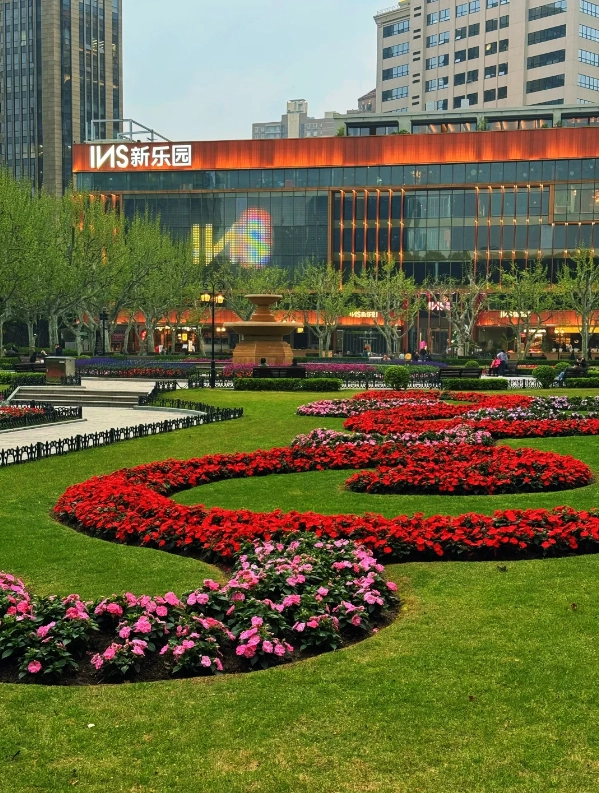
Your Questions Answered (FAQ)
Exploring Shanghai's hidden gems requires a slight shift in mindset. You trade convenience for character, and certainty for discovery. The city reveals its depth to those who wander with curiosity. You start to see the patterns: the repurposed industrial spaces, the quiet residential life persisting amidst globalism, the pockets of creativity thriving in the shadows of skyscrapers.
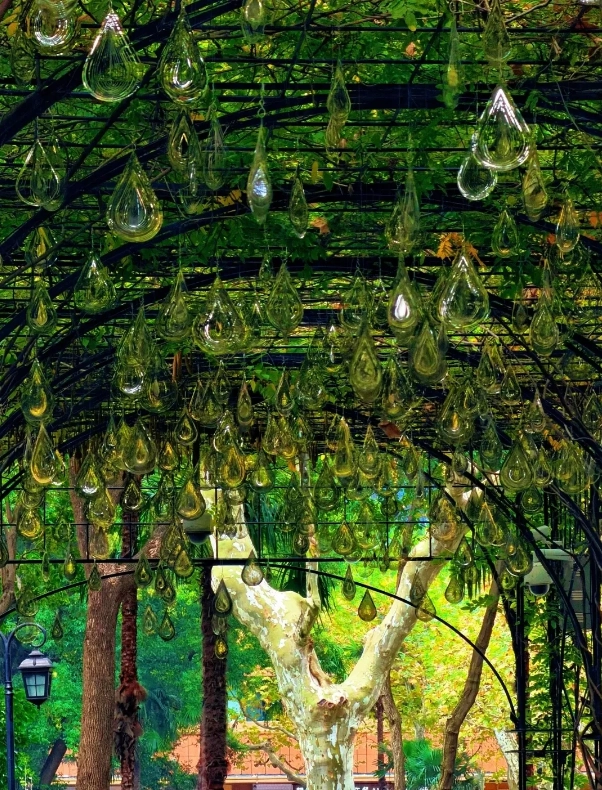 Pack comfortable shoes, charge your phone, and leave some room in your schedule for getting delightfully sidetracked. That unplanned alley or unexpected courtyard might just be your favorite memory of Shanghai.
This guide is based on personal, repeated visits and observations. Details like opening hours were verified at the time of writing, but it's always wise to double-check locally as policies can change.





No comments yet.