 Qiang Huang
Quick Guide — Jump to Your Spot
I've lost count of how many times I've led a group through Zhujiajiao's narrow alleys, only to watch them fight the midday sun for a decent shot. Here's the thing — this water town is stunning, but the light plays tricks. And the crowds? They're relentless.
After years of dragging tourists here, I've mapped out the exact spots where your camera sings. No generic tips. Just real angles, real timings, and the one mistake everyone makes (it's trusting the first bridge you see).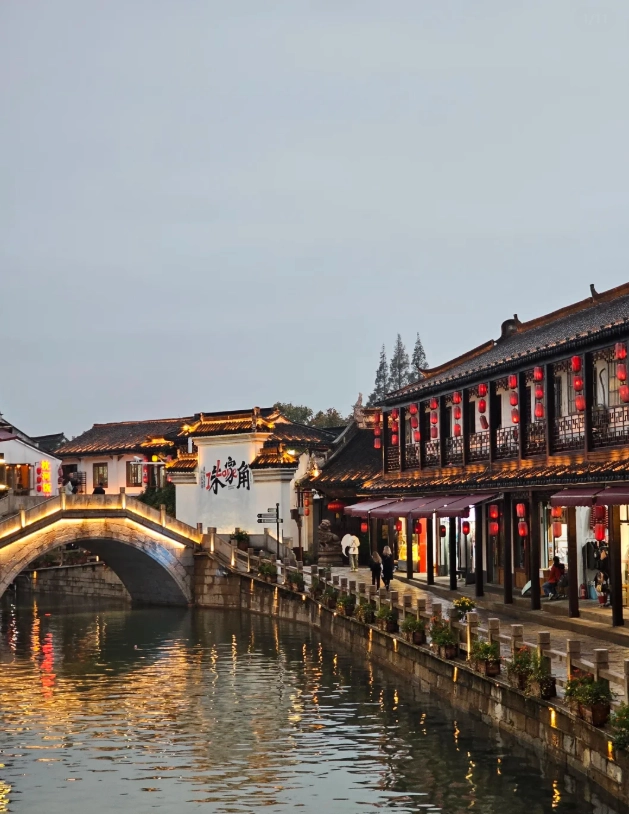
Why Early Morning Beats Afternoon Every Time
Most tourists show up around 10 AM — that's when the tour buses roll in. By then, the light is harsh, and the bridges are packed. I always make my groups start at 7 AM. Why? The mist over the canals dissipates by 8:30, and the soft golden light hits the whitewashed walls at an angle that makes shadows pop.
Plus, the vendors haven't fully opened their stalls, so you get clean shots without neon umbrellas. If you're not a morning person, suck it up — it's the difference between a postcard and a messy snapshot.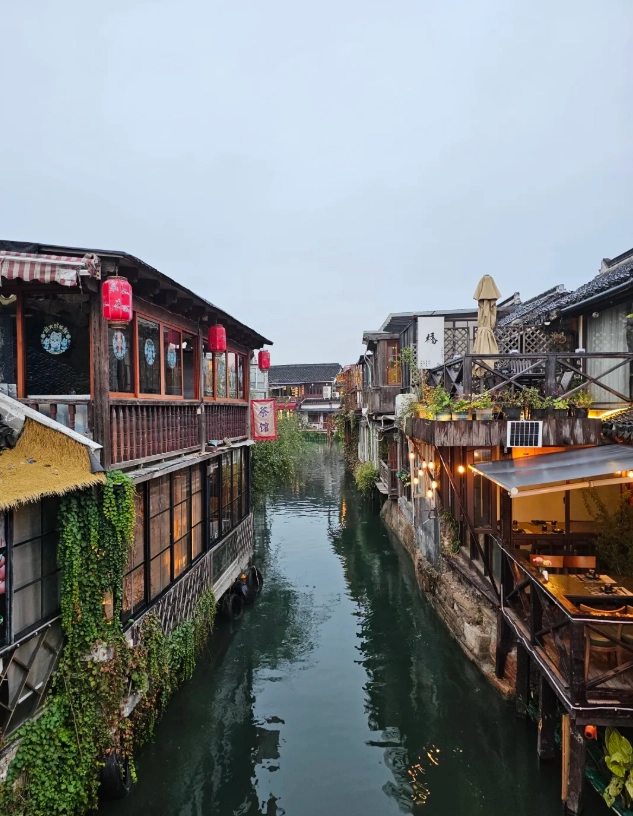
5 Best Photography Spots in Zhujiajiao
Here's where I plant my tripod. Each spot has a specific time window, so pay attention.
1. Fangsheng Bridge — The Iconic Shot
Location: Center of town, crossing the Caohe River
Best time: Sunrise (6:30-7:30 AM) or just before sunset (4:30-5:30 PM)
Why: This is the largest stone bridge in the town. From the top, you get a sweeping view of the canal lined with Ming- and Qing-style buildings. But here's the catch — at noon the sun is directly overhead, killing depth. Go early or late, and watch the warm light bounce off the water.
Pro move: don't stand on the bridge. Instead, walk to the south bank about 50 meters east, and shoot back toward the bridge reflection. That's the angle on every travel magazine cover.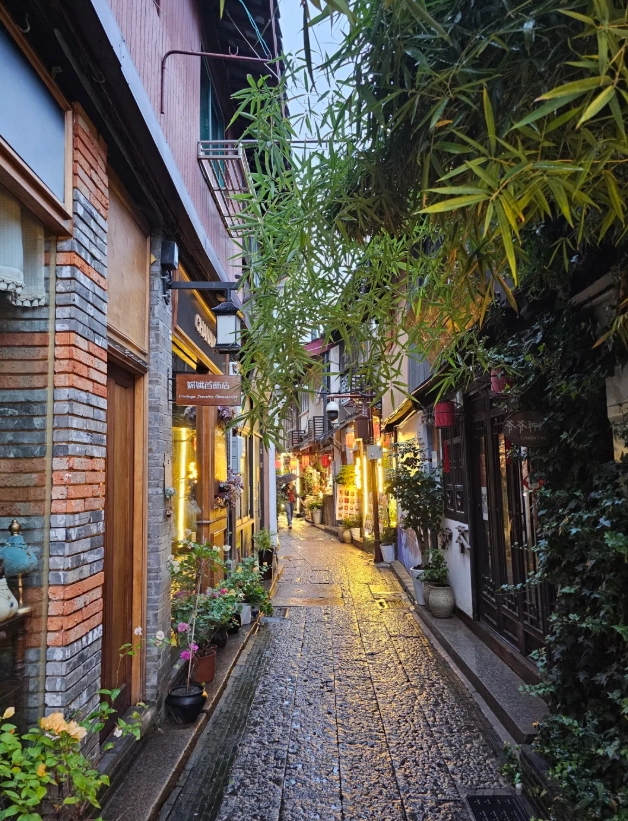
2. Kezhi Garden — Reflective Ponds and Carved Windows
Location: No. 5 Xi’an Street, about 10-minute walk from Fangsheng Bridge
Entry fee: 20 RMB (adults), free for children under 6 (pre‑booking via WeChat mini‑program or on‑site)
Opening hours: 8:30 AM – 5:00 PM (last entry 4:30 PM)
Best time: 9 AM – 10 AM (after the gates open, before the school groups arrive)
Why: The garden has a small pond with koi and a zigzag bridge. The reflection of the pavilion in the water is a classic Chinese garden shot. I always tell my clients: crouch low, put the camera near the water, and use a polarizer to cut glare.
One thing that drives me nuts: the garden's ticket booth only accepts WeChat Pay or Alipay. Cash sometimes works but not always. I've had to lend my phone to guests more than once. If you don't have Chinese mobile payment, bring a local friend or go to the official website to book in advance.
3. North Street — Narrow Alleyway with Canalside Seafood
Location: Runs parallel to the canal, west of Fangsheng Bridge
Best time: 7 AM – 8 AM (before shops open) or 3 PM – 4 PM (for interesting shadows)
Why: This is the main commercial strip, but early morning it's empty. The wet stone pavement reflects the sky, and the old wooden facades line the alley. I hate shooting here after 10 AM — it's elbow-to-elbow with selfie sticks. Instead, focus on the smaller side alleys branching off North Street. They're way less crowded and have laundry hanging from windows — real life.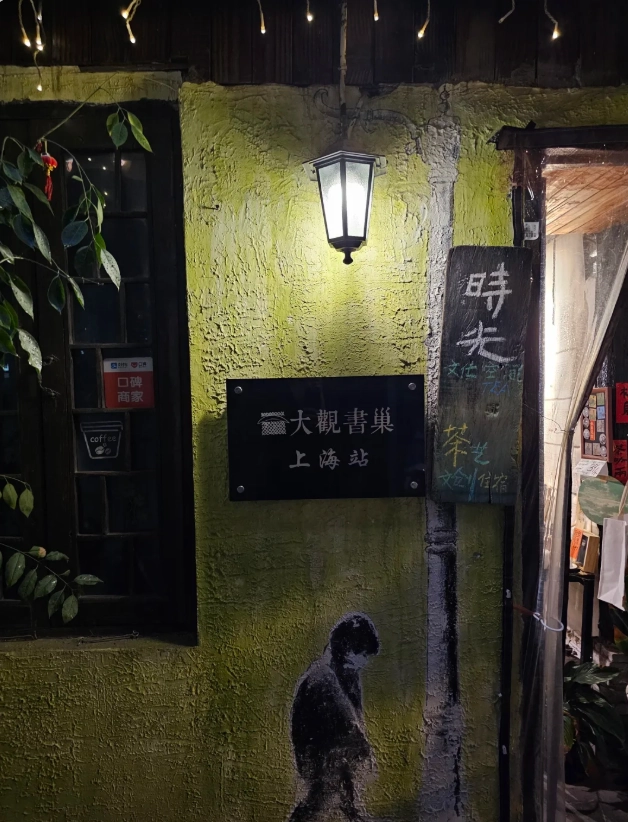
4. Yunshui Bridge — Off-the-Beaten-Path Gem
Location: Northern part of town, near the Taoist Temple (about 15-minute walk from the main entrance)
Best time: Late afternoon (4:30 – 5:30 PM)
Why: Few tourists make it here. The bridge is smaller but the surrounding greenery — willow trees and bamboo — frames the canal beautifully. I once spent an hour here with just one other photographer. The light filters through the leaves, creating dappled patterns on the water. Perfect for portraits or detail shots.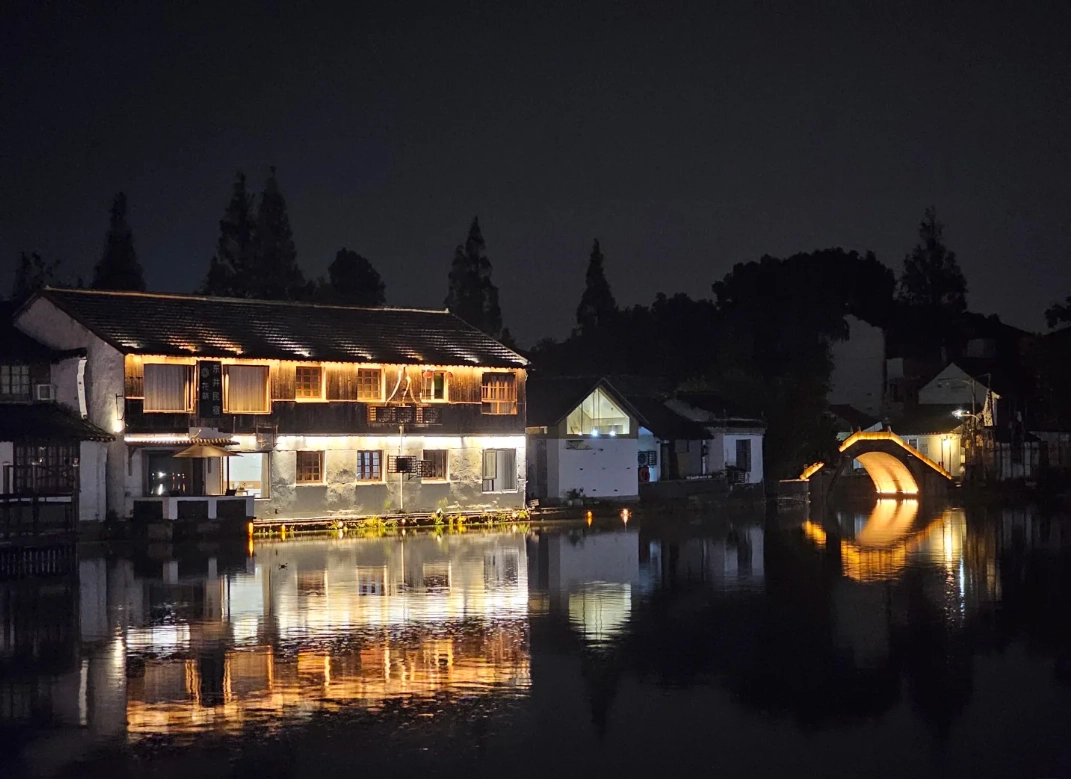
5. Evening Waterfront — The Blue Hour
Location: Anywhere along the eastern embankment, near the post office tower
Best time: 5:30 – 6:30 PM (about 30 minutes after sunset, before the lights completely take over)
Why: The town's lanterns turn on gradually, and the sky goes deep blue. You need a tripod for this — long exposure makes the water silky. I usually set my ISO to 100, aperture f/11, and expose for 2–4 seconds. The red lanterns against the blue sky? That's the money shot.
Warning: mosquitoes come out in droves. I've seen photographers slap themselves mid-shot. Bring repellent, or you'll be scratching for days.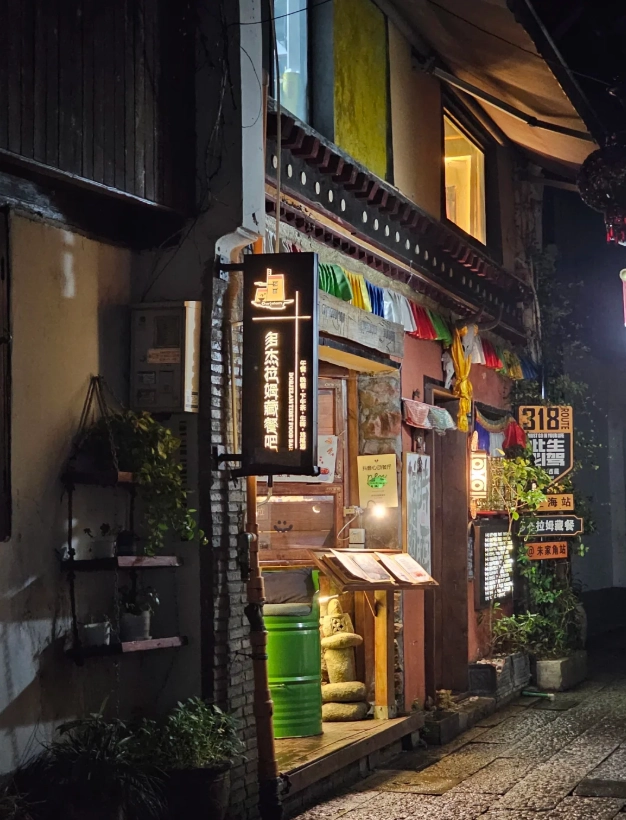
| Spot | Best Time | Ticket/ Fee | Distance from Entrance |
|---|---|---|---|
| Fangsheng Bridge | 6:30-7:30 AM / 4:30-5:30 PM | Free (town entry 10 RMB) | 5 min walk |
| Kezhi Garden | 9-10 AM | 20 RMB | 15 min walk |
| North Street | 7-8 AM / 3-4 PM | Free | 5 min walk |
| Yunshui Bridge | 4:30-5:30 PM | Free | 20 min walk |
| Eastern Embankment | 5:30-6:30 PM | Free | 10 min walk |
Pro Tips for Better Canal Shots
- Polarizing filter is a must. The water surface reflects everything — a polarizer cuts that and brings out the green algae and brick textures. I use a CPL on almost every shot.
- Don't shoot at eye level. Crouch down or find a higher vantage point (like a second-floor tea house balcony). Eye-level shots are boring.
- Use leading lines. The stone bridges, the edges of canals, even the laundry lines — they all draw the eye into the frame.
- Include people for scale. A lone boatman or a grandmother carrying groceries adds life. Just keep them small in the frame.
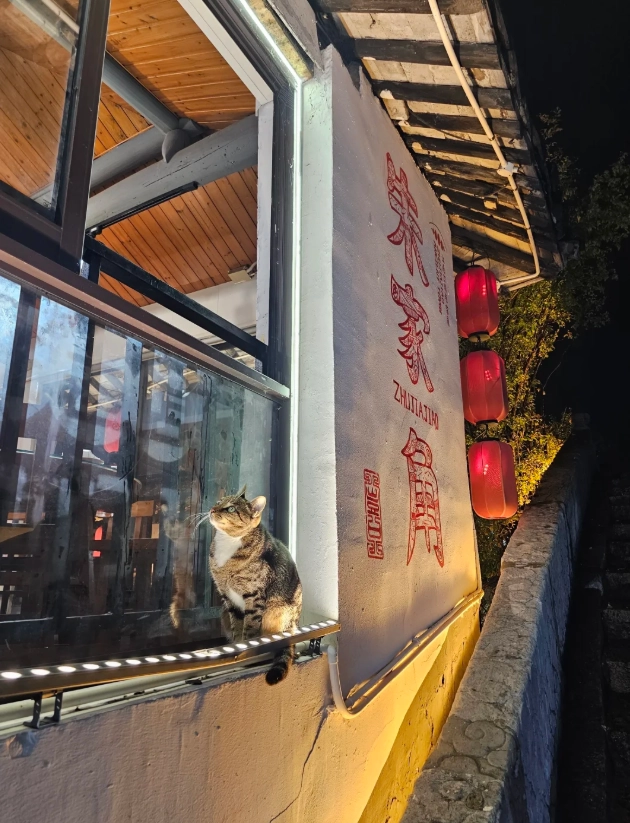
- Watch out for modern intrusions. Power lines, air conditioners, and plastic chairs ruin the historic vibe. Frame your shot carefully — or clone them out in post.
How to Avoid the Crowds (and Tripods)
I hate the 11 AM crowd. You can barely move, and every bridge is a selfie podium. Here's my strategy:
- Enter from the north gate. Most tour groups use the south gate off Kezi Street. The north gate (near the Huawei Hotel) has a smaller entrance and is usually less crowded. It drops you close to Yunshui Bridge.
- Skip weekends and holidays. If you can visit on a Tuesday or Wednesday, you'll have half the people. Chinese public holidays like National Day (Oct 1-7) are a nightmare — I avoid them entirely.
- Use the back alleys. The main canal path is packed, but one street over (like Xijing Street) is often empty. You lose the water view but gain interesting doorways and courtyard scenes.
- Bring a small tripod. Many narrow alleys don't have room for a full-size tripod. A tabletop tripod or a gorilla pod works wonders — you can wrap it around a railing or set it on a wall.
Getting to Zhujiajiao and Practical Info
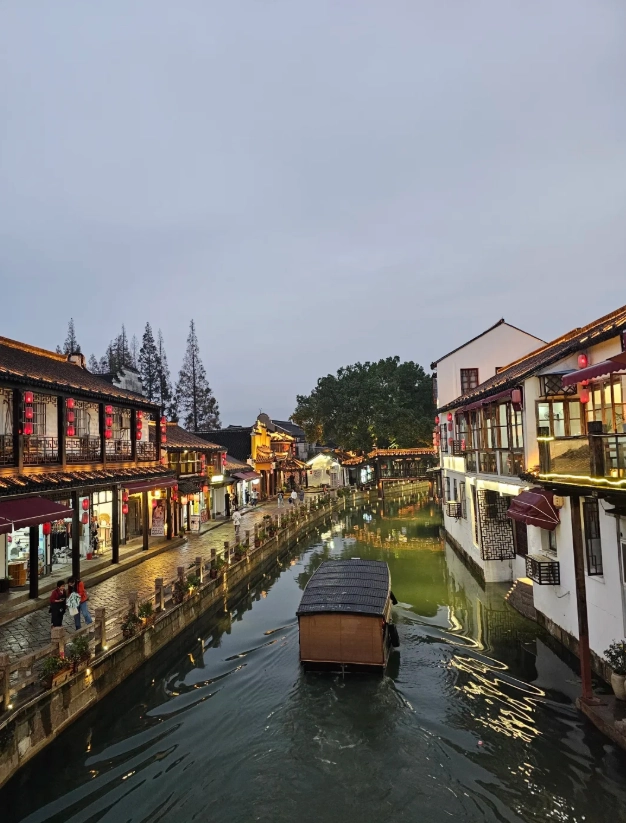
Address: Zhujiajiao Ancient Town, Qingpu District, Shanghai (about 50 km southwest of city center).
Public transport: Take Line 17 Metro to Zhujiajiao Station, get out from Exit 1, then walk 10 minutes or take a 5-minute bus (Zhu 6 or Zhu 8) to the town entrance. Alternatively, bus Huzhu Express Line from Shanghai Stadium takes about 1 hour.
Taxi from city center: About 1 hour, 150-200 RMB.
Town entry fee: 10 RMB (free after 5 PM for the town itself; attractions inside close earlier).
Opening hours for most attractions: 8:30 AM - 4:30 PM (last entry); the town itself is open 24/7 but shops close around 9 PM.
Accessibility: The town has many stone bridges with steps — wheelchairs and strollers are tough. There's a ramp at the south entrance but not inside. I always warn families with strollers to be prepared to lift them over bridges.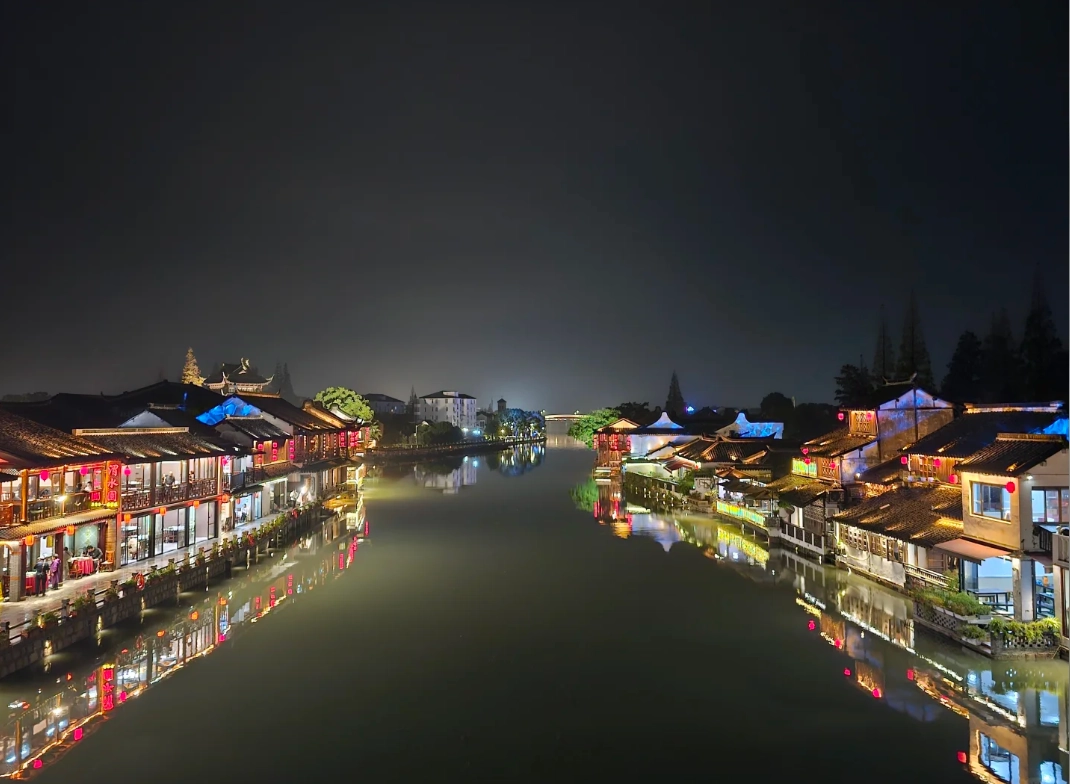





Hands down the best water town for photography in the Yangtze Delta. I’ve been to Zhouzhuang and Wuzhen, but Zhujiajiao’s mix of original Ming-Qing architecture and less-restored canals gives it a raw authenticity. The view from the top of the bell tower looking down over the rooftops and waterways is unforgettable. I caught sunrise there with zero tourists — pure gold. Highly recommend booking a local guide who knows the hidden spots.
We visited as a family and I managed to grab some incredible shots of the kids on the little stone bridge near North Street. The tea houses lining the canal give such a cozy vibe, especially with the red lanterns starting to glow at dusk. My only tip: bring a wide-angle lens — the narrow lanes are tight! But the scenery is jaw-dropping. Definitely worth the trip from Shanghai.
Absolutely stunning! I spent over three hours just wandering the smaller canals behind Kezhi Garden — the weeping willows, the mossy steps, the old woman washing clothes by the water… every frame was a postcard. Best light is between 4-5 PM in autumn. I came home with over 200 keepers. Five stars without hesitation — this place is a photographer’s paradise.
Honestly, I was a bit let down. The main canal near the entrance is way too commercialized — tacky souvenir shops and loud tour groups everywhere. I had to walk 20 minutes off the main path to find a quiet corner worth photographing. The water was also murkier than I expected from the online photos. If you really want good canal views, skip the first kilometer and head toward the back alleys. But for a ‘best spots’ guide, I expected more curated views without all the clutter.
I went early on a weekday morning hoping to capture the classic canal reflections without the crowds — and wow, it delivered. The light hitting the old stone bridges around Fangsheng Bridge was absolutely magical around 7 AM. Only gave it 4 stars because a few construction tarps were visible in some shots, but overall a dream spot for photographers who love water towns.
Honestly felt a bit let down. The photos online are heavily edited – in person the water is murky and there's construction scaffolding covering part of the main bridge. I managed a few decent frames but overall it didn't live up to the hype. Good for a quick stop, but not worth a special trip just for photos.
Good views, no doubt, but way more crowded than I expected even on a weekday. You'll have to wait your turn for the classic shots. Still, the canals are pretty and the architecture is photogenic. Just don't expect a peaceful, empty scene unless you go at dawn.
Rented a small rowboat just before sunset and got angles I never could have from the walkway. The weeping willows, the stone bridges, the way the light hits the water – pure gold. Bring a wide lens and a lot of patience. Totally worth every second.
Not just a photo op, the whole vibe here is magical. I sat by the canal with a bowl of sticky rice balls and watched the light change over the old buildings. Perfect for capturing authentic life – kids playing, boats passing. A must-see for any shutterbug who also loves local food.
Absolutely stunning spot for golden hour shots! I got there around 6am and had the bridge almost to myself. The reflections in the canal were like glass – my best travel photos ever came from that morning. If you're serious about photography, this is the place.