 Qiang Huang
In this guide, I'll cover...
I've led over 200 photography tours to Jing'an Temple. And honestly? Most first-timers get it wrong. They show up at noon, fight through shoulder-to-shoulder crowds, and leave with boring snapshots. Let me save you that pain.
Here's the short version: come at sunrise (around 5:30 AM in summer, 6:30 AM in winter), skip the main entrance for the first 20 minutes, and head straight to the west side of the pagoda. That's where the magic happens. Now let me break down every detail so you can get shots that actually impress.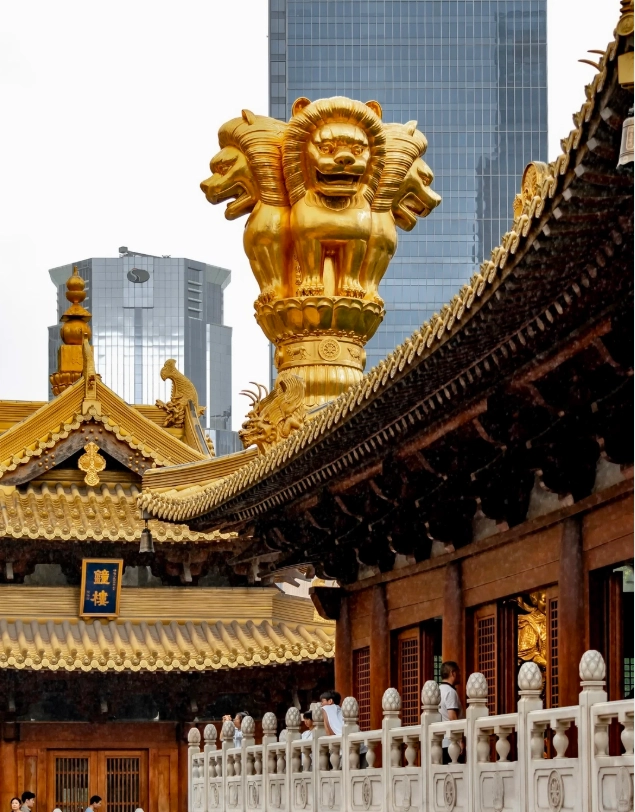
Why golden hour wins every time
The temple faces east. So in the early morning, the golden light hits the intricate eaves and the Pagoda directly. By 8:30 AM, the light turns harsh, and shadows become distracting. I always tell my group: if you only have one hour, make it the first hour after sunrise.
Check the weather app before you go. A light haze actually helps here — it softens the light and adds a bit of mystery. Clear blue sky is fine, but partly cloudy gives you those dramatic beams.
Best spots inside the temple grounds
1. The Grand Hall (Daxiong Baodian)
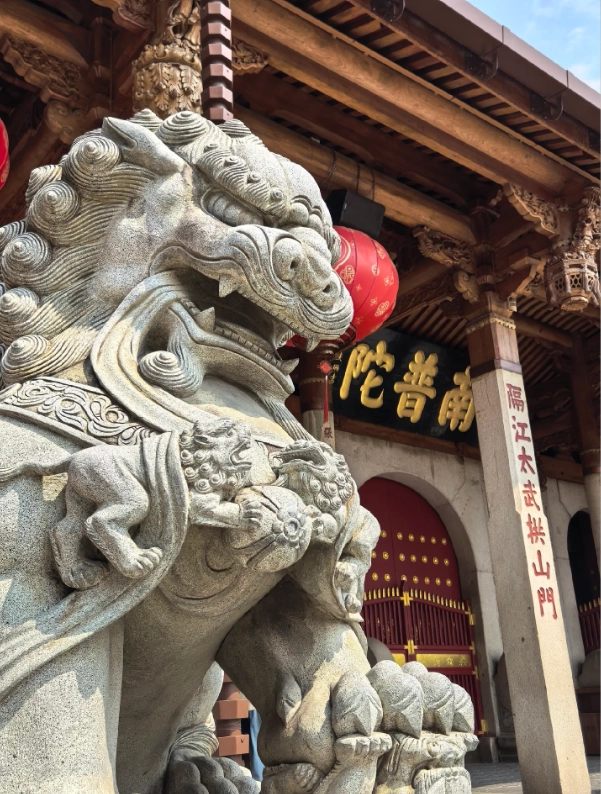
Enter the main courtyard. Stand at the central incense burner, facing the hall. Use a wide-angle lens (16-24mm) to capture the sweeping roof curve and the hanging lanterns. Best time: 6:15-6:45 AM — the sun will just start to illuminate the golden characters on the plaque.
For a detail shot, zoom in on the eaves. The ceramic figurines and dragons catch the side light beautifully. I use a 70-200mm lens from the left corner of the courtyard.
2. The Pagoda
You can't go inside, but you can frame it perfectly. Go to the west side (near the chanting hall). Crouch down and use a low angle with the pagoda against the sky. The blue hour (just before sunrise) gives a cool contrast with the warm temple lights.
If you have a tripod — and I recommend one — try a long exposure (2-4 seconds) to blur any early worshippers moving around. It adds a serene feel.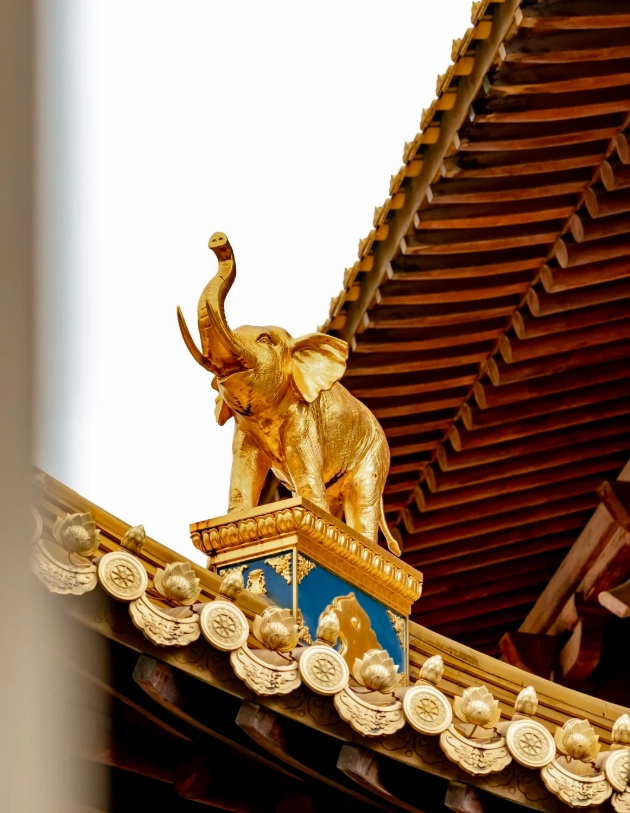
3. The Bell Tower
Less crowded, great for vertical shots. Climb the stairs to the second level (open from 7 AM). From the window, you can shoot down at the courtyard below. I often use a 50mm prime here for that cinematic compression.
Outside angles you'll miss if you rush
Most tourists never leave the temple complex. But the best overall shot is from across the street — literally. Go to the pedestrian bridge over Yan'an West Road (the one connecting to the Jing'an Kerry Centre). From the middle of the bridge, you get the entire temple complex framed by modern high-rises. That contrast is pure Shanghai.
Another hidden spot: the small garden on the east side (next to the vegetarian restaurant). There's a pond that reflects the pagoda if you get low. I've only seen this in a handful of guides.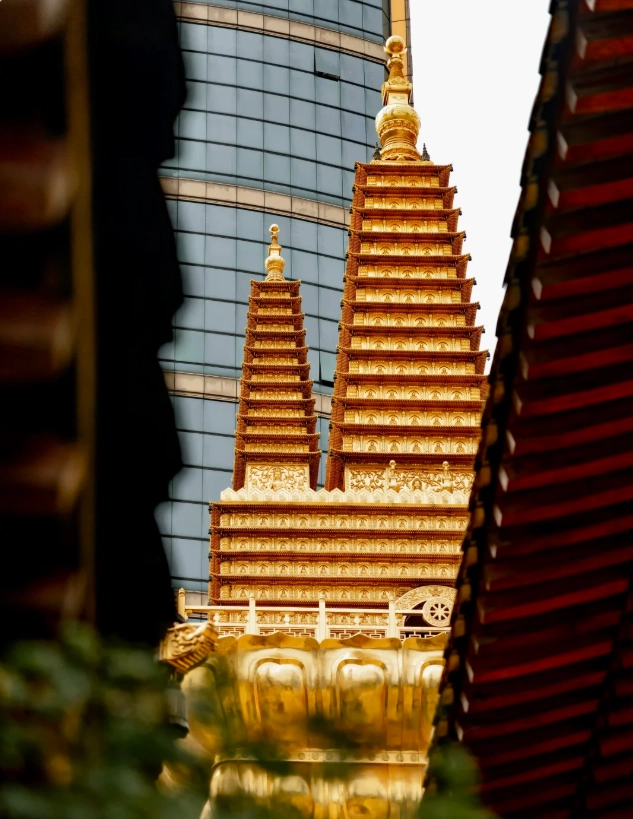
How to beat the crowds (and the light)
Timing is everything. The temple opens to the public at 7:30 AM. But the grounds are accessible earlier for worshippers? Yes — the side gate (east entrance) opens at 5 AM for locals. If you look like a respectful photographer (dress modestly, carry a small bag), they usually let you in before 7:30. I've done it many times.
If you can't make sunrise, the second-best window is 2:30-4 PM in winter (November-February). The sun sets earlier, and the low-angle light creates long shadows. But summer afternoon? Avoid at all costs — harsh light and massive tour groups arrive around 3 PM.
Bad weather is your friend. Overcast days mean no harsh shadows, and the crowds stay away. I've had entire temple to myself on drizzly mornings. Just protect your gear with a rain cover.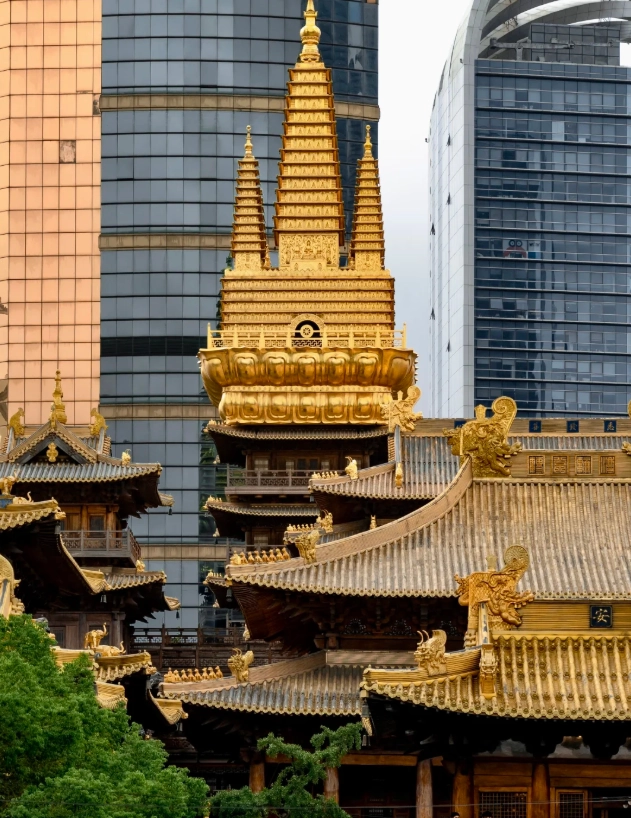
Camera settings I actually use
| Scenario | Aperture | Shutter Speed | ISO | Lens |
|---|---|---|---|---|
| Sunrise wide shot | f/8 - f/11 | 1/30 - 1/60 | 100-200 | 16-35mm |
| Pagoda detail (tele) | f/5.6 | 1/200 | 400-800 | 70-200mm |
| Blue hour long exposure | f/11 | 2-4 sec | 100 | 24-70mm |
| Indoor (hall interior) | f/2.8 | 1/60 | 800-1600 | 24-70mm |
Most of my shots are at f/8 to keep everything sharp. But for the indoor statue, I open up to f/2.8 and bump the ISO. The temple doesn't allow flash inside — don't even try, you'll be asked to stop.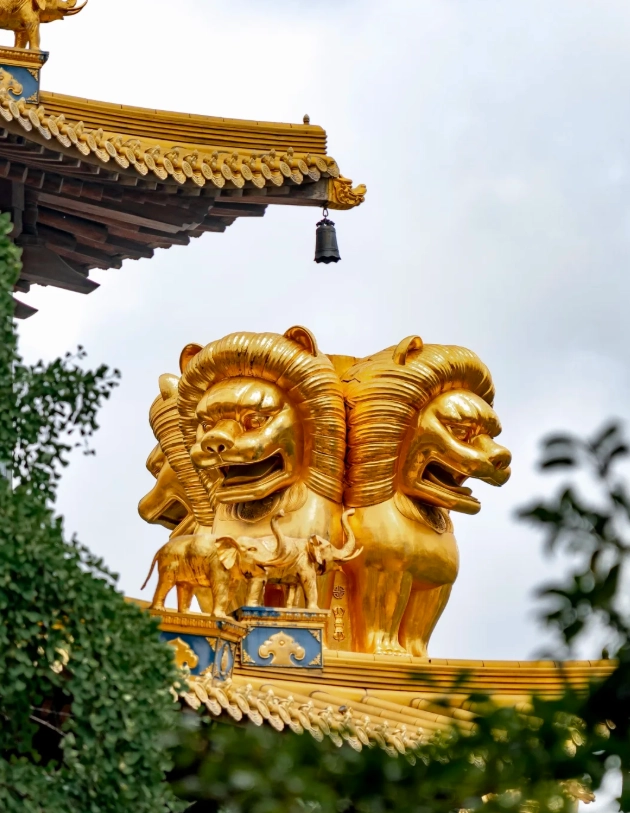





No comments yet.