 Chen Liu
What You'll Learn (Quick Jump)
Let me start with a confession. My first night in a Beijing hotel, I was jet-lagged, thirsty, and too lazy to go downstairs. I filled a glass from the bathroom tap. Big mistake. Next morning, my stomach was doing gymnastics. I learned the hard way: tap water in China is not drinkable, not even in five-star hotels. This guide will save you from that same misery, plus show you how to never overpay for water again.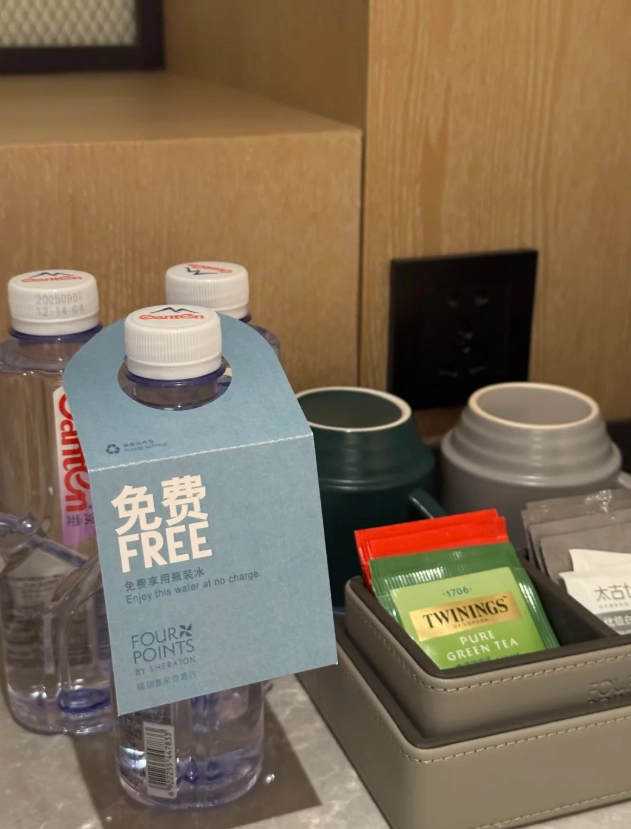
The Truth About Tap Water
China's tap water is technically treated to meet national standards for non-potable use, but aging pipes and inconsistent purification make it unsafe to drink straight. Even locals boil it before consumption. I've seen tourists brush their teeth with tap water and be fine, but drinking it? Don't. The bacteria and heavy metal risk is real. Hotels usually post a sign near the sink: “Non-drinkable water.” But sometimes they don't. So assume it's unsafe.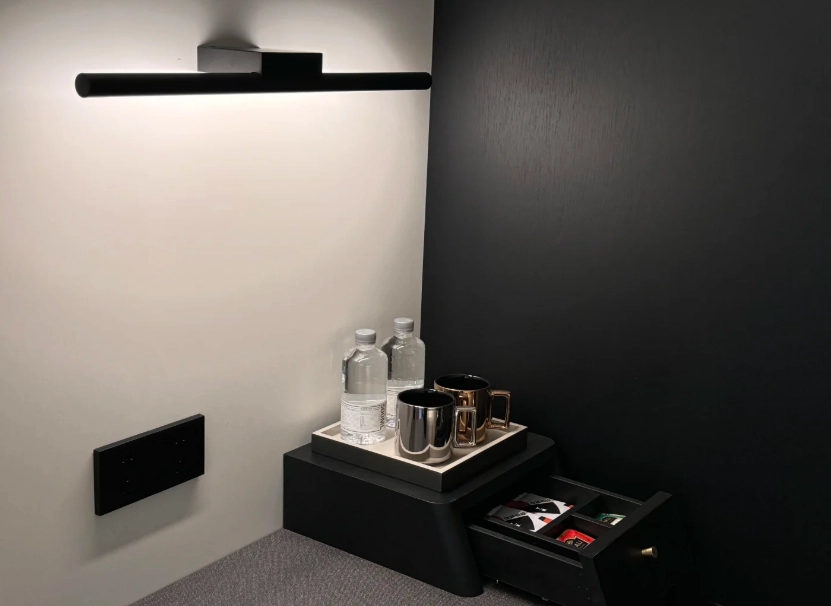
Hotel Water Policies: Free or Not?
Most mid-range to luxury hotels in China offer two free bottles of water per day (typically 500ml each). Budget hostels or guesthouses might not. Here's the catch: if you drink those two bottles by noon, you'll be tempted to buy from the minibar — which can be 10x the price of a convenience store. I always grab the free bottles and refill them at a dispenser if the hotel has one.
| Hotel Type | Typical Water Policy | Cost of Extra Bottle |
|---|---|---|
| 5-star (e.g., Hilton, Shangri-La) | 2-4 free bottles daily, plus a kettle | ¥20-40 if you take from minibar |
| 4-star (e.g., Holiday Inn) | 2 free bottles, kettle provided | ¥10-20 |
| Budget / 3-star | Often 1-2 free bottles, kettle may not be clean | ¥5-10 from reception |
| Hostel / Guesthouse | Usually no free water; shared kettle available | Buy own from nearby store |
Note: Prices are indicative and vary by city. In Shanghai, minibar water might cost ¥30, while in Chengdu it's ¥15.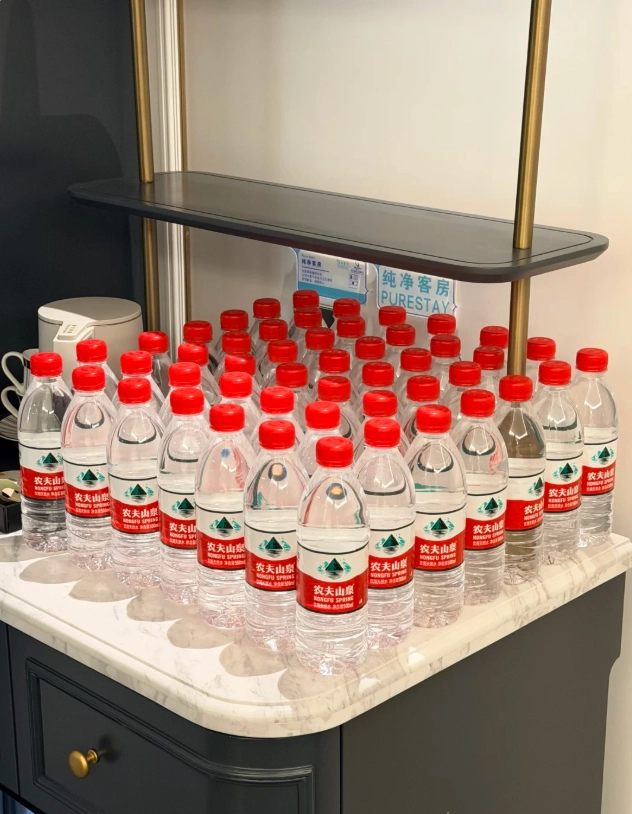
Safe Drinking Options Beyond Bottles
Besides bottled water, many hotels now have water dispensers on each floor or at the lobby. These are usually filtered and provide hot and cold water. I always use these to refill my reusable bottle. If your hotel doesn't have one, ask reception. They often have a communal kettle in the breakfast area.
Another option: electric kettles in the room. But here's where I get picky. Those kettles? I've seen housekeepers use them to clean with bleach. I've even heard stories of guests boiling noodles or underwear in them. So I bring my own portable travel kettle (collapsible silicone types work great). Alternatively, boil a full kettle of water and then flush it once before drinking the second batch. That kills most germs, but not the ick factor.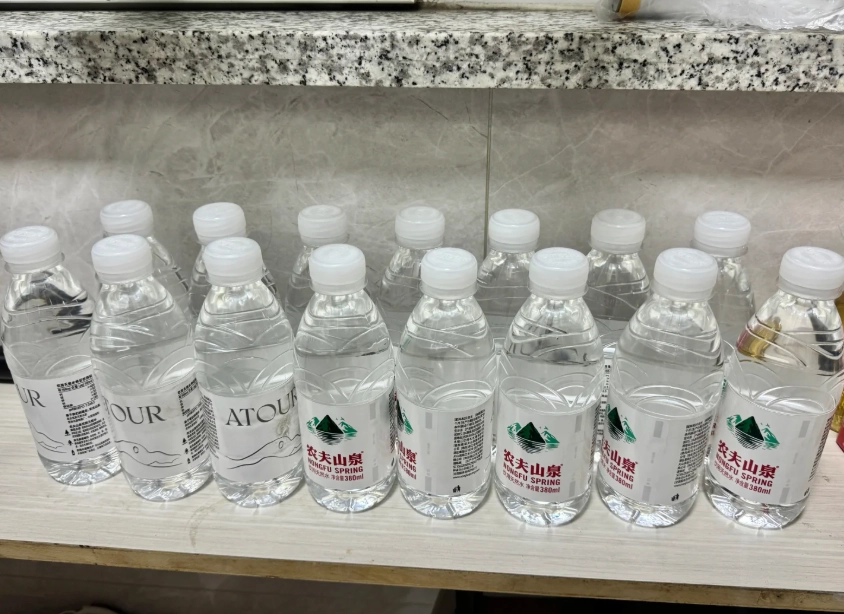
The Water Kettle Dilemma
I'll be blunt: hotel kettles in China are often gross. Even in nice hotels, the mineral buildup from hard water can be visible. And many budget hotels don't descale them regularly. My trick: run a kettle of water through once, let it sit for 10 minutes, then pour out and refill for drinking. Also, you can request a bottle of hot water from room service — they'll bring you a thermos of boiled water for free. It's a little-known policy at many Chinese hotels.
One time in Guangzhou, the kettle had a strange smell — turned out the previous guest had used it to cook instant noodles. Now I always check inside with my phone flashlight. If it looks questionable, I head to the lobby dispenser.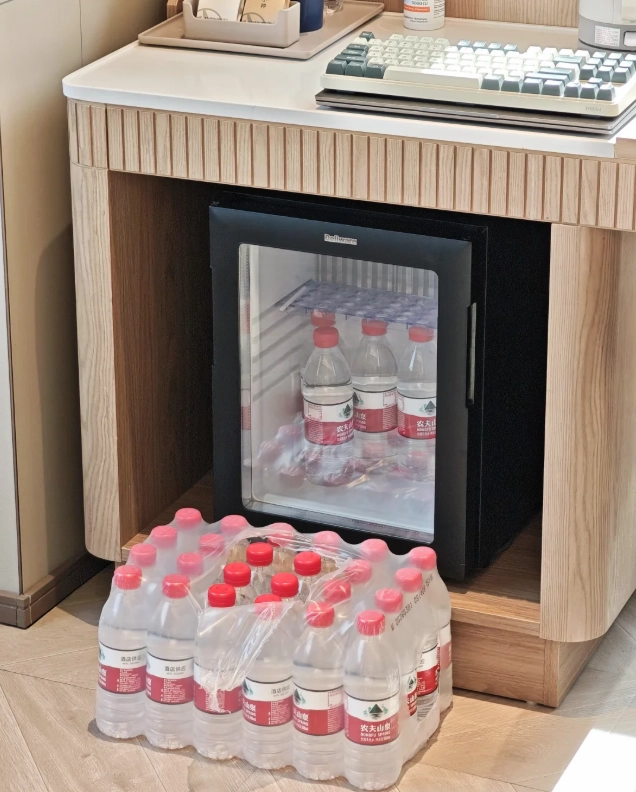
Buying Water Like a Local
Don't fall for the hotel gift shop's imported water at ¥30. Instead, walk to the nearest 7-Eleven, FamilyMart, or convenience store — they're everywhere. A 1.5-liter bottle of plain water costs about ¥2-5. Download Alipay or WeChat Pay before you go, because cash is rarely used now. Bring a refillable bottle and fill up at the store's water fountain (yes, some stores have them).
If you're in a remote area without stores, ask your hotel reception to point you to the nearest “xiao mài bù” (small shop). You can also order water through delivery apps like Meituan — just have a Chinese speaker help you, or use the app's English interface if possible.
And a pro tip: if you're on a tour, the guide might stop at a rest station where water is often ¥5-8. That's fine for convenience, but if you're buying a case, you'll get it cheaper at a supermarket.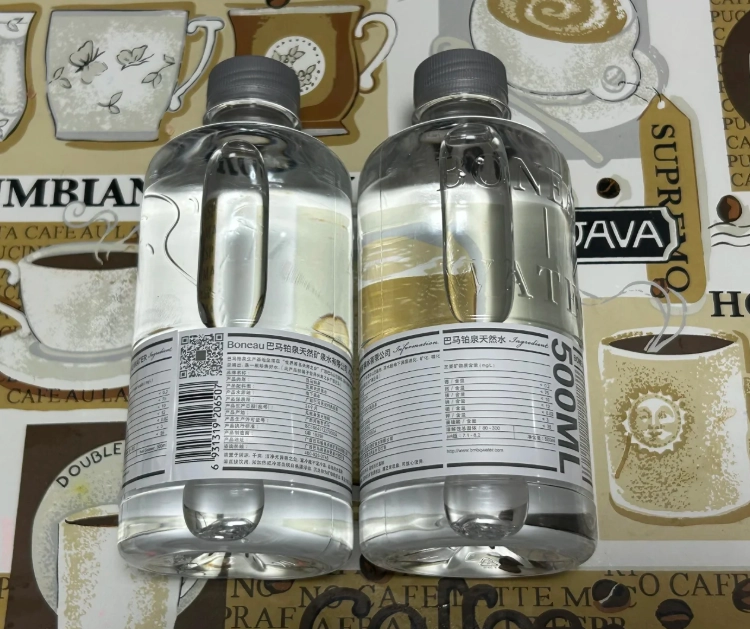
FAQ: Your Burning Questions Answered
One last thing: don't stress too much about water. China is more prepared for tourists than ever. Every hotel I've stayed at (from ¥100 to ¥2000 a night) has found a way to give me drinkable water when I asked. The key is to ask and plan. And never, ever drink from the tap without boiling.
Safe travels, and stay hydrated!





First time in China and I was paranoid about the water. This hotel put my mind at ease. They gave a welcome pack with two large 1.5L bottles of branded water, plus a note explaining that their tap water is filtered through a central system. I tested the hot water – no smell, no weird taste, clear as glass. Even the ice from the machine was safe (I asked the front desk). Stayed 10 days, zero health problems. The money I saved not buying water paid for a nice dinner. Absolutely top notch!
I'm a budget traveler and this hotel was a gem for water. They had a big water dispenser with hot and cold purified water on every floor – free to use! I filled my reusable bottle every evening and never had to buy a single plastic bottle. The water tasted clean, no weird smell. The room also had a spotless kettle if I wanted to boil extra. No stomach issues at all. Perfect for anyone trying to save money and avoid waste. Will definitely come back!
Honestly, I got a bit sick during my stay here. The hotel didn't provide any bottled water in the room – they said I had to buy it from the vending machine downstairs, which was ridiculously expensive. The tap water smelled strongly of chlorine even after boiling for 10 minutes. I drank it anyway and my stomach was upset for two days. Save yourself the trouble: bring your own water filter or buy big bottles from a supermarket before checking in. Disappointing experience.
Great hotel overall, but the water situation was a bit mixed. The free bottled water in the room was small (only 330ml) and they only gave one per person per day. I had to buy extra from the lobby, which wasn't cheap. The tap water had a slight metallic taste even after boiling – not bad, but not great either. I used a portable filter bottle and that fixed it. No illness, so that's a win, but I wish they'd offer larger bottles or a water dispenser in the corridor. Solid 4 stars from me.
I was really worried about drinking water in China after hearing horror stories, but this hotel made it so easy. They provided two free bottles of purified water every day, and the in-room electric kettle looked brand new. I boiled tap water just to be safe, but honestly the bottled water was perfect. Stayed here for a week and didn't get sick at all. Huge relief and saved me from buying overpriced water at convenience stores. Highly recommend!
Disappointed with my stay at a budget hotel in Shanghai. They didn't offer any complimentary bottled water, and the electric kettle looked so gross with limescale that I didn't dare use it. Had to buy water from a nearby convenience store every day – ended up spending an extra 30 RMB just to stay hydrated. Also, the tap water tasted like chlorine, so I wouldn't risk drinking it even boiled. Not the worst, but definitely room for improvement.
Overall a decent experience, but I knocked off one star because the complimentary bottled water they provided was only two small bottles per day for a double room. We had to ask for more at the front desk and they charged us 5 RMB each. Not a huge deal, but it felt a bit stingy. The water itself was fine and we didn’t get sick, so still a good stay.
My hotel in Xi'an had an in-room water dispenser with both hot and cold filtered water – genius! No need to boil or buy plastic bottles. The staff told me the filters are changed weekly. Stayed for five days and drank nothing but that water. Felt great and saved at least 50 RMB on bottled water. Will look for this feature in every future China hotel.
I've learned the hard way to never trust tap water in Chinese hotels. Last trip to Guangzhou, I used the electric kettle in the room to boil water for tea, and it was perfectly fine. The hotel also offered two free bottles of water per day, which saved me the hassle of buying overpriced convenience store water. Felt safe and didn't get sick at all – 5 stars for their hygiene standards.
Stayed at a mid-range hotel in Chengdu and was pleasantly surprised by the free bottled water they provided daily. I always travel with a reusable bottle and was able to refill from their filtered water dispenser in the lobby. Saved me a ton of money and zero stomach issues. Highly recommend checking if your hotel has a similar setup!