 Qiang Huang
Let's get this out of the way first: you cannot "do" Shanghai in a day. The city's sheer scale and depth of history can be overwhelming. I've spent years walking its streets, and the mistake I see most often is visitors trying to tick off a dozen spots in a frantic rush. You end up seeing nothing properly. This guide isn't about listing every single monument. It's about the four or five essential Shanghai landmarks that truly define the city's soul—the ones you should build your itinerary around. I'll give you the practical details you need, but more importantly, I'll tell you what it actually feels like to be there, the little secrets that make each place special, and how to avoid the common pitfalls that can ruin the experience.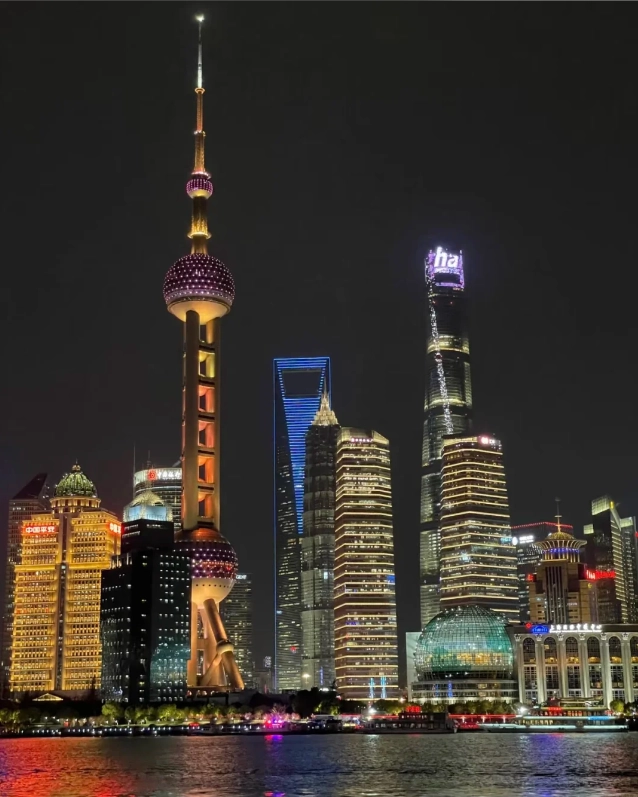
Quick Navigation: Your Landmark Journey
The Bund: Where Old Meets New
The Bund isn't just a promenade; it's a physical timeline. On one side, you have the solid, imposing architecture of the 1920s and 30s—banks and trading houses that whispered of global power. On the other, the sci-fi skyline of Pudong screams ambition and the future. Most guides tell you to go at night for the lights. I disagree. Go twice.
Visit in the late afternoon, around 4 pm. The sun starts to soften, casting a golden glow on the colonial facades. You can actually see the details on the Peace Hotel's green copper pyramid roof. The crowds are thinner. Then, find a spot and wait. Watching the daylight fade and the neon across the river ignite, building by building, is a ritual. The Shanghai Tower doesn't just light up; it becomes a vertical ribbon of color. It's magical in a way that arriving to a pre-lit scene isn't.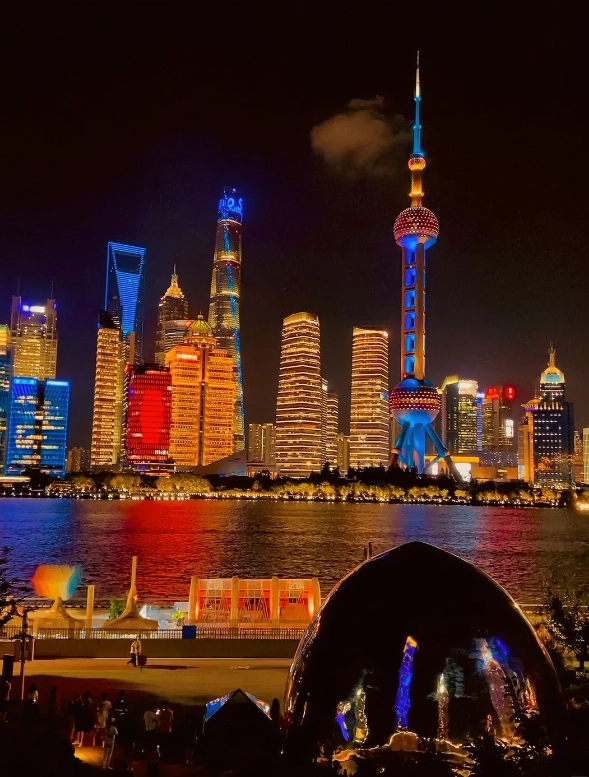
Here's a tip almost no one mentions: walk the entire length, from the Waibaidu Bridge down to the former British Consulate gardens near the Rockbund area. The middle section near Nanjing Road is packed. The northern end is quieter, more atmospheric. You'll see locals fishing and practicing tai chi.
My Personal Take: The Huangpu River cruise is heavily marketed. It's fine, but you're trapped on a boat with a hundred other people. For a more unique (and free) perspective, take the ferry from the Bund (Shiliupu Ferry Terminal) across to Pudong. It costs pennies, takes 10 minutes, and gives you that iconic view from the water level. Do this during the day.
Yu Garden: A Maze of Ming Dynasty Tranquility
Yu Garden is a world away from the glass and steel, but it's under siege. The garden itself, a 16th-century classical Chinese garden, is a masterpiece of constrained design—rockeries, koi ponds, pavilions, and winding paths that make a small space feel infinite. The problem is the surrounding Yuyuan Tourist Mart, a chaotic bazaar of souvenir shops and snack stalls. It's easy to get funneled through the crowds, buy some overpriced trinkets, and leave feeling you've seen a tourist trap.
You have to navigate strategically. Enter the complex from the south side if you can. Your goal is the garden entrance. Once inside, forget the map. Get deliberately lost. Find the Inner Garden—it's a separate, quieter garden within the garden that many miss. Sit by the Huxinting Teahouse (the one in the middle of the pond) and just watch. The garden was built for contemplation, not for Instagram rush.
Afterwards, yes, try the famous soup dumplings (Xiaolongbao) at Nanxiang Steamed Bun Restaurant. The line for the takeaway window moves fast. But then, escape the main bazaar streets. Duck into the side alleys. You'll find older shops selling traditional Chinese brushes, seals, and paper cuts. It feels more authentic.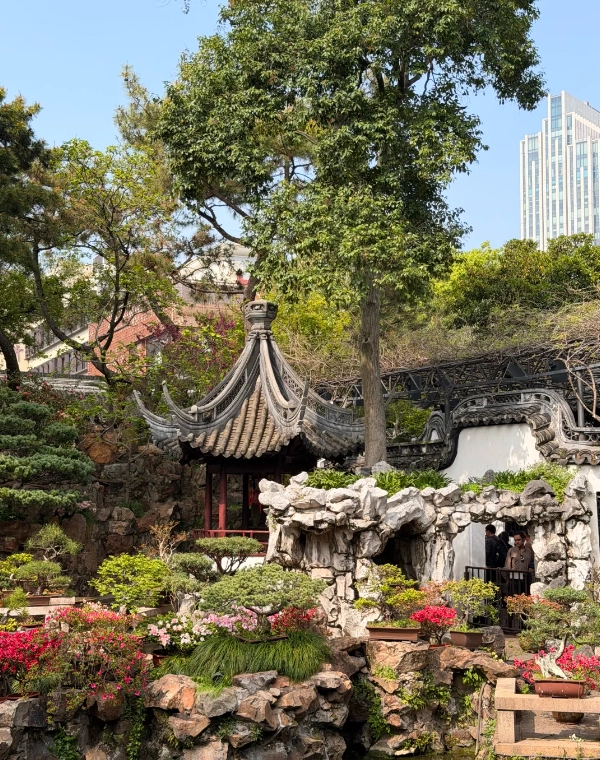
Shanghai Tower: The View from Above
You have three super-tall towers to choose from in Pudong: Jin Mao, World Financial Center (the bottle opener), and Shanghai Tower. The Shanghai Tower is the newest and tallest. Its observation deck, the Shanghai Tower Observatory on the 118th floor, is the one I recommend. Why? The engineering. The building's twisted, tapered form reduces wind loads, and the elevator is the fastest in the world. You feel the sheer technological prowess.
The view is, predictably, staggering. On a clear day, you see the urban sprawl dissolve into haze. But the real value is looking down on the other two skyscrapers. It frames the entire Pudong story. Book your ticket online in advance. It saves you from the ticket line (though you'll still queue for security and the elevator). Go on a weekday morning right as it opens to avoid the worst crowds.
A common mistake is going up on a cloudy or smoggy day. You'll see nothing but white. Check the visibility forecast before you buy that ticket. If it's poor, consider the Cloud 9 bar in the Jin Mao Tower instead. You pay for a drink, not an entrance fee, and get a similar, moodier atmosphere.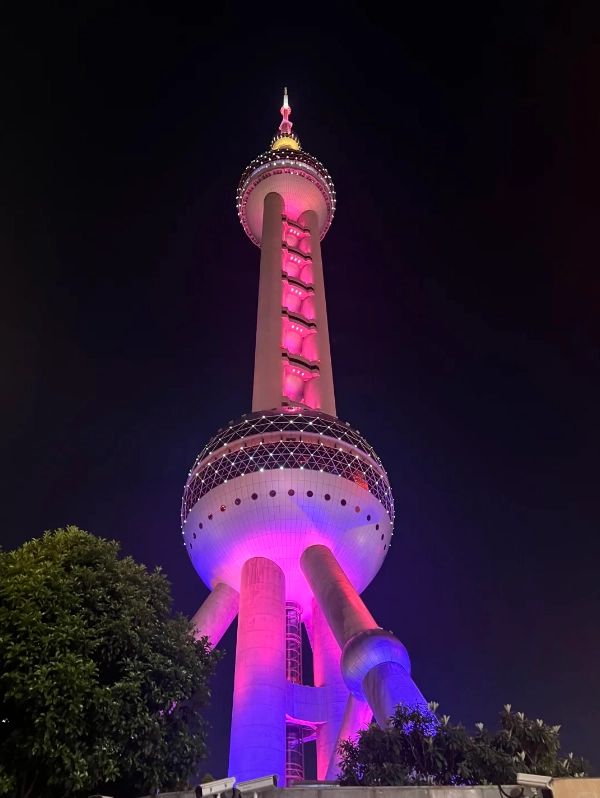
Jing'an Temple: An Oasis of Calm
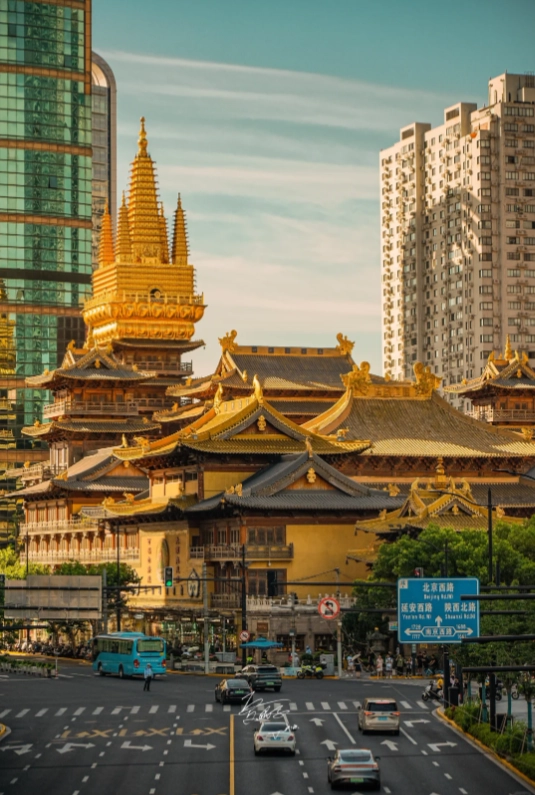
In the heart of the bustling Jing'an commercial district, surrounded by luxury malls and art deco apartments, sits a golden, glittering Buddhist temple complex. The juxtaposition is jarring and wonderful. Jing'an Temple (Temple of Peace and Tranquility) is a reconstruction—the original was from the 3rd century—but it's a stunning one. The main hall, with its giant jade Buddha and golden pillars, is opulent.
What I love here is the active temple life. You'll see worshippers praying, monks going about their day, and the scent of sandalwood incense everywhere. It's not a sterile museum. For a small extra fee, you can go up to the third-floor vegetarian restaurant. The food is simple, but the balcony offers a peaceful, elevated view of the temple courtyards away from the street noise.
Time your visit for late morning, after the early worshippers but before the lunchtime crowd. Combine it with a stroll through the nearby Jing'an Sculpture Park or the hidden alleyways (like Julong Road) behind the temple for a slice of local neighborhood life.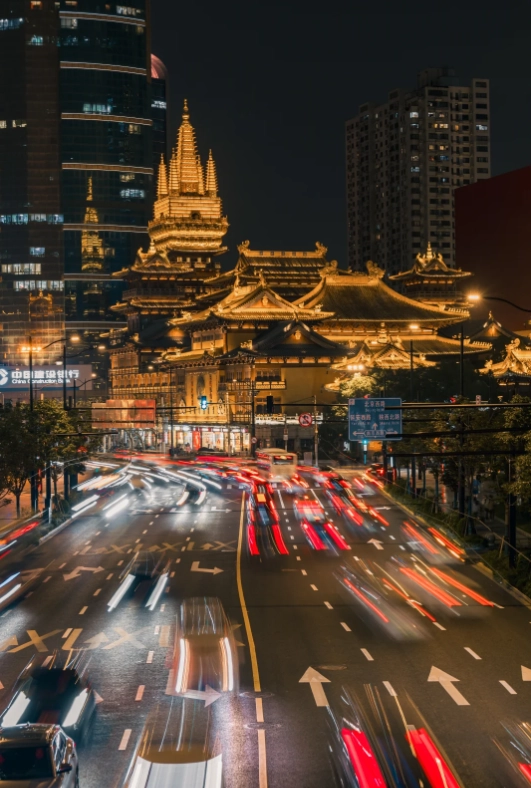
Planning Your Visit: Practical Essentials
Here’s the nitty-gritty. This table consolidates the key facts you need to plan. I've verified these details, but always double-check official sites for the latest updates, especially on holidays.
| Landmark | Address / Nearest Metro | Opening Hours | Ticket Price (Approx.) | Time Needed |
|---|---|---|---|---|
| The Bund (Zhongshan Dong Yi Road) | East of Nanjing Road. Metro: East Nanjing Road (Lines 2, 10), exit 7. | 24/7 (Public promenade) | Free | 1.5 - 3 hours (for a full walk) |
| Yu Garden & Bazaar | 218 Anren Street, Huangpu. Metro: Yuyuan Garden (Line 10), exit 1. | Garden: 8:45 AM - 4:45 PM (last entry). Bazaar: ~9 AM - 9 PM. | Garden: ¥40 (Apr-Jun, Sep-Nov), ¥30 (other months). Bazaar: Free. | 2 - 3 hours (Garden: 1.5 hrs min) |
| Shanghai Tower Observatory | 501 Yincheng Middle Road, Pudong. Metro: Lujiazui (Line 2), exit 6. | 8:30 AM - 10:00 PM (last entry 9:30 PM) | ¥180 - ¥220 (adult, peak/off-peak) | 1.5 - 2 hours (including queues) |
| Jing'an Temple | 1686 West Nanjing Road, Jing'an. Metro: Jing'an Temple (Lines 2, 7), exit 1. | 7:30 AM - 5:00 PM (last entry 4:30 PM) | ¥50 | 1 - 1.5 hours |
Getting Around Between Landmarks
The metro is your best friend. It's cheap, efficient, and signs are in English. For The Bund to Yu Garden, it's a short walk or one metro stop. From there to Pudong (Shanghai Tower), take Line 10 to East Nanjing Road, then transfer to Line 2 to Lujiazui. Jing'an Temple is on Lines 2 and 7, making it easy to connect. Didi (China's Uber) works well for point-to-point trips if you're tired, but traffic in central areas can be brutal during rush hour.
A Sample Half-Day Itinerary That Works
Morning (8:30 AM): Start at Jing'an Temple when it opens. Enjoy the morning calm.
Late Morning (10:30 AM): Take Metro Line 2 to East Nanjing Road, walk to The Bund.
Afternoon (12:30 PM): Walk or take a short taxi to Yu Garden. Explore the garden, then grab lunch from the bazaar stalls.
Late Afternoon (3:30 PM): Take Metro Line 10 to East Nanjing Road, transfer to Line 2 to Lujiazui. Visit the Shanghai Tower Observatory.
Evening: Have dinner in Lujiazui or take the ferry back to The Bund for the night view.
This is ambitious but doable. It pairs an ancient temple, colonial history, a classical garden, and modern architecture—the full Shanghai spectrum.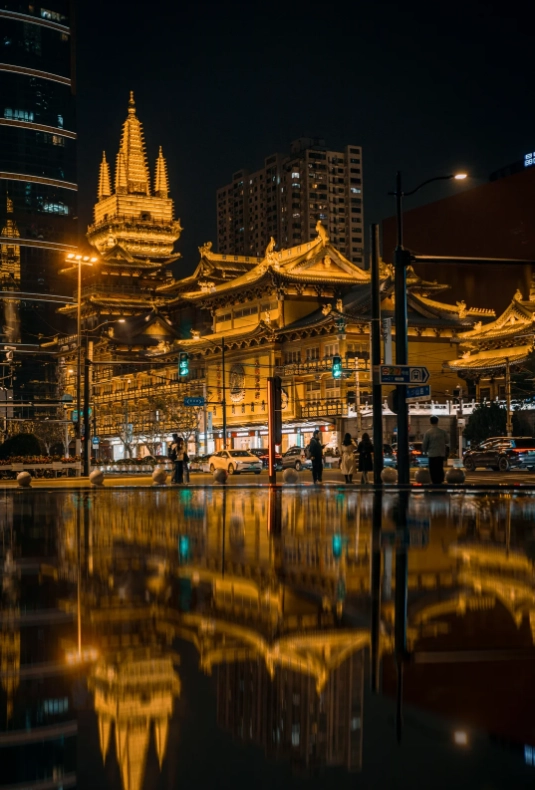
Your Shanghai Landmarks Questions Answered
 Which Pudong skyscraper observatory offers the best value for money?
Shanghai's landmarks are more than just photo stops. They are chapters in the city's ongoing story. The Bund speaks of its cosmopolitan past, Yu Garden of its ancient cultural roots, the skyscrapers of its relentless future, and Jing'an Temple of the spiritual continuity that weaves through it all. Don't just visit them. Take your time, observe the details, and feel the contrasts. That's how you experience the real Shanghai.
This guide is based on personal, repeated visits and cross-referenced with current official visitor information.





Solo traveler here, and this guide helped me plan a quiet morning at the Yu Garden before the tour buses arrived – that felt magical. The walking routes were easy to follow and the transport tips saved me money. My only complaint: the section on the Bund at night says it’s “peaceful”, but on a Saturday it was a sea of selfie sticks. Still, a very useful guide overall.
As a travel photographer, the photography tips in this guide alone are worth the price. The advice on where to stand to capture the Pudong skyline from the Bund without the crowds, and the exact time to get the golden hour light on the Huangpu River – pure gold. I got my best shot of the Pearl Tower from the angle they suggested. Absolutely 5 stars for anyone who loves photography.
Maybe I’m a bit jaded, but this guide felt like it was written for first-timers who want to check boxes. The landmarks are all the cliché ones – the Bund, Nanjing Road, Lujiazui – and there’s hardly any mention of lesser-known spots like the Rockbund Art Museum or the old Lane houses. For a “personal guide” I expected more personality. It’s okay for a quick overview, but nothing mind-blowing.
I used this guide for a weekend trip and it was mostly great – the section on the French Concession was especially detailed and helped me find some hidden cafes. But the wait time estimate for the Shanghai Tower’s observation deck was way off; I ended up queuing for almost two hours when the guide said 30 minutes. Still a solid resource, just take the times with a pinch of salt.
Honestly, this guide was my bible during my 4 days in Shanghai. I followed the route for the Bund, Yu Garden, and the Oriental Pearl Tower, and the little tips about sunrise at the Bund and the quiet alley behind Yu Garden made my trip feel like a local’s secret. The descriptions of the crowds and the best photo spots were spot on. Can’t recommend it enough – 5 stars!