 Qiang Huang
I've spent countless hours wandering its lanes, getting lost on purpose, and yes, eating my way through Tianzifang. It's not just an art district; it's a living, breathing culinary maze where the scent of frying shengjianbao (pan-fried pork buns) competes with freshly ground coffee. Most guides tell you it's touristy. They're not wrong. But they miss the point entirely. The magic of Tianzifang food isn't about finding a single "best" restaurant—it's about the experience of discovery, the fusion of old Shanghai with global flavors tucked into converted shikumen alleyways. This guide cuts through the noise. I'll show you where the genuinely good bites are, how to avoid the overpriced traps, and how to navigate this district like someone who's been there more times than they can count.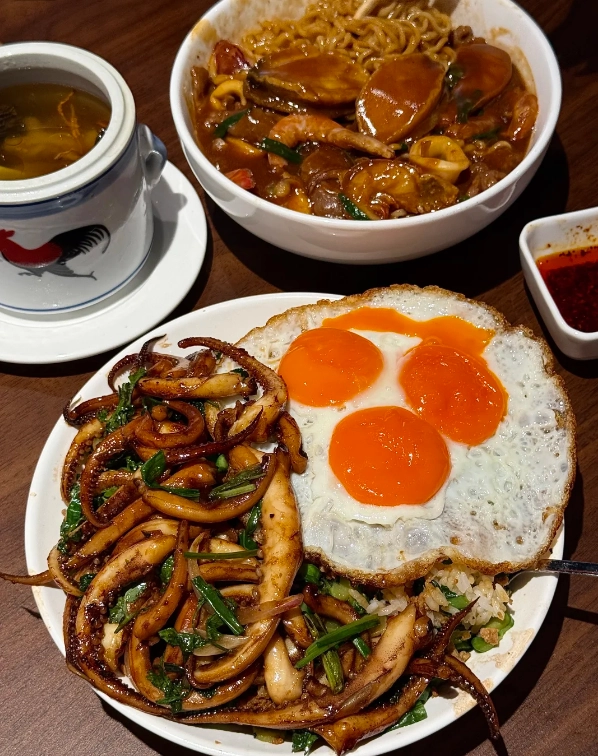
What's Inside This Guide?
What Makes Tianzifang's Dining Scene Unique?
Forget sterile food courts. Dining in Tianzifang is tactile and immersive. You're eating in history. The core of the experience is the labyrinth of narrow lanes (Lane 210, 248, 274 are the main ones) lined with tiny, multi-story buildings. This creates a vertical dining scene. A noodle shop might be on the ground floor, a craft beer bar on the second, and a hidden cocktail lounge on a rooftop you'd never find without looking up.
The food reflects this layered identity. You're not just getting "Shanghai food." You're getting:
Alleyway Classics: The stubborn, surviving local joints serving xiaolongbao and noodle soups to neighborhood regulars. They're often the smallest, least decorated spots, and they're gold.
Fusion & Creative Hubs: Chefs and entrepreneurs drawn to the artistic vibe have set up shop, blending Chinese techniques with French, Japanese, or Southeast Asian influences. These places can be hit or miss, but the hits are memorable.
Street Food on Steroids: It's not just skewers. You'll find artisanal ice cream rolled fresh on a cold plate, delicate egg waffles (gai daan jai), and stinky tofu that announces itself a lane away. The quality here is generally a notch above typical tourist street food markets.
Cafe Culture: Tianzifang is arguably the birthplace of Shanghai's modern cafe scene. Dozens of independent cafes cram into every nook, each with its own character—from minimalist pour-over specialists to cluttered, cat-filled lounges. It's a perfect refuge between meals.
The biggest mistake first-timers make? They stick to Taikang Road, the main artery. The real gems require you to turn into the narrowest, most unpromising-looking alley. If you think you've gone too far, you're probably getting close.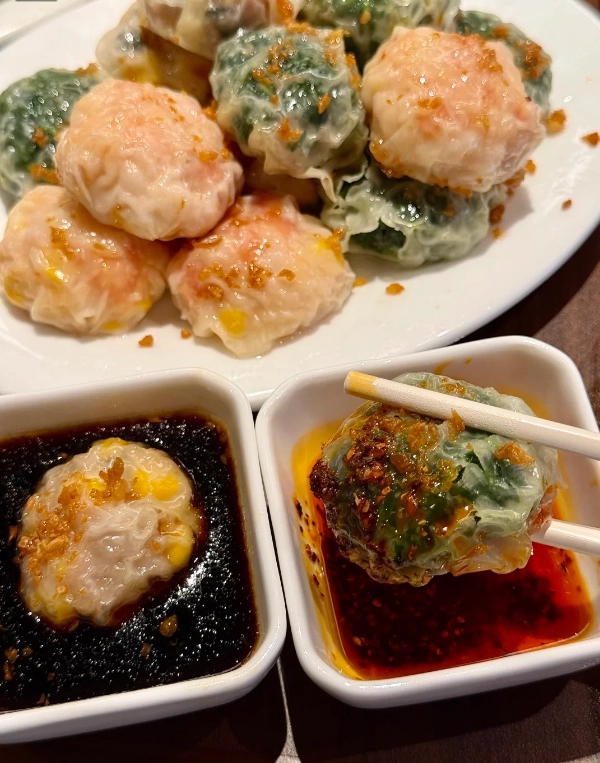
Must-Try Dishes & Restaurant Recommendations
Let's get specific. Based on my repeated visits, here are the spots and dishes that deliver on both flavor and that authentic Tianzifang atmosphere. I've organized them by vibe and cuisine to help you decide.
| Restaurant / Stall | What to Order & Vibe | Address / How to Find It | Price Range (per person) | Hours (Typical) |
|---|---|---|---|---|
| Lost Heaven (Ye Shanghai) | Yunnan minority cuisine. The tea-leaf salad is a crunchy, fragrant revelation. Jasmine roasted fish is their signature. Atmosphere is dark, romantic, and feels like a secret garden. It's a sit-down experience, not a quick bite. | 2F, 133-137 Lane 248, Taikang Rd. Look for the subtle sign and narrow staircase. | ¥200 - ¥350 | 11:00 AM - 10:30 PM |
| Komune | A rooftop terrace oasis. Their Western-style brunch (eggs Benedict, avocado toast) is solid, but you're really here for the views and the cocktails later. It's a great spot to rest your feet and see the shikumen rooftops. | 7F, Building 7, Lane 210, Taikang Rd. Finding the elevator is part of the adventure—ask a shopkeeper. | ¥120 - ¥250 | 10:00 AM - 1:00 AM (kitchen closes earlier) |
| Da Hu Chun | A Shanghai institution. This is where you get shengjianbao done right—thick, fluffy, pan-fried buns with a juicy pork center and a crispy, sesame-seed-studded bottom. No frills, just perfection. Go for the classic pork. | 139 Lane 248, Taikang Rd. It's a small storefront, usually with a line of locals. | ¥20 - ¥40 | 7:00 AM - 7:30 PM |
| Xiang Ge Li La - This is a stall, not a formal restaurant. | Tibetan-style yak meat skewers and grilled cheese. The yak meat skewer is smoky, gamey in a good way, and heavily spiced. A unique, hearty street food option you won't find everywhere. | Usually set up near the intersection of Lane 248 and a smaller cross-lane. Follow your nose to the grill smoke. | ¥15 - ¥30 per skewer | Afternoon until late evening. |
| Qi Shu Fang Dessert Shop | Traditional Chinese desserts and herbal teas. Their osmanthus jelly with wolfberries is light, floral, and not too sweet—a perfect palate cleanser. Also try the suanmeitang (sour plum drink) if you need a refreshing kick. | Lane 210, look for the red lanterns and jars of herbs in the window. | ¥25 - ¥50 | 10:00 AM - 9:00 PM |
My Personal Favorite Bite: It's not on the table because it's not a permanent fixture, but keep an eye out for the elderly man who sometimes sets up a stall selling cong you bing (scallion pancakes) in the late afternoons near Lane 274. His are flakier, less greasy, and have a perfect salt-to-scallion ratio. He only makes a limited batch. That's the true Tianzifang experience—a fleeting, delicious moment you can't plan for.
Top 3 Must-Try Dishes in Tianzifang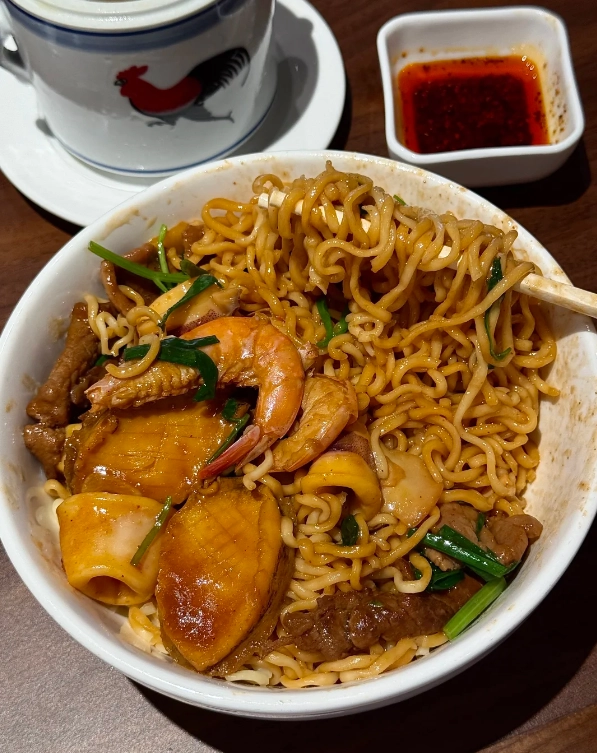
If you're overwhelmed, just focus on these three iconic items. You can find variations everywhere, but seek out the specialists.
Shengjianbao at Da Hu Chun: Explained above. The benchmark.
Yak Meat Skewers at Xiang Ge Li La: For the adventurous eater. It's a taste of the Himalayas in the heart of Shanghai.
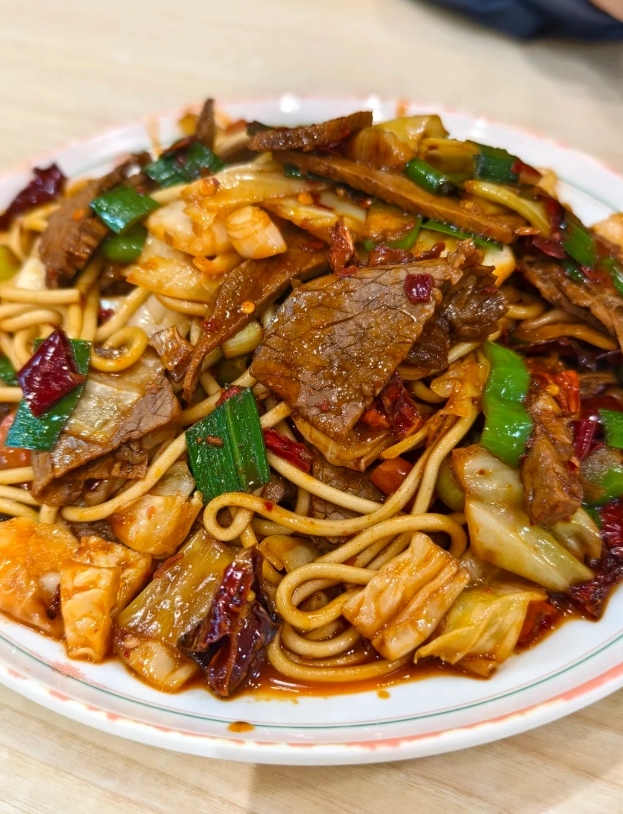
Hand-Pulled Noodles in a Back Alley: I'm not naming a specific shop because the best one seems to change every few years. Look for a shop with a window where you can see the chef violently slapping and pulling dough. If there are construction workers eating there on little stools, you're in the right place. Order the niurou lamian (beef hand-pulled noodles).
How to Navigate Tianzifang's Food Scene?
Strategy matters here. Showing up hungry at noon on a Saturday is a recipe for frustration. Here’s how I plan my Tianzifang food crawls.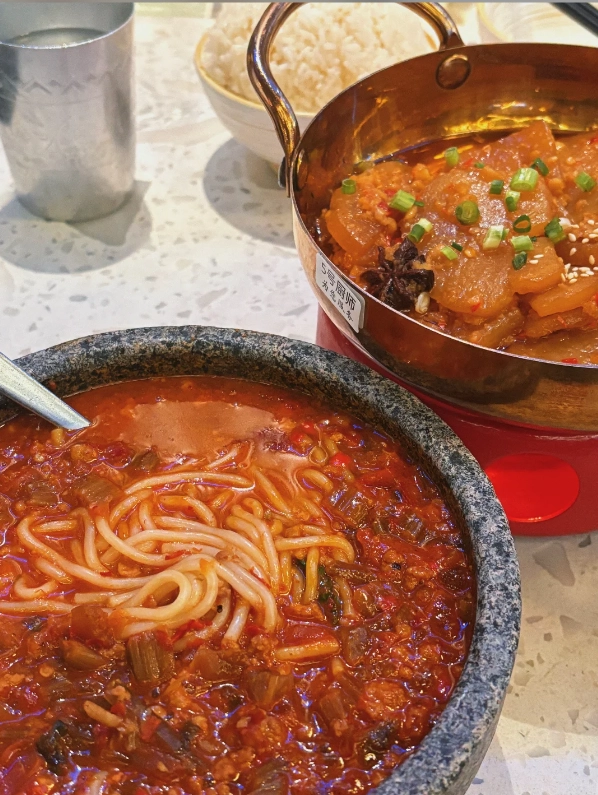
Timing is Everything:
Best Time: A weekday afternoon, around 2 PM to 5 PM. The lunch crowd has thinned, the dinner crowd hasn't arrived, and you can actually move and get a seat at popular cafes.
Worst Time: Weekend evenings. It becomes a shoulder-to-shoulder shuffle. The atmosphere is electric, but not conducive to relaxed dining.
Pro Tip: Many smaller food stalls and local joints open early (7-8 AM) and have a different, more local vibe. A breakfast of shengjianbao and soy milk is a fantastic way to start.
The Exploration Mindset:
Don't try to "check off" restaurants. Pick one lane as your anchor (I suggest starting with Lane 248 for its density of good options), and then spiral out. See a staircase? Go up. See a tiny doorway with a menu scrawled on a chalkboard? Peek in. Your phone's GPS will fail you in the alleys. Embrace it.
Payment: While most established restaurants and cafes accept Alipay/WeChat Pay, some of the oldest street food vendors and tiny family shops are cash-only. Always have a mix of small bills (¥5, ¥10, ¥20) on you. Nothing worse than craving a ¥15 skewer and only having a ¥100 note.
Budget, Timing & Practical Tips
You can experience Tianzifang food at any budget. Let's break it down.
Budget-Friendly (Under ¥100): Stick to street food and local staples. A meal of shengjianbao (¥15), a skewer (¥20), and a local drink like suanmeitang (¥10) is deeply satisfying. Skip the sit-down fusion places.
Mid-Range (¥100 - ¥250): This is the sweet spot. You can have a proper meal at a mid-tier restaurant like a noodle shop or a casual fusion cafe, plus a dessert and a coffee. You're paying for the environment as much as the food.
Splurge (¥250+): Reserved for places like Lost Heaven or a multi-course meal with drinks at a rooftop bar. You're paying for the ambiance, creativity, and service.
Getting There: The easiest way is to take Shanghai Metro Line 9 to Dapuqiao Station (打浦桥站). Take Exit 1. Tianzifang is literally across the street. You'll see the entrance arch. Do not drive. Parking is a nightmare.
A final, crucial tip: Public restrooms in the alleys can be... challenging. Your best bet is to use the facilities in a cafe where you're buying a coffee or in a larger restaurant before you leave.
Your Tianzifang Food Questions Answered
Is Tianzifang food overpriced compared to other parts of Shanghai?
I have dietary restrictions (vegetarian/gluten-free). Will I find options?
 How do I avoid the worst tourist traps?
What's the best strategy for a first-time visit if I only have 2-3 hours?
Is it suitable for young children or large groups?
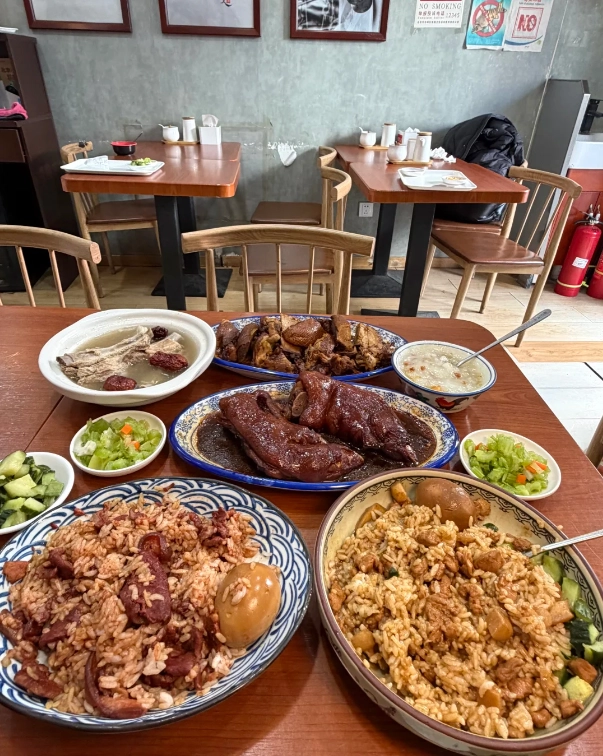 The food in Tianzifang is a story. It's the story of old Shanghai clinging on in a steam basket, and of a new, creative city planting its flag in a rooftop garden. Go with an appetite for adventure more than just for food. Turn down the alley that looks too small. Order the thing you can't pronounce. That's where you'll find the real meal.
This guide is based on multiple personal visits and observations. Details like stall locations and hours can shift, but the core principles of navigation remain constant.
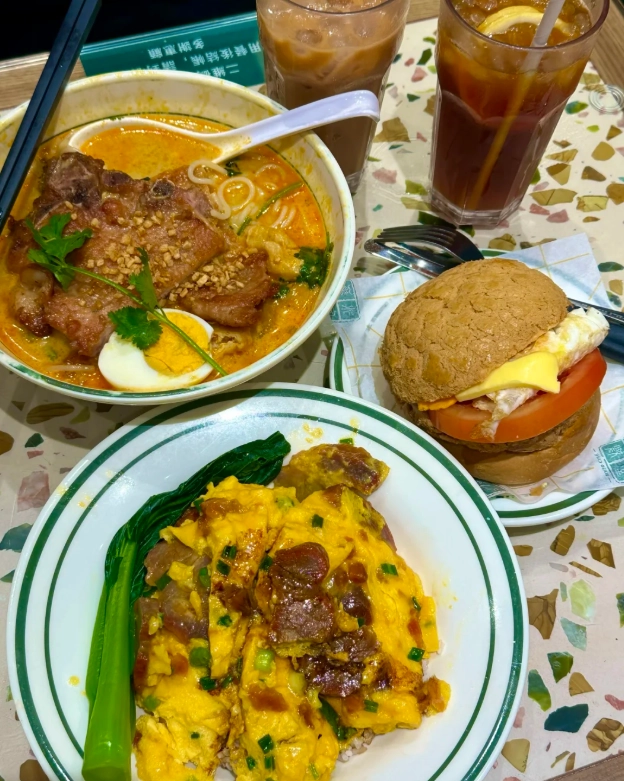





Pretty solid overall. I loved the creative energy of the place—street art, little boutiques, and food carts all blending together. The prices are higher than outside the district, but portions are decent. I had a great bowl of spicy wontons and a refreshing sugarcane juice. Only minor complaint: the seating is scarce, so you end up eating while standing or walking. Would recommend going on a weekday afternoon when it's less chaotic. A fun lunch stop!
Hands down the best food experience in Shanghai! I stumbled upon a hidden noodle shop tucked behind a gallery—hand-pulled noodles in a spicy beef broth that changed my life. The atmosphere is a perfect mix of art and appetite. Grab a cold Tsingtao and walk through the maze of alleys munching on kebabs. The grilled squid with garlic sauce is insane. Don't skip the egg waffles either—crispy, sweet, and cheap. I'm still dreaming about it!
Honestly a bit disappointed. I came expecting amazing street food, but most stalls felt overpriced and touristy. The meat skewers were dry and the xiaolongbao had thick wrappers. The only highlight was a small dessert shop selling mango sticky rice—that was legit. Service was hit or miss; one vendor was rude when I asked about ingredients. For a famous art district, the food didn’t impress me. Maybe I just hit the wrong spots.
Good but not mind-blowing. The food variety is massive—you can find everything from skewers to soup dumplings. I tried the stinky tofu, which was okay but a bit too oily for my taste. The place itself is photogenic, but it gets insanely crowded on weekends. Waited 15 minutes for a bubble tea that was just average. Worth a visit if you're in the area, but manage your expectations on the 'authentic' part.
Absolutely loved Tianzifang! The narrow alleyways are packed with charm and the smell of sizzling street food. I grabbed a plate of pan-fried dumplings from a tiny stall near the entrance—crispy on the bottom, juicy inside. The vibe is electric, with locals and tourists mingling. A must-visit for anyone who wants authentic Shanghai snacks in an artsy setting. 10/10 would come back for the scallion pancakes!