Zhashui Karst Cave: A Traveler's Guide to China's Underground Wonder
Planning a trip to the Zhashui Karst Cave? This detailed guide covers everything from getting there and ticket prices to what makes this underground river and limestone formation a must-see in Shaanxi. Find practical tips and hidden details for your visit.
Recent Reviews
I only planned one night in Shangluo city and wish I'd booked more. The riverfront promenade after sunset is gorgeous - golden bridges reflecting on the water, old men practicing calligraphy with water on the pavement. I stopped at a tiny noodle stall near the old north gate and the owner kept bringing out little walnut sweets 'to taste'. The pace is slow, the people are warm, and I left feeling completely rested. Will definitely be back.
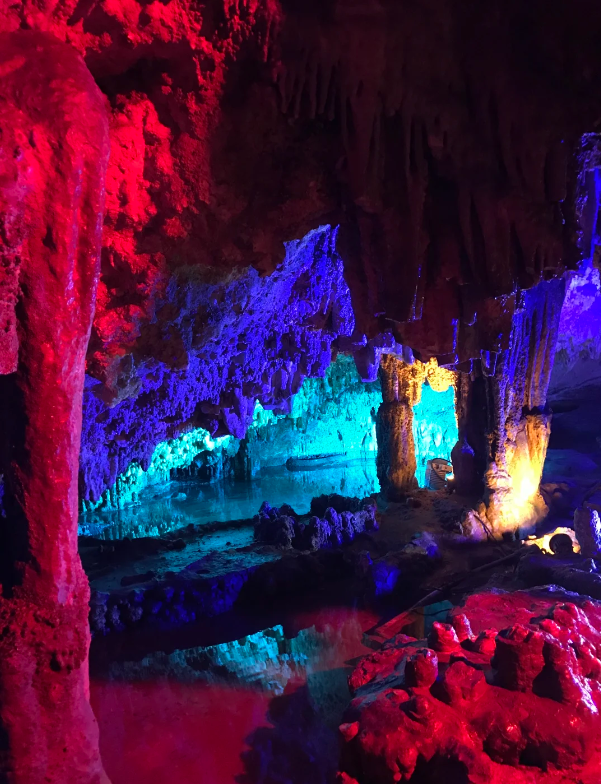
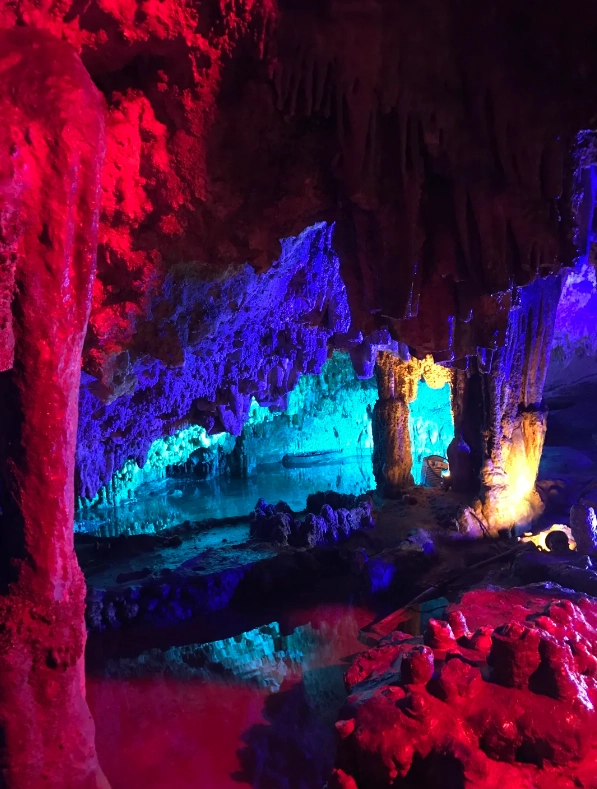
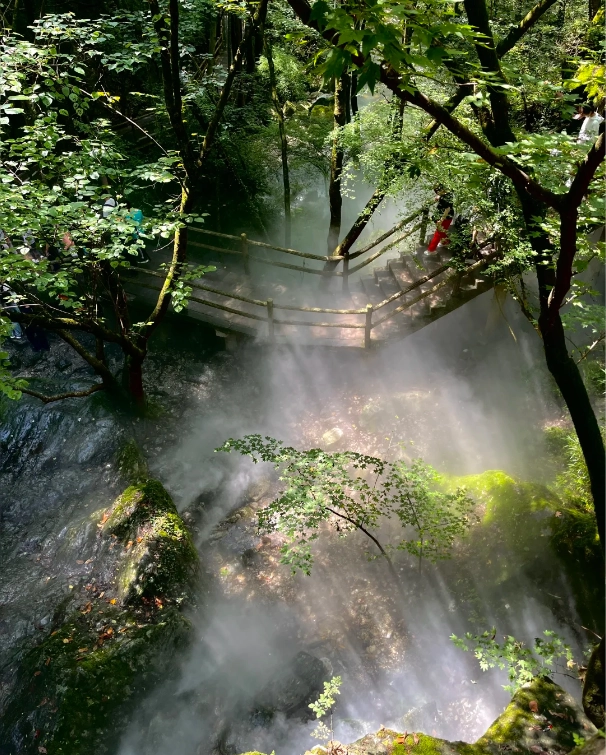
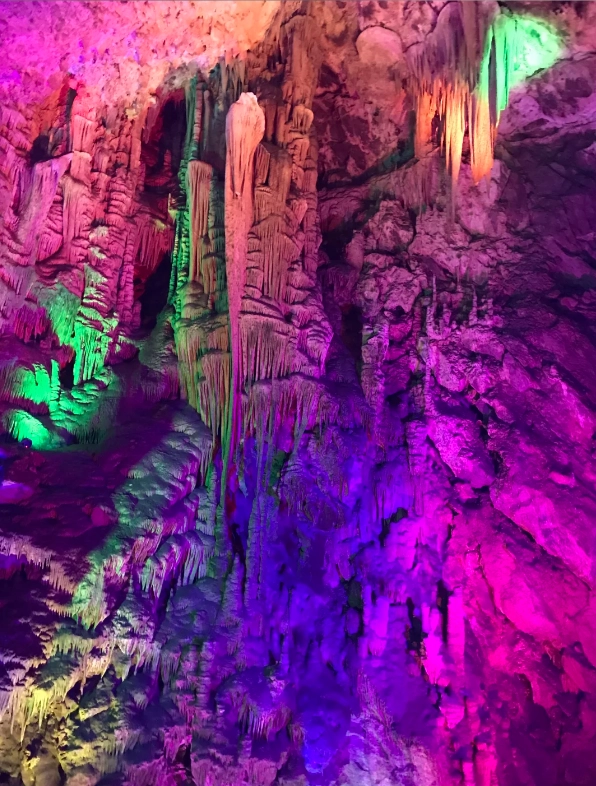
Zhashui Karst Cave blew my mind! You climb up through the forest, then suddenly step inside this huge cool cavern full of massive stalactites and shimmering reflections. The colored lighting is a bit theatrical, but honestly it made the formations look magical. Bring a light jacket even in summer. My favorite part was the underground lake - the cave guide told a local legend about it and it really brought the place alive. 100% recommend.
Dihua Ancient Town completely won me over. I wandered in without much of a plan and ended up staying the whole day. The old brick houses, lotus ponds, and stone bridges feel untouched, and the local life around the square is so relaxed. I bought a bag of warm persimmon cakes from an old lady and she threw in extra slices of dried persimmon for free. Beautiful, friendly, and utterly authentic.
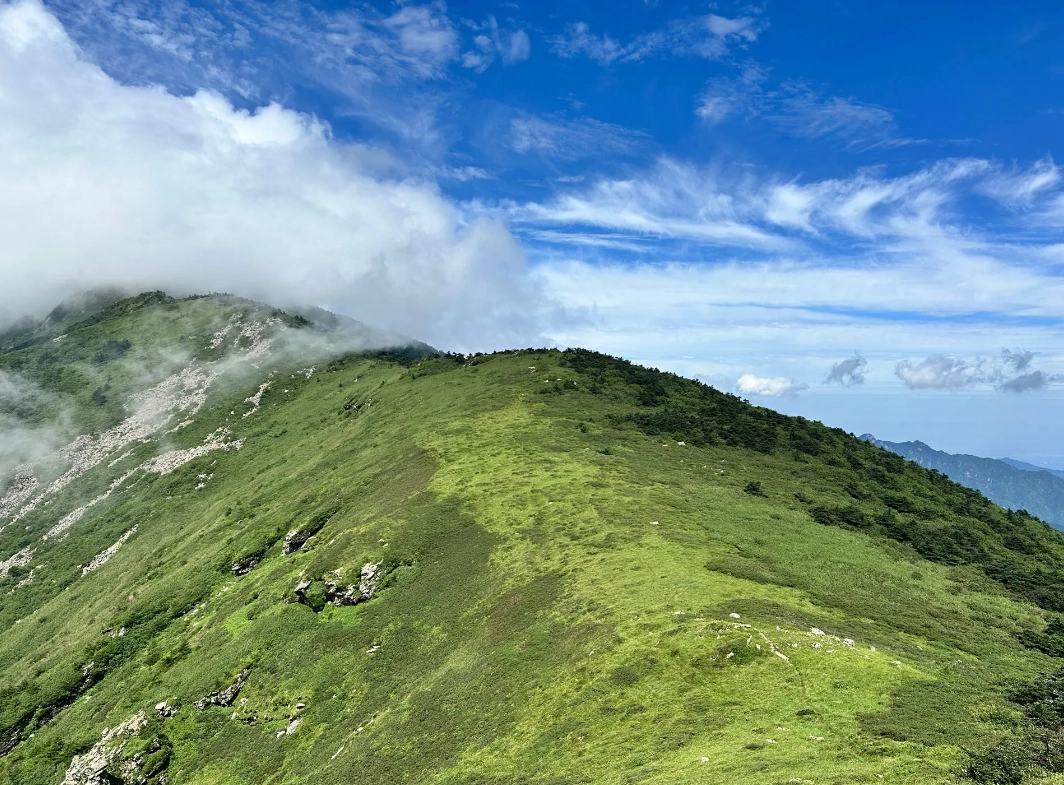
Niubeiliang Forest Park was a solid 4 for me. The air is clean and crisp, the pine trails are quiet, and the ridge view over the Qinling range made me forget I was only a few hours from Xi'an. The only downside? The shuttle from the entrance to the trailhead is cramped and runs about every 30 minutes. Once you're up there, though, it's really peaceful and worth the hassle.
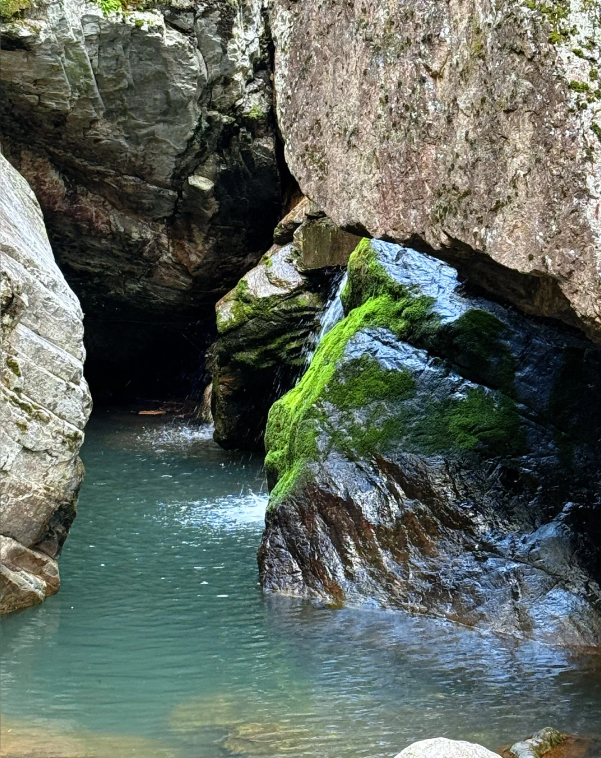
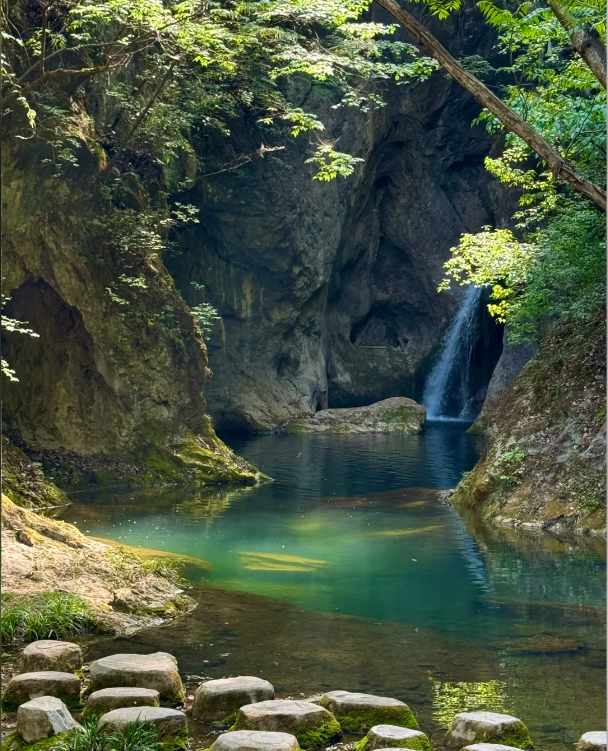
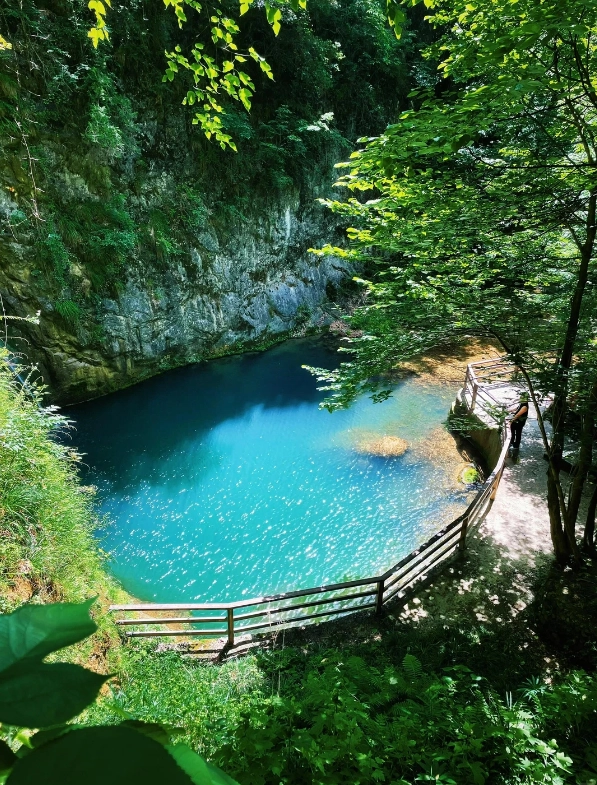
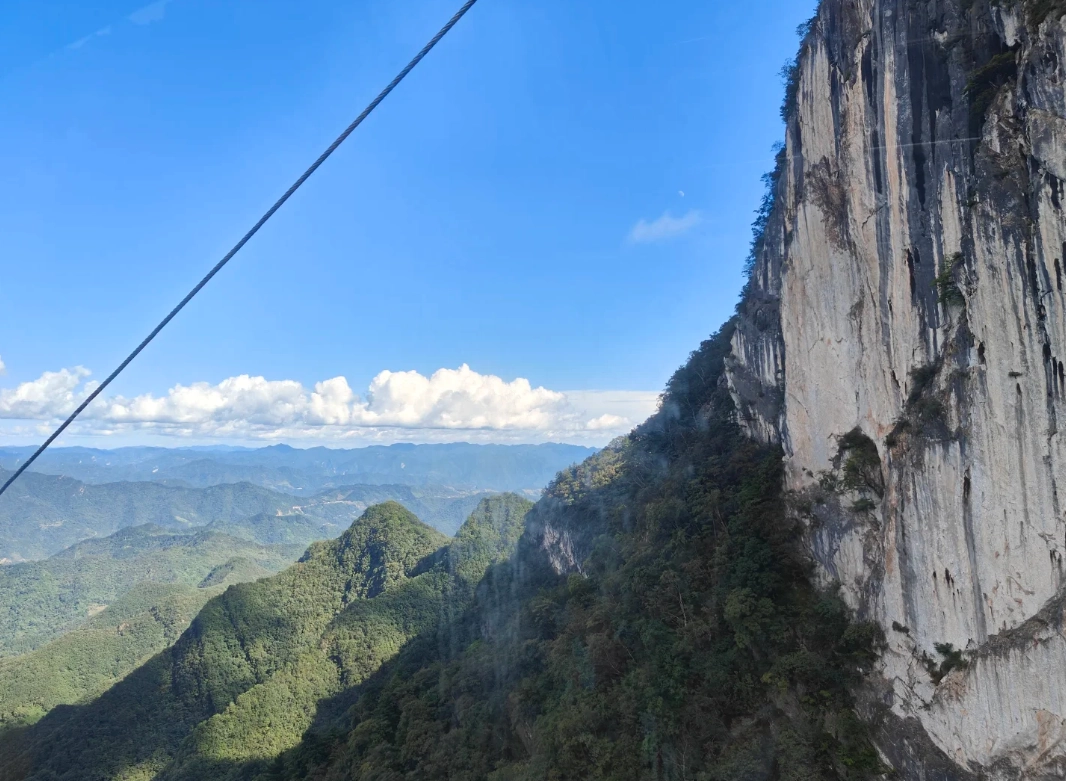
Jinsixia has some genuinely stunning scenery - the emerald pools and narrow rock canyons are unforgettable. That said, I left a little let down. After the cable car, the walking path turned into a wall-to-wall queue, and there were almost no signs telling you how far to the exit. We waited an hour just to get down. For the entrance fee, I expected better crowd management. It's beautiful, but the chaos spoiled the mood.
I honestly didn't know much about Shangluo before visiting, but it turned out to be one of the most relaxing trips I've had in a long time. The weather in late spring is perfect, the streets are mostly quiet, and you can just wander without feeling rushed. I stumbled upon a small temple courtyard that smelled of incense and pine, and an old man there gave me a handful of fresh walnuts from his bag. It's those little moments that made me fall in love with this place. Will definitely return.
Leave a Review