 Lei Li
What's Inside
I've led over 50 tours to Dunhuang. Most people get it wrong. They rush through Mogao Caves, end up dehydrated on the dunes, and wonder why they came. — Let's fix that.
This Gansu Dunhuang travel guide is your antidote to generic advice. I'll show you exactly where to go, what to skip, and how to survive the desert without losing your sanity. I booked my own train tickets, got stuck at the toilet queue, and learned the hard way. You don't have to.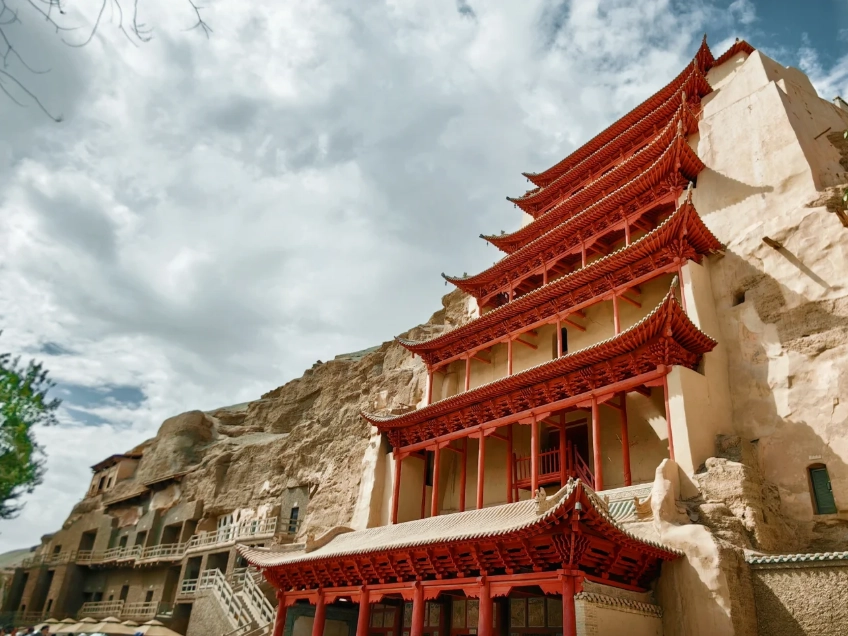
Why Most Tourists Get Dunhuang Wrong (and How You Won't)
First, they come in July and August. Big mistake. Temperatures hit 40°C, Mogao Caves tickets sell out days ahead, and the sand dunes look like a beach in Thailand — crowded. Second, they follow online itineraries that pack three sites in one day. Result? Heatstroke and disappointment.
Here's the catch: Dunhuang is a small oasis city. Its magic lies in slowing down. Spend a sunset at Mingsha Mountain without rushing. Savor a lamb skewer at Shazhou Night Market. That's the real Silk Road vibe.
When to Visit Dunhuang (and When to Run Away)
Best time: April–May and September–October. Pleasant temperatures (15–25°C), fewer tourists, and clear skies. Worst time: July–August. Scorching heat, peak prices, and the Mogao Caves capped at 6,000 visitors daily — you'll fight for a slot.
Winter (Nov–Feb) is cold (-10°C at night) but nearly empty. Some sites close early, but you'll have the dunes to yourself. My personal favorite? Late September — the desert is golden, and the camel rides are cheaper.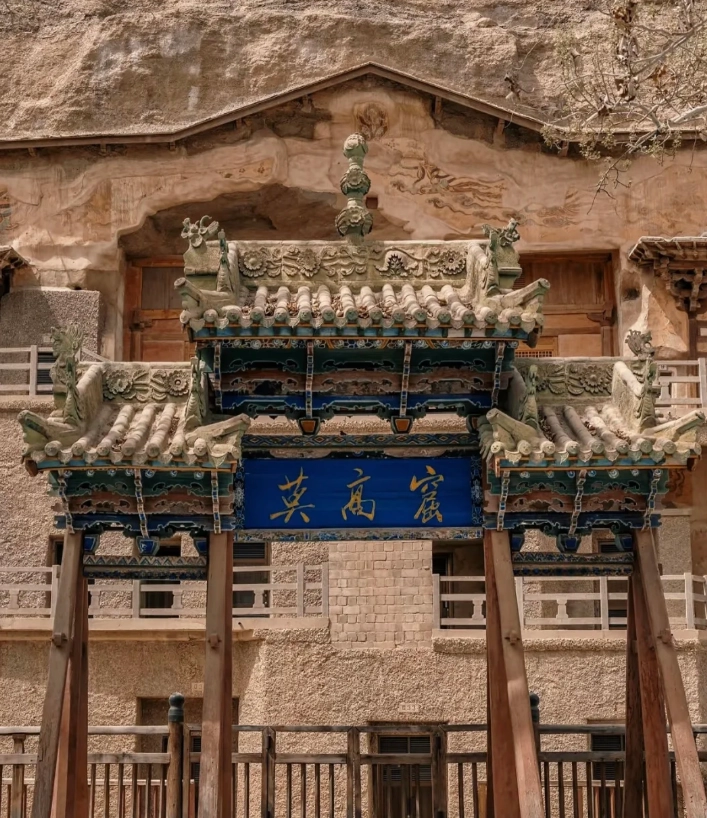
Getting to Dunhuang: Flights, Trains, and the Long Drive
By air: Dunhuang Mogao International Airport (DNH) has direct flights from Beijing, Xi'an, and Shanghai. Check Trip.com for deals. From the airport, a taxi to the city center costs about 40 yuan (20 minutes).
By train: Dunhuang Railway Station connects with Lanzhou (5 hours), Xi'an (8 hours), and Urumqi. Book tickets on 12306.cn (the official site). Pro tip: If 12306's English interface drives you crazy, use the app "Trip.com" to book with a small fee.
By road: Many travelers drive from Lanzhou along the Gansu corridor. It's a 10-hour drive — scenic but exhausting. I've done it. Bring snacks.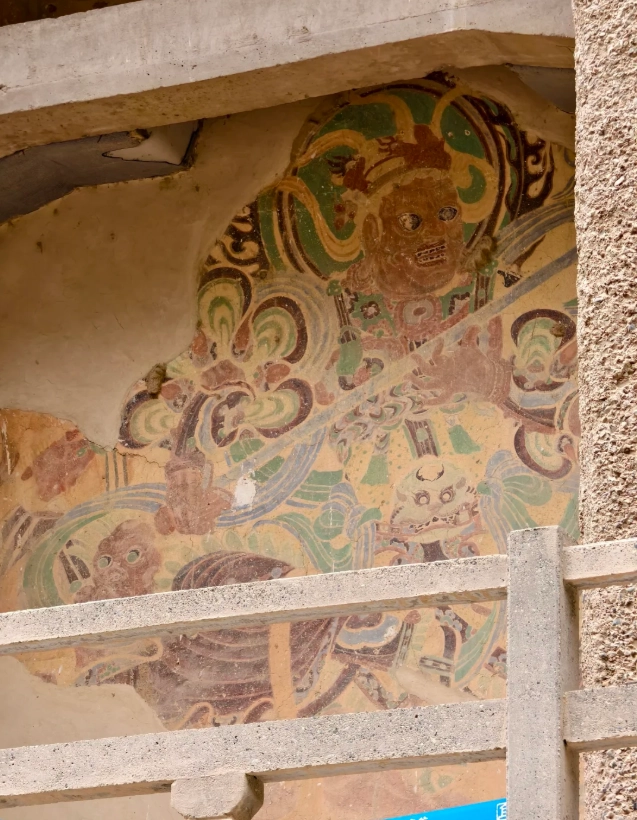
Where to Stay: Hotels That Won't Ruin Your Trip
Dunhuang's accommodation ranges from budget hostels to luxury resorts near the dunes. Here are three I've personally checked in:
| Hotel | Location | Price (peak/off) | Best for |
|---|---|---|---|
| Dunhuang Silk Road Dunhuang Hotel | Mingshan Road, 10 min walk to night market | 600–800 / 300–400 yuan | Mid-range, good English |
| Dunes Inn | Near Crescent Moon Spring, inside the scenic area | 400–600 / 200–300 yuan | Sunset lovers, backpackers |
| Holiday Inn Express Dunhuang | City center, near bus station | 350–500 / 200–300 yuan | Families, western chains |
Note: International credit cards work at most mid-range hotels, but smaller guesthouses prefer Alipay/WeChat. Ask your hotel to help you set up a wallet if needed.
Must-See Attractions (and How to Avoid the Hordes)
Mogao Caves: Booking Tickets and Beating the Crowds
Address: 25 km southeast of Dunhuang city. Opening hours: 8:30–17:00 (last entry 15:30). Tickets: 238 yuan (standard tour) – includes 8 caves guided by a docent. Book at least 3 days ahead via the official WeChat mini-program (search "莫高窟参观预约网") or through Klook.
I always tell my clients: avoid the 10 AM slot (busiest). Choose the 8:30 morning entry or the 14:00 afternoon batch. Bring a bottle of water — the site is huge and you'll walk a lot.
Pro tip: The digital exhibition center (included in ticket) shows a 20-min film before you enter. Skip it if you're short on time — better to spend that hour inside the real caves.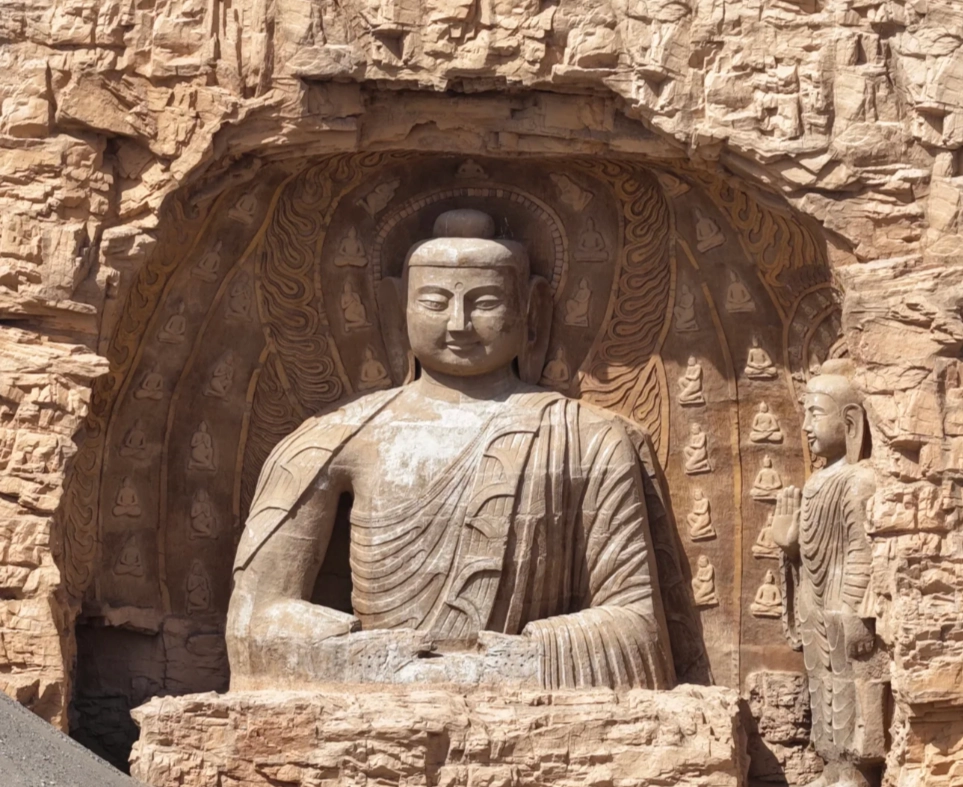
Mingsha Mountain and Crescent Moon Spring: Timing Is Everything
Address: 5 km south of Dunhuang. Opening hours: 6:30–19:30 (summer). Tickets: 120 yuan (includes camel ride? No, camel is extra 100 yuan).
Here's a mistake I see all the time: tourists go at noon. The sand is scorching hot — you can't walk barefoot. Come at 16:00 instead. The light turns golden, the wind picks up, and you can hike the dune ridges without melting.
Personal negative: The camel queues are ridiculous in July. 30 minutes waiting in direct sun. If you don't care about the "camel ride" bucket list, just walk. There's a boardwalk to the Crescent Moon Spring. My last group did that and saved 1.5 hours.
Yumen Pass and the Han Great Wall: Remote but Rewarding
Address: 90 km northwest of Dunhuang. Opening hours: 8:00–17:00. Tickets: 40 yuan (Yumen Pass) + 20 yuan (Great Wall ruins).
Getting there is half the adventure. Join a shared minibus from Dunhuang bus station (60 yuan/person round trip). It's a 2-hour drive through the Gobi Desert. Bring a hat and sunscreen — there's zero shade.
The site itself is a crumbling gate and a section of Silk Road-era wall. Not jaw-dropping, but the emptiness is powerful. I recommend this only if you have an extra half-day and a fascination with ancient trade routes.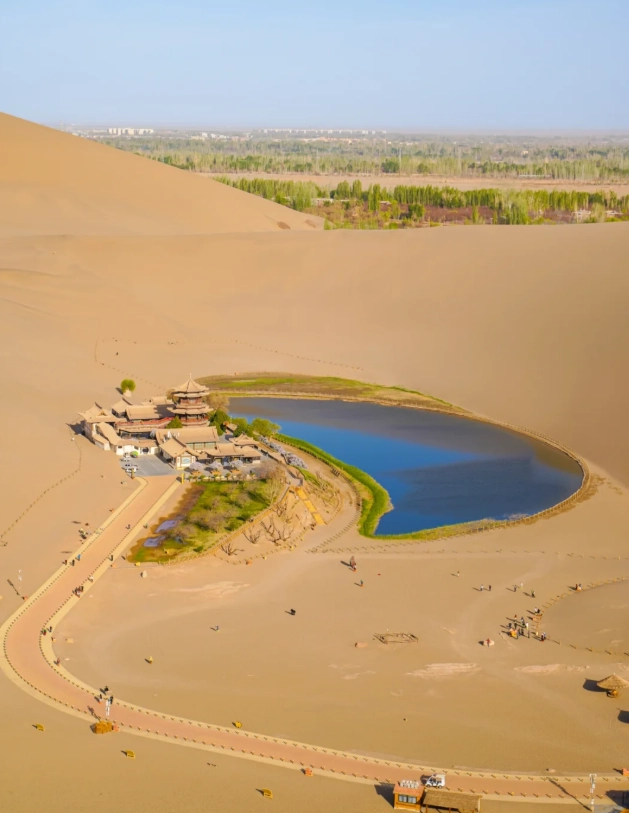
Shazhou Night Market: Eat Like a Local
Address: Shazhou North Road, city center. Opening hours: 17:00–midnight.
This is where I take every group. My must-order list:
- Lamb skewers (4 yuan each) — ask for mild spice, they're default heavy on cumin.
- Xingjiang fried rice noodles — tangy and filling.
- Apricot peel water (liangpi) — sweet and cold, perfect for desert heat.
Payment: Most stalls accept WeChat/Alipay. Cash works but you'll get slower service. No international cards — bring cash.
Sample 3-Day Dunhuang Itinerary (Realistic and Relaxed)
This is my go-to schedule for first-timers. Adjust based on your energy.
| Day | Morning | Afternoon | Evening |
|---|---|---|---|
| 1 | Arrive, check into hotel | Visit Dunhuang Museum (free, learn Silk Road history) | Shazhou Night Market |
| 2 | Mogao Caves (8:30 entry) | Rest at hotel (avoid midday sun) | Mingsha Mountain (16:00–sunset) |
| 3 | Yumen Pass half-day trip | Return, pack | Depart |
Plan B for rain or extreme heat: Swap Yumen Pass for a cooking class (make lamian noodles) or visit a local art gallery. My favorite indoor spot: the Dunhuang Art Gallery next to the museum — air-conditioned and free.
Practical Tips: Money, Internet, and Toilet Troubles
Money: Bring enough cash (about 500 yuan per day) for small vendors. Most hotels and big restaurants accept cards, but the night market and taxis are cash-heavy. Avoid ATMs after 8 PM — they run out of money.
Internet: China's VPN situation is tricky. I recommend installing a reliable VPN on your phone before landing. Free hotel WiFi is okay for messaging but too slow for video calling. If you need fast internet, buy a local SIM card at the airport (China Unicom offers 50 GB for 100 yuan).
Toilets: Public toilets are squat-style and often lack toilet paper. Always carry tissues. The toilet at Mogao Caves' parking lot is clean but always has a queue — use the one inside the exhibition center instead. I've seen too many tourists stuck in line... don't be one of them.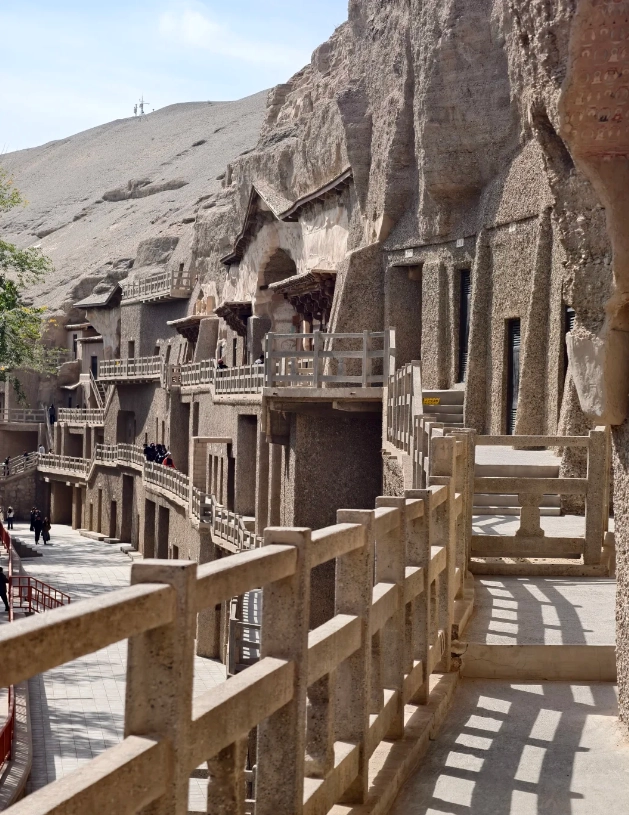
FAQ: Your Burning Questions Answered
Verified and fact-checked by the editorial team.





No comments yet.