 Qiang Huang
What You'll Find Here
Eight hours. That's how long a couple from Australia waited at Pudong immigration last month. They had the right tickets, the right passport—but they filled out the arrival card wrong. Total rookie mistake, and it cost them half a day. I tell you this not to scare you, but because I've seen it happen too many times. The 144 hour visa free Shanghai policy is generous, but the devil is in the details.
I've been guiding tours in Shanghai for over a decade. I've helped hundreds of transit passengers squeeze the most out of their 144 hours. In this article, I'll cut through the official jargon and give you the exact steps to breeze through immigration, avoid the WeChat mini-program headache, and actually enjoy your time—whether you have 24 hours or the full six days.
How the 144 Hour Visa Free Shanghai Actually Works
First, let me clear up the biggest misconception: this is not a visa waiver for everyone. It's a transit privilege. You must be flying from one country to another, with a stopover in Shanghai (or the surrounding Jiangsu-Zhejiang area). And you must have a confirmed onward ticket to a third country or region—not back to where you came from.
Here is the catch: the 144 hours count from midnight of the day after your arrival. So if you land at 11 PM on Monday, your clock starts at 00:00 Tuesday, giving you until midnight Friday. That's nearly six full days—a sweet deal if you plan right.
Entry Requirements You Can't Ignore
I always tell my clients: the paper is half the battle. Here's what you absolutely must have ready:
| Item | Details |
|---|---|
| Passport validity | At least 3 months beyond your departure date from China |
| Onward ticket | Printed or digital with a flight number to a third country (e.g. Shanghai → Tokyo, not Shanghai → New York via Tokyo if New York is your origin) |
| Arrival card | Fill in carefully: “Transit without visa” as purpose, and the name of your next airline |
| Hotel booking | Not mandatory but strongly recommended—officers may ask for proof of stay |
| Ports of entry/exit | Must enter and exit from Shanghai (PVG, SHA), or also from Nanjing, Hangzhou, etc. (check official list) |
Pro tip: Use a printed copy of your onward ticket. Some officers get antsy if your phone battery is dead. I once saw a guy get delayed 40 minutes just because his phone wouldn't light up.
Common Pitfalls That Wreck Your Plan
Now let's talk about the stuff no official guide tells you.
Pitfall #1: The “144-hour” Zone Confusion
Your 144 hours are limited to Shanghai plus 19 other cities in Jiangsu and Zhejiang. But it's not unlimited! For example, you cannot travel to Beijing or Guangzhou on this policy. Stick to the approved region—immigration can check your hotel bookings and train tickets.
Pitfall #2: WeChat Mini-Program for Attractions
Yes, navigating the WeChat mini-program in pure Chinese to book museum tickets is a nightmare even for me. But don't panic: just ask your hotel receptionist to book for you. Or use the official English booking site (like for the Shanghai Museum, though it's often full). I personally prefer to buy tickets on the spot at less popular attractions—no queuing, no Chinese reading.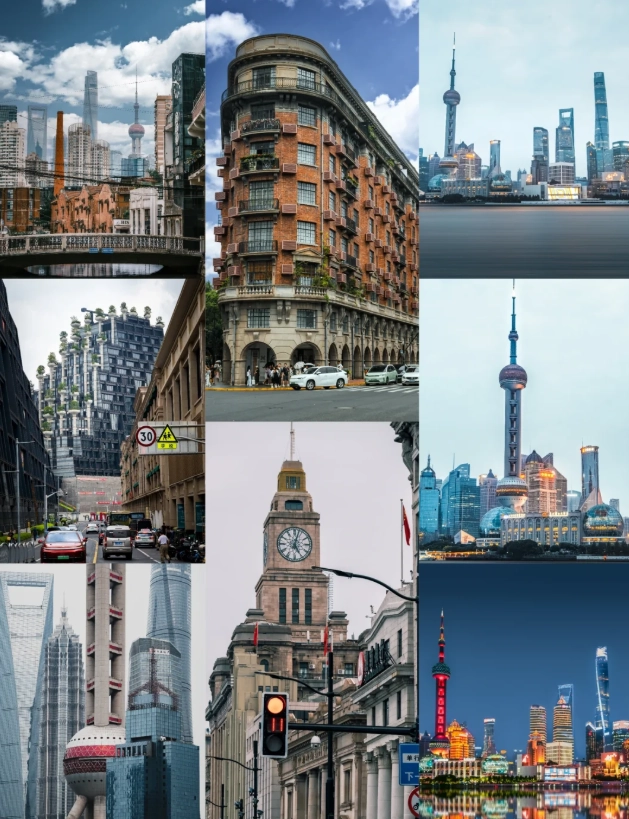
Pitfall #3: Digital Payment Lockout
Most street vendors and small eateries only accept WeChat Pay or AliPay. International credit cards? Forget them. Bring enough cash (RMB) for small purchases. Top tip: head to a Bank of China ATM at the airport and withdraw up to 3000 RMB. For larger bills, use Alipay's “Tour Pass” (available in the app store) that lets you top up with a foreign card.
My Go-To 3 Day Itinerary (With Time Hacks)
This is the route I've used with dozens of groups. It balances the iconic sights with local flavor, and I've built in escapes for bad weather or fatigue.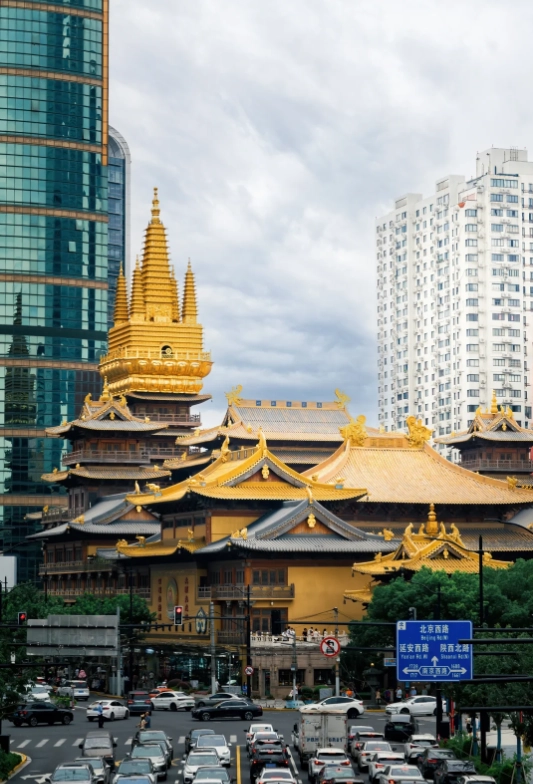
Day 1: The Bund, Old City, and Night River Cruise
Morning (9 AM – 12 PM): Start at The Bund. Walk from Nanjing Road to the Waibaidu Bridge. The best photo spot is near the Shanghai Tower observation deck (Pudong side), but for the classic view, stand at the Bund viewing platform near Yan'an Road. Tip: Go early to avoid the 10 AM tour bus flood.
Lunch (12:30 PM): Head to Yu Garden area. I love Nanxiang Steamed Bun Restaurant (Yuyuan Road). Their xiaolongbao are legit. Average price: 40 RMB per person. Cash only! If you're vegetarian, try the mushroom filling ones.
Afternoon (2 – 4 PM): Explore Yu Garden and the adjacent Old City. Ticket is 40 RMB (adult). The garden gets crowded after 3 PM, so go early. Hidden spot: The Zigzag Bridge is beautiful but packed—walk to the smaller pavilion at the back for a quiet moment.
Evening (6 PM onwards): Huangpu River cruise. Depart from Shiliupu Pier. Buy tickets at the counter (120 RMB per person). The 7 PM departure gives you the skyline at dusk. Book online via Trip.com to skip the line.
Plan B for rain: Swap the cruise for the Shanghai Tower observation deck (118th floor, 180 RMB). Book through the official WeChat mini-program or ask your hotel.
Day 2: French Concession, Xintiandi, and Food Walk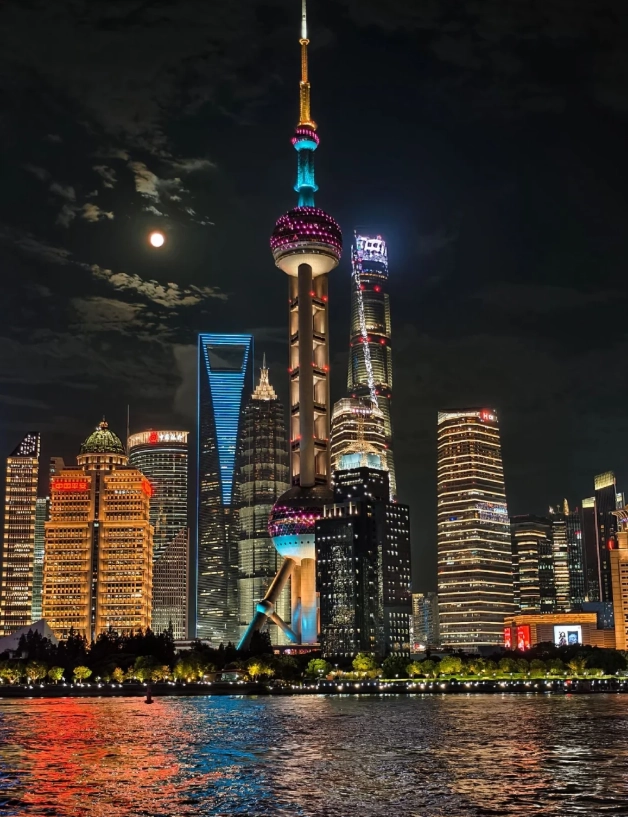
Morning (10 AM): Stroll the French Concession. Start at Wukang Road. The old plane trees and art deco buildings are stunning. Grab a coffee at Baker & Spice (on Wukang Road) – about 25 RMB, they accept credit cards.
Lunch (12:30 PM): Try Lost Heaven on Maoming Road. Yunnan fusion, fabulous vibe. Mains around 80-120 RMB. They speak English and take Visa. Reserve ahead for weekends.
Afternoon (2 – 5 PM): Walk through Xintiandi then head to the Propaganda Poster Museum (now relocated to near the Bund). Admission 50 RMB. It's a tiny but fascinating look at China's past. Warning: No photography inside some sections, ask first.
Evening (7 PM): Dinner at a local food street. I'm partial to Yunnan South Road Night Market (actually a collection of sidewalk stalls). Try the lamb skewers and stinky tofu (trust me, it's tastier than it smells). Bring cash—no cards accepted.
Plan B (heatwave): Spend the afternoon at the Shanghai Museum (free but need to reserve via WeChat). If you can't get a slot, the China Art Museum on Pudong is huge and air-conditioned, with a stunning digital scroll.
Day 3: Zhujiajiao Water Town or Pudong Modernity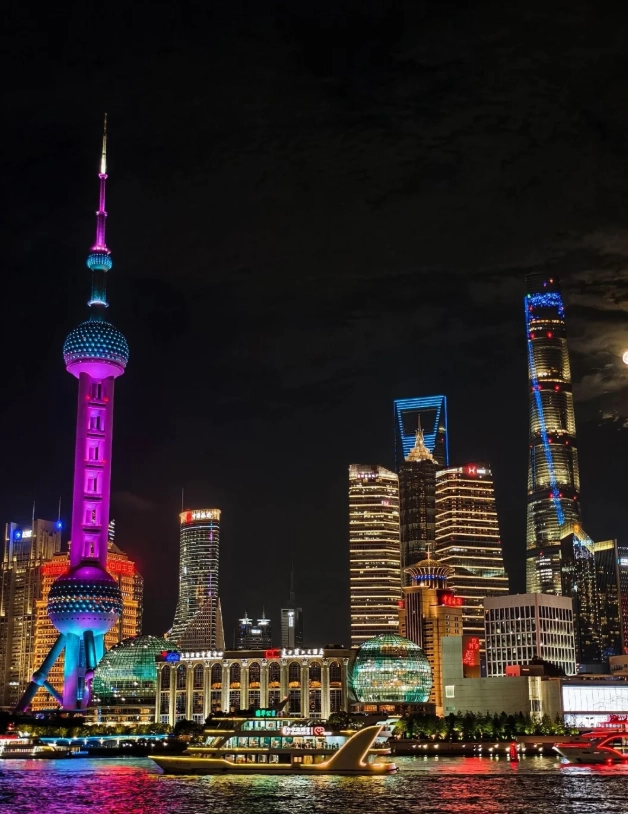
Option A – Water Town (full day): Take subway Line 17 to Zhujiajiao. Entrance free, but boat ride costs 60 RMB. Leave by 8 AM to avoid the 10 AM tourist rush. My tip: Buy the boat ticket at the small dock near the east gate—shorter queue. For lunch, eat at Mama's Kitchen (address: 20 Xijing Street). Their braised pork is top-notch. Average 50 RMB.
Option B – Pudong Modern (half day): Visit the Shanghai Science and Technology Museum (subway Line 2, Shanghai Science & Technology Museum station). Interactive exhibits, great for families. Tickets 60 RMB. Then head to the Oriental Pearl Tower for the glass-bottom floor (220 RMB). But honestly, I think the view from the Shanghai Tower is better value.
Weather backup for both: If it's raining hard, stick to the Museum of Natural History (Jing'an District). It's world-class and has a fantastic dinosaur hall. Reserve online via WeChat.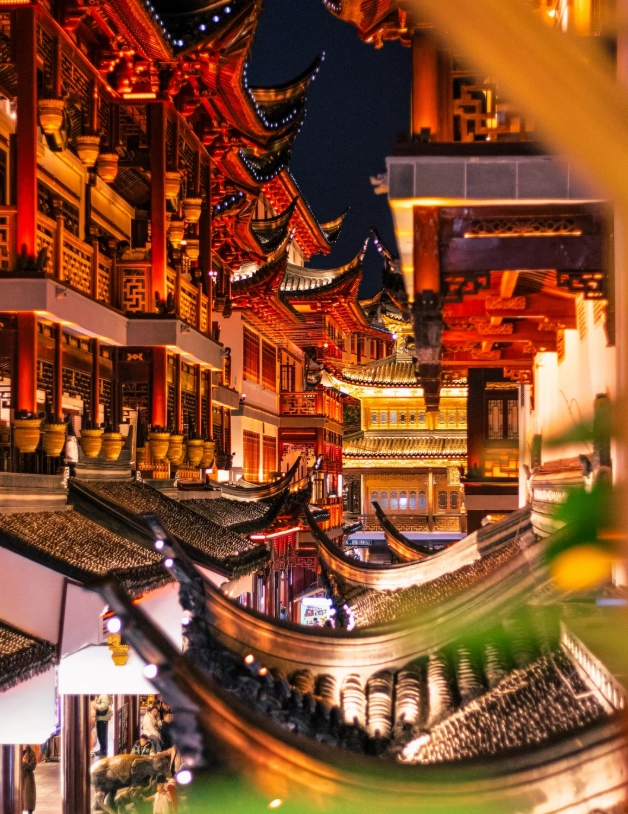
Payment Nightmare? How to Survive Without AliPay
I won't sugarcoat it: China is a cashless society for locals, but for tourists, it's a headache. Here is my survival kit:
- Always carry 500-1000 RMB in small bills (10s and 20s) for taxis, street food, and small shops.
- Set up Alipay before you come. Use the “Tour Pass” feature – it accepts foreign credit cards with a 3% fee. Max top-up is 2000 RMB, but you can reload.
- Use your hotel for large payments. Most upscale hotels can charge your room and you pay with card at checkout.
- Taxis: Use the Didi app (English version) or DiDi mini-program in Alipay. It links to Alipay. If you must hail a street cab, have cash ready.
Quick Answers to Tricky Questions
Verified and fact-checked by the editorial team.






I was so nervous about the 144 hour thing, but this article made it feel like a breeze. Followed the tips about arriving early in the morning and having a return ticket ready – the officer barely glanced at my passport. Even got a stamp with a smile. If you're debating whether to do it, just go for it and keep this guide handy. 5/5, no stress at all.
Pretty solid guide. I'd give it a 4 because it could use a small map or visual of where to go after deplaning. The text explanation was clear but I still had to ask a cleaner for directions. That said, everything about the registration form and exit requirements was 100% correct, and I got through in under 20 minutes. Good enough for me to recommend.
Used this for my Hong Kong to Shanghai connection. The checklist was gold — especially the part about having a printed itinerary and hotel confirmation. Most blogs just say 'have your documents ready' but this one tells you exactly what the officer looks for. No issues at all. Definitely a 5-star resource for first-timers like me.
This article is decent but I wish it mentioned the specific line at the visa-on-arrival counter. I went to the wrong one and got sent back. The airport staff weren't super helpful either. Ended up fine after re-reading the guide, but the stress level was higher than needed. 3 stars because the content is accurate but the delivery lacks those real-world gotchas.
Honestly, the 144-hour visa-free policy is a lifesaver for a quick layover. But the info online is a mess. I followed this guide step by step and it worked perfectly — no confusion at immigration, no hidden forms. The part about the hotel registration slip was spot on. Saved me at least an hour of anxiety. Highly recommend if you're transiting through PVG.